Top Conservation Efforts Protecting Endangered Animals Worldwide
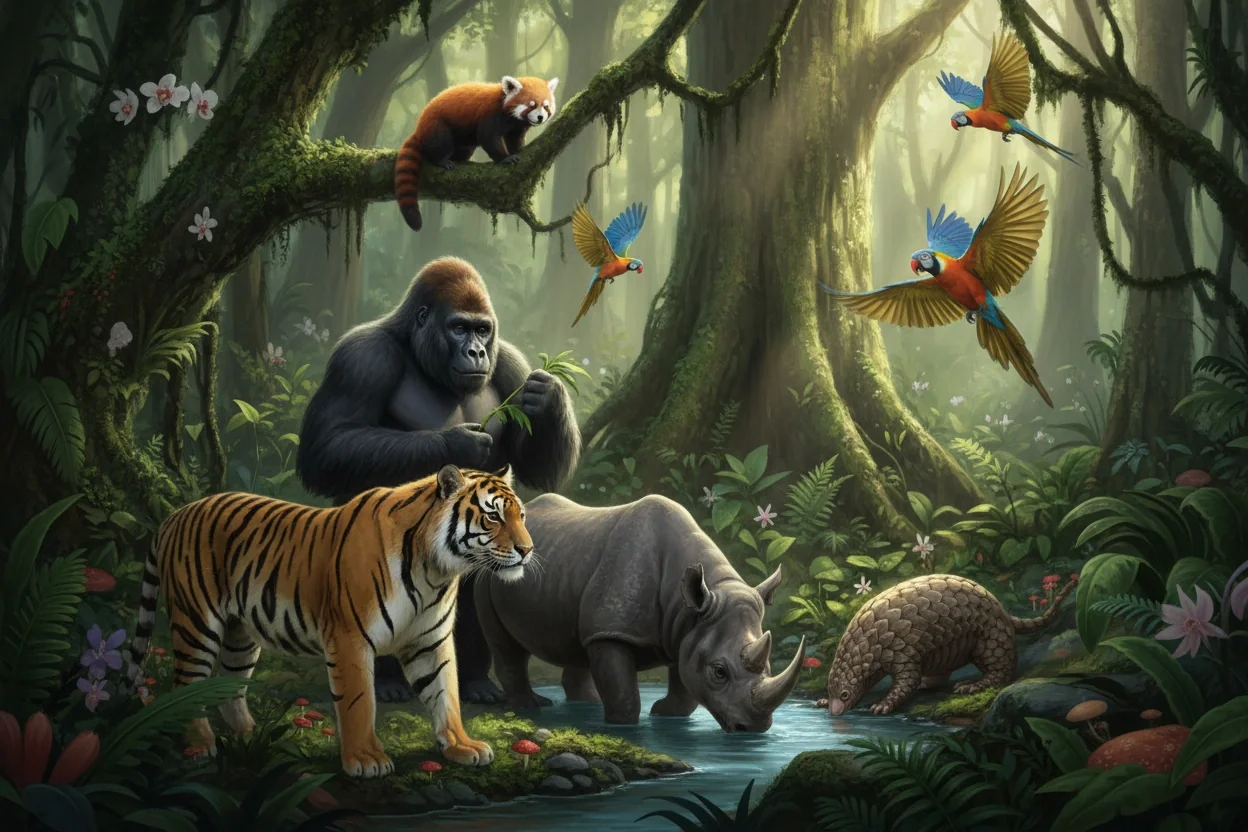
As we navigate through the complexities of the 21st century, the plight of endangered animals is a pressing concern that resonates across the globe. Numerous species face extinction due to habitat loss, climate change, poaching, and other human-induced factors. The urgency to protect these vulnerable populations has led to a myriad of top conservation efforts aimed at preserving biodiversity. In this article, we will explore the top conservation efforts protecting endangered animals worldwide and delve into ten specific endangered species that deserve our attention.
The Importance of Conservation Efforts
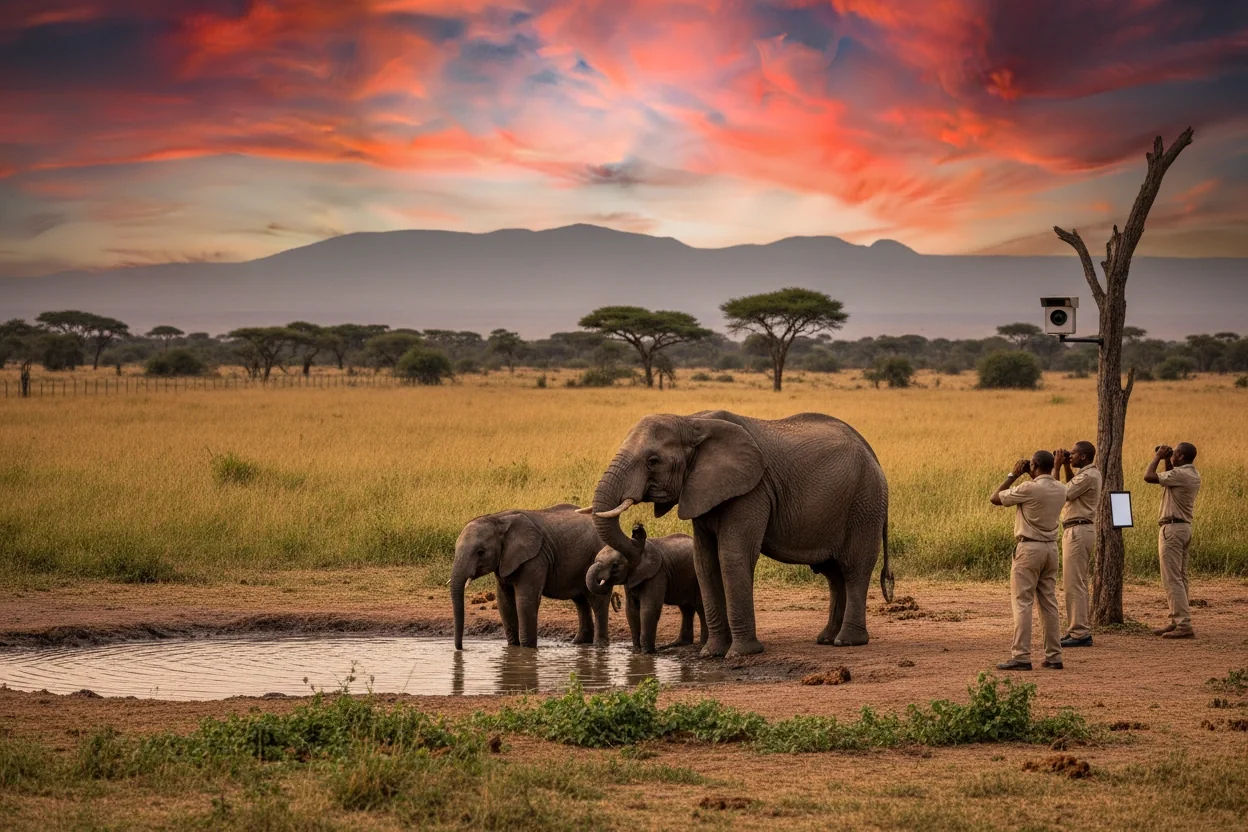
Conservation efforts play a vital role in maintaining the ecological balance of our planet. They help safeguard endangered animals and their habitats, ensuring that future generations can appreciate the rich diversity of life on Earth. These initiatives not only protect individual species but also support entire ecosystems, as the survival of one species often relies on the health of its habitat and the presence of other species. protecting endangered animals and their habitats, ensuring that future generations can appreciate the rich diversity of life on Earth. These initiatives not only protect individual species but also support entire ecosystems, as the survival of one species often relies on the health of its habitat and the presence of other species.
Conservation strategies can take many forms, from legal protections and habitat restoration to community engagement and research initiatives. Each approach is crucial in the fight against biodiversity loss and the extinction of endangered animals. By supporting these efforts, we contribute to a sustainable future for our planet.
Key Types of Conservation Efforts
-
Legal Protections: Many countries have implemented laws that protect endangered species from hunting, poaching, and habitat destruction. For instance, the Endangered Species Act in the United States has been pivotal in safeguarding numerous species from extinction.
-
Habitat Restoration: Restoration projects aim to rehabilitate ecosystems that have been damaged by human activities. This can involve reforestation, wetland restoration, and the removal of invasive species.
-
Community Engagement: Involving local communities in conservation efforts is essential for long-term success. When communities understand the value of their local wildlife and are engaged in protecting it, they are more likely to support conservation initiatives.
-
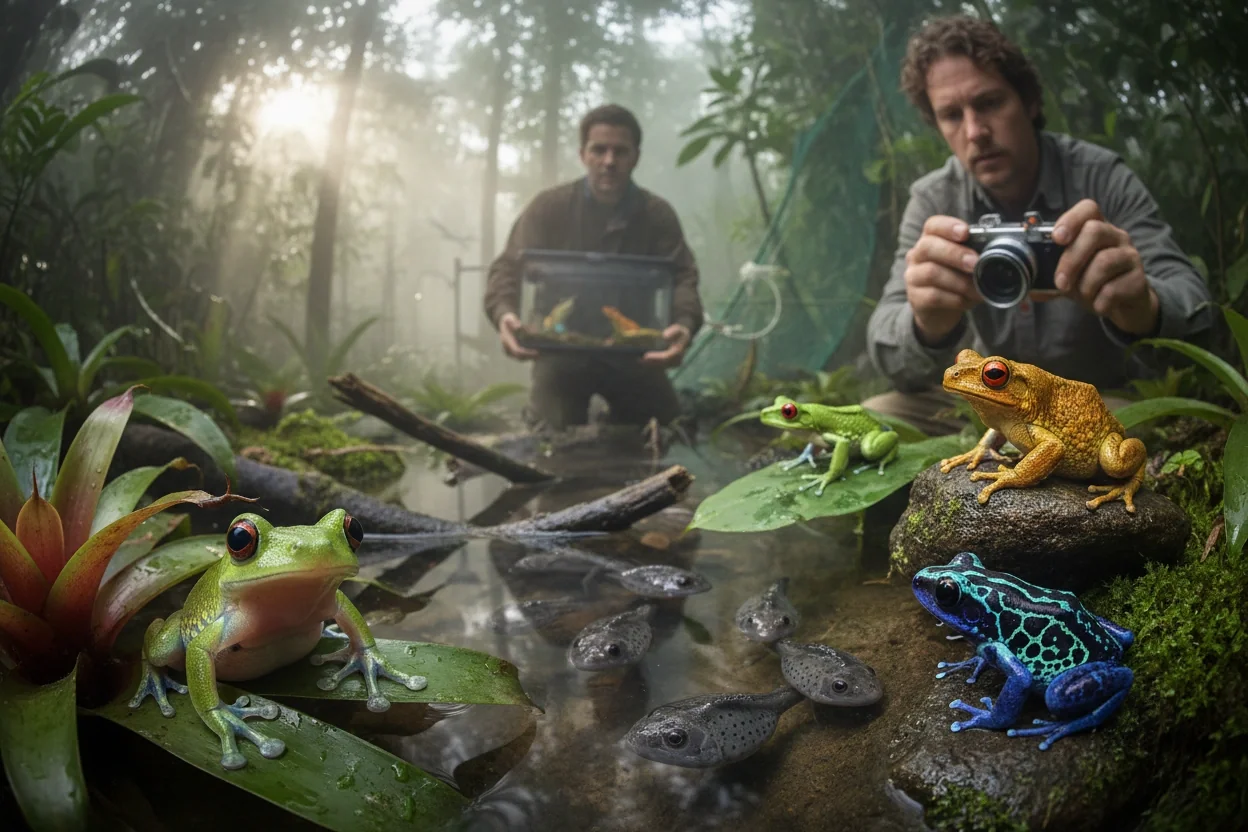
Research and Monitoring: Scientific research is critical for understanding the needs of endangered animals and the threats they face. Monitoring populations helps conservationists assess the effectiveness of their strategies and make necessary adjustments.
-
Education and Awareness: Raising awareness about the plight of endangered animals is crucial for garnering public support. Educational programs can inspire individuals to take action and contribute to conservation efforts.
Top 10 Endangered Animals You Need to Know About
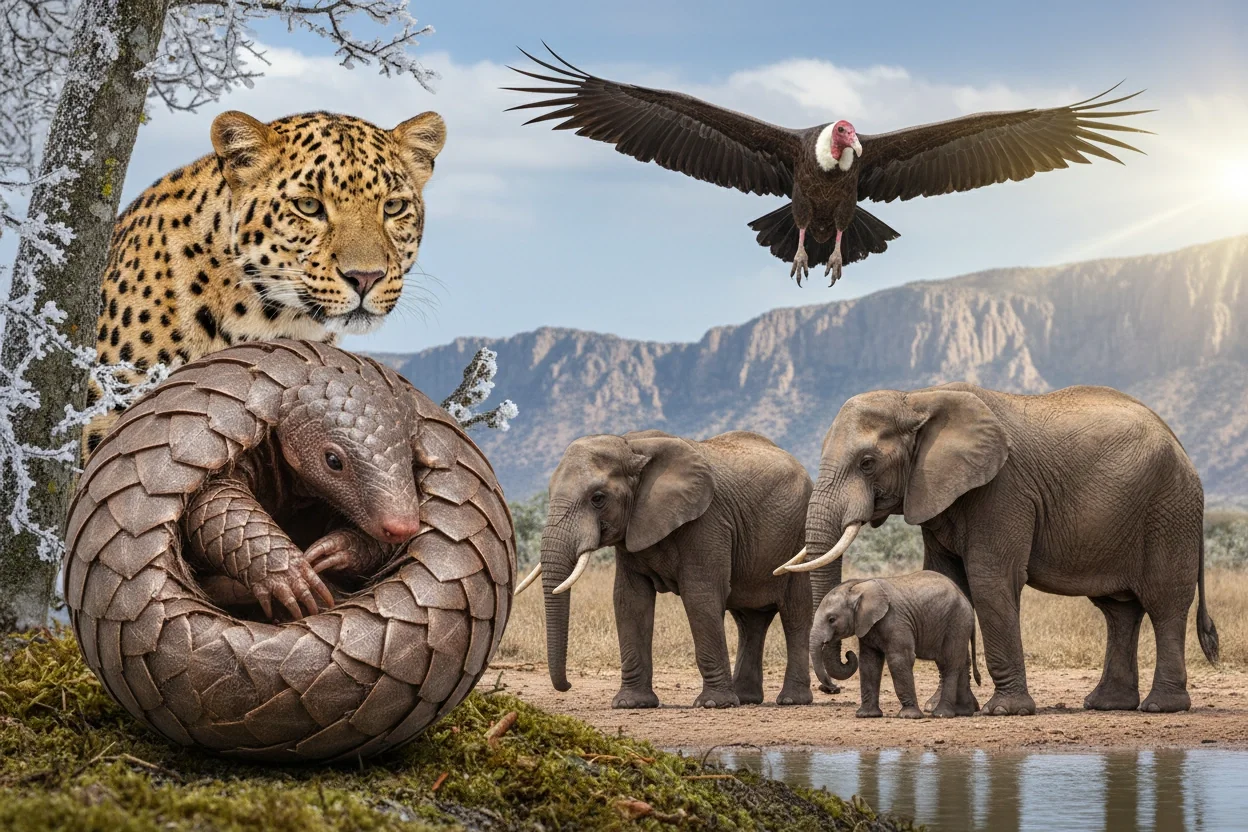
Understanding the specific endangered animals that require immediate attention can help focus conservation efforts. Here are ten critically endangered species that embody the urgency of these initiatives.
1. Amur Leopard
The Amur leopard is one of the rarest big cats in the world, with fewer than 100 individuals remaining in the wild. Habitat loss due to deforestation and poaching for their beautiful fur are the primary threats to their survival. Conservation efforts are focused on habitat preservation and anti-poaching measures.
2. Vaquita
The vaquita is a small porpoise native to the northern part of the Gulf of California. With an estimated population of only around 30 individuals, it is the most endangered marine mammal. The primary threat to the vaquita is bycatch in illegal gillnets used for fishing another endangered species, the totoaba fish. Conservation efforts include the banning of gillnets and increased patrolling of the vaquita’s habitat.
3. Sumatran Orangutan
With only around 14,000 Sumatran orangutans left in the wild, habitat destruction caused by palm oil plantations poses a significant threat. Conservation organizations are working to establish protected areas and promote sustainable palm oil practices to help preserve their habitat.
4. Javan Rhino
The Javan rhino is critically endangered, with only about 76 individuals left, all residing in Ujung Kulon National Park in Indonesia. Conservation efforts focus on habitat protection and monitoring to ensure the population remains stable and healthy.
5. Snow Leopard
Snow leopards are elusive big cats that inhabit the mountainous regions of Central and South Asia. They are threatened by habitat loss, poaching, and retaliatory killings by herders. Conservation initiatives aim to protect their habitats and reduce human-wildlife conflict through community-based programs.
6. Hawksbill Turtle
Hawksbill turtles are critically endangered due to illegal trade in their shells, habitat loss, and climate change. Conservation efforts include protecting nesting sites and reducing bycatch through improved fishing practices.
7. Northern White Rhino
With only two known individuals remaining, the northern white rhino is on the brink of extinction. Conservationists are focusing on advanced reproductive technologies, such as in vitro fertilization, to attempt to save this subspecies.
8. Saola
Often referred to as the “Asian unicorn,” the saola is an elusive mammal found in the Annamite Range of Vietnam and Laos. Habitat destruction and hunting pose severe threats. Conservation efforts are focused on habitat preservation and raising awareness about this little-known species.
9. Philippine Eagle
The Philippine eagle is one of the largest and most powerful birds of prey in the world, yet it faces extinction due to deforestation and hunting. Conservation efforts include habitat restoration and captive breeding programs to bolster wild populations.
10. Yangtze Giant Softshell Turtle
This critically endangered turtle species has only three known individuals left. Conservationists are working to establish breeding programs and protect their natural habitat in China to prevent total extinction.
Common Misconceptions About Conservation Efforts
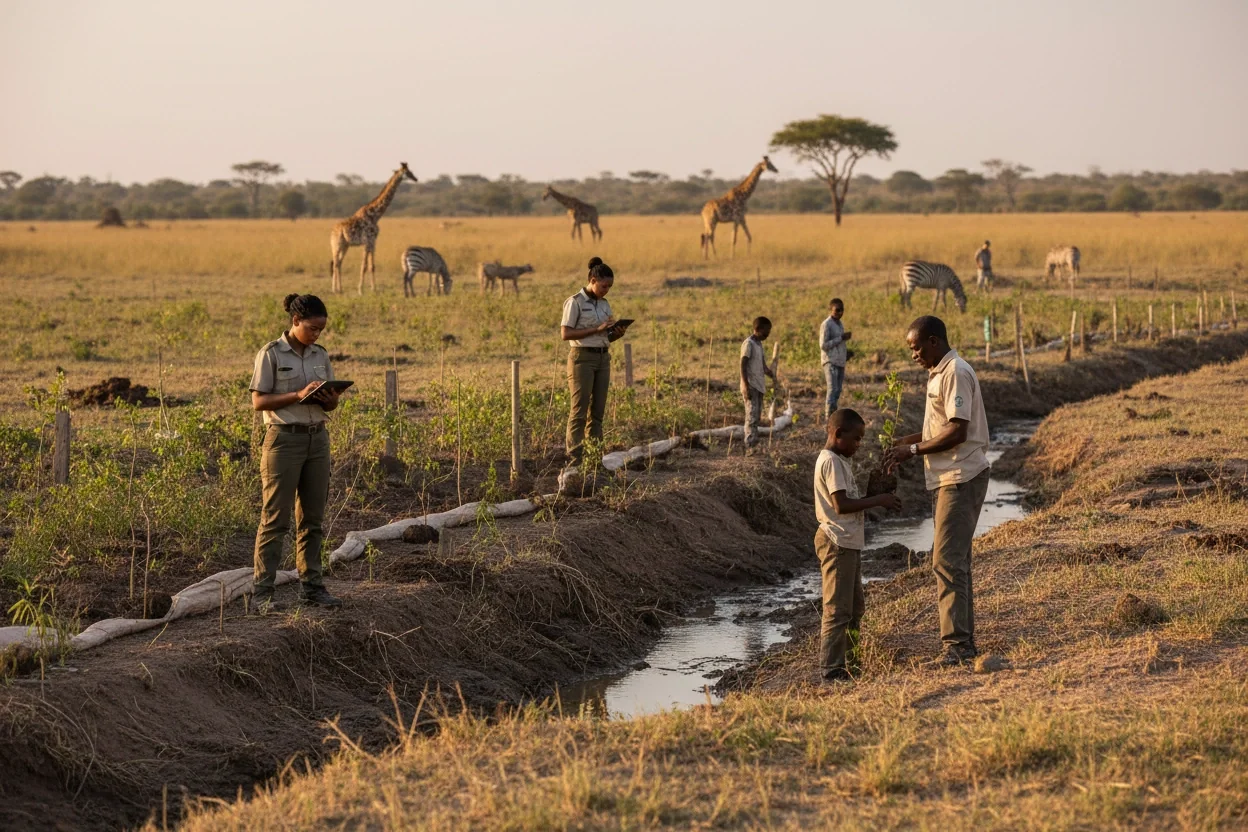
Despite the widespread acknowledgment of the importance of conservation, several misconceptions persist that can hinder effective action.
Misconception 1: Conservation is Only About Animals
Many people believe that conservation solely focuses on protecting endangered animals. However, it also encompasses the preservation of entire ecosystems, including plants, fungi, and microorganisms, which are integral to the health of our planet.
Misconception 2: Conservation is a Lost Cause
While the situation for many endangered species is dire, there are numerous conservation success stories where conservation efforts have led to the recovery of populations. Species such as the American bison and the California condor have shown that dedicated efforts can yield positive results.
Misconception 3: Only Large Organizations Can Make a Difference
Individuals can have a substantial impact on conservation. Simple actions, such as reducing plastic use, supporting sustainable products, and advocating for wildlife protection, can collectively contribute to significant change.
How You Can Support Conservation Efforts
Engaging in conservation efforts is not limited to large organizations or governments. Here are some actionable ways individuals can contribute:
-
Educate Yourself and Others: Understanding the issues facing endangered animals is the first step. Share your knowledge with friends and family to raise awareness.
-
Support Conservation Organizations: Donate to or volunteer with organizations that focus on protecting endangered species and their habitats.
-
Make Sustainable Choices: Opt for products that are sustainably sourced and support businesses that prioritize environmental responsibility.
-
Advocate for Policy Change: Get involved in local or national advocacy efforts that promote wildlife protection and environmental conservation.
-
Participate in Citizen Science: Join community science projects that help monitor wildlife populations and contribute valuable data to conservation efforts.
The Role of Technology in Conservation
In recent years, technology has played an increasingly important role in conservation efforts. From satellite imaging to advanced tracking devices, technology enables conservationists to monitor endangered animals and their habitats more effectively.
Innovative Technologies in Conservation
-
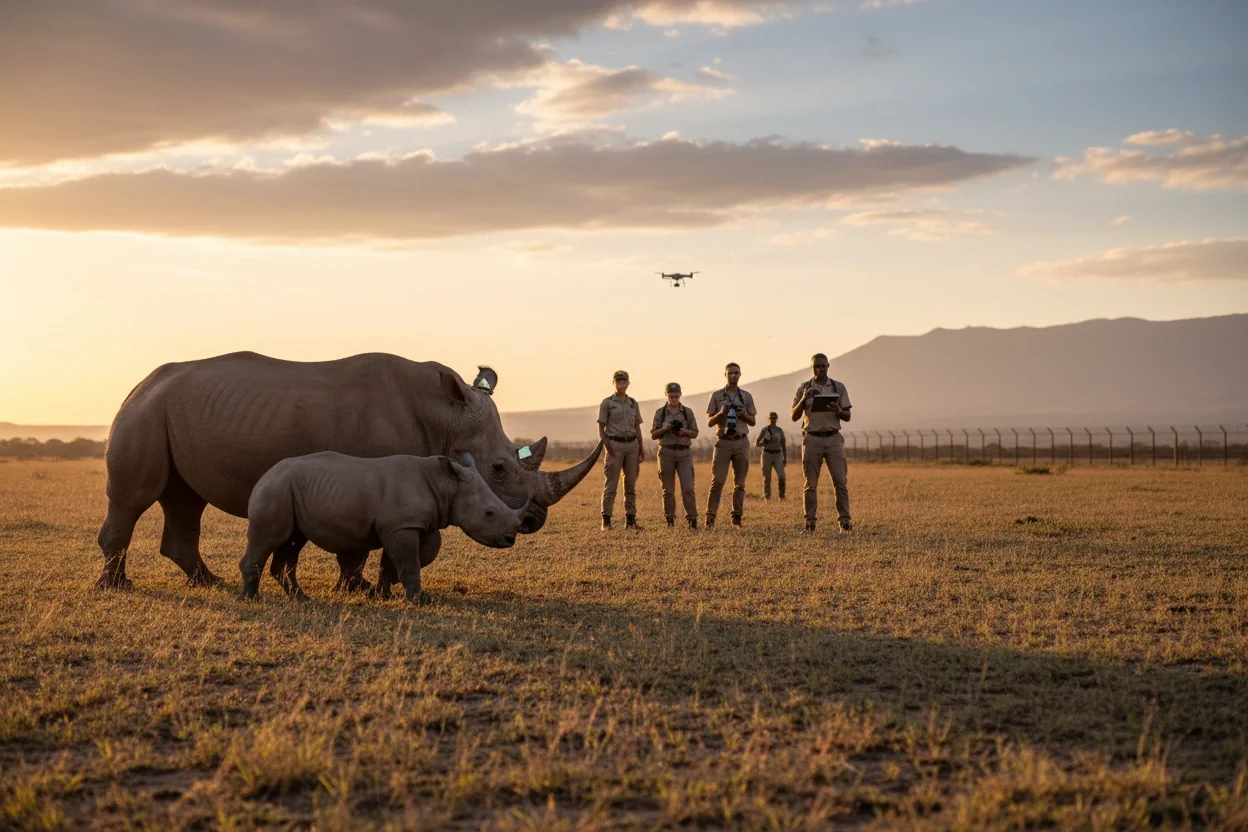
Drones: Used for aerial surveys and monitoring hard-to-reach areas, drones help track wildlife populations and assess habitat conditions.
-
GPS Tracking: Equipped with GPS collars, animals can be monitored in real-time, providing critical data on their movements and behaviors.
-
Environmental DNA (eDNA): This cutting-edge technology allows researchers to detect species presence through genetic material found in the environment, making it easier to monitor biodiversity.
The Intersection of Conservation and Community
Community involvement is paramount to the success of conservation efforts. Engaging local populations ensures that conservation strategies are culturally relevant and economically viable. When communities benefit from conservation, they are more likely to support and sustain these initiatives.
Building Sustainable Livelihoods
Conservation efforts can provide alternative livelihoods for communities that rely on natural resources. For example, ecotourism can generate income while promoting wildlife conservation. By fostering a sense of ownership and pride in local ecosystems, communities can become powerful allies in the fight to protect endangered animals.
Embracing the Future of Conservation
As we reflect on the critical role of conservation in protecting endangered animals, it is essential to adopt innovative strategies and foster collaboration among stakeholders. The path forward requires commitment, creativity, and a collective effort to ensure the survival of our planet’s biodiversity.
Engaging with Organizations
Organizations like the Banana Slug Club are dedicated to promoting awareness and supporting conservation initiatives. By collaborating with local communities, researchers, and policy-makers, they work to protect endangered animals and their habitats effectively.
Take action today by getting involved in conservation efforts that resonate with you. Whether through volunteering, donating, or simply spreading awareness, your contribution can make a difference.
Join the Movement to Protect Endangered Animals
The fight to protect endangered animals is ongoing, and every action counts. By understanding the importance of conservation efforts and engaging with organizations like Banana Slug Club, we can all play a part in preserving the rich tapestry of life on Earth.
Visit Banana Slug Club to learn more about how you can contribute to conservation efforts and help make a positive impact on endangered animals and their ecosystems. Together, we can create a sustainable future for our planet.
Join the Banana Slug Club!
Get free resources, early access to new features and updates. No spam. Just fun educational emails!
Share this article: