Identifying Common Amphibian Species: A Beginner’s Field Guide
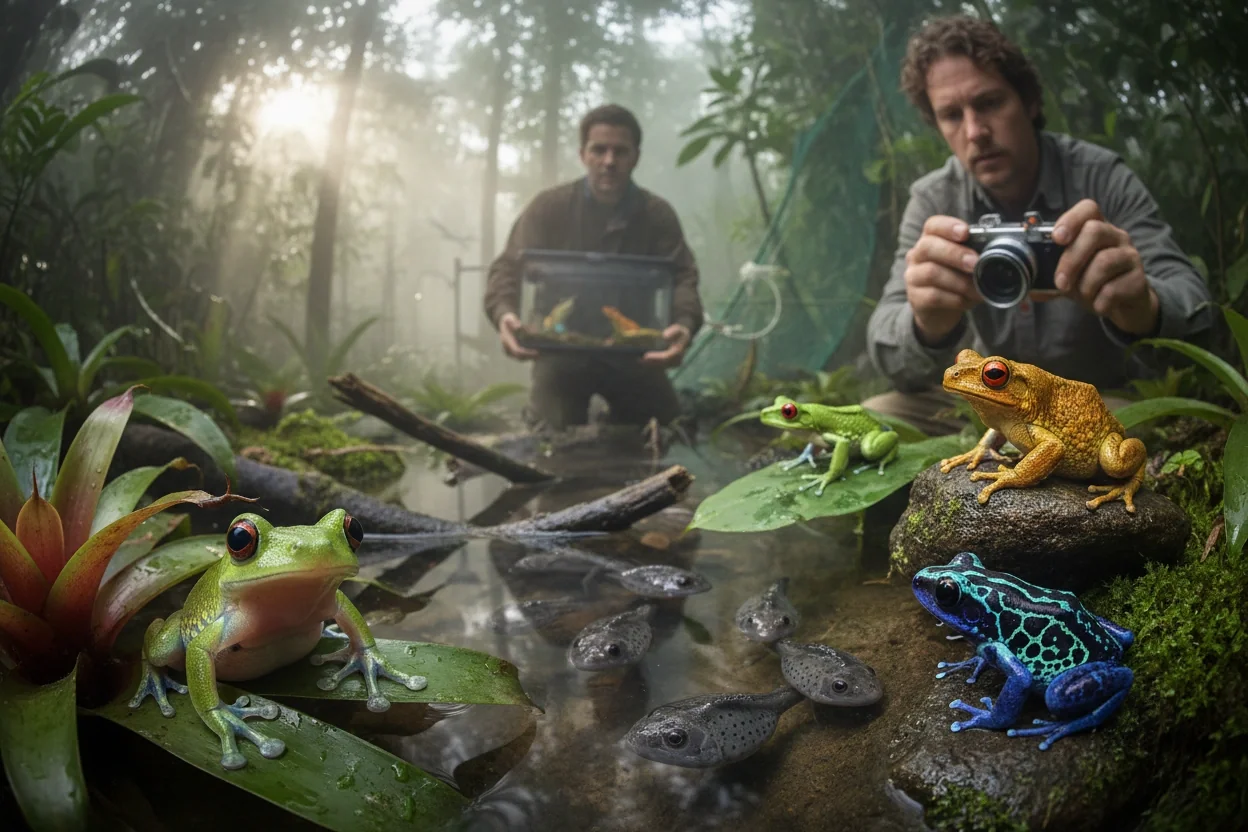
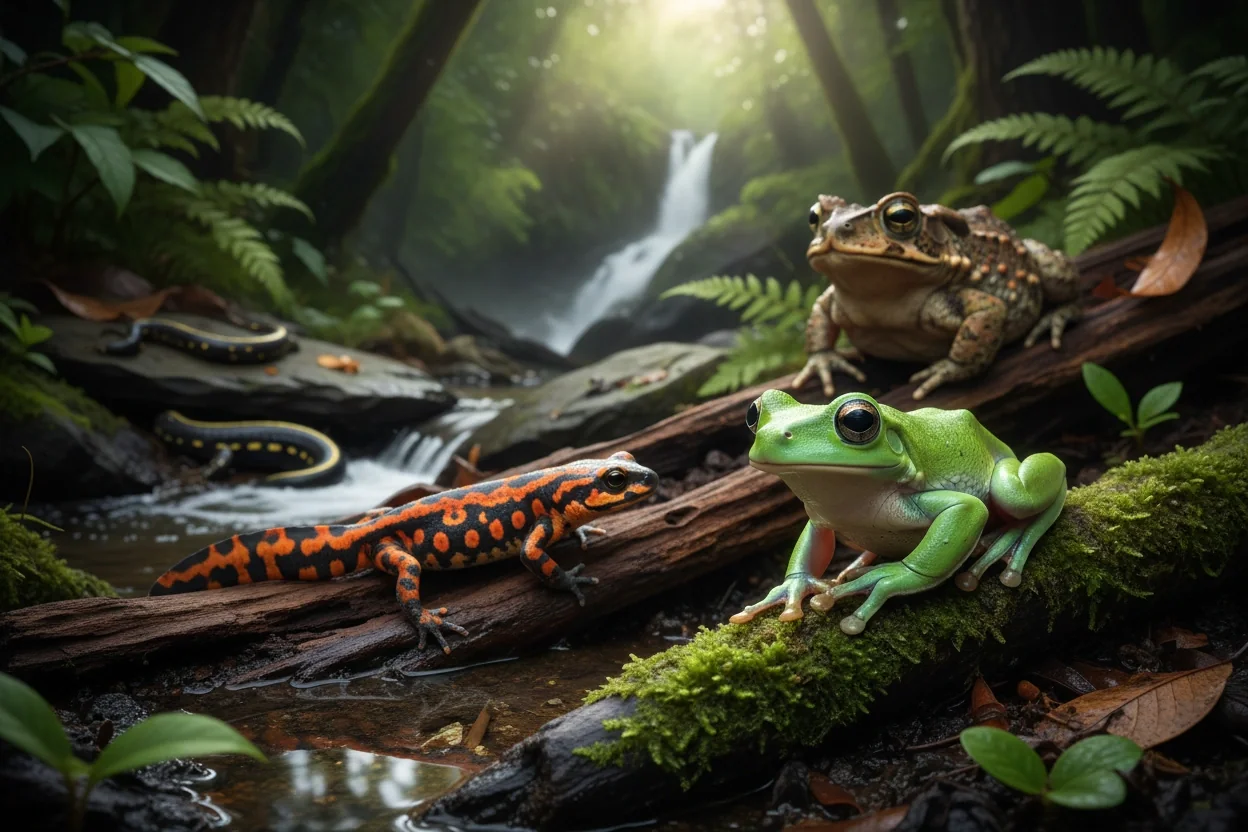
Amphibians are a fascinating and diverse group of animals that play crucial roles in ecosystems worldwide. With over 8,000 species, they include frogs, toads, salamanders, and newts. These creatures are not only important for their ecological functions but also serve as indicators of environmental health. For beginners looking to understand these captivating animals, this guide will provide valuable insights into identifying common amphibian species, their habitats, and the conservation efforts necessary to protect them.
Understanding Amphibians
What are Amphibians?
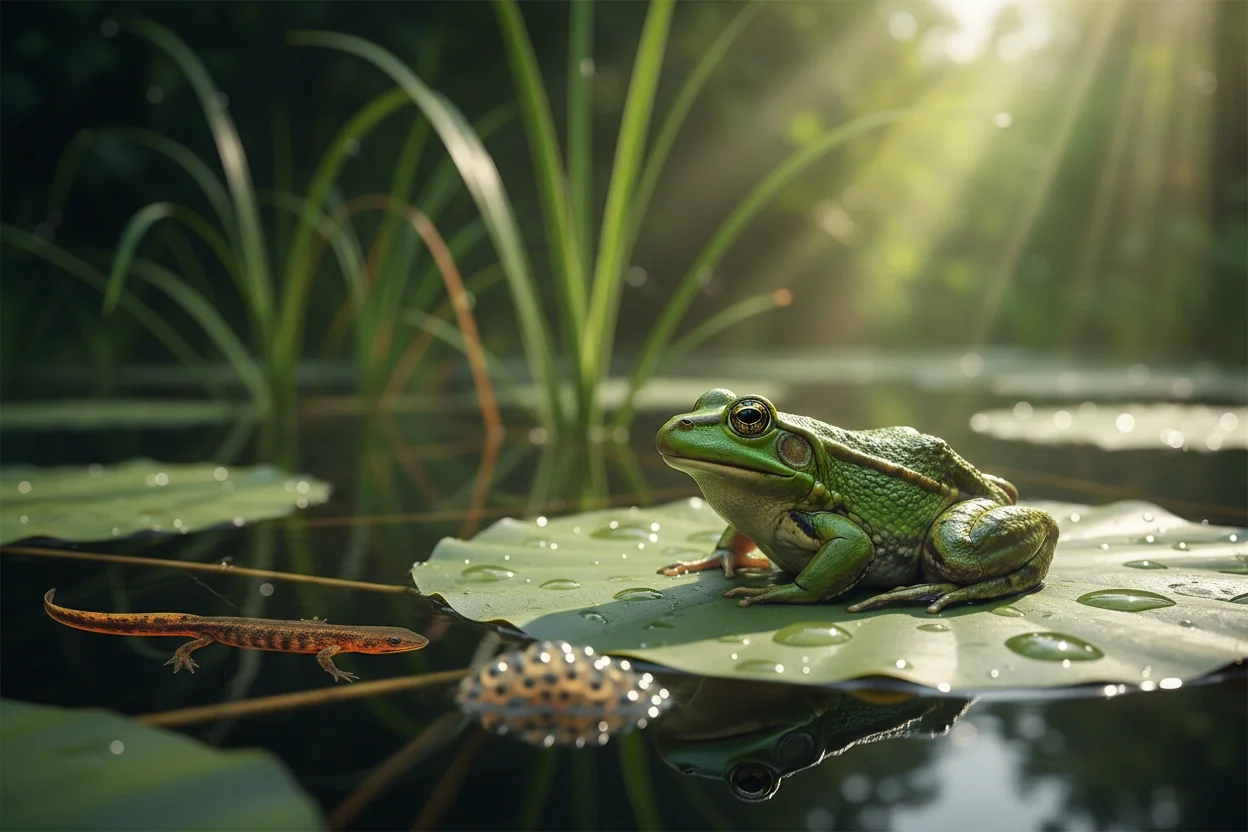
Amphibians are cold-blooded vertebrates that typically undergo metamorphosis from a juvenile aquatic stage to an adult terrestrial stage. They have unique skin that allows for respiration and moisture absorption, which makes them particularly vulnerable to environmental changes. Common characteristics of amphibians include:
-
Moist skin that aids in respiration
-
A life cycle that includes both aquatic and terrestrial phases
-
The ability to lay eggs in water
Understanding these traits is crucial for identifying and appreciating various amphibian species.
The Importance of Amphibians
Amphibians serve multiple roles within their ecosystems. They are crucial for pest control, as many species feed on insects and other invertebrates. Additionally, they act as prey for various predators, including birds, mammals, and reptiles, thus contributing to the food web. Their sensitivity to environmental changes makes them excellent bioindicators, alerting scientists and conservationists to issues like pollution and climate shifts.
Identifying Common Amphibian Species
Key Characteristics to Look For
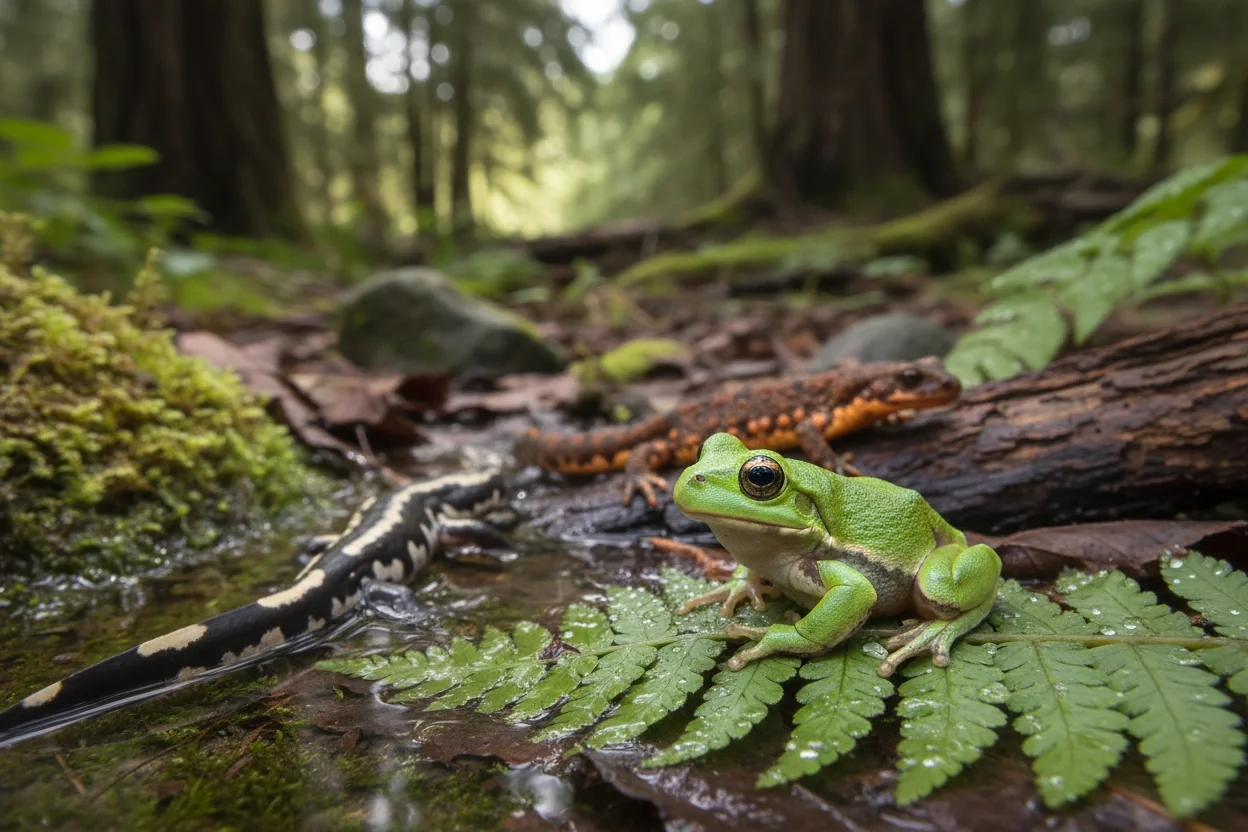
When identifying amphibians, consider the following characteristics:
-
Body Shape: Frogs typically have a more elongated body compared to the stout bodies of toads.
-
Skin Texture: Frogs usually have smooth, moist skin, while toads tend to have dry, warty skin.
-
Coloration: Many amphibians exhibit bright colors as a warning to predators, while others may have camouflage patterns to blend in with their surroundings.
-
Limbs: Frogs have long hind limbs adapted for jumping, while toads have shorter limbs.
Common Amphibian Species
Here are some of the most commonly encountered amphibians:
-
American Bullfrog (Lithobates catesbeianus)
-
Characteristics: Large size, smooth skin, green or brown coloration with dark spots.
-
Habitat: Found in ponds, lakes, and slow-moving rivers.
-
-
Eastern Gray Tree Frog (Hyla versicolor)
-
Characteristics: Small size, bumpy skin, variable color ranging from gray to green.
-
Habitat: Prefers wooded areas near water sources.
-
-
Common Toad (Bufo bufo)
-
Characteristics: Stout body, dry warty skin, typically brown or olive in color.
-
Habitat: Found in gardens, woodlands, and wetlands.
-
-
Red-Eyed Tree Frog (Agalychnis callidryas)
-
Characteristics: Bright green body, red eyes, blue and yellow stripes on the sides.
-
Habitat: Tropical rainforests, usually near water.
-
-
Spotted Salamander (Ambystoma maculatum)
-
Characteristics: Dark blue-black body with yellow or white spots.
-
Habitat: Forests, especially near vernal pools.
-
Frog Habitats
Understanding the habitats of amphibians is essential for proper identification and conservation. Common frog habitats include:
-
Ponds and Lakes: These aquatic environments are crucial for breeding and provide ample food sources.
-
Wetlands: Marshes and swamps are rich in biodiversity and serve as vital ecosystems for many amphibian species.
-
Forests: Tree frogs often inhabit the upper canopies, while ground-dwelling species may be found in leaf litter.
Top 10 Amphibian Conservation Efforts to Support
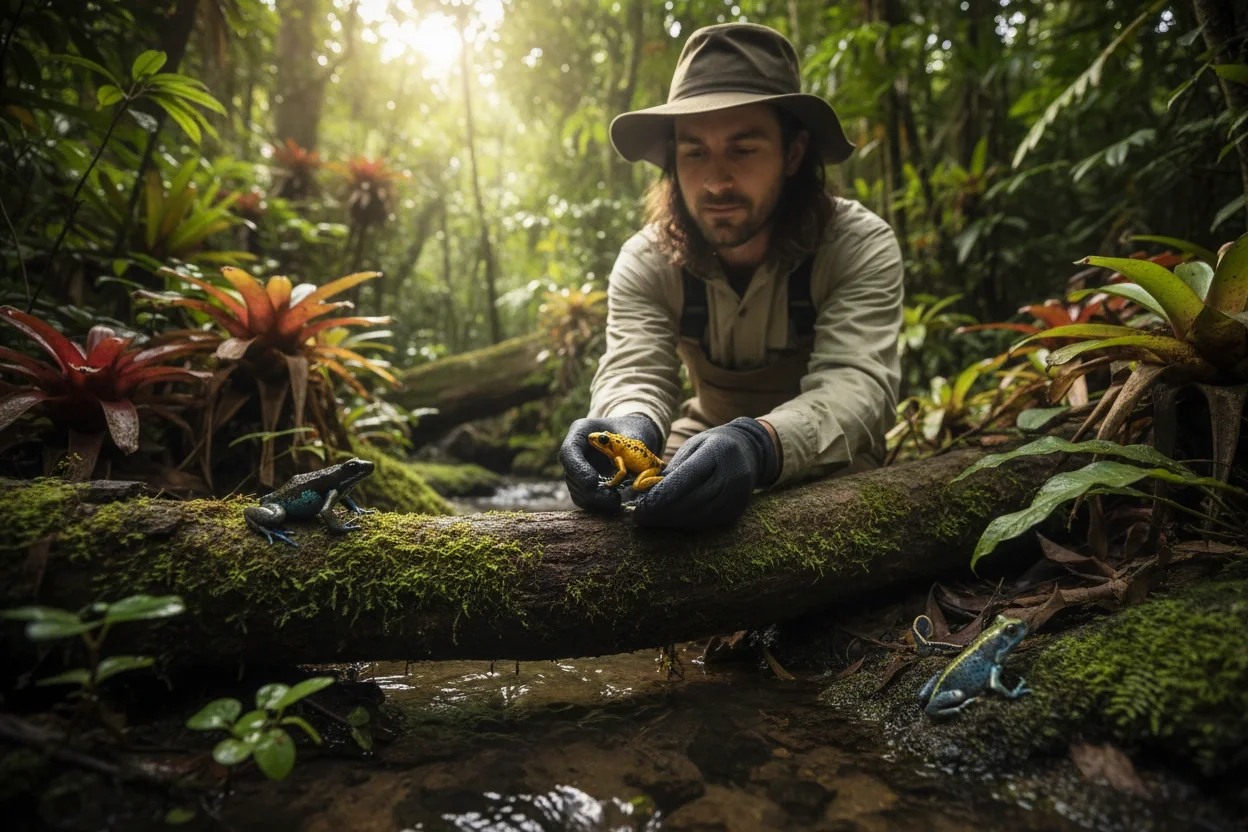
With amphibian populations declining globally, supporting conservation efforts is vital. Here are ten impactful initiatives:
-
Habitat Restoration
- Efforts to restore wetlands and other critical habitats can significantly benefit amphibian populations.
-
Pollution Control
- Reducing chemical runoff and improving water quality in aquatic ecosystems is crucial for amphibian health.
-
Captive Breeding Programs
- Many organizations run captive breeding programs to help endangered species recover.
-
Public Education Campaigns
- Educating the public about the importance of amphibians fosters greater support for conservation initiatives.
-
Legislation and Policy Advocacy
- Supporting laws that protect amphibian habitats and populations is essential for long-term conservation.
-
Research and Monitoring
- Ongoing research helps track amphibian populations and understand threats they face.
-
Invasive Species Management
- Controlling invasive species that threaten native amphibians can help preserve biodiversity.
-
Community Engagement
- Local communities can participate in amphibian monitoring and habitat restoration projects.
-
Sustainable Land Use Practices
- Promoting practices that minimize habitat destruction can help protect amphibian populations.
-
Support for Organizations
- Donating to or volunteering with organizations dedicated to amphibian conservation can make a significant impact.
Common Misconceptions About Amphibians
Amphibians are Dangerous
A prevalent misconception is that all amphibians are poisonous or dangerous. While some species possess toxins, most are harmless to humans and play essential roles in their ecosystems.
Amphibians are Not Affected by Climate Change
Another common myth is that amphibians are resilient to climate change. In reality, amphibians are highly sensitive to temperature and moisture changes, making them vulnerable to climate shifts.
Amphibians Are Only Found in Wet Areas
While many amphibians prefer wet habitats, some species can thrive in drier environments. Understanding the diversity of amphibian habitats is crucial for their conservation.
The Role of the Banana Slug Club in Amphibian Conservation
The Banana Slug Club is dedicated to promoting awareness and conservation of amphibians and their habitats. By providing resources and support for educational initiatives, the club fosters a deeper understanding of these creatures among the public.
How You Can Get Involved
You can contribute to amphibian conservation efforts in various ways:
-
Participate in Local Conservation Projects: Join local initiatives focused on habitat restoration and monitoring amphibian populations.
-
Support Educational Programs: Engage with organizations like the Banana Slug Club that emphasize the importance of amphibian conservation.
-
Spread Awareness: Share information about amphibians and their conservation needs within your community.
Discovering the World of Amphibians with Banana Slug Club
Amphibians are extraordinary creatures that enrich our ecosystems and offer a glimpse into the delicate balance of nature. By learning to identify common species and understanding their habitats, you can play a role in their conservation. The Banana Slug Club provides resources and opportunities to engage in amphibian conservation efforts.
If you’re passionate about protecting amphibians and want to learn more about how you can contribute, visit the Banana Slug Club today. Together, we can make a difference for these vital species and their habitats.
Join the Banana Slug Club!
Get free resources, early access to new features and updates. No spam. Just fun educational emails!
Share this article: