Essential Techniques for Maximizing Crustaceans Yield
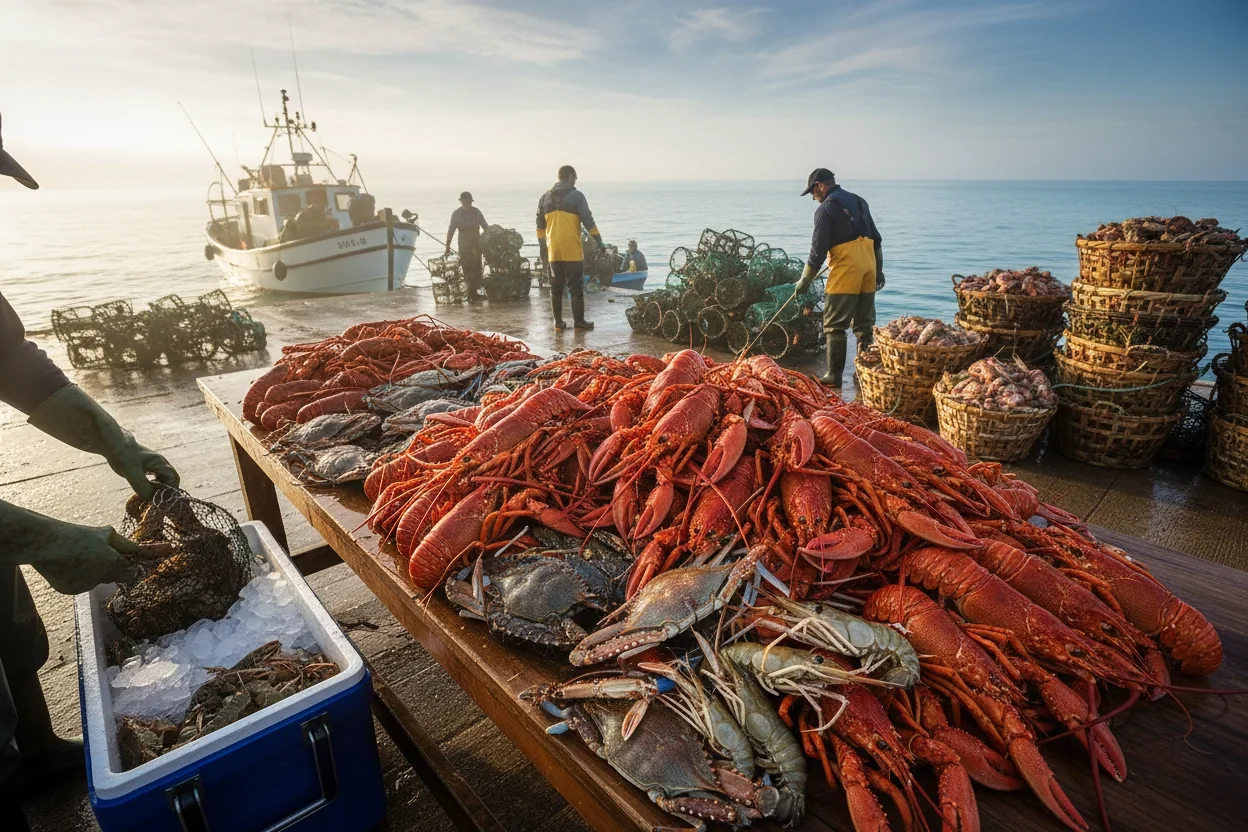
Crustaceans are a vital component of marine ecosystems and play a significant role in the global economy, particularly in the seafood industry. As of 2026, the demand for crustaceans continues to rise, making it essential for aquaculture operations and fishers to adopt effective strategies to maximize their yield. This article delves into essential techniques that can enhance crustacean production, providing insights for both commercial operations and individual enthusiasts.
Understanding Crustaceans and Their Importance
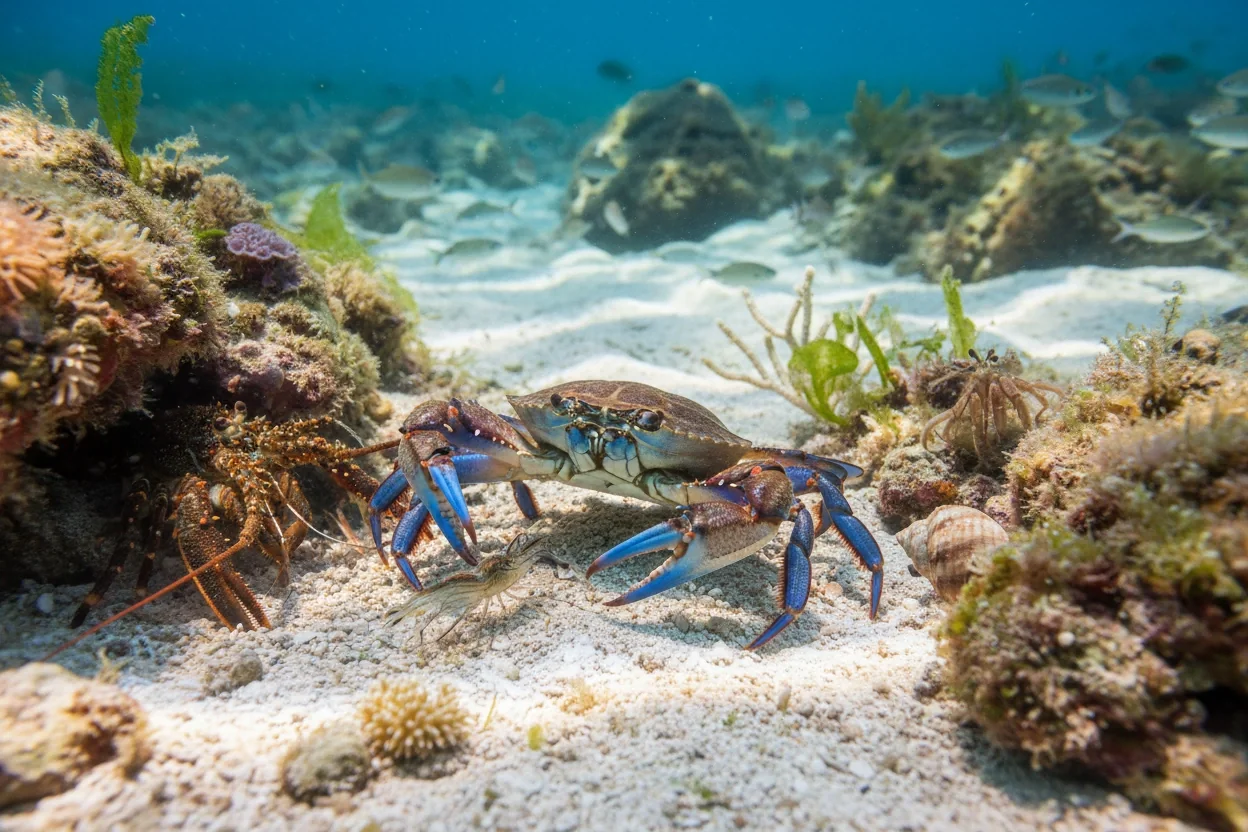
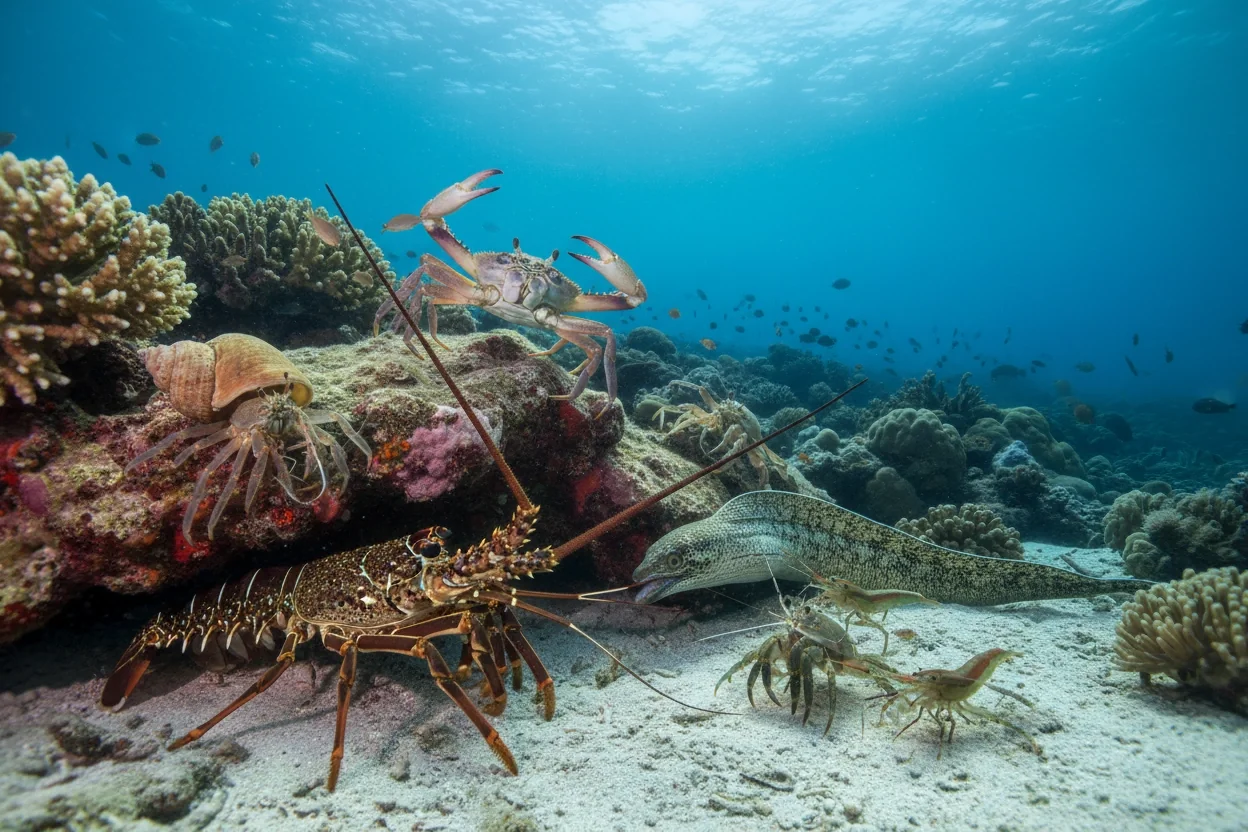
Crustaceans are a diverse group of arthropods that include species such as shrimp, crabs, lobsters, and crayfish. These creatures are not only a source of food for humans but also serve as crucial links in aquatic food webs. Understanding the biology, habitat, and lifecycle of crustaceans is essential for anyone involved in their farming or harvesting.
The Economic Value of Crustaceans
The global crustacean market is worth billions, with shrimp alone accounting for a significant share of seafood consumption. In 2025, global shrimp production was approximately 4.5 million metric tons, highlighting the importance of sustainable practices in aquaculture to meet the increasing demand. Crustaceans also support countless jobs in fishing, farming, and processing industries, making them integral to many coastal economies.
Key Factors Influencing Crustacean Yield
Several factors influence the yield of crustaceans, including water quality, temperature, salinity, and feeding practices. Each species has its specific environmental requirements, and understanding these factors is crucial for maximizing production. Regular monitoring and management of these variables can lead to significant improvements in yield.
Top Crustaceans Strategies
To maximize the yield of crustaceans, it is important to implement effective management strategies. Below are some of the most effective techniques:
-
Optimize Water Quality
-
Maintaining optimal water quality is essential for the health and growth of crustaceans. Key parameters include temperature, salinity, dissolved oxygen, and pH levels. Regular testing and adjustments can prevent stress and disease.
-
Implementing biofiltration systems can help maintain water quality and reduce the accumulation of harmful substances.
-
-
Implement Sustainable Feeding Practices
-
Proper nutrition is critical for the growth and health of crustaceans. Using high-quality feed that meets the specific dietary needs of each species can enhance growth rates and overall yield.
-
Consider using natural feed sources, such as microalgae and zooplankton, which can improve the nutritional profile of the diet and promote better health.
-
-
Enhance Habitat Conditions
-
Crustaceans thrive in environments that mimic their natural habitats. Providing structures such as artificial reefs or substrates can enhance survival rates and encourage natural behaviors, leading to higher yields.
-
Regularly cleaning and maintaining the habitat can prevent the buildup of waste and disease.
-
-
Utilize Breeding Techniques
-
Selective breeding can significantly improve the yield of crustaceans. By choosing individuals with desirable traits, such as faster growth rates or disease resistance, farmers can enhance their stock.
-
Implementing controlled breeding programs can also help maintain genetic diversity and resilience in crustacean populations.
-
-
Monitor and Manage Diseases
-
Disease management is crucial in crustacean farming. Regular health assessments and monitoring for signs of disease can help identify issues early.
-
Implementing biosecurity measures, such as quarantining new stock and maintaining clean equipment, can prevent disease outbreaks.
-
Common Mistakes in Crustacean Yield Management
Even seasoned operators can fall prey to common pitfalls when managing crustacean yields. Awareness of these mistakes can help avoid costly setbacks.
-
Neglecting water quality testing can lead to undetected issues that impact crustacean health.
-
Overfeeding or underfeeding can disrupt growth and lead to waste accumulation, affecting water quality.
-
Failing to monitor for diseases can result in widespread outbreaks that devastate populations.
Actionable Insights for Crustacean Enthusiasts
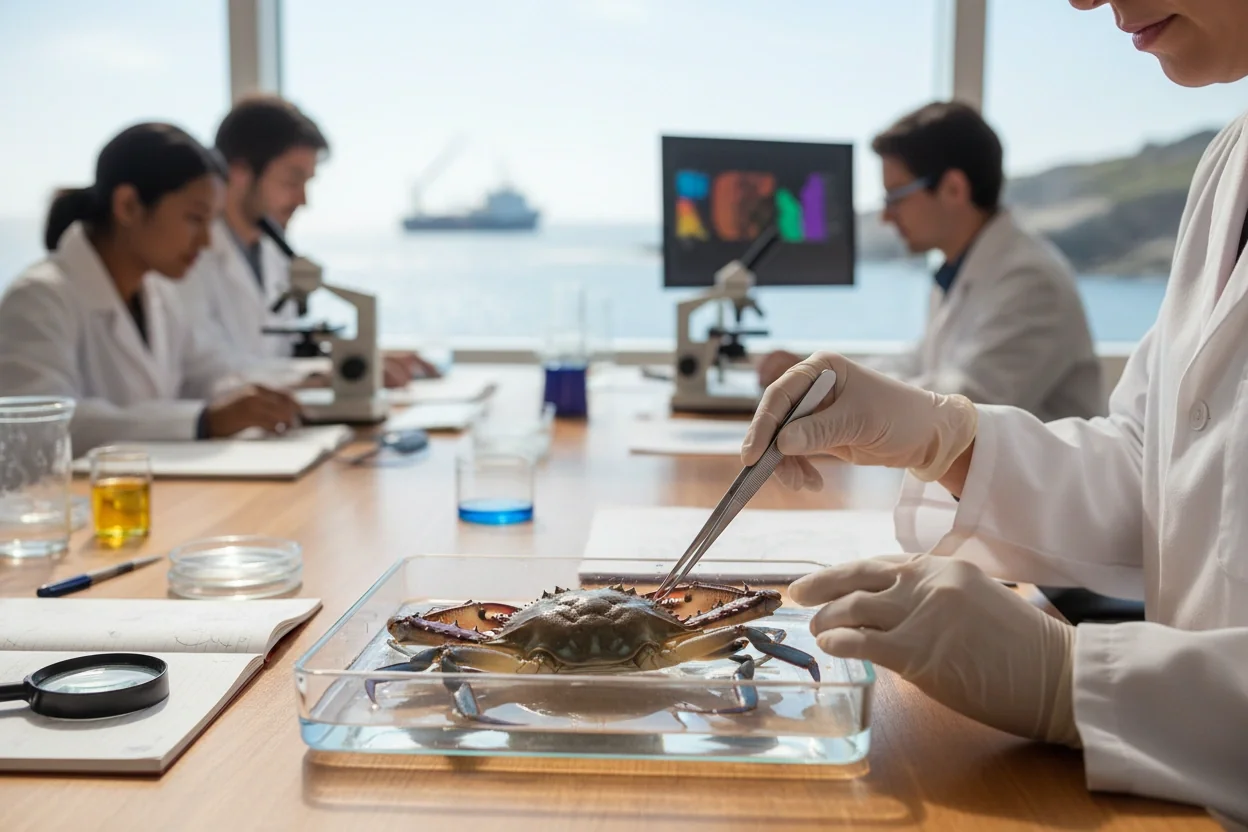
Whether you are a commercial operator or a hobbyist, implementing the right strategies can lead to improved crustacean yields. Here are some actionable insights:
Regular Monitoring and Maintenance
Establish a routine for testing water quality and checking the health of your crustaceans. Keeping detailed records can help identify patterns and inform management decisions.
Invest in Quality Equipment
Utilizing high-quality tanks, filtration systems, and monitoring tools can create a stable environment for crustaceans. This investment pays off in the form of increased yields and healthier populations.
Join Community Resources
Engaging with local aquaculture communities or online forums can provide valuable insights and support. Sharing experiences and strategies with others can lead to new ideas and improvements.
Educate Yourself Continuously
Stay updated on the latest research and advancements in crustacean farming. Attending workshops, webinars, and conferences can expand your knowledge and enhance your practices.
The Role of Technology in Crustacean Farming
As technology advances, so do the methods for maximizing crustacean yield. Various innovative tools and techniques are now available to enhance production efficiency.
Automated Monitoring Systems
Automated systems for monitoring water quality can provide real-time data, allowing for quick adjustments to maintain optimal conditions. This technology reduces the labor required for manual testing and ensures a more stable environment.
Data Analytics
Utilizing data analytics can help farmers make informed decisions based on trends and patterns observed in their operations. By analyzing growth rates, feeding efficiencies, and health records, operators can fine-tune their practices for better results.
Sustainable Practices
Integrating sustainable practices, such as recirculating aquaculture systems (RAS), can minimize environmental impacts while maximizing yields. These systems recycle water and waste, reducing the need for water exchange and improving resource efficiency.
The Future of Crustacean Yield Optimization
Looking ahead, the optimization of crustacean yields will continue to evolve. As the demand for sustainable seafood increases, the industry must adapt to meet these needs while ensuring ecological balance.
Emphasis on Sustainability
Sustainable practices will become increasingly important as consumers seek responsibly sourced seafood. Implementing eco-friendly techniques can enhance marketability and consumer trust.
Research and Development
Investing in research and development will be crucial for discovering new methods and technologies for crustacean farming. Collaboration between universities, research institutions, and the industry can foster innovation.
Global Collaboration
As crustacean farming becomes a global industry, international collaboration will play a significant role in addressing challenges and sharing best practices. Engaging in global networks can provide access to resources and knowledge that benefit all stakeholders.
Maximizing Crustaceans Yield with Banana Slug Club
The knowledge gained about crustaceans and the techniques for maximizing their yield are invaluable for anyone involved in this sector. As you implement these strategies, consider how organizations like the Banana Slug Club can support your efforts.
The Banana Slug Club is dedicated to promoting sustainable practices and providing resources for crustacean enthusiasts and professionals alike. Whether you are looking for expert advice, community engagement, or the latest research, the Banana Slug Club can be a vital partner in your crustacean farming journey.
To explore more about maximizing your crustacean yield and to access valuable resources, visit Banana Slug Club today. Your journey toward sustainable and productive crustacean farming begins with the right support and knowledge.
Join the Banana Slug Club!
Get free resources, early access to new features and updates. No spam. Just fun educational emails!
Share this article: