Comparing Common Reptile Species: Which Pet Is Best for You?
Reptiles have long captivated the interest of pet enthusiasts, offering a unique alternative to traditional pets like dogs and cats. Their diverse range of species, each with distinct characteristics and care requirements, makes them an appealing choice for many animal lovers. As of September 2026, understanding the common reptiles that can be kept as pets is crucial for potential owners looking to make informed decisions. In this article, we will explore various reptile species, their needs, and how to determine which one may be the best fit for your lifestyle.
Understanding Reptiles as Pets
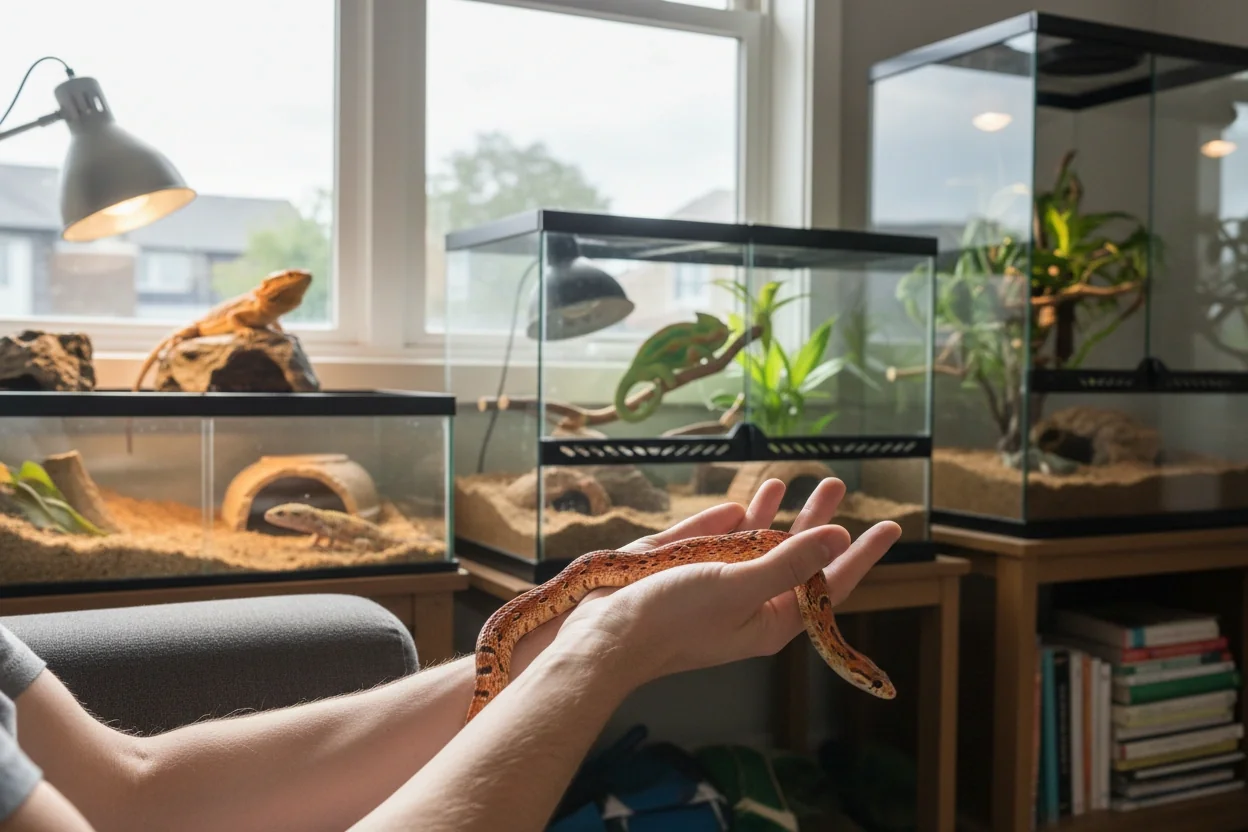
Reptiles are cold-blooded animals belonging to the class Reptilia, which includes snakes, lizards, turtles, and tortoises. They are often chosen as pets for their unique appearances and behaviors, as well as their relatively low maintenance compared to mammals. However, this does not mean that reptiles do not require proper care and attention. Each species has specific habitat, dietary, and social needs that must be met to ensure their well-being.
When considering a reptile as a pet, it’s essential to research and understand the specific requirements of the species you are interested in. Factors such as habitat size, temperature control, humidity levels, and dietary needs are crucial for maintaining a healthy environment for your reptile. Additionally, potential pet owners should consider their own lifestyle, as some reptiles require more attention and interaction than others.
Common Misconceptions About Reptiles
Many people harbor misconceptions about reptiles that can lead to poor choices when selecting a pet. Here are some of the most common myths:
-
Reptiles are low-maintenance pets: While some reptiles may require less daily care than dogs or cats, they still need specific environmental conditions and diets. Neglecting these needs can lead to serious health issues.
-
All reptiles are dangerous: While some species, particularly certain snakes, can pose risks, many reptiles are docile and safe for handling. Education about specific species is key to dispelling this myth.
-
Reptiles do not bond with their owners: Many reptiles can develop a level of familiarity with their owners, recognizing them and responding to their presence, especially if handled regularly.
Top 10 Common Reptiles for Pet Owners
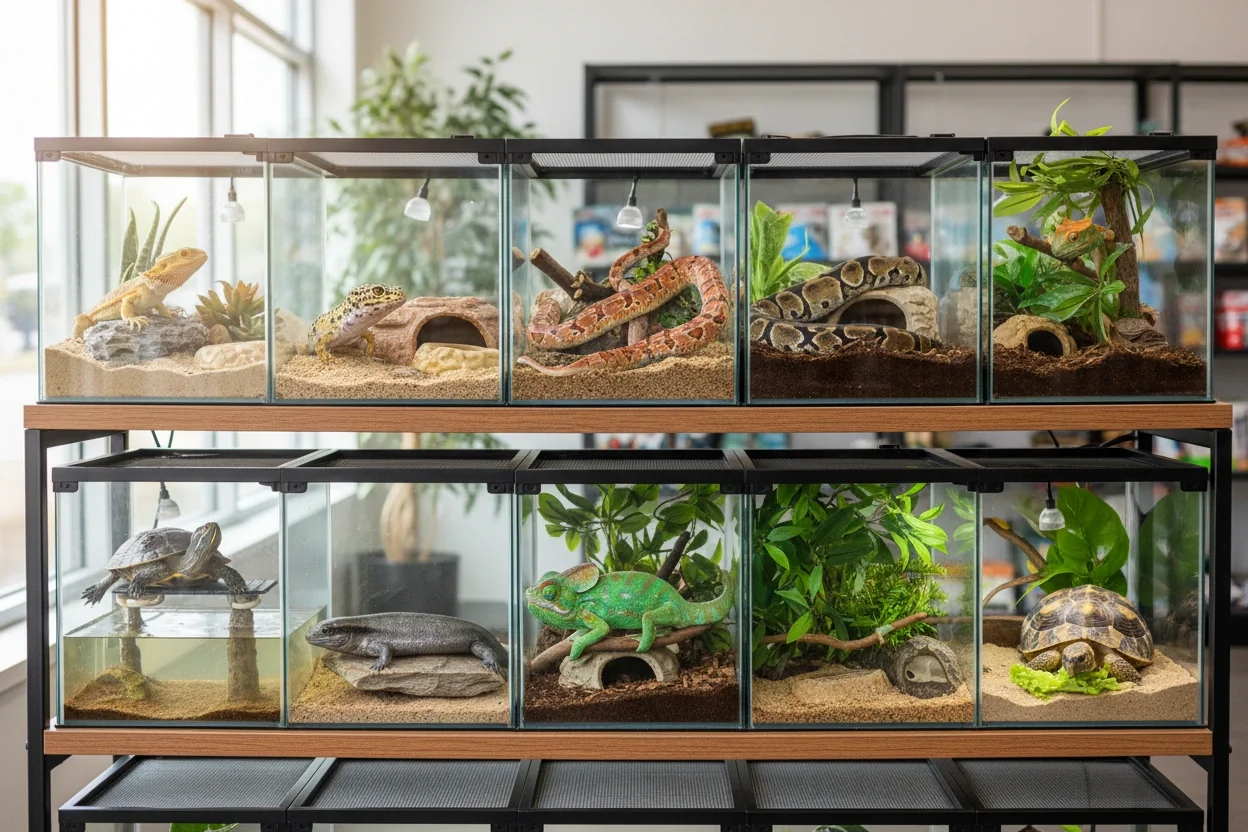
When selecting a reptile, it is essential to choose a species that fits your lifestyle and experience level. Below is a list of ten common reptiles that are popular among pet owners:
-
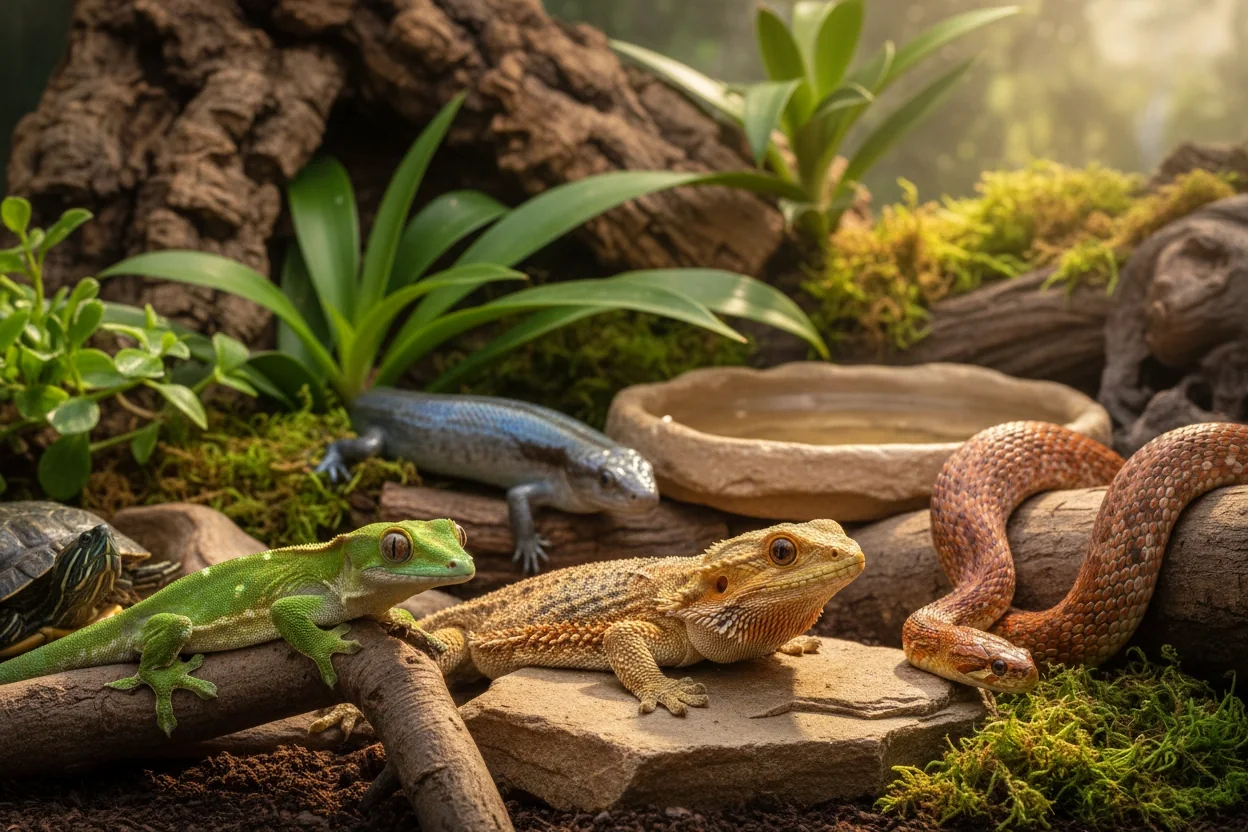
Bearded Dragon Bearded dragons are friendly, easy to handle, and enjoy social interaction. They thrive in a terrarium that mimics their natural habitat, requiring a heat source and UVB lighting.
-
Leopard Gecko Known for their docile nature, leopard geckos are small and relatively easy to care for. They can thrive in a smaller enclosure and require a simple diet of insects.
-
Corn Snake Corn snakes are one of the most popular pet snakes due to their calm demeanor and vibrant colors. They require a larger enclosure as they grow and thrive on a diet of rodents.
-
Ball Python Ball pythons are known for their gentle nature and unique patterns. They are relatively low-maintenance but require a secure enclosure and proper temperature regulation.
-
Red-Eared Slider These turtles are popular for their vibrant coloration and active personalities. They need a water source for swimming and basking areas to regulate their temperature.
-
Russian Tortoise Russian tortoises are hardy and can live for decades. They require a spacious outdoor area or a large indoor habitat with proper lighting and a diet rich in greens.
-
Blue-Tongue Skink With their distinctive blue tongues, these skinks are friendly and easy to handle. They require a spacious enclosure with both hiding spots and basking areas.
-
Chameleon Chameleons are known for their ability to change color and unique appearance. They require specialized care, including humidity control and a well-planted enclosure.
-
Green Anole These small lizards are active and can be entertaining to watch. They require a humid environment and thrive on a diet of insects.
-
Iguana Iguanas can grow large and require significant space and a specialized diet. They are social animals that can bond with their owners but need careful handling.
Factors to Consider When Choosing a Reptile
Selecting the right reptile involves understanding several critical factors. Here are some essential considerations:
-
Space Requirements: Ensure you have adequate space for the reptile’s habitat, which may vary significantly between species.
-
Temperature and Humidity Needs: Different reptiles have varying needs for temperature and humidity, which are crucial for their health and well-being.
-
Dietary Needs: Some reptiles are carnivorous, while others are herbivorous or omnivorous. Understanding their dietary requirements is essential for proper care.
-
Lifespan: Many reptiles can live for many years, with some tortoises living for over fifty years. Consider the long-term commitment involved in reptile ownership.
-
Experience Level: Some reptiles are better suited for beginners, while others may require more advanced care techniques.
Top 10 Endangered Reptile Species and Their Conservation
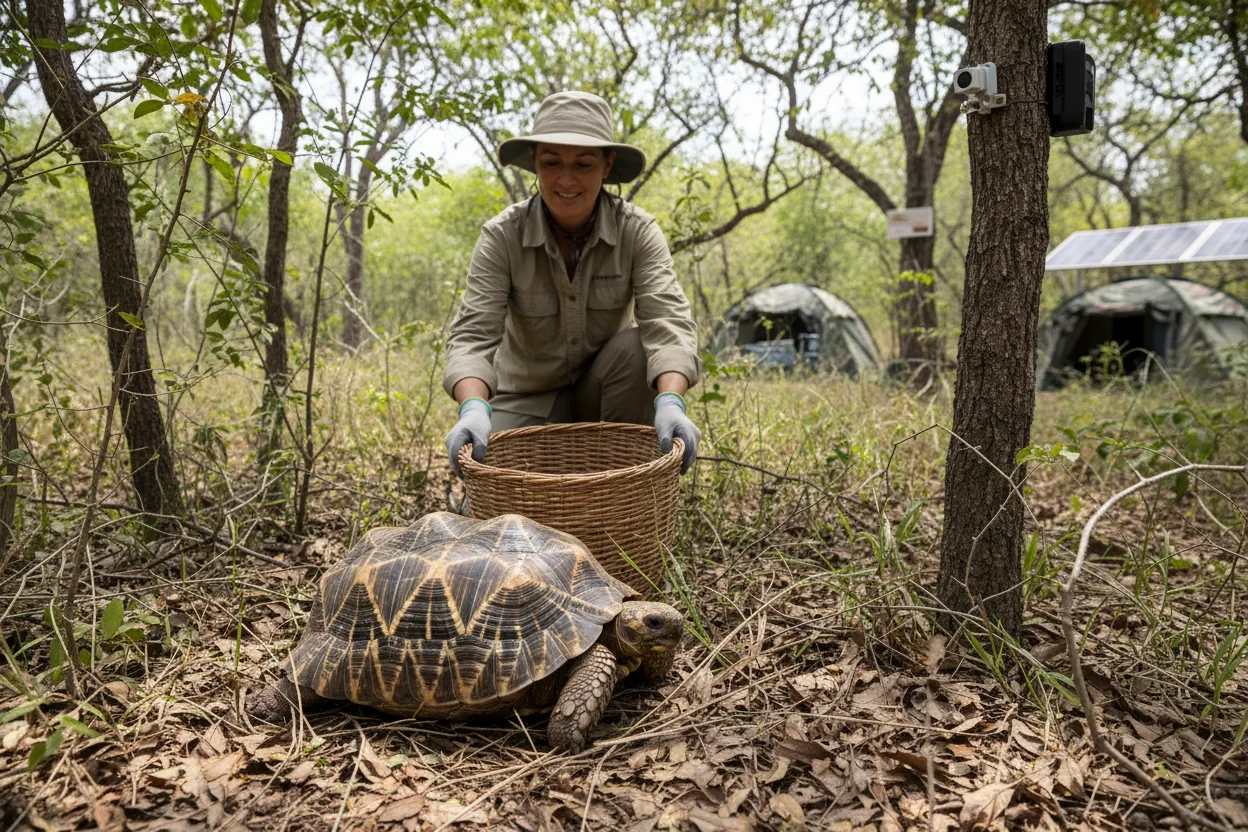
While many reptiles are kept as pets, numerous species are facing threats due to habitat loss, climate change, and poaching. Understanding endangered reptiles and their conservation is vital for promoting biodiversity and protecting these fascinating creatures. Here are ten endangered reptile species and the challenges they face:
-
Hawksbill Sea Turtle (Eretmochelys imbricata) Hawksbill turtles are critically endangered due to illegal trade for their shells and loss of nesting habitats. Conservation efforts include protecting nesting sites and reducing bycatch in fishing.
-
Burmese Python (Python bivittatus) Invasive populations of Burmese pythons threaten native wildlife in Florida. Conservation efforts focus on controlling their population and protecting native species.
-
Gharial (Gavialis gangeticus) This critically endangered crocodilian is threatened by habitat loss and hunting. Conservation efforts aim to restore river habitats and protect nesting sites.
-
Aldabra Giant Tortoise (Aldabrachelys gigantea) Once at risk from hunting, this tortoise has seen population recovery due to conservation measures. Continued habitat protection is vital for their survival.
-
Eastern Box Turtle (Terrapene carolina) Habitat destruction and road mortality have led to population declines in box turtles. Conservation initiatives focus on habitat restoration and road safety measures.
-
Psychedelic Rock Gecko (Cnemaspis psychedelica) This gecko is threatened by habitat loss due to deforestation and illegal pet trade. Conservation efforts include habitat protection and legal enforcement against poaching.
-
Philippine Crocodile (Crocodylus mindorensis) Critically endangered, the Philippine crocodile faces threats from habitat loss and hunting. Conservation programs focus on habitat restoration and community education.
-
Bornean Earless Monitor Lizard (Lanthanotus borneensis) This rare lizard is endangered due to habitat destruction. Conservation efforts focus on habitat protection and research to better understand their ecology.
-
Iberian Midwife Toad (Alytes cisternasii) This amphibian is at risk due to habitat loss and climate change. Conservation efforts include habitat restoration and captive breeding programs.
-
Anguilla anguilla (European Eel) This species is critically endangered due to overfishing and habitat loss. Conservation measures focus on habitat restoration and sustainable fishing practices.
Conservation Strategies for Reptile Species
Conservation efforts are crucial for protecting endangered reptiles. Here are some effective strategies:
-
Habitat Protection: Preserving natural habitats is essential for the survival of many reptile species. This can involve establishing protected areas and enforcing anti-deforestation laws.
-
Education and Awareness: Raising awareness about the importance of reptiles and their conservation can encourage responsible pet ownership and habitat protection.
-
Legal Protection: Enforcing laws against poaching and illegal trade is vital for protecting endangered species.
-
Research and Monitoring: Ongoing research helps understand the needs of reptile species and informs conservation strategies.
The Role of Responsible Pet Ownership
Responsible pet ownership plays a significant role in reptile conservation. Potential reptile owners should consider adopting reptiles from reputable breeders or rescue organizations rather than purchasing from pet stores that may source animals from the wild. This helps reduce the demand for wild-caught reptiles, which can further threaten endangered species.
Additionally, educating oneself about proper care and the ecological impact of owning a reptile can contribute to better conservation practices. Responsible owners can also participate in local conservation efforts, such as habitat restoration projects or community education programs.
Embracing the World of Reptiles
Reptiles can be fascinating and rewarding pets for those willing to invest the time and effort into their care. By understanding the various species, their needs, and the importance of reptile conservation, potential owners can make informed decisions that benefit both themselves and the reptiles they choose to keep.
The Intersection of Reptiles and Conservation with Banana Slug Club
In exploring the world of reptiles, we have uncovered the significance of understanding common reptiles and their conservation. Reptiles offer a unique opportunity for pet ownership while highlighting the importance of biodiversity and environmental stewardship. At Banana Slug Club, we are passionate about educating our community on the importance of reptile conservation and responsible pet ownership.
We encourage you to explore our resources and connect with us to learn more about how you can contribute to reptile conservation efforts. Whether you are considering adopting a reptile or simply want to learn more about these incredible creatures, Banana Slug Club is here to help.
For more information and to get involved, visit Banana Slug Club and join us in making a difference for reptiles and their habitats.
Join the Banana Slug Club!
Get free resources, early access to new features and updates. No spam. Just fun educational emails!
Share this article: