Amphibians in Folklore: Myths, Legends, and Cultural Impact
Amphibians, a diverse group of animals including frogs, toads, salamander species, and newts, have long captivated human imagination. Their unique life cycles, which often include both aquatic and terrestrial stages, lend them an air of mystery and adaptability. Throughout history, various cultures have woven amphibians into their folklore, attributing to them symbolic meanings and moral lessons. This article explores the rich tapestry of amphibian folklore, their cultural significance, and the pressing need for conservation efforts to protect these remarkable creatures.
The Role of Amphibians in Folklore

Symbolism and Cultural Significance
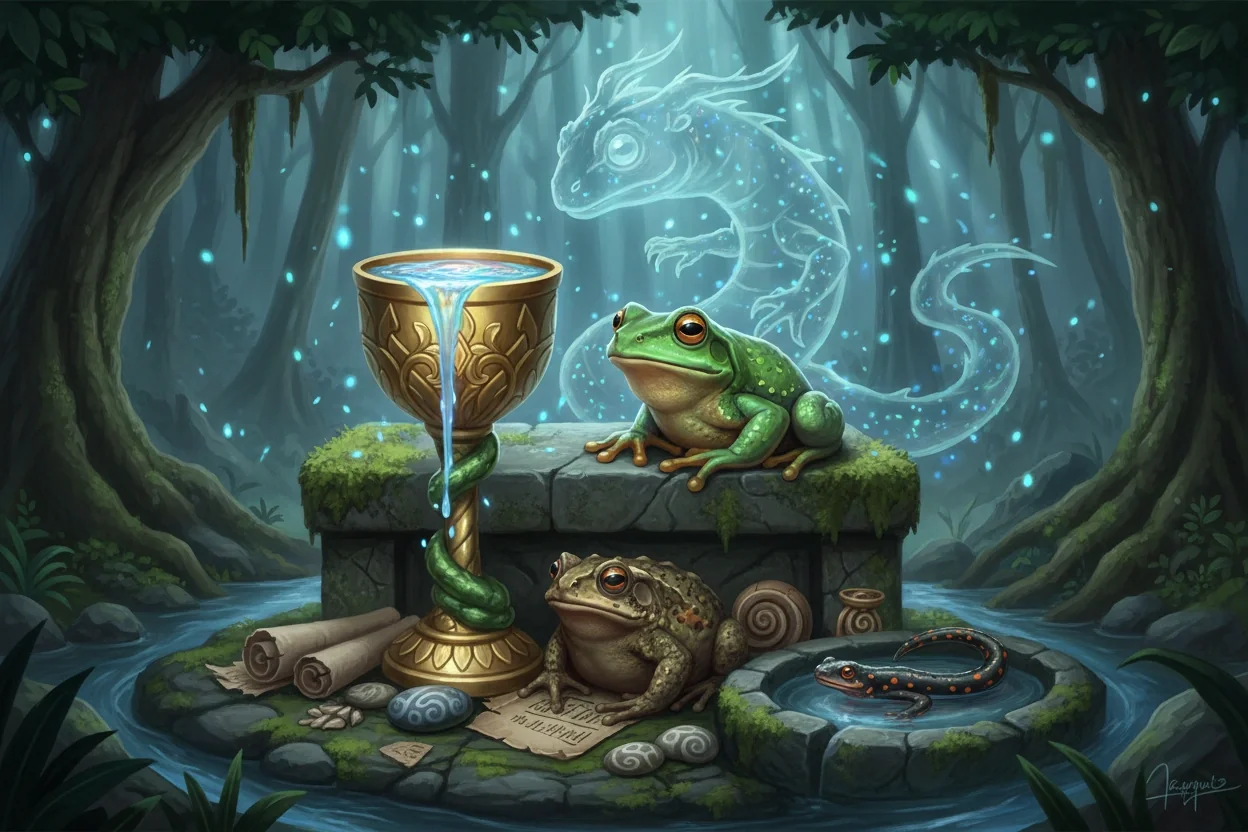
In many cultures, amphibians symbolize transformation and change. The metamorphosis from a tadpole to a frog is often seen as a metaphor for personal growth and renewal. For instance, in ancient Egyptian mythology, the frog was associated with fertility and rebirth, linked to the goddess Heket, who was depicted as a woman with a frog’s head. Similarly, in various Native American traditions, frogs are seen as rain-bringers, embodying the vital connection between water and life.
Moreover, amphibians often serve as messengers in folklore. Their croaks and calls are interpreted as omens or warnings, indicating changes in the environment or even human affairs. In some cultures, a frog’s presence is believed to bring good luck, while in others, it may signify impending misfortune. The duality of amphibian symbolism reflects their unique ecological roles and the complex relationships humans have with nature.
Myths and Legends
Across continents, amphibians have inspired numerous myths and legends. In European folklore, the tale of the frog prince highlights themes of transformation and the importance of looking beyond appearances. This story has permeated various cultures, emphasizing the moral that true beauty lies within.
In Asian cultures, frogs are often celebrated as symbols of prosperity and good fortune. In Chinese mythology, the three-legged toad, or Jin Chan, is revered for its ability to attract wealth and success. Statues of this toad are commonly placed in homes and businesses to invite financial blessings. These legends not only reflect the cultural values of the societies in which they arise but also illustrate the deep-rooted connections between amphibians and human experiences.
The Importance of Amphibians in Ecosystems
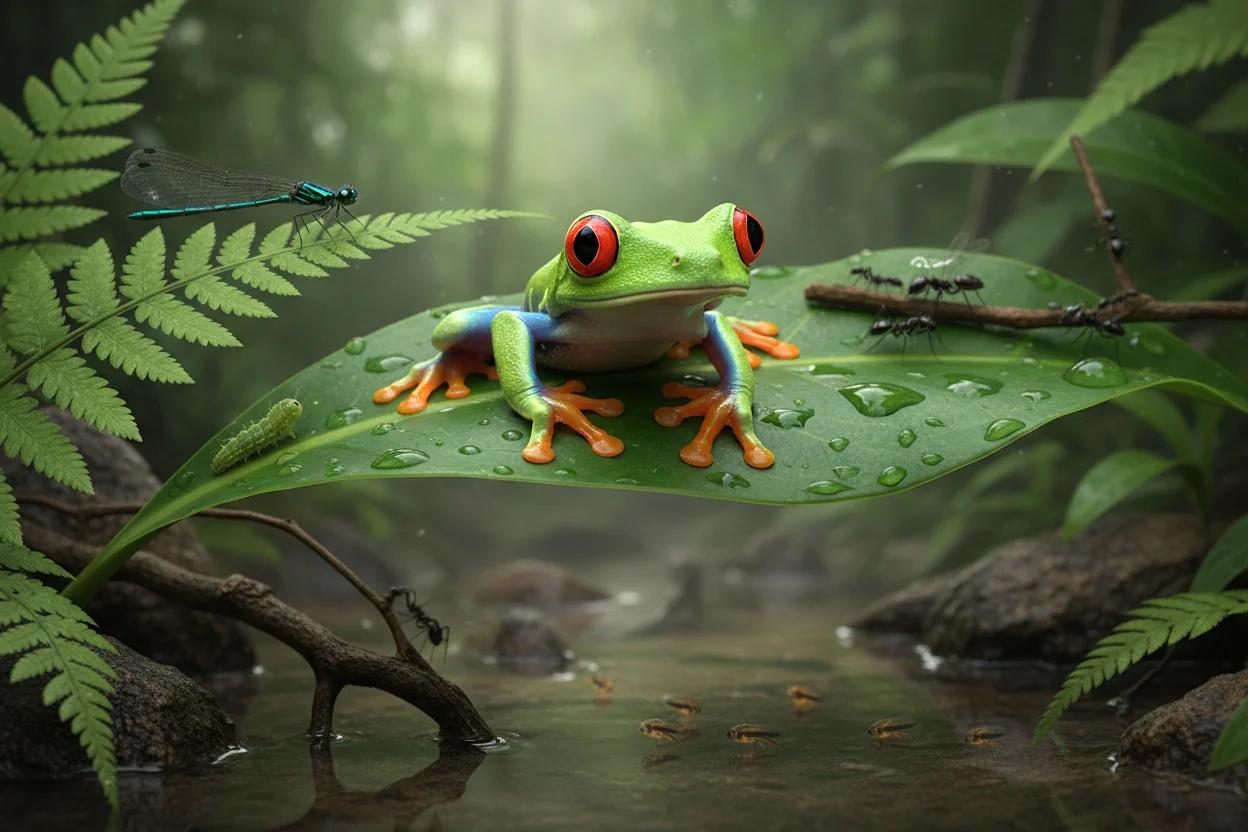
Amphibians play critical roles in ecosystems, serving as both predators and prey. They help control insect populations, which can be significant in agricultural contexts. Additionally, their permeable skin makes them sensitive indicators of environmental health. The decline of amphibian populations often signals broader ecological issues, such as pollution or habitat destruction. climate change effects.
Amphibian Habitats
Understanding frog habitats is essential to grasping their ecological importance. Amphibians are typically found in diverse environments, ranging from tropical rainforests to temperate woodlands. Key habitats include:
-
Freshwater bodies: Ponds, lakes, and streams provide breeding grounds and sustenance.
-
Wetlands: Marshes and swamps are crucial for their lifecycle, offering protection and food sources.
-
Terrestrial areas: Forests and grasslands are essential for adult amphibians, providing shelter and hunting grounds.
The preservation of these habitats is paramount for ensuring the survival of amphibian species, many of which are currently facing significant threats.
Top 10 Amphibian Conservation Efforts to Support
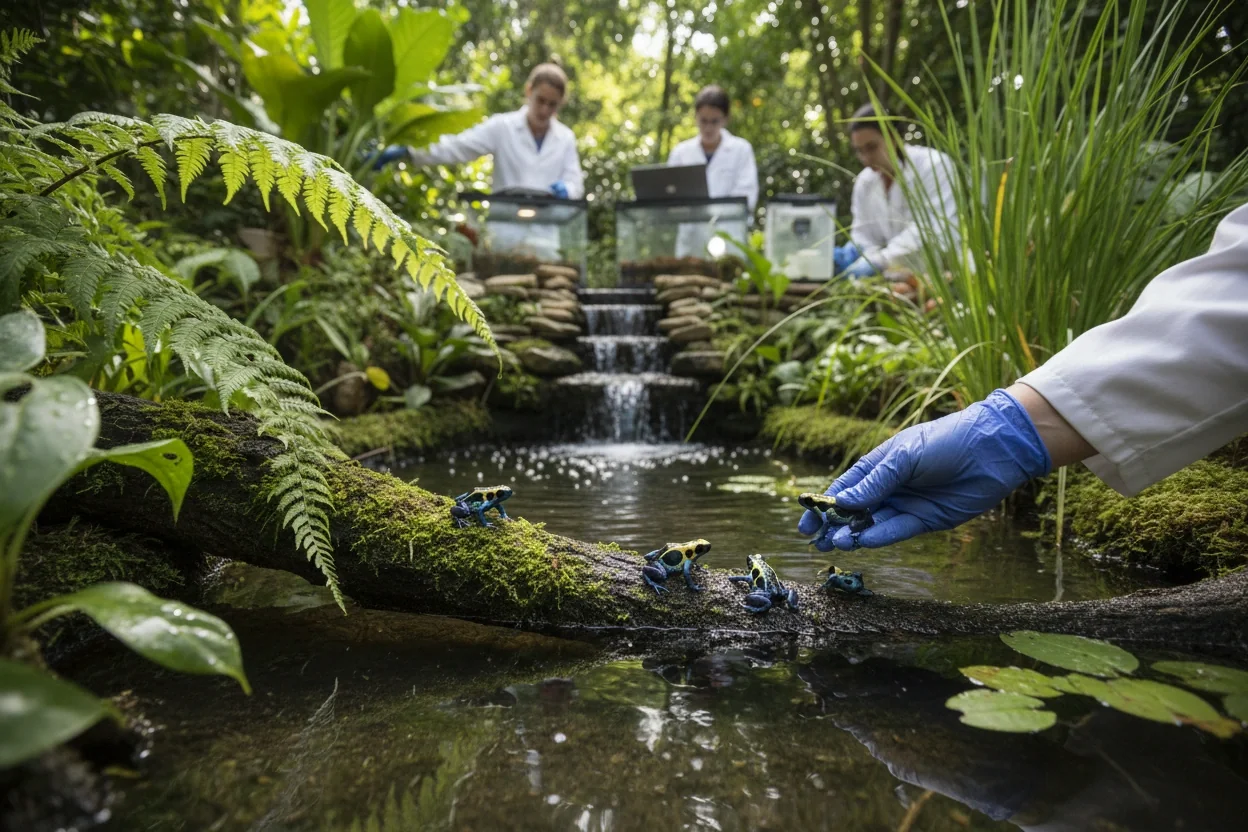
As the plight of amphibians becomes increasingly urgent, various conservation initiatives have emerged to protect these vital species. Here are ten notable efforts worth supporting:
-
Habitat Restoration Programs: Organizations work to restore degraded habitats, ensuring that amphibians have safe environments to thrive.
-
Breeding Programs: Captive breeding initiatives aim to increase populations of endangered species, with the ultimate goal of reintroducing them into the wild.
-
Research and Monitoring: Ongoing research helps track amphibian populations and health, providing critical data to inform conservation strategies.
-
Public Awareness Campaigns: Educational programs raise awareness about the importance of amphibians and the threats they face, encouraging community involvement.
-
Legislation and Policy Advocacy: Supporting policies that protect natural habitats and regulate pollution can have a significant impact on amphibian conservation.
-
Citizen Science Projects: Engaging the public in monitoring amphibian populations fosters a sense of stewardship and responsibility towards these creatures.
-
Climate Change Initiatives: Projects aimed at mitigating climate change effects can help preserve amphibian habitats threatened by rising temperatures and altered rainfall patterns.
-
Invasive Species Management: Efforts to control invasive species that threaten native amphibians are crucial for maintaining ecological balance.
-
Funding and Grants: Financial support for conservation organizations can directly impact their ability to implement effective programs.
-
Collaboration with Indigenous Communities: Working with local populations ensures that conservation efforts respect traditional knowledge and practices, enhancing the effectiveness of initiatives.
By supporting these conservation efforts, individuals can contribute to the protection of amphibians and the ecosystems they inhabit.
Common Misconceptions about Amphibians
Despite their significance, many misconceptions about amphibians persist. One common myth is that all frogs are poisonous. While some species possess toxic skin secretions as a defense mechanism, the majority are harmless to humans. Another misconception is that amphibians are only active during the rainy season. In reality, many species have adapted to various climatic conditions, being active year-round, depending on their habitat.
The Reality of Amphibian Decline
The decline of amphibian populations is not merely a consequence of environmental changes; it is often exacerbated by human activities. Habitat destruction, pollution, climate change, and the spread of diseases such as chytridiomycosis are major contributors to their decline. Understanding these factors is crucial for effective conservation strategies.
The Cultural Impact of Amphibians
Amphibians have influenced art, literature, and music, serving as symbols of various human experiences. Their presence in folklore and mythology often reflects societal values and fears, making them a rich subject for artistic expression. For example, frogs have been featured in countless stories, songs, and artworks, often embodying themes of transformation, resilience, and adaptation.
Amphibians in Modern Media
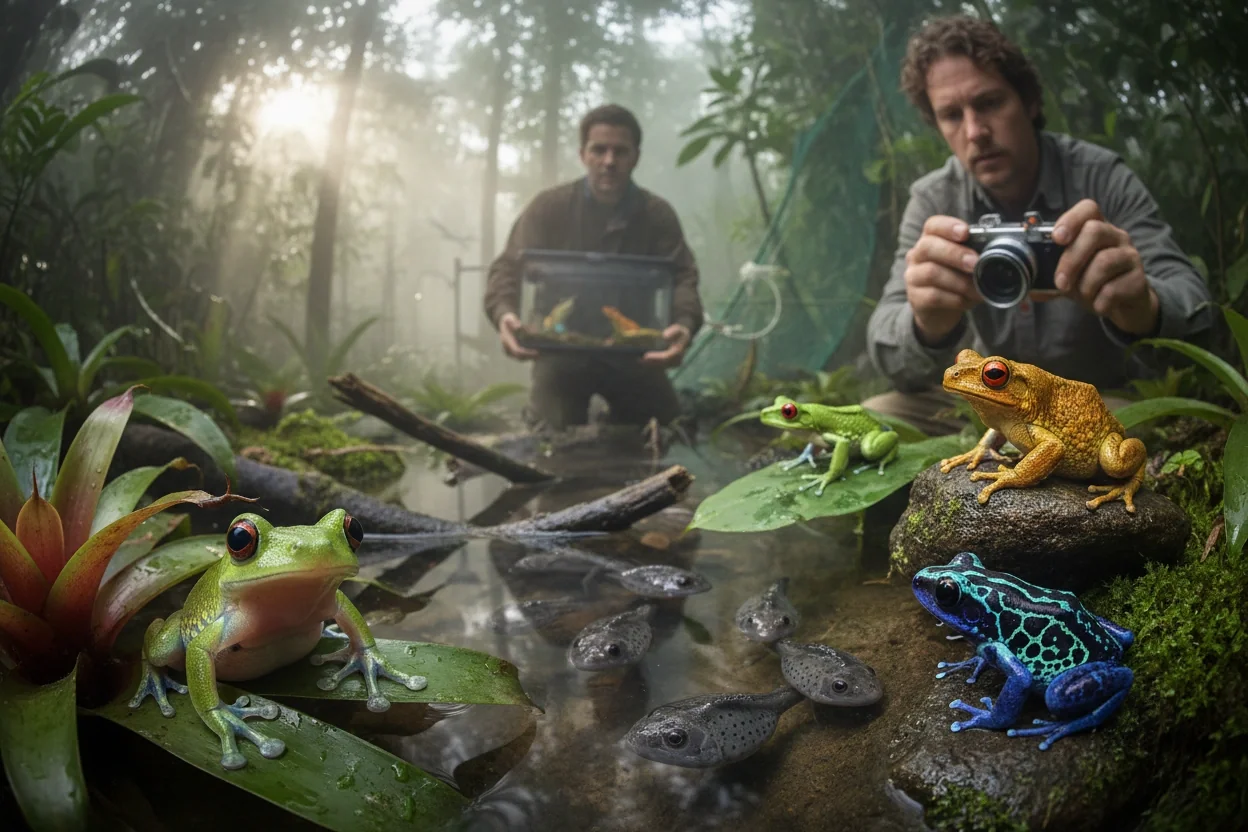
In contemporary culture, amphibians continue to capture the public’s imagination. Films like “The Princess and the Frog” have popularized their stories, while documentaries highlight their ecological importance. Social media platforms also play a role in raising awareness, with influencers and conservationists sharing their passion for amphibians and the need for their protection.
The Intersection of Folklore and Conservation
The stories we tell about amphibians can greatly influence public perception and conservation efforts. By weaving folklore into educational programs, conservationists can create more engaging narratives that resonate with communities. This approach can foster a deeper understanding of the ecological roles of amphibians and the urgent need to protect them.
Engaging communities through folklore not only preserves cultural heritage but also promotes environmental stewardship. When people connect emotionally with the stories of amphibians, they are more likely to take action to support conservation efforts.
How Banana Slug Club Can Help
The intersection of amphibians in folklore and their ecological significance reveals a rich cultural tapestry that highlights the need for conservation. By understanding the myths and legends surrounding these creatures, we can better appreciate their role in our ecosystems and the urgent need to protect them.
Banana Slug Club is dedicated to raising awareness about amphibians and promoting conservation efforts. Through educational programs and community engagement, we strive to foster a deeper understanding of these remarkable creatures and their habitats.
For those interested in supporting amphibian conservation, we encourage you to engage with your local communities, participate in citizen science initiatives, and advocate for policies that protect natural habitats.
Join us in making a difference. Visit Banana Slug Club to learn more about how you can contribute to amphibian conservation and support our ongoing efforts to protect these vital species. Together, we can ensure that the stories of amphibians continue to inspire future generations.
Join the Banana Slug Club!
Get free resources, early access to new features and updates. No spam. Just fun educational emails!
Share this article: