A Beginner’s Guide to Identifying Amphibian Species Locally
Amphibians are a fascinating group of animals that play crucial roles in our ecosystems. From frogs and toads to salamanders and newts, these creatures are often indicators of environmental health, making their identification and conservation vital. As we explore the world of amphibians, we will also delve into their habitats, behaviors, and conservation efforts that you can support. This guide aims to equip beginners with the knowledge and tools necessary to identify amphibian species in their local areas, promoting awareness and appreciation of these remarkable animals.
Understanding Amphibians and Their Importance
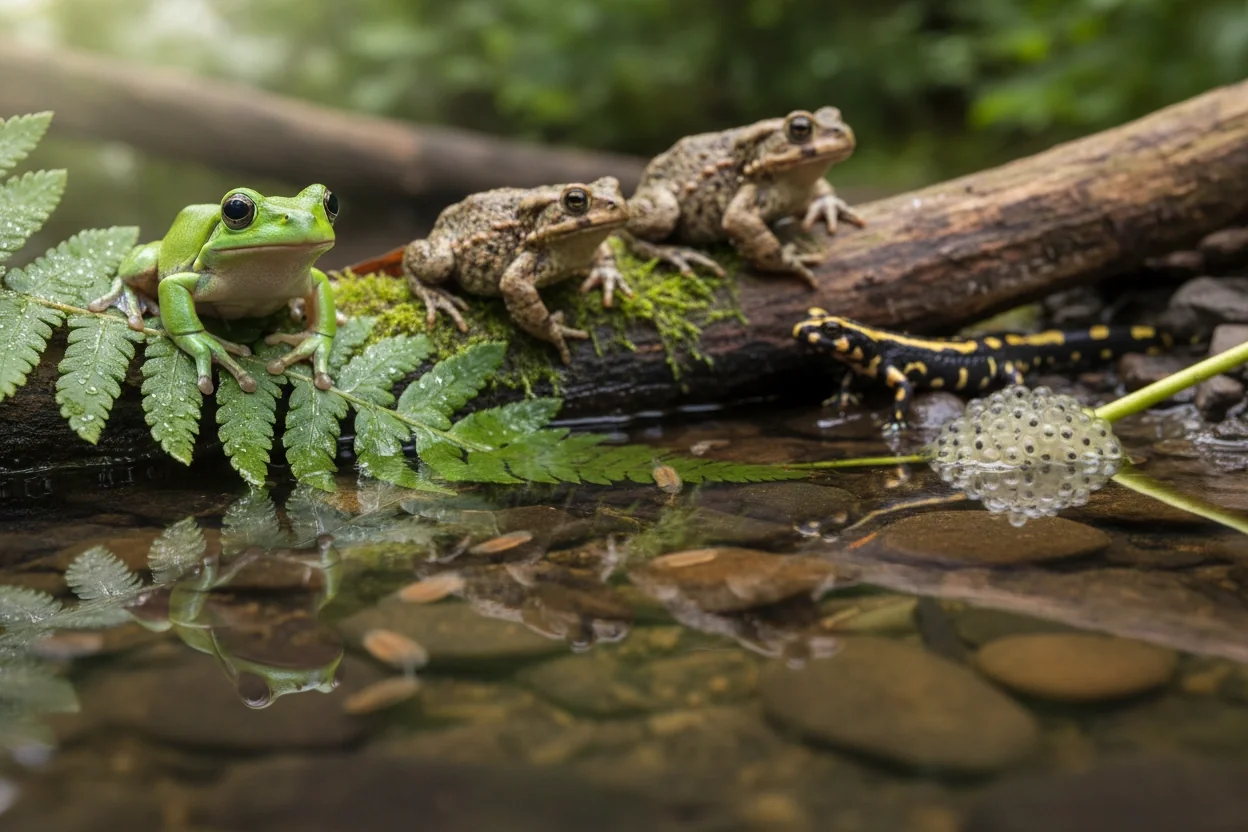
Amphibians are unique vertebrates that undergo a distinct life cycle, typically beginning as aquatic larvae before metamorphosing into terrestrial adults. This dual life allows them to thrive in both aquatic and terrestrial environments, making them adaptable yet vulnerable to environmental changes. Their permeable skin makes them sensitive to pollutants, which is why they serve as indicators of ecosystem health.
The decline of amphibian populations worldwide is alarming. Factors such as habitat destruction, climate change, pollution, and disease significantly threaten these species. Understanding amphibians and supporting their conservation is essential not only for their survival but also for maintaining biodiversity and ecosystem balance.
Common Characteristics of Amphibians
To identify amphibians effectively, it is crucial to understand their general characteristics:
-
Skin: Amphibians typically have moist, permeable skin that allows for respiration and hydration. This skin varies in texture and coloration, often serving as camouflage.
-
Life Cycle: Most amphibians undergo metamorphosis, transitioning from an aquatic larval stage to a terrestrial adult form. This process can vary in length and complexity among species.
-
Habitat: Amphibians are generally found in moist environments, including wetlands, forests, and grasslands. They often require standing water for reproduction.
Misconceptions About Amphibians
Several misconceptions surround amphibians that can hinder their conservation:
-
All amphibians are poisonous: While some species possess toxic secretions, many amphibians are harmless and play essential roles in controlling insect populations.
-
Amphibians are not affected by climate change: In reality, amphibians are highly sensitive to changes in temperature and moisture, making them vulnerable to climate fluctuations.
Identifying Amphibian Species Locally
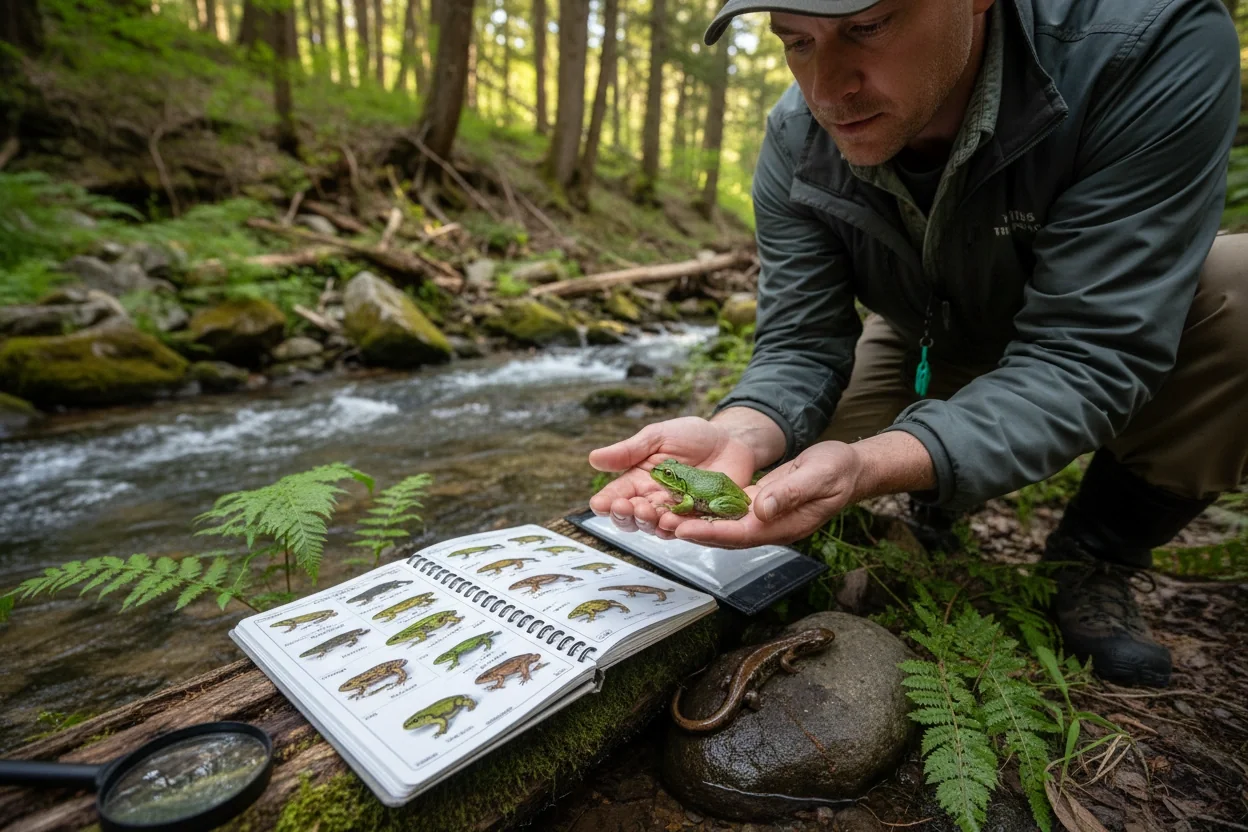
Identifying local amphibian species requires a combination of observation, knowledge, and sometimes, a bit of luck. Here are the essential steps to get started:
Step 1: Research Local Species
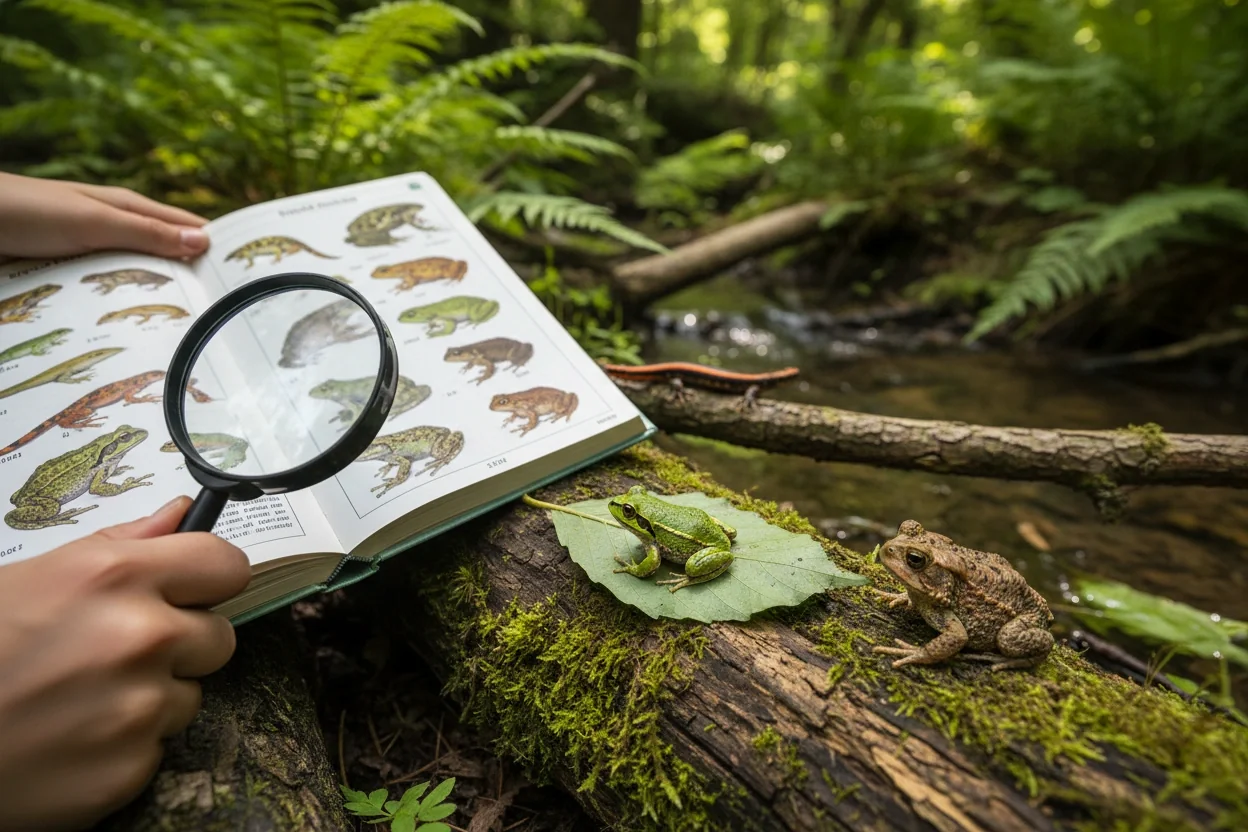
Before venturing out, familiarize yourself with the amphibians found in your area. Resources such as field guides, local wildlife organizations, and online databases can provide valuable information. Look for:
-
Species Lists: Check for lists of amphibians native to your region.
-
Identification Guides: Utilize field guides that include photographs and descriptions of local species.
Step 2: Understand Their Habitats
Different amphibians inhabit various environments, making habitat knowledge crucial for identification. Common frog habitats include:
-
Ponds and Lakes: Ideal for species like the American Bullfrog and Green Frog.
-
Streams and Rivers: Home to species such as the Northern Leopard Frog and Wood Frog.
-
Wetlands: Important for salamanders and toads, providing breeding grounds.
Step 3: Observe Behavior and Calls
Amphibians exhibit distinct behaviors and vocalizations. Learning to recognize these can aid in identification:
-
Calls: Males often call to attract mates, with each species having unique sounds. Listening for calls during the breeding season can help identify species.
-
Activity Patterns: Some amphibians are more active at night (nocturnal), while others are diurnal. Observing their activity can provide clues about their identity.
Step 4: Take Notes and Document Findings
When you encounter an amphibian, take detailed notes on its appearance, habitat, and behavior. Photographing the specimen can also aid identification. Consider noting:
-
Size and Coloration: Document the size, primary colors, and any distinctive markings.
-
Location: Record the exact location and habitat type where you found the amphibian.
Top 10 Amphibian Conservation Efforts to Support
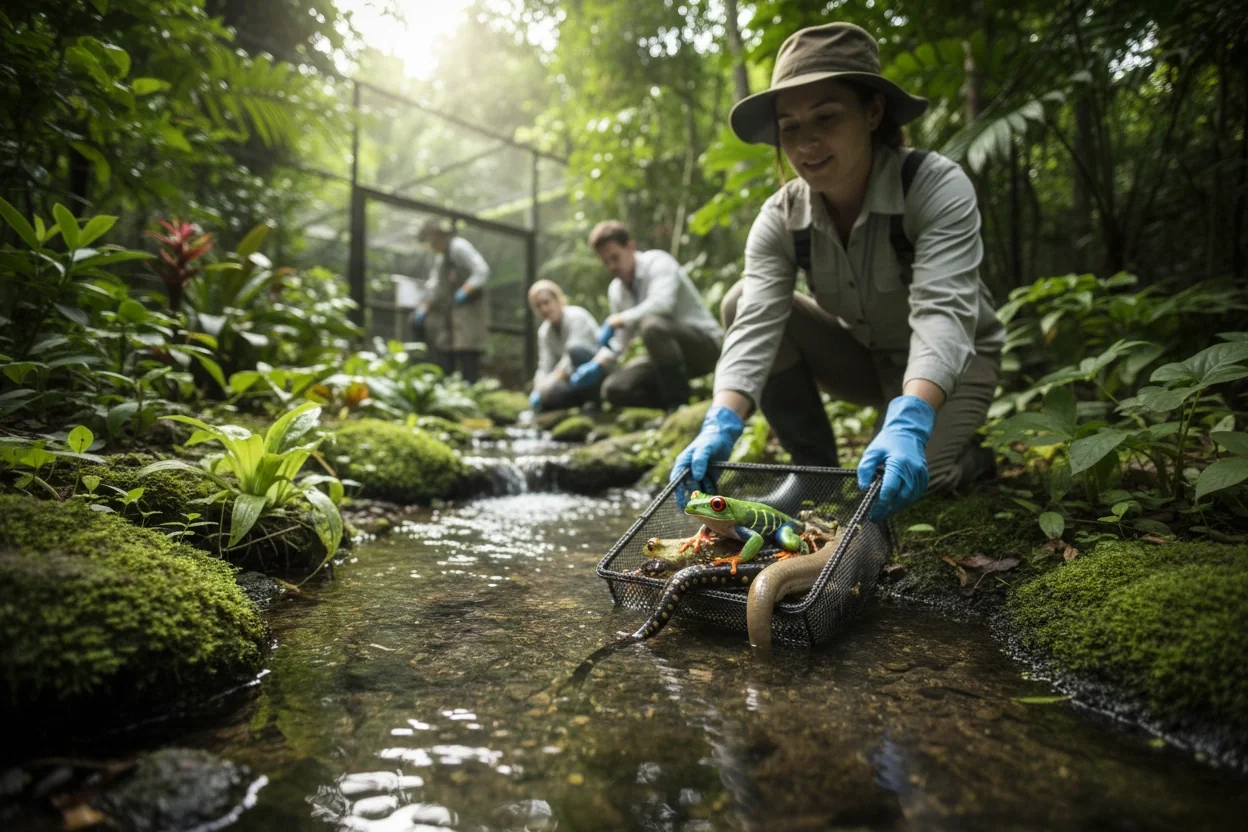
As amphibian populations face numerous threats, supporting conservation efforts is more critical than ever. Here are ten initiatives that are making a significant impact:
-
Habitat Restoration Projects: Organizations work to restore wetlands and other habitats crucial for amphibian survival.
-
Breeding Programs: Captive breeding programs help reintroduce endangered species back into their native habitats.
-
Research and Monitoring: Supporting research initiatives helps track amphibian populations and understand their needs better.
-
Public Education Campaigns: Raising awareness about the importance of amphibians and their conservation is vital for community support.
-
Citizen Science Initiatives: Join local groups that encourage community members to participate in amphibian monitoring and data collection.
-
Legislative Advocacy: Support policies and regulations that protect amphibian habitats and address climate change.
-
Invasive Species Management: Help control invasive species that threaten native amphibian populations.
-
Disease Research: Contribute to studies focused on diseases like chytridiomycosis, which have devastated amphibian populations worldwide.
-
Local Conservation Groups: Get involved with local wildlife organizations that focus on amphibian conservation efforts in your area.
-
Funding and Donations: Consider donating to reputable conservation organizations that prioritize amphibian protection and research.
Common Mistakes When Identifying Amphibians
Even seasoned naturalists can make mistakes when identifying amphibians. Here are some common pitfalls to avoid:
Overlooking Key Features
Many amphibians have similar appearances, making it easy to overlook distinguishing characteristics. Pay attention to:
-
Skin Texture: Some species have smooth skin, while others may have warty or bumpy textures.
-
Color Variations: Color can vary significantly among individuals, particularly in species with different life stages.
Failing to Consider Seasonal Changes
Amphibian appearances and behaviors can change with the seasons. During breeding season, for example, males may exhibit more vibrant colors or develop secondary sexual characteristics. Always consider the time of year when attempting to identify species.
Ignoring Local Resources
Utilizing local resources, such as naturalist groups or online forums, can provide valuable insights and corrections. Engaging with experienced enthusiasts can enhance your identification skills and deepen your understanding.
The Role of Community in Amphibian Conservation
Community involvement is vital for the conservation of amphibians. Local initiatives can create significant impacts, and individuals can contribute in various ways:
-
Participating in Clean-Up Events: Help maintain local habitats by participating in clean-up efforts in wetlands and ponds.
-
Educating Others: Share your knowledge about amphibians with friends, family, and community members to raise awareness.
-
Engaging in Local Citizen Science Projects: Join programs that involve monitoring amphibian populations and reporting findings.
The Intersection of Amphibians and Conservation Efforts
Understanding and identifying amphibians locally is not just a hobby; it is a crucial step towards their conservation. The knowledge gained from observing these creatures can lead to meaningful action to protect their habitats and populations. Organizations like Banana Slug Club are committed to promoting awareness and providing resources to support amphibian conservation efforts.
By participating in local conservation initiatives and spreading awareness about the importance of amphibians, individuals can contribute to the preservation of these remarkable creatures.
For anyone interested in learning more about amphibians and how to get involved, consider reaching out to organizations dedicated to their conservation. Contact Banana Slug Club to discover how you can support amphibian conservation in your community. Together, we can make a difference for these vital members of our ecosystems.
Join the Banana Slug Club!
Get free resources, early access to new features and updates. No spam. Just fun educational emails!
Share this article: