Learn More!
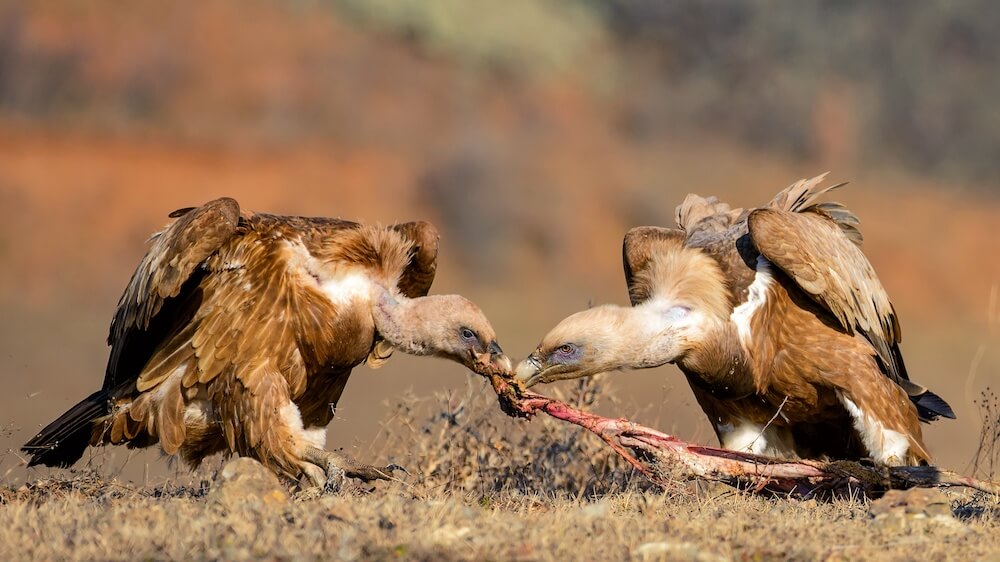
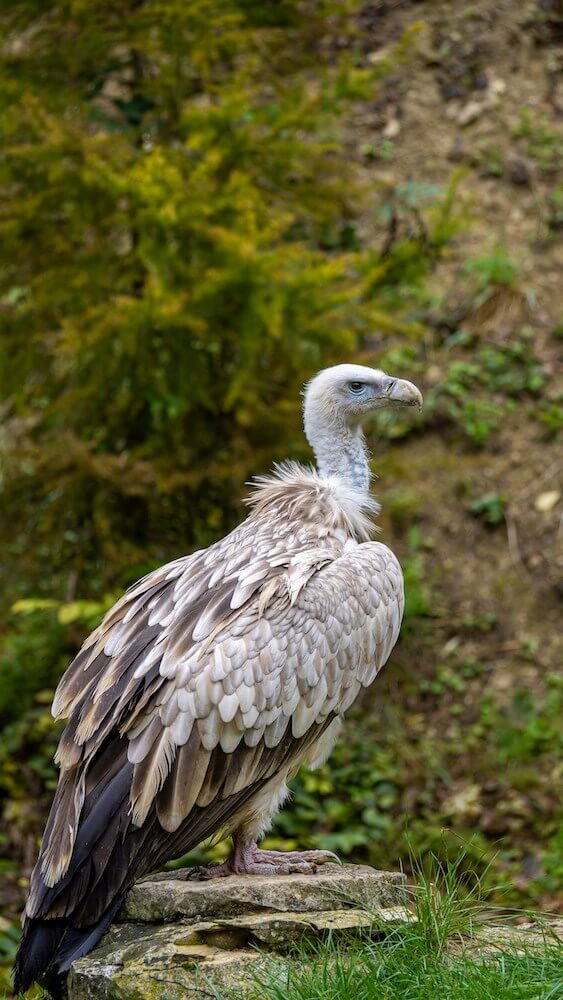
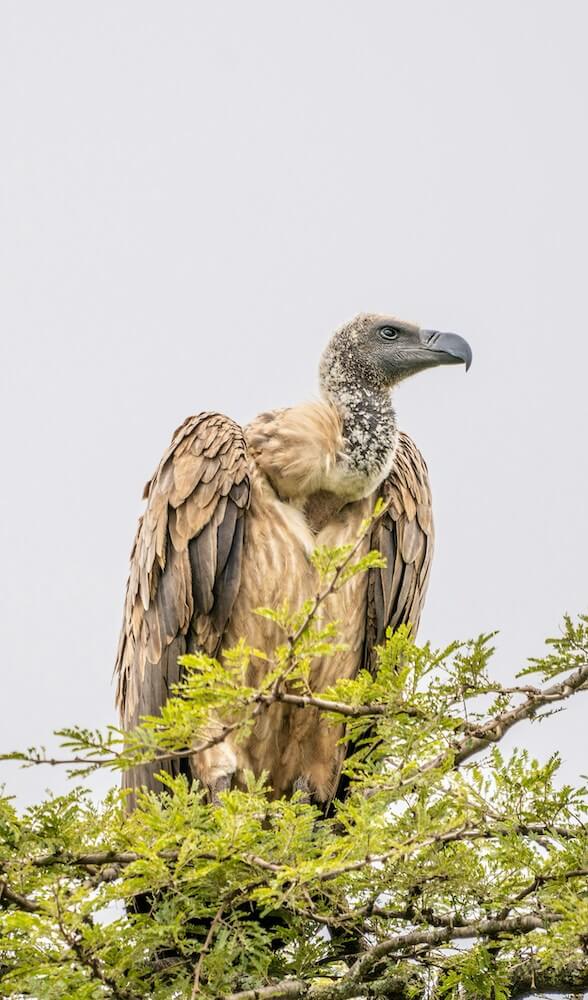
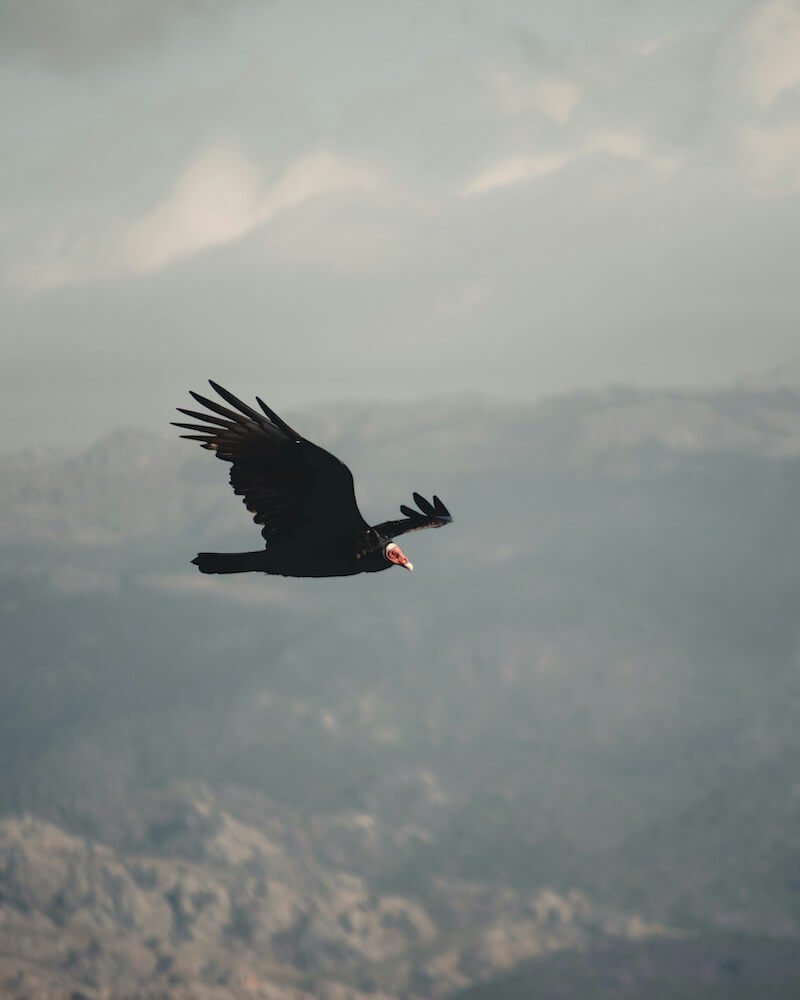
Vultures are large birds of prey known for their role as scavengers, feeding primarily on the carcasses of dead animals. These birds have several adaptations that make them efficient at this ecological niche. Vultures have broad wings and strong soaring capabilities, allowing them to glide effortlessly on thermal currents for long periods as they search for food. Their plumage varies among species, but many have dark feathers and distinctive bald heads and necks. This lack of feathers on their heads helps keep them clean while feeding on carrion, reducing the risk of bacterial infection.
Vultures are found on every continent except Australia and Antarctica, inhabiting a variety of environments from savannas and deserts to forests and mountains. They are social birds, often seen in large groups both in the air and on the ground. Vultures have a highly developed sense of sight and smell, which helps them locate food over vast distances. When a vulture spots a carcass, it will circle above to signal other vultures to join the feast, ensuring that the dead animal is quickly and efficiently consumed.
These birds play a crucial role in their ecosystems by disposing of dead animals, which helps prevent the spread of disease. Vultures have strong stomach acid that allows them to digest decaying meat and kill harmful bacteria and pathogens. Despite their vital ecological role, vultures face significant threats from human activities. Poisoning, habitat loss, and collisions with power lines and wind turbines have led to declines in vulture populations worldwide.
Conservation efforts for vultures include protecting their habitats, banning harmful substances such as certain veterinary drugs that are toxic to vultures, and raising awareness about their importance in the ecosystem. Some species, like the Griffon Vulture and the Turkey Vulture, are more resilient and have stable populations. However, many other vulture species are critically endangered and require urgent conservation action to prevent their extinction.