
Learn More!
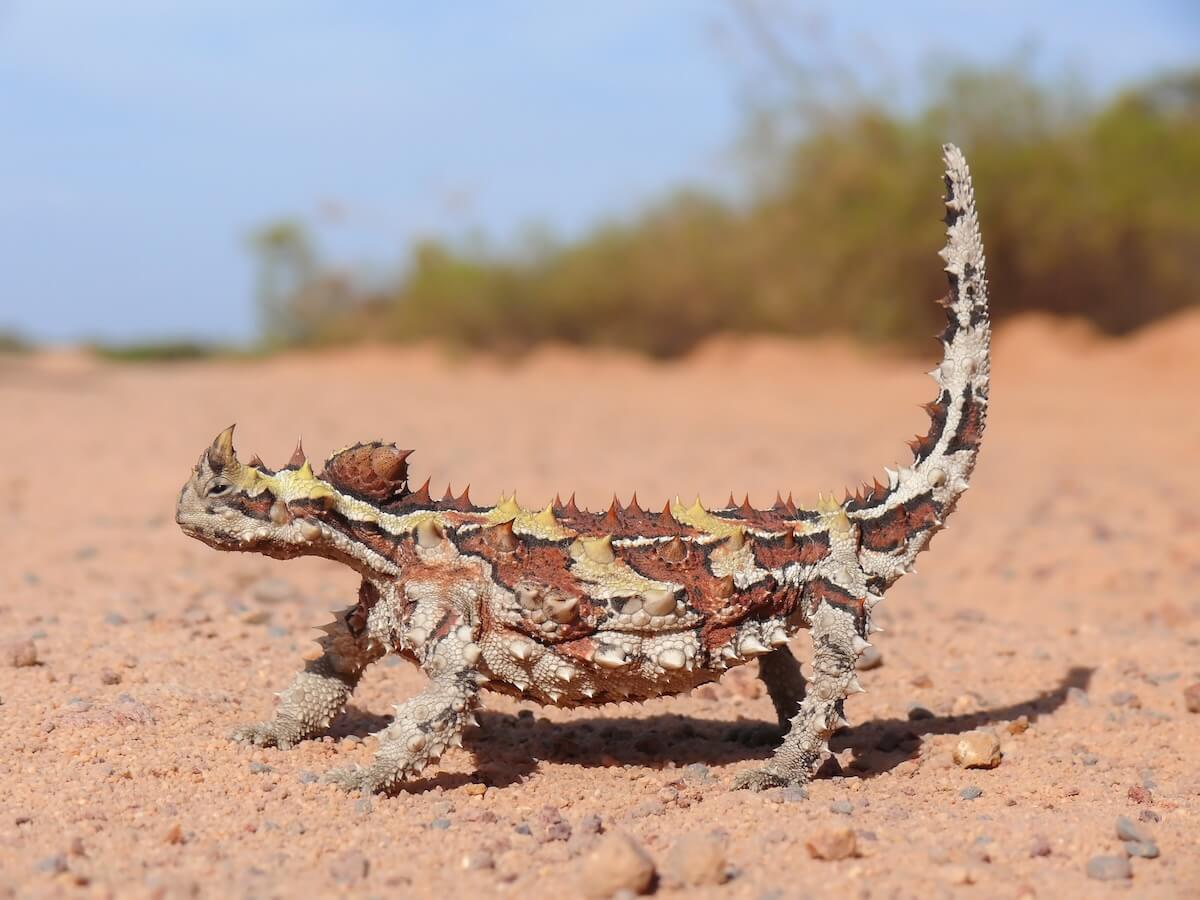
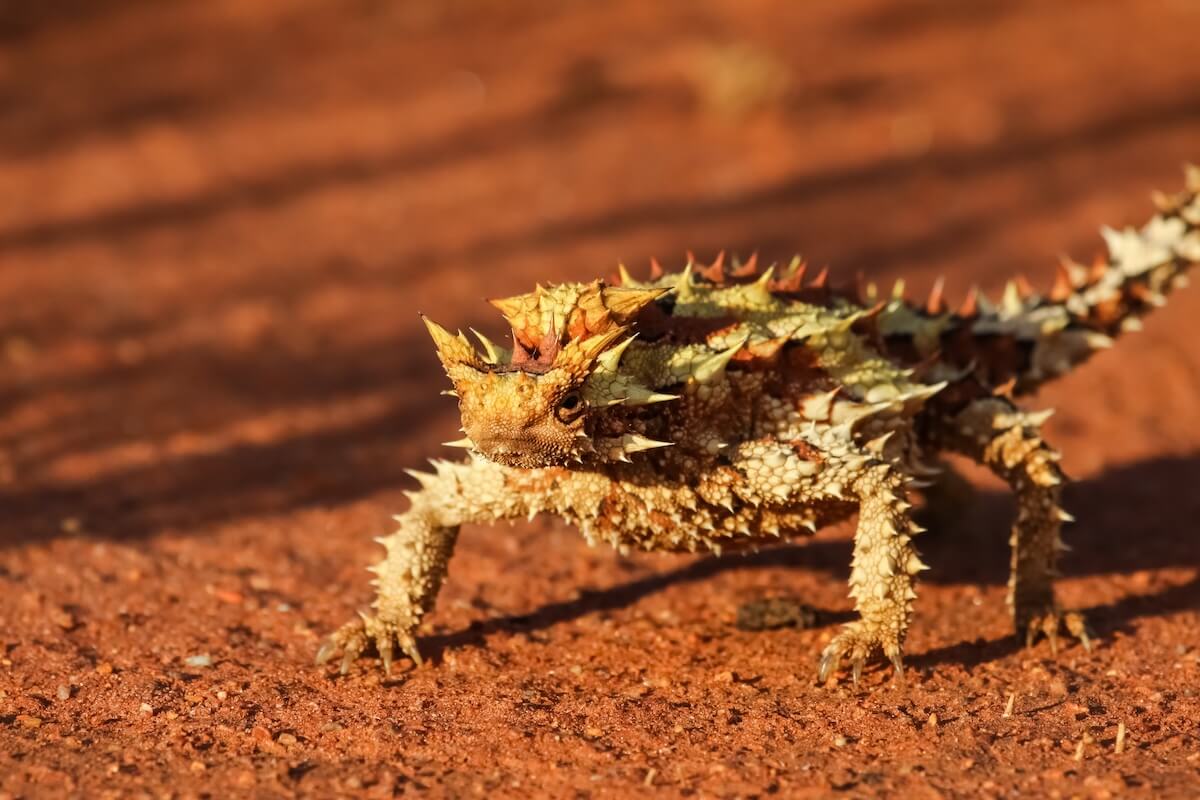
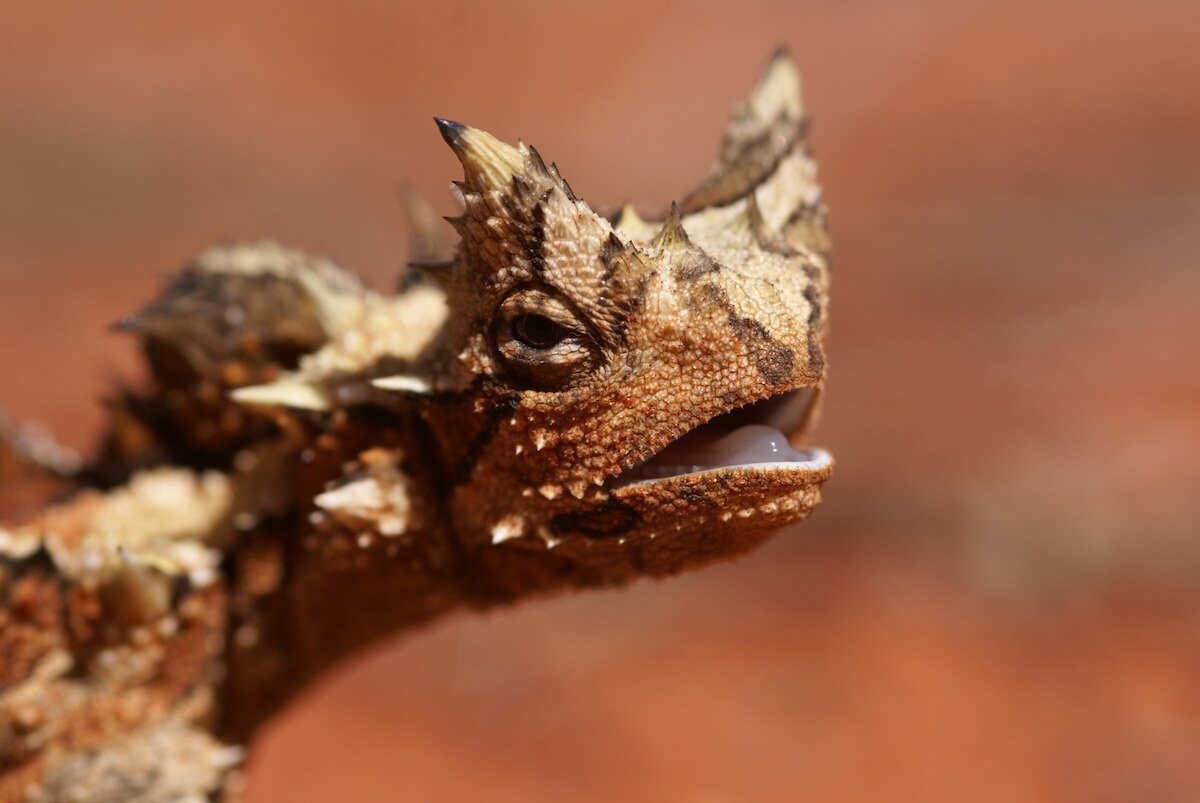
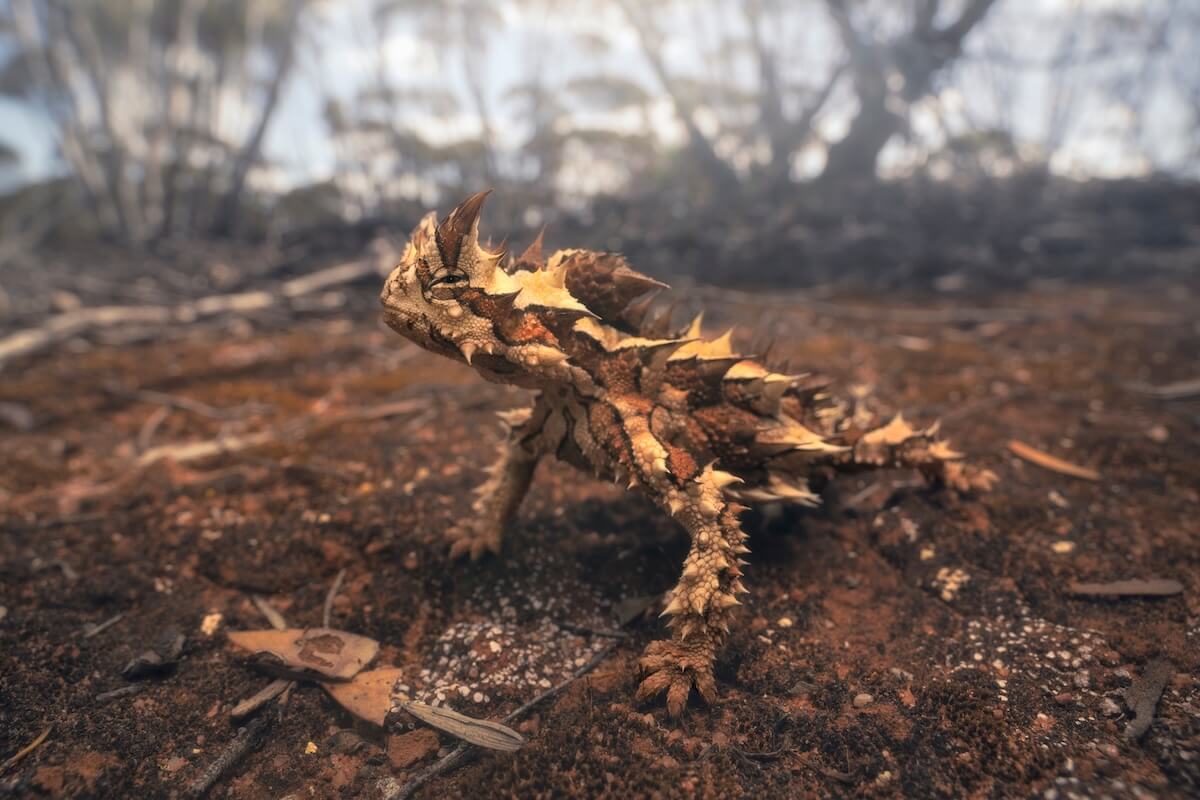
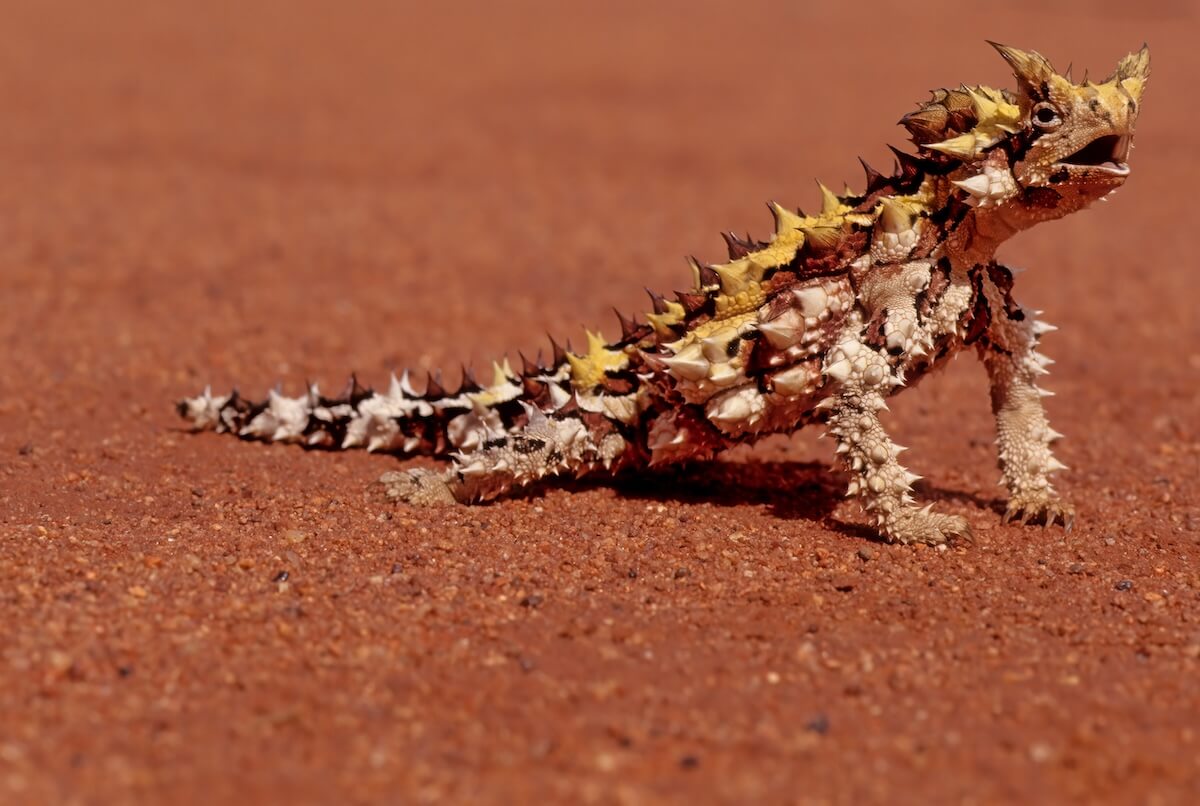
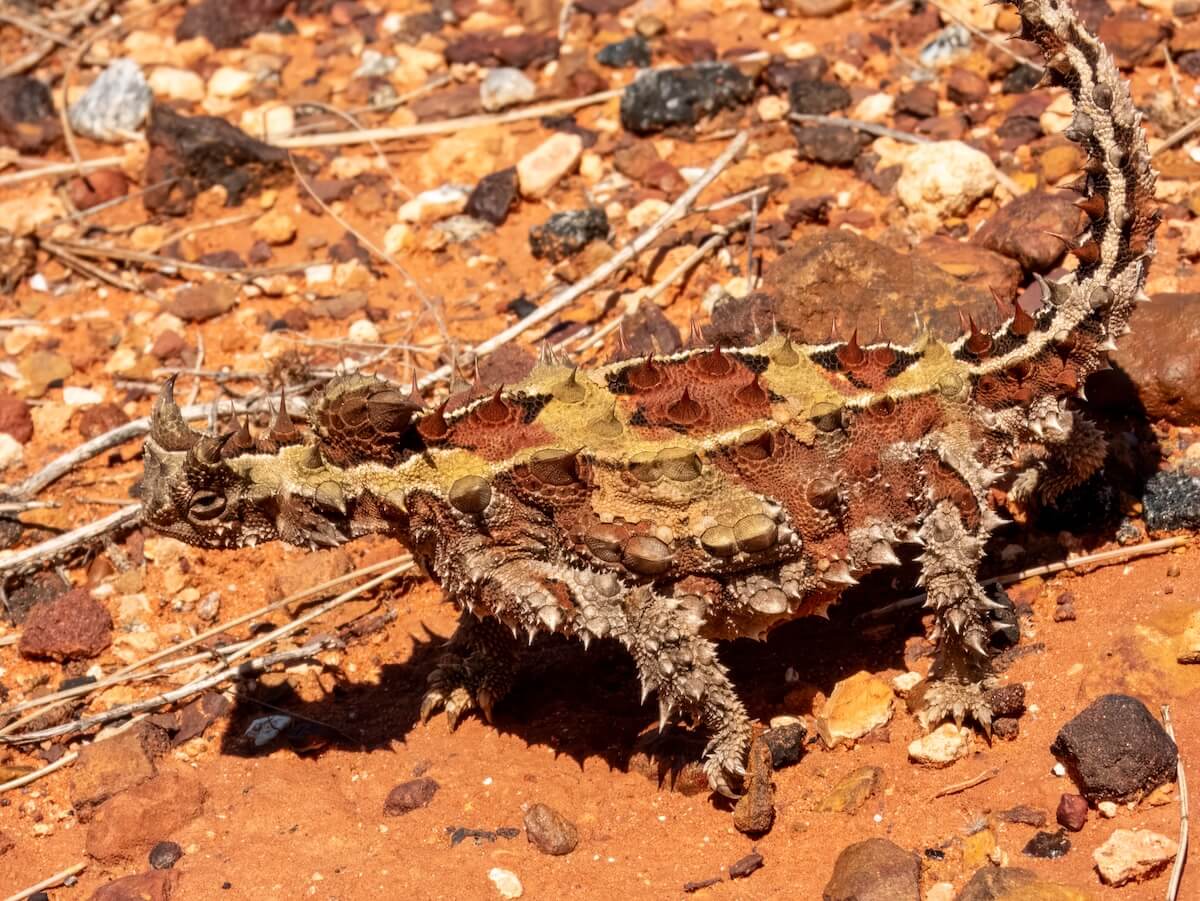
The thorny devil lizard, also known simply as the thorny devil, is a fascinating reptile native to the deserts of Australia. Covered in a network of sharp-looking spines, this small lizard measures about 6-8 inches in length and has a body shape that is uniquely adapted to its harsh environment. Its spiny appearance not only deters predators but also helps it blend seamlessly with the dry desert landscape, allowing it to remain hidden from larger animals. The lizard’s spines also serve an ingenious function: they channel water directly to its mouth. When it rains, or even when there is morning dew, the thorny devil’s skin absorbs water and funnels it through grooves to its mouth, enabling it to stay hydrated in the arid desert.
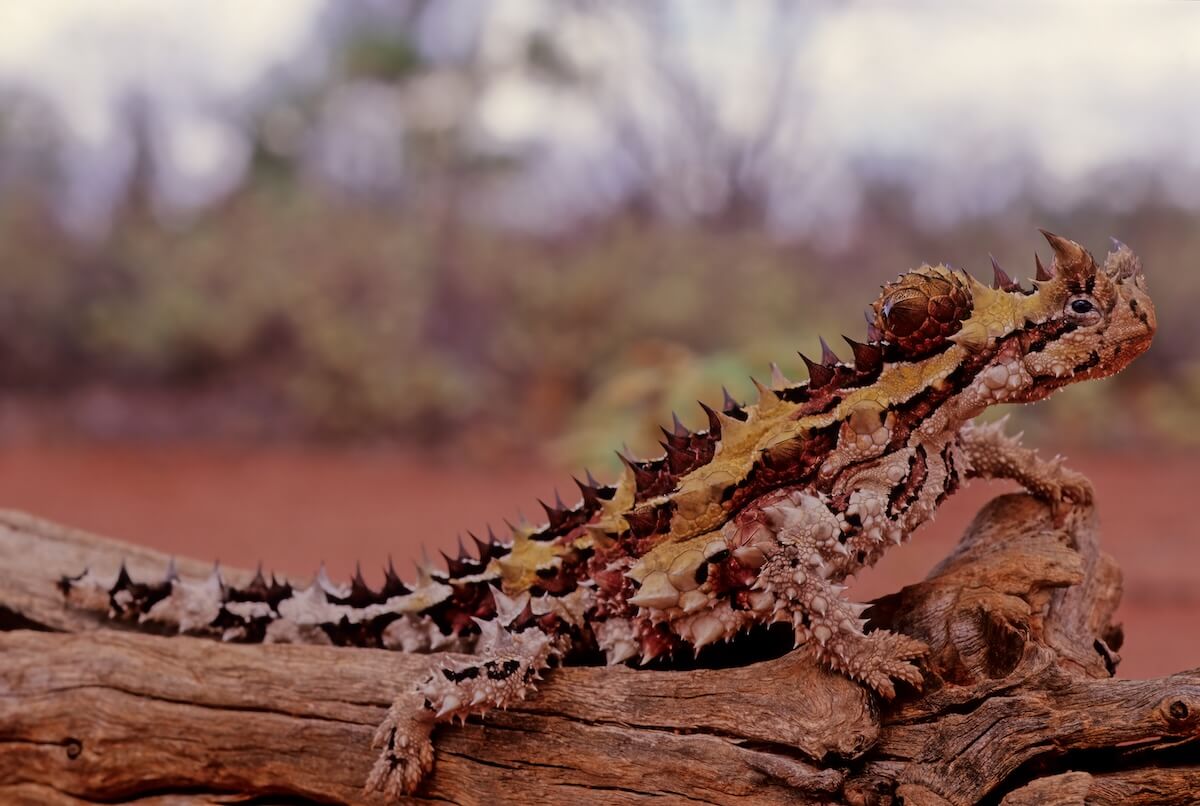
One of the most intriguing features of the thorny devil is its “false head,” which is located on the back of its neck. When threatened, the lizard will lower its real head and raise its false head to confuse predators, making it a difficult target. Thorny devils are also known for their color-changing ability, which helps them regulate body temperature and blend into their surroundings. They are often shades of yellow, red, and brown to match the sand and rocks around them, making them almost invisible to the untrained eye.
Despite its fierce appearance, the thorny devil is a harmless insectivore, and its diet consists almost exclusively of ants. They are known to eat thousands of ants in a single meal, using their sticky tongue to capture their prey. The thorny devil is a solitary creature and typically moves slowly through the desert, relying on camouflage and its spiny defenses for protection. Though not currently endangered, thorny devils are affected by habitat loss and climate change, which may impact their population in the future. These unique lizards have become symbols of the resilience and adaptability required to survive in one of the harshest climates on Earth.