Polar Bear
Scientific Name:
Ursus maritimus
Click to view more pictures

Fun
Polar Bear
Facts
-
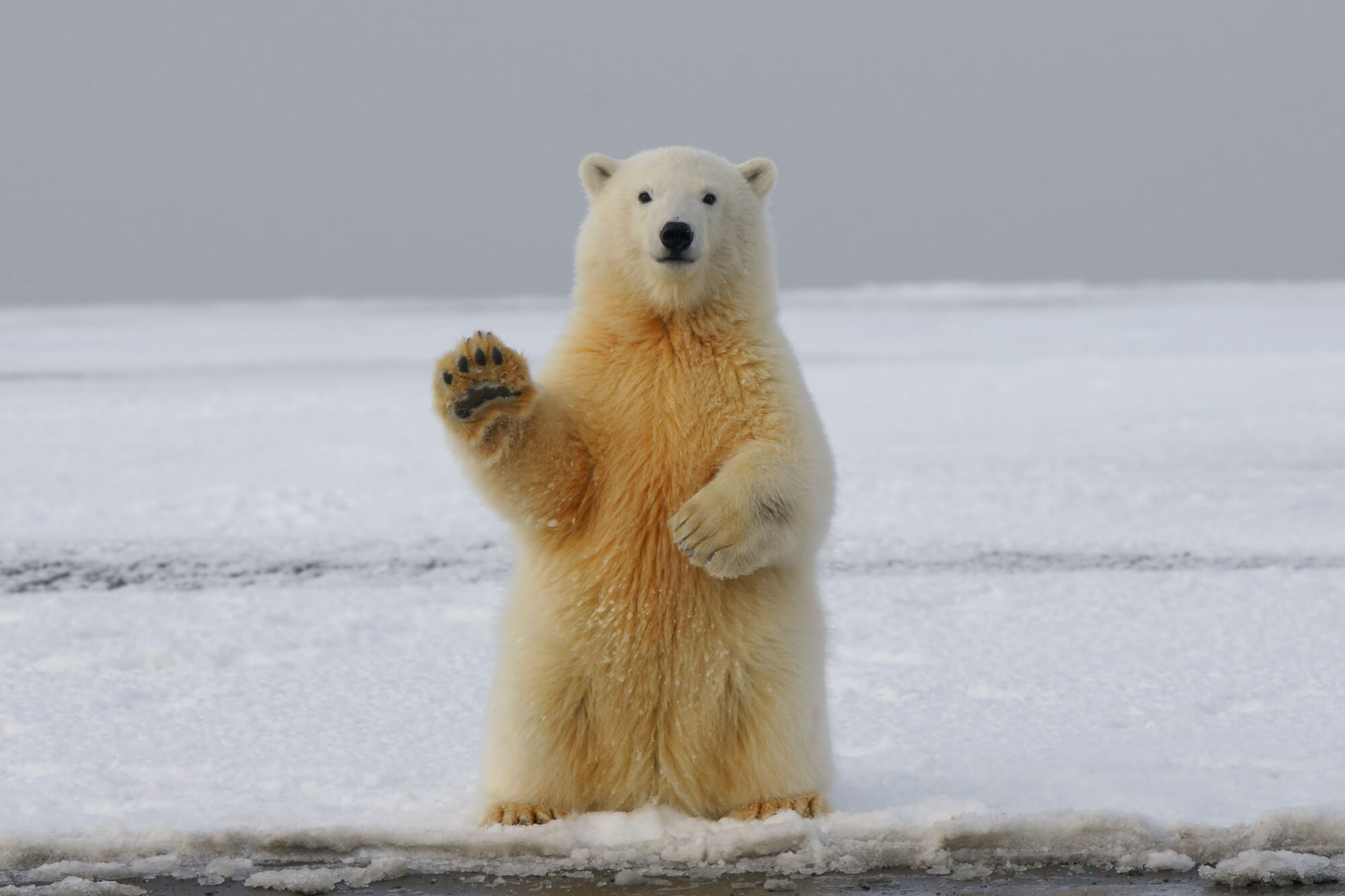
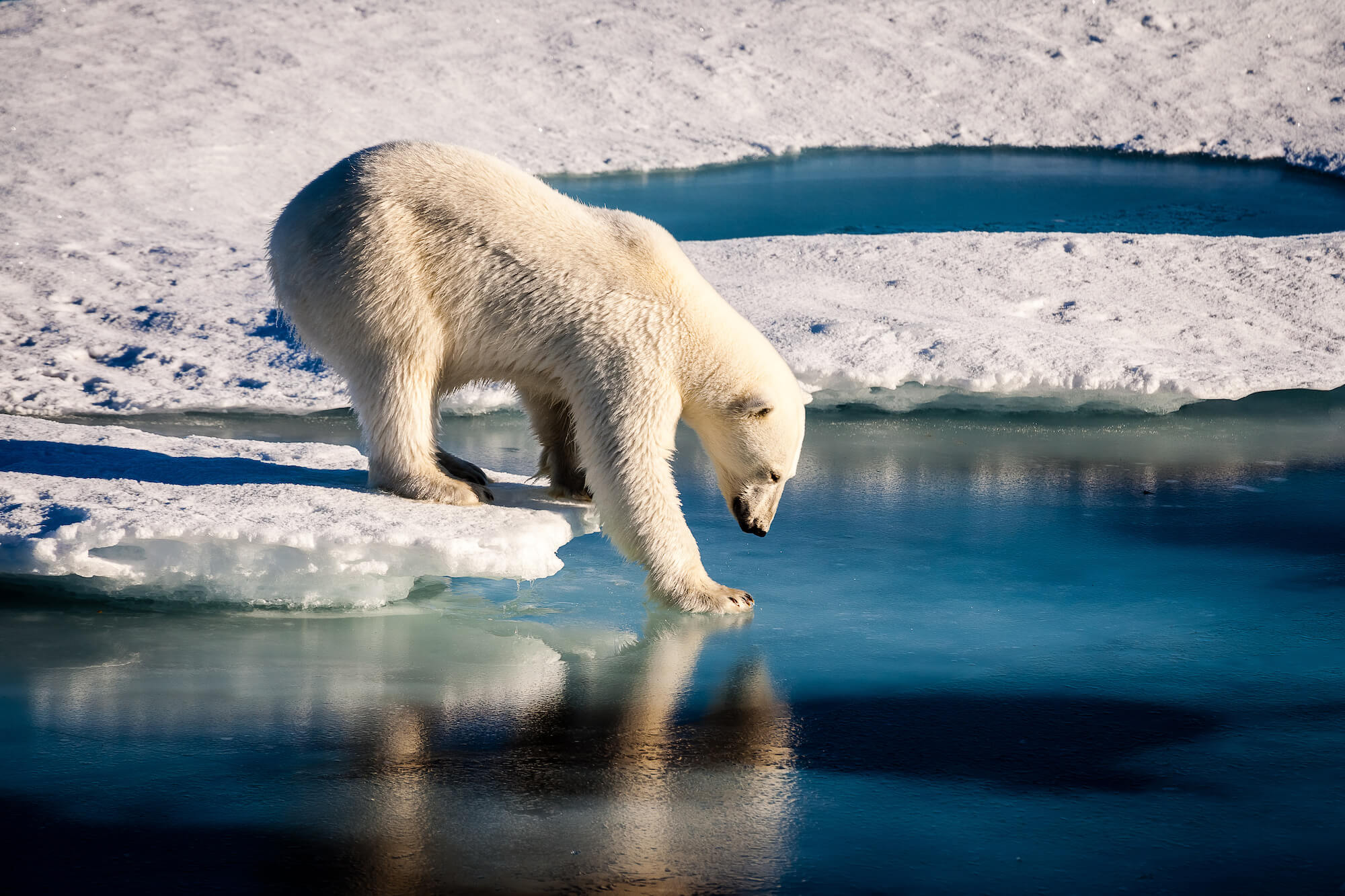
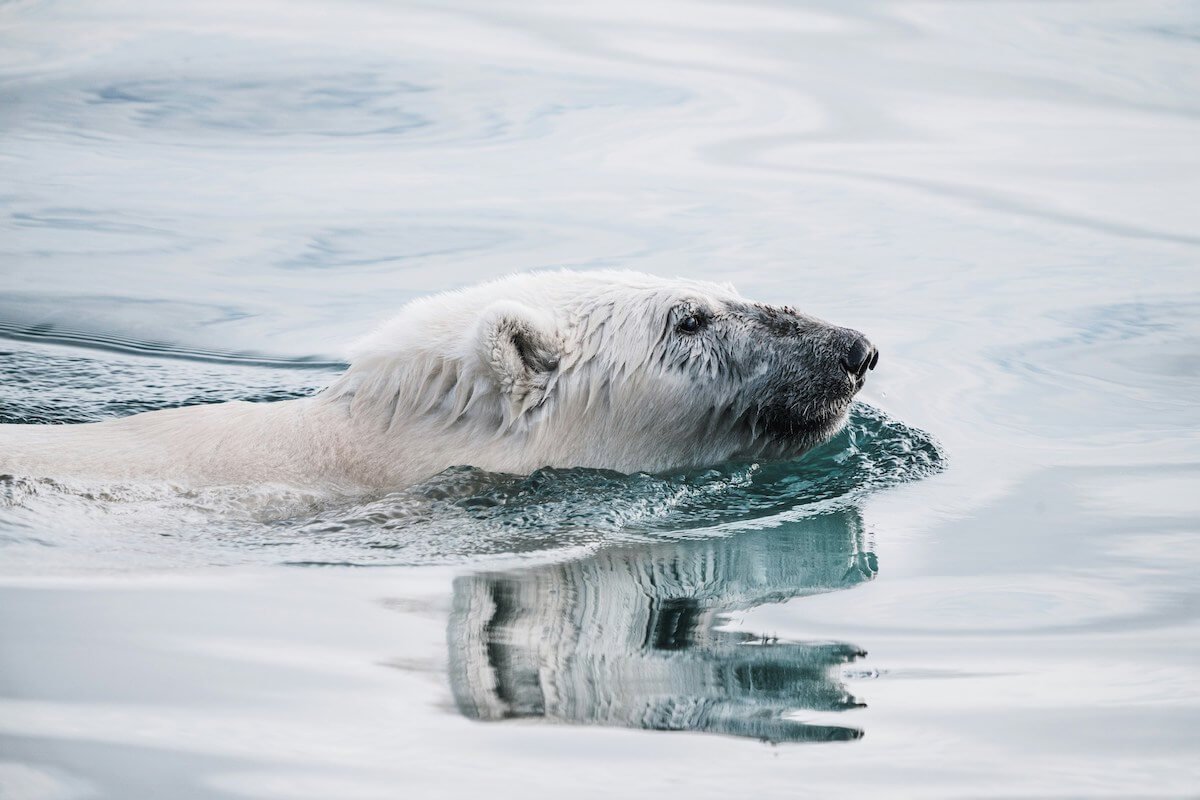
Polar bears are amazing swimmers and can swim for days at a time, covering long distances in search of food or ice.
-
They are the largest bear species in the world, with adult males weighing up to 1,500 pounds or more!
-
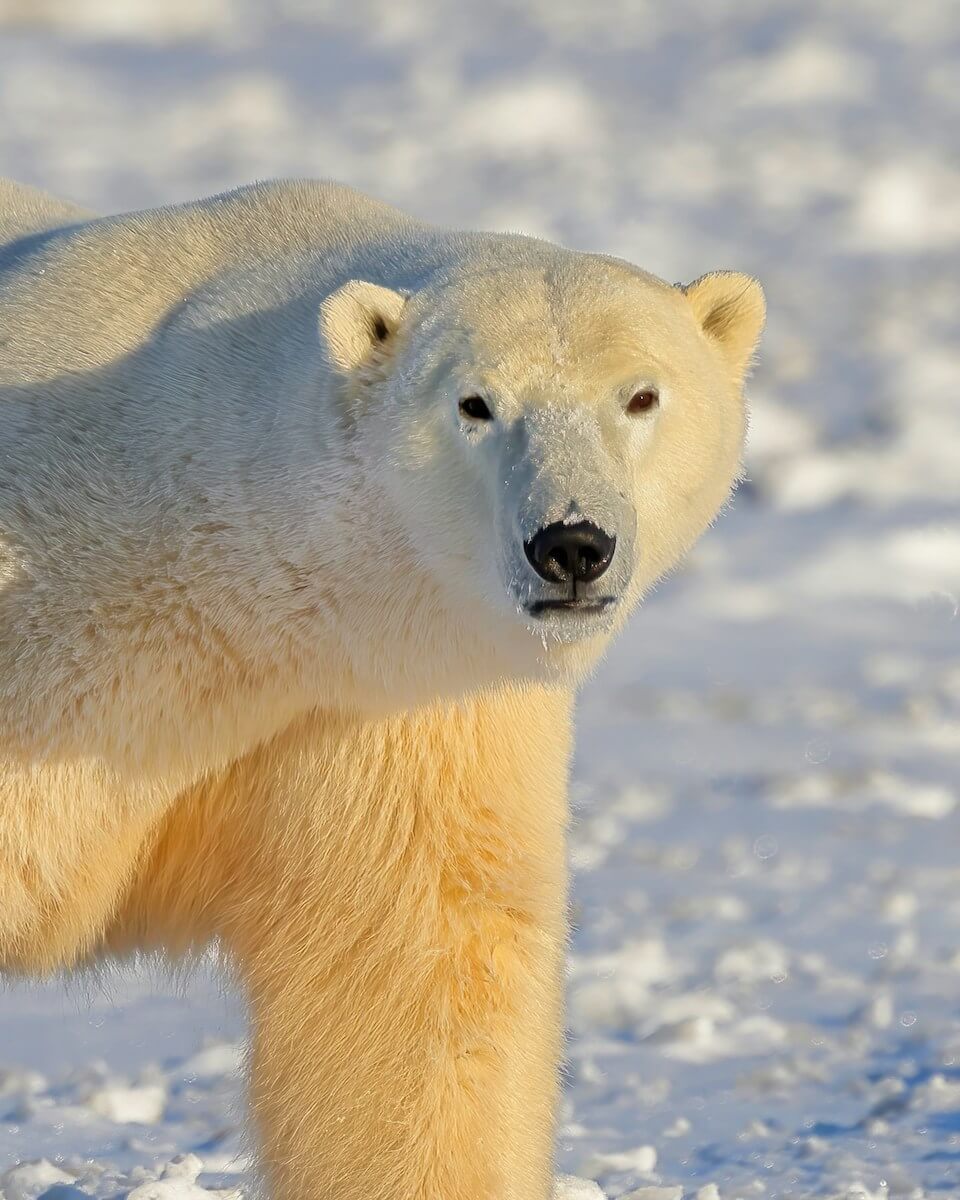
Their fur looks white but is actually transparent. It reflects light, making them appear white and helping them blend into the snowy environment.
-
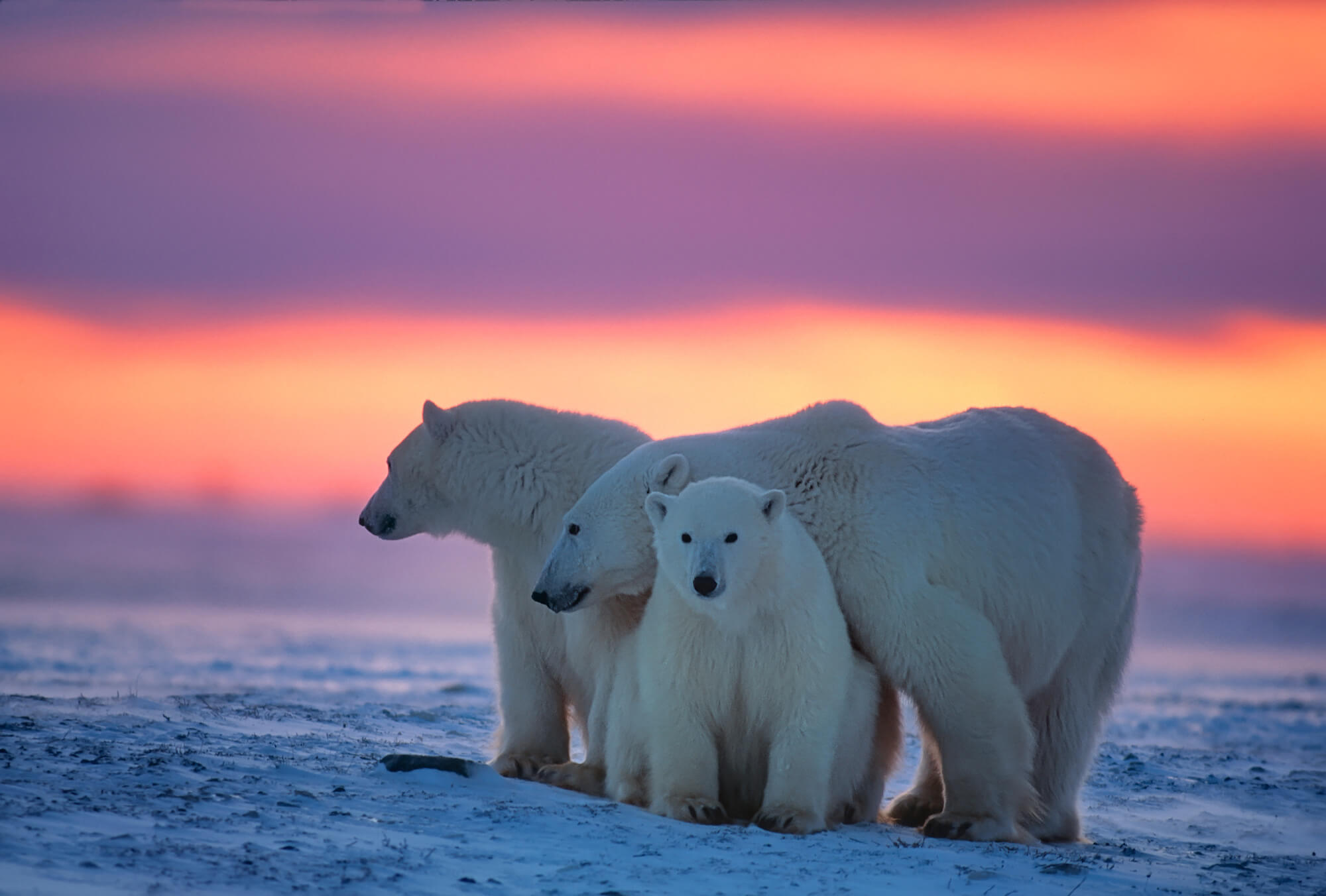
Polar bear moms build cozy dens in the snow to give birth and care for their cubs during the harsh winter months.
Where do they live?
Found in the Arctic regions of the United States (Alaska), Canada, Russia, Greenland, and Norway (Svalbard).
What do they eat?
Carnivore: Seals, walruses, birds, fish
Species Endangered Level
Vulnerable
Least Endangered
Most Endangered
Learn More!
Polar bears (Ursus maritimus) are iconic creatures of the Arctic, known for their impressive size, strength, and ability to survive in one of the harshest environments on Earth. They are the largest land carnivores, with adult males standing up to 10 feet tall when on their hind legs and weighing between 900 to 1,500 pounds. Female polar bears are smaller, typically weighing between 400 and 700 pounds. Polar bears have a thick layer of blubber and dense fur that insulates them against the cold and helps them stay buoyant in the water.
One of the most remarkable adaptations of polar bears is their ability to swim long distances. They have large, slightly webbed paws that make them powerful swimmers, capable of swimming at speeds of up to 6 miles per hour. They can cover more than 30 miles in a single swim and have been known to swim for days without stopping. This ability is crucial for their survival, as they often need to travel between ice floes and hunt seals, which are their primary food source. Seals provide the high-fat diet necessary for polar bears to maintain their energy levels and insulation.
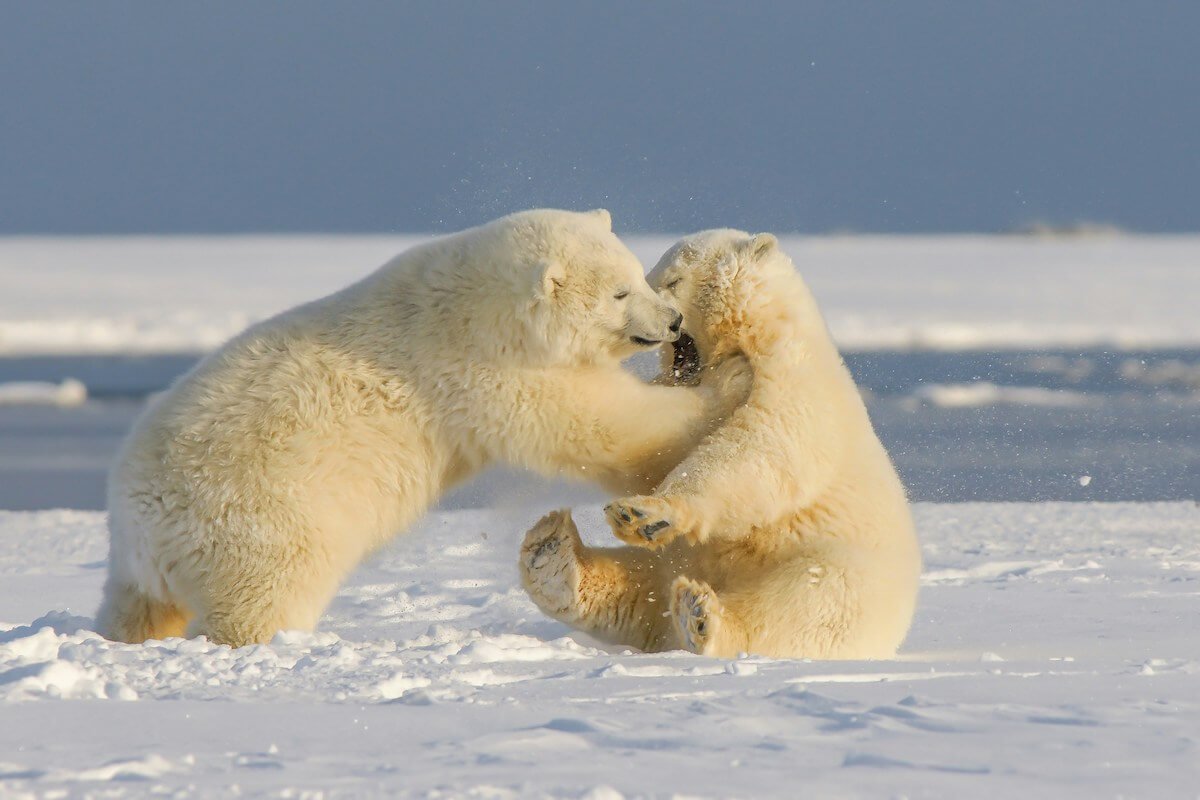
Polar bears are solitary animals, except for mothers with cubs or during the breeding season. Females give birth to one to three cubs in snow dens, where they stay warm and protected from the extreme cold. The cubs are born blind and weigh about one pound, but they grow rapidly under their mother’s care. Polar bears communicate through vocalizations, body language, and scent markings. They are highly intelligent and have an excellent sense of smell, allowing them to detect seals nearly a mile away and under several feet of compacted snow.
Explore more
Mammals
Tasmanian Tiger
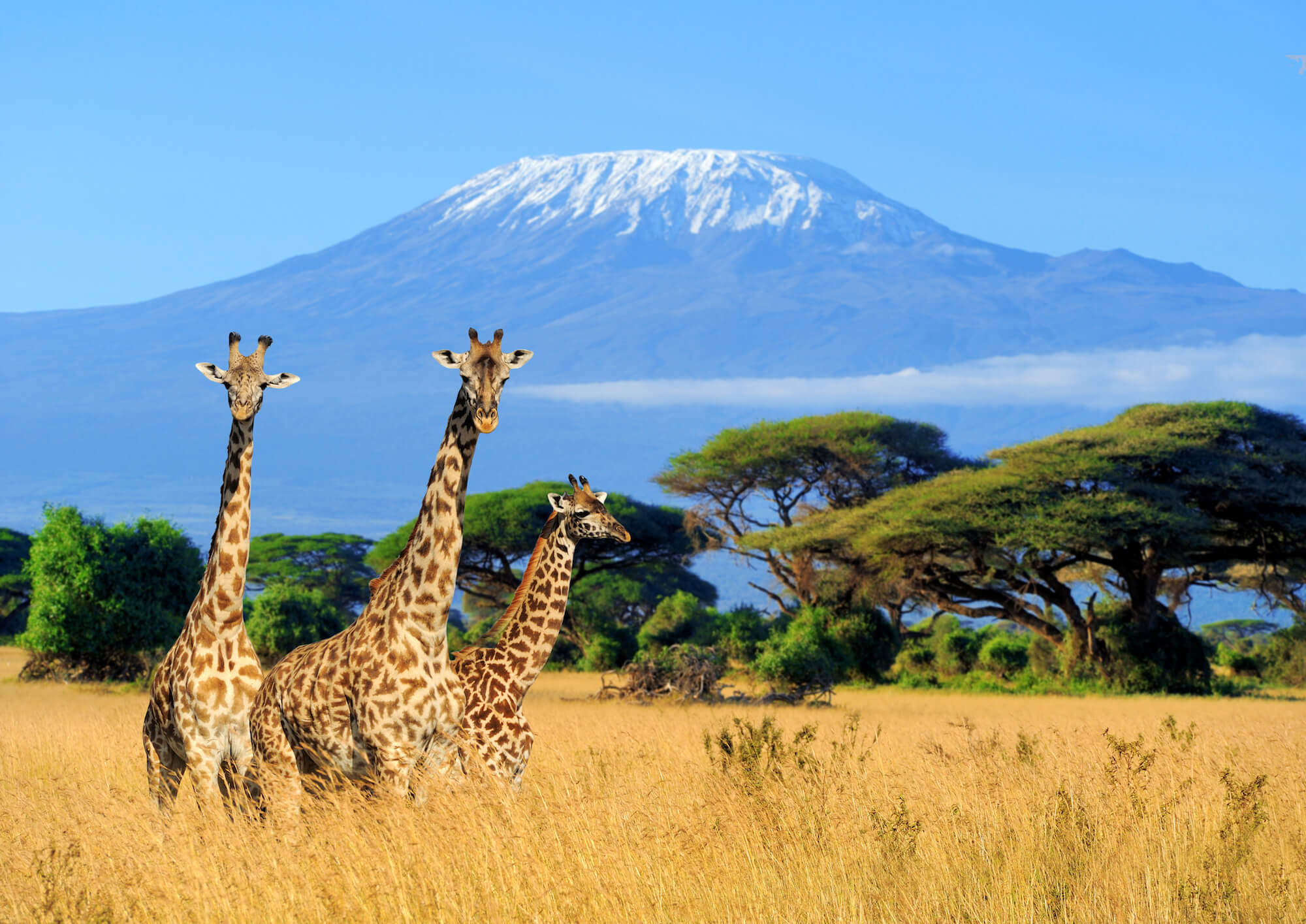
Giraffe
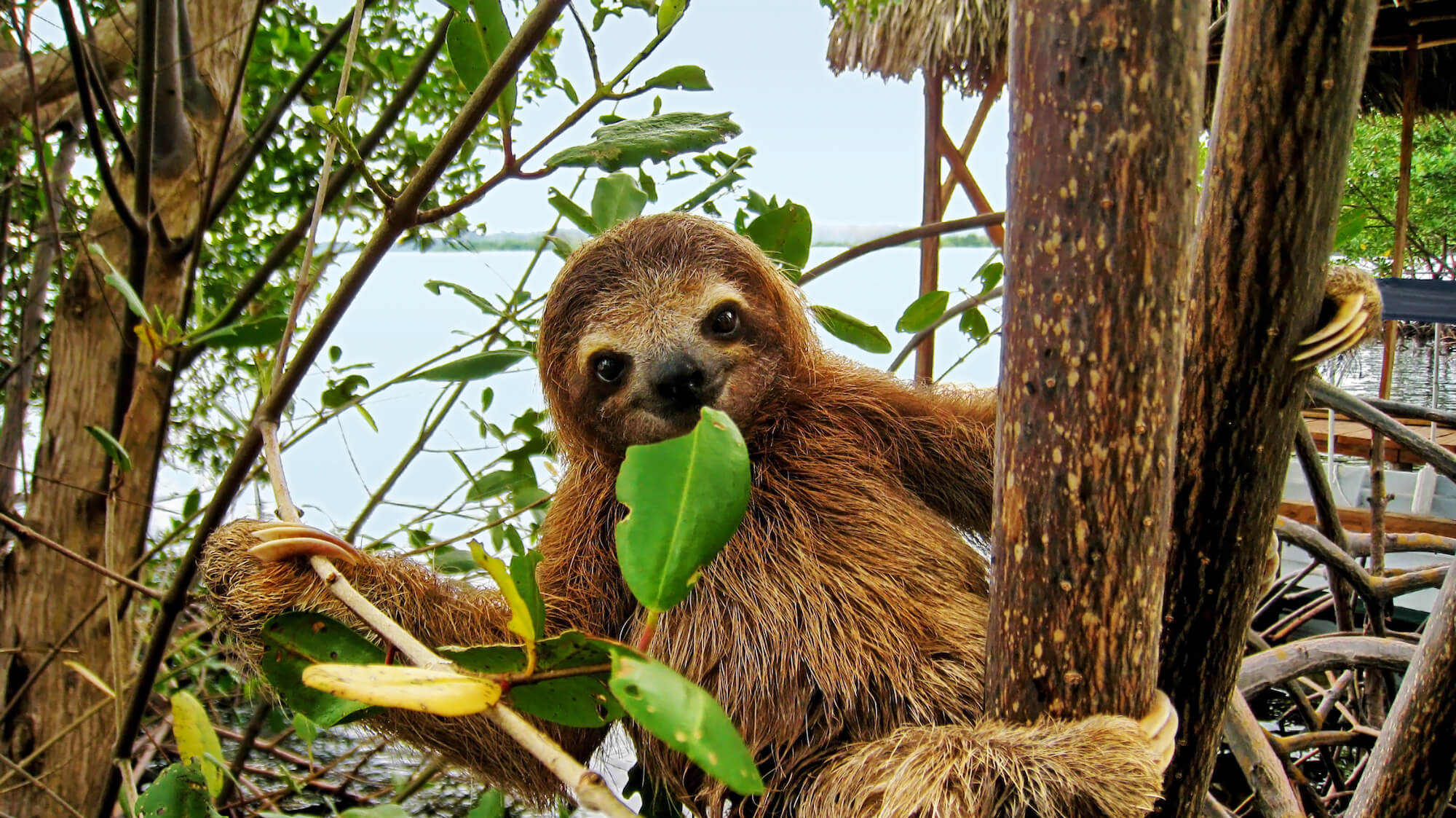
Three Toed Sloth
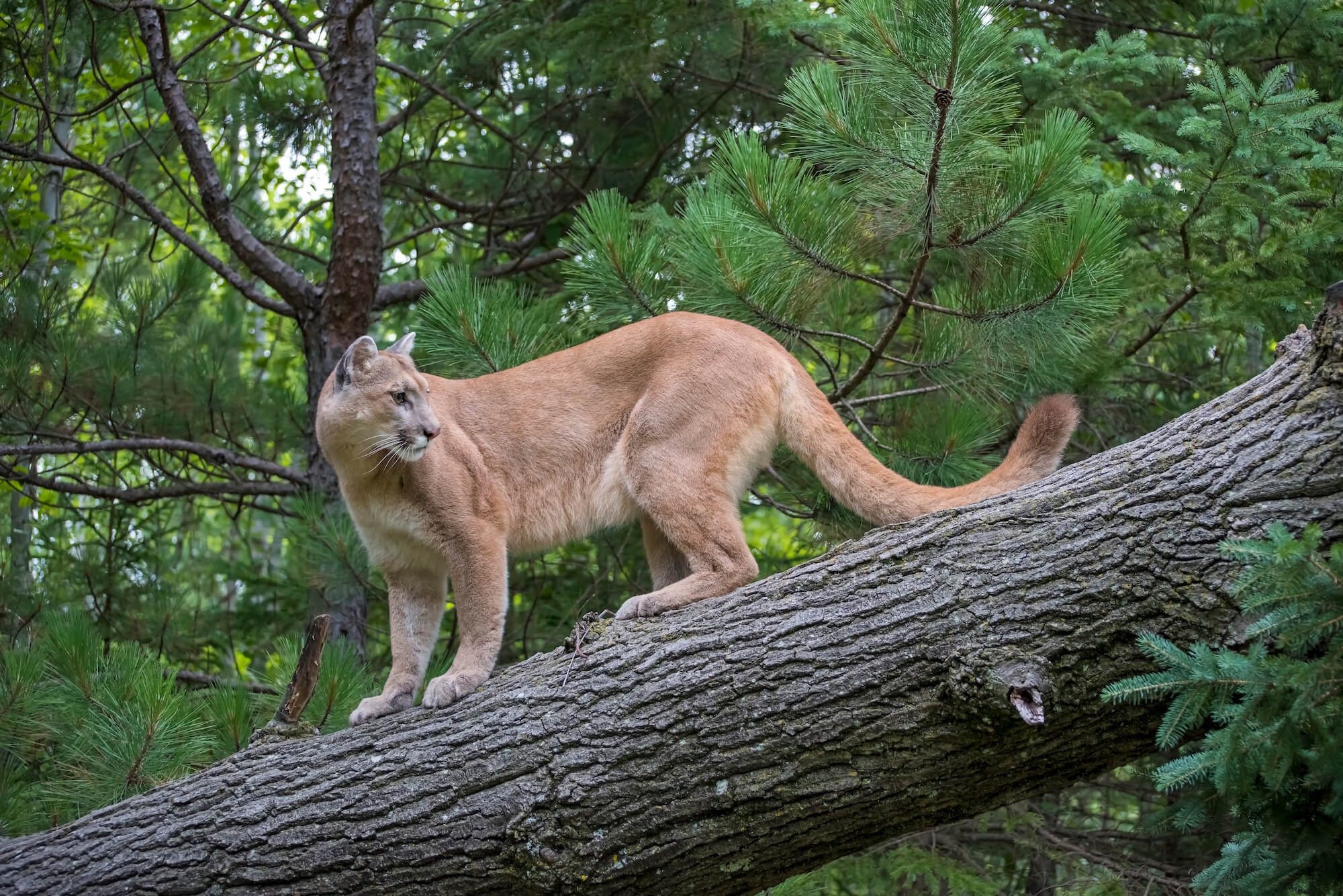
Puma

Dolphin
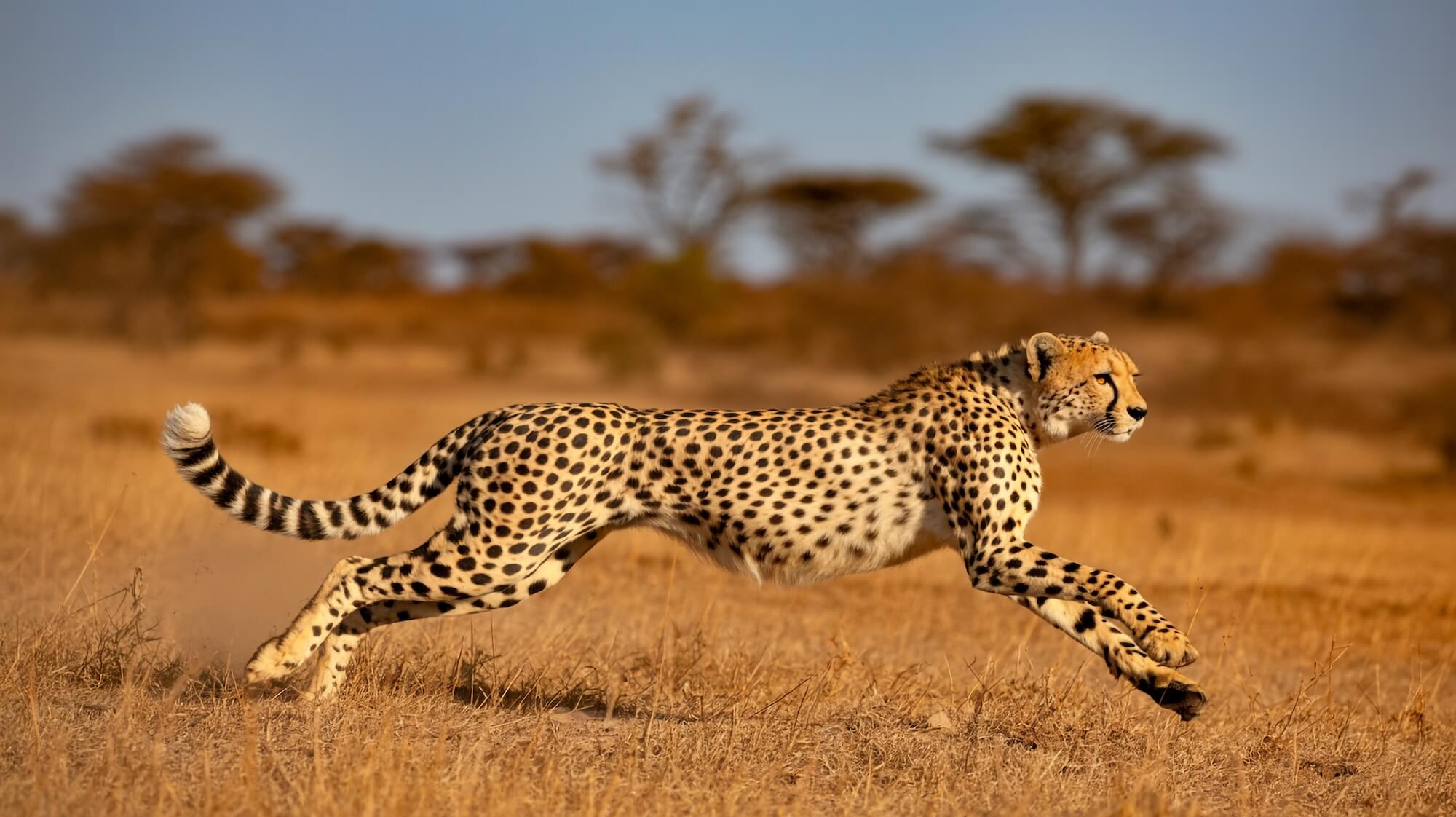
Cheetah
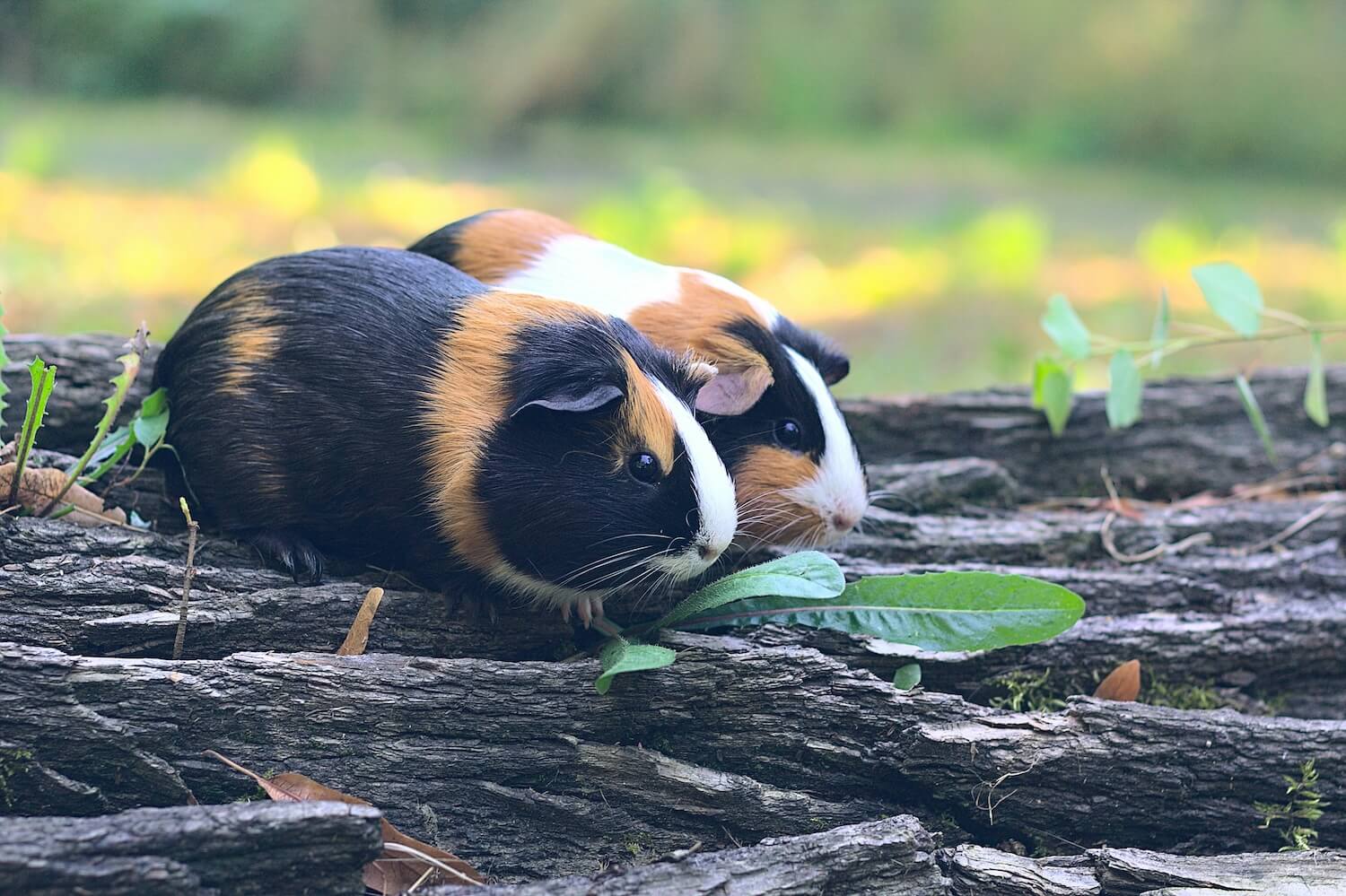
Guinea Pig
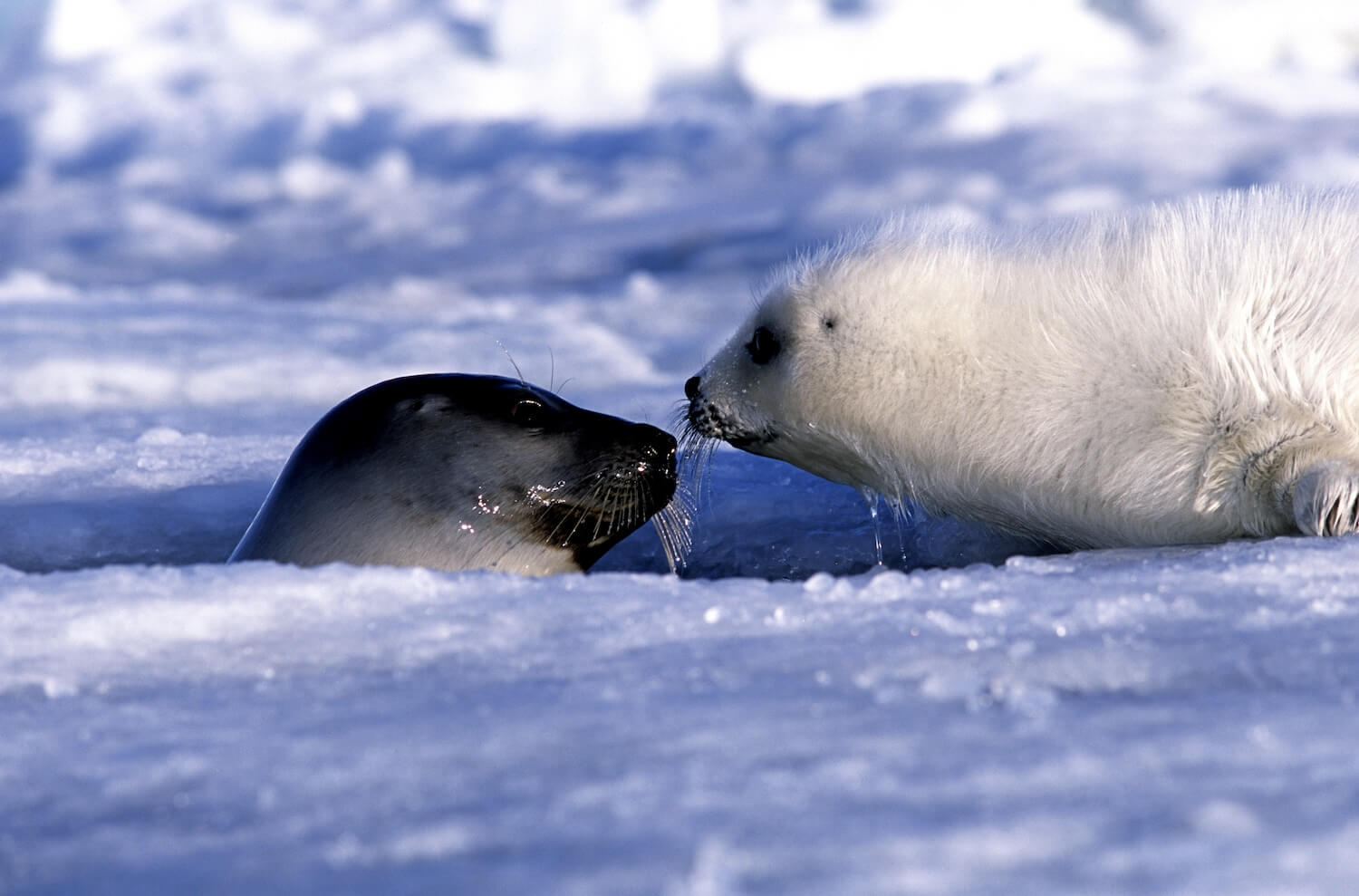
Harp Seal
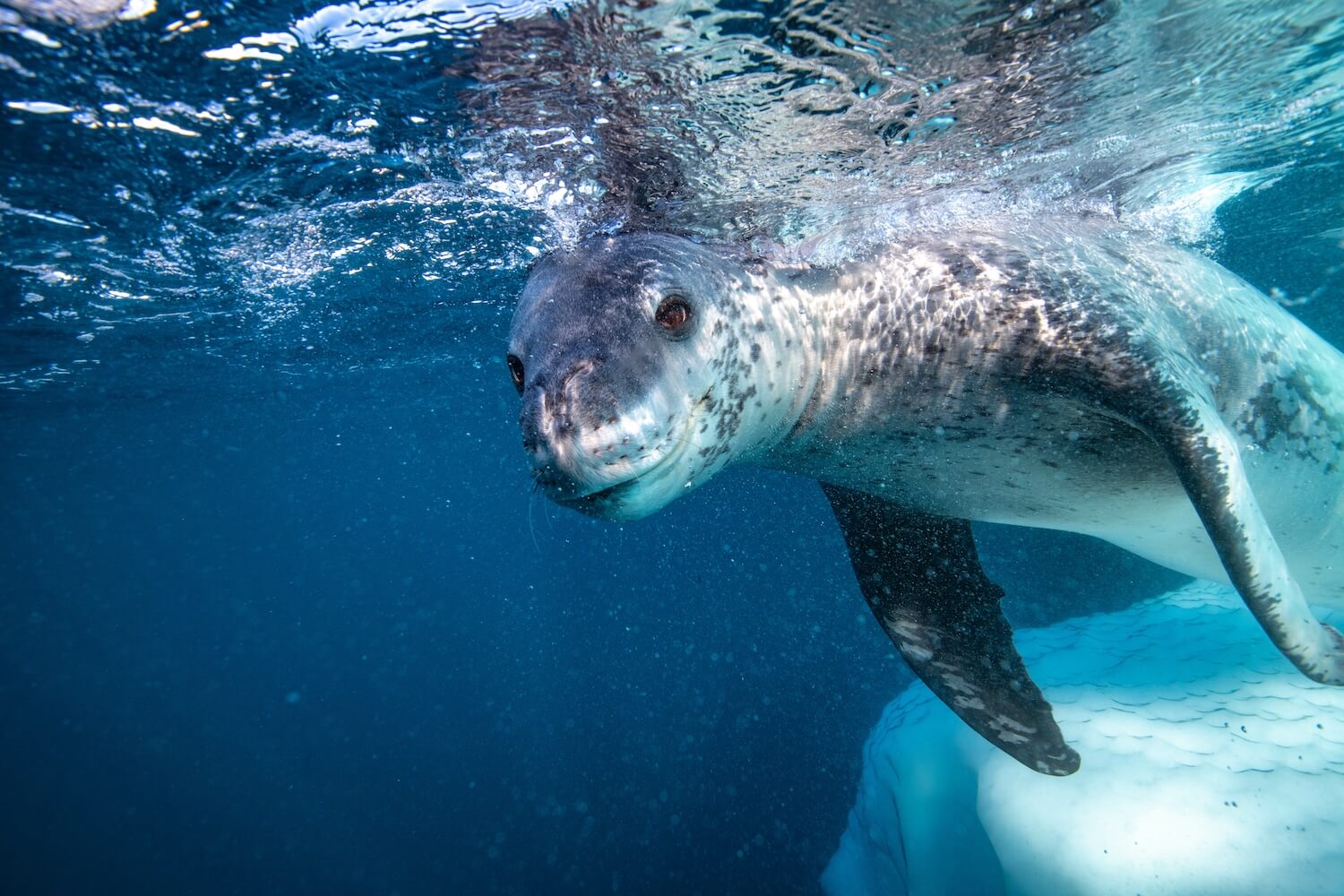
Leopard Seal
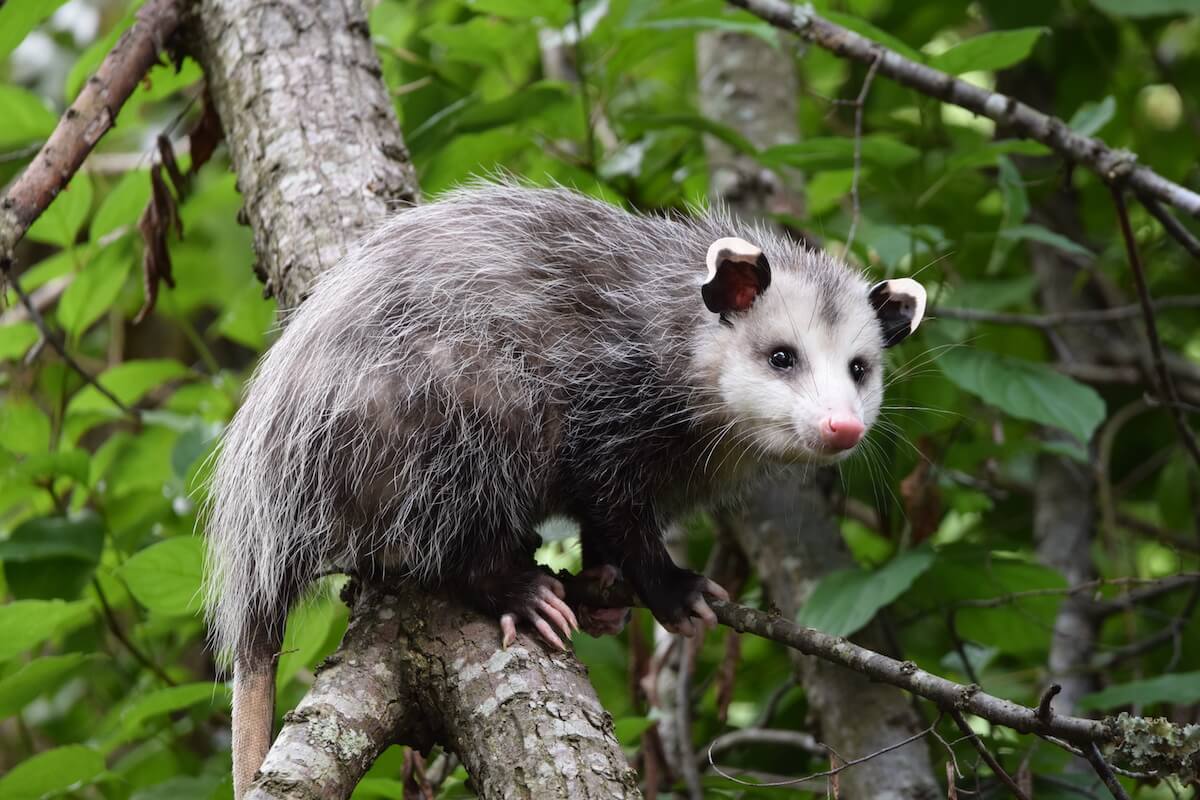
Opossum
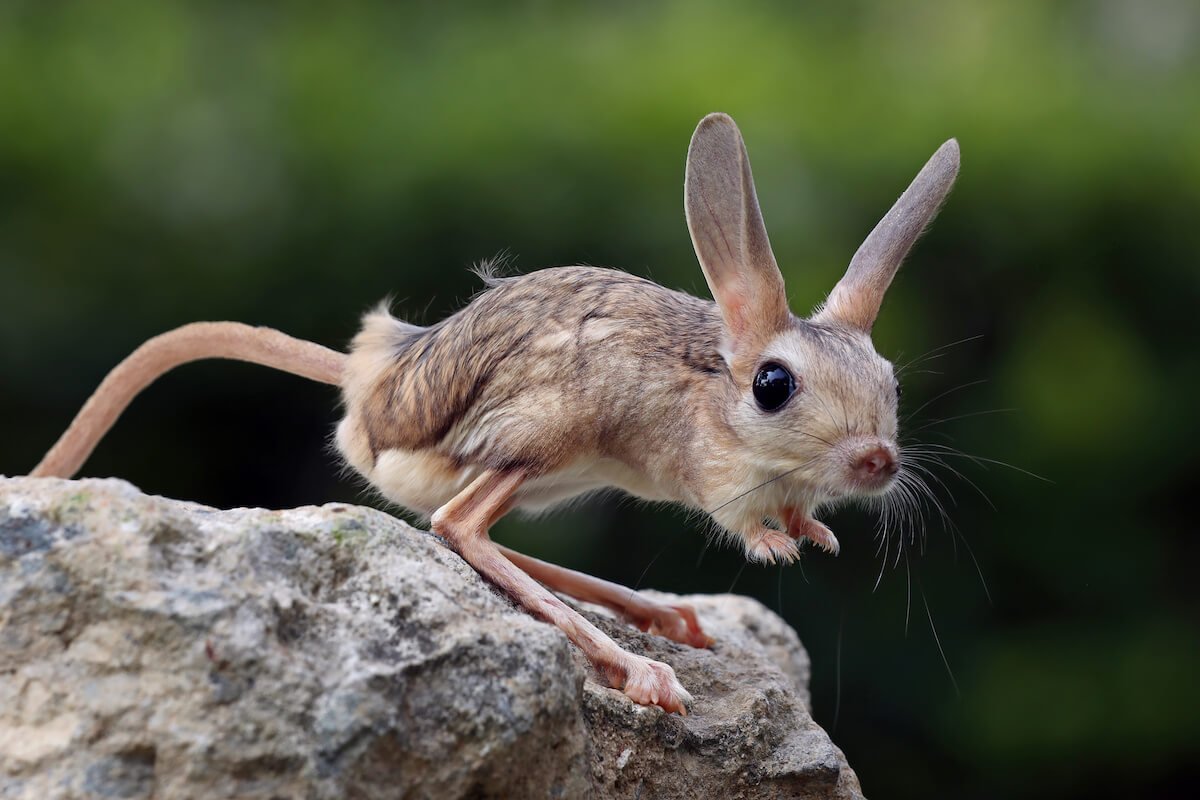
Jerboa

Red Panda
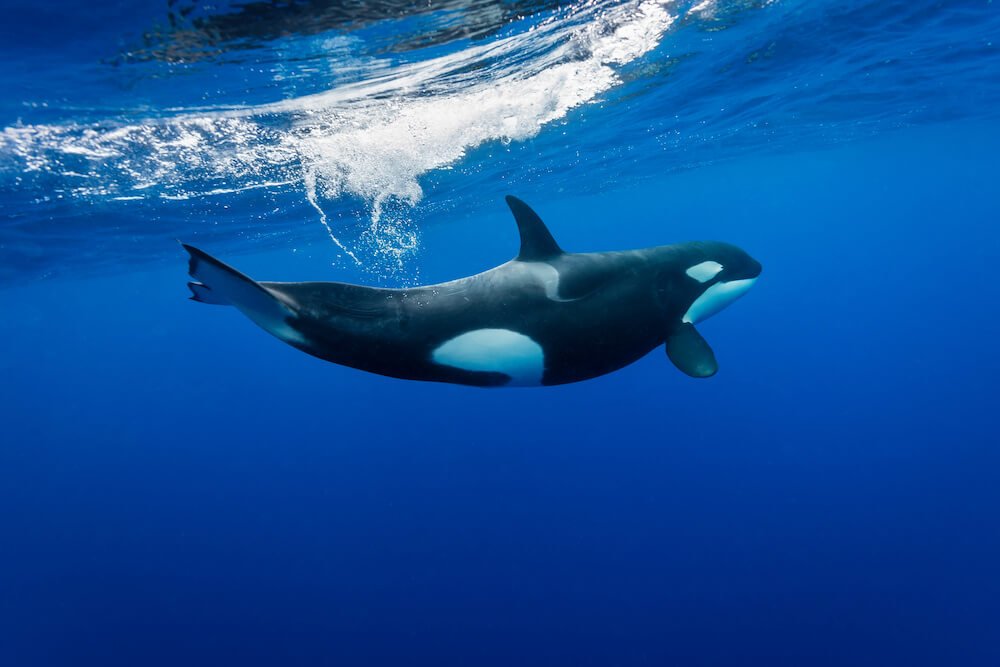
Orca
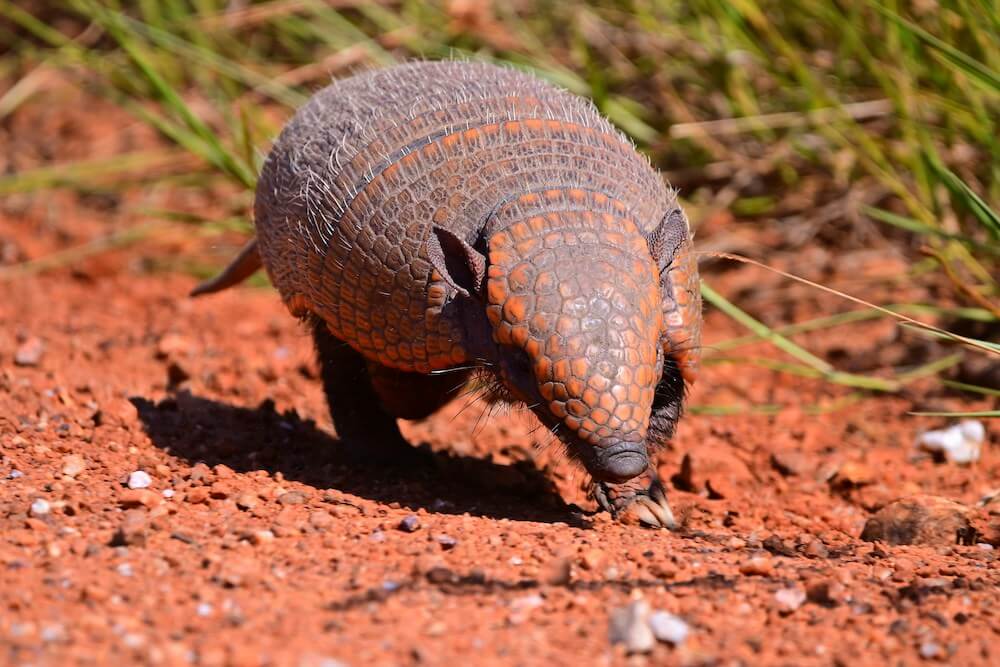
Armadillo
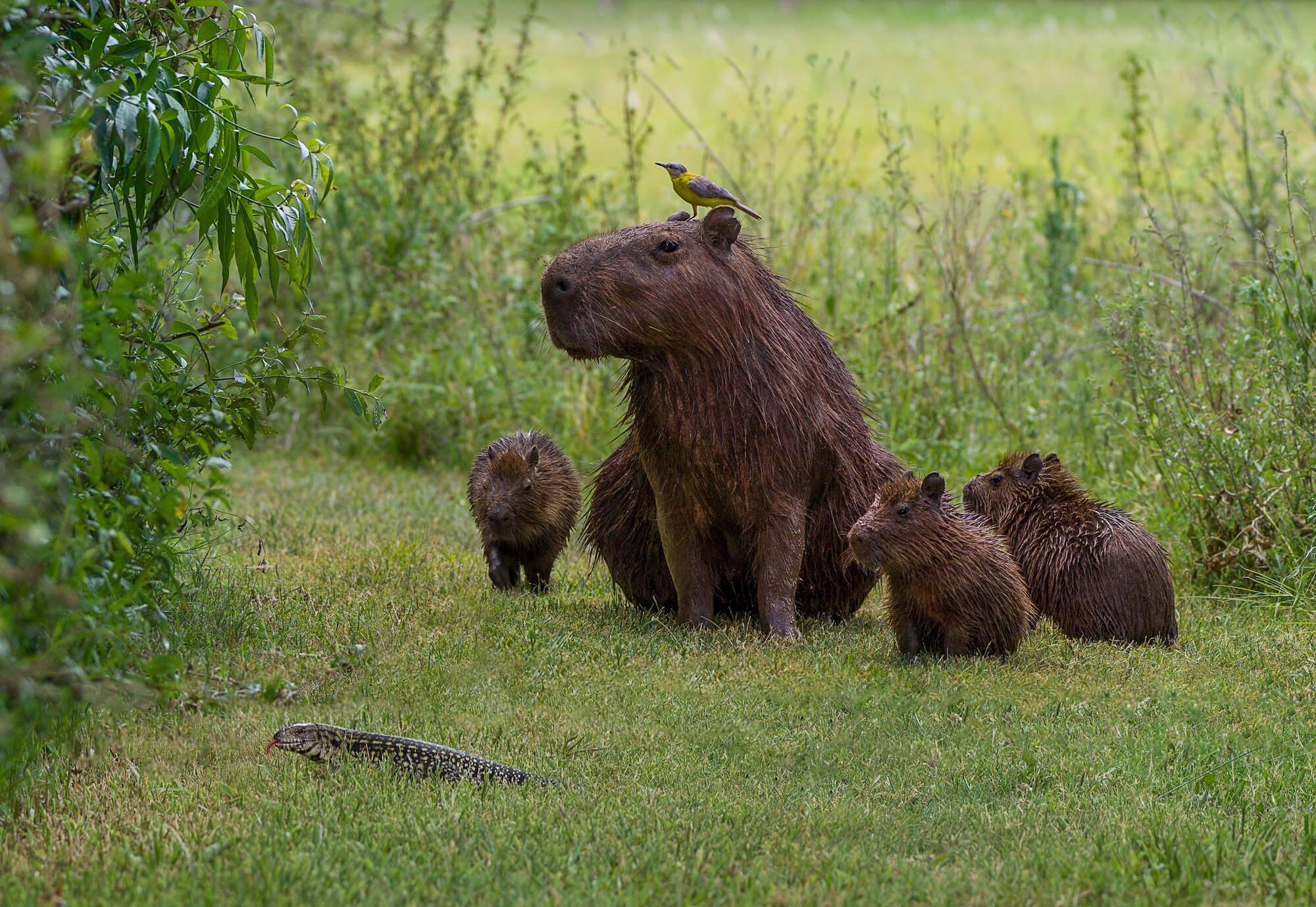
Capybara
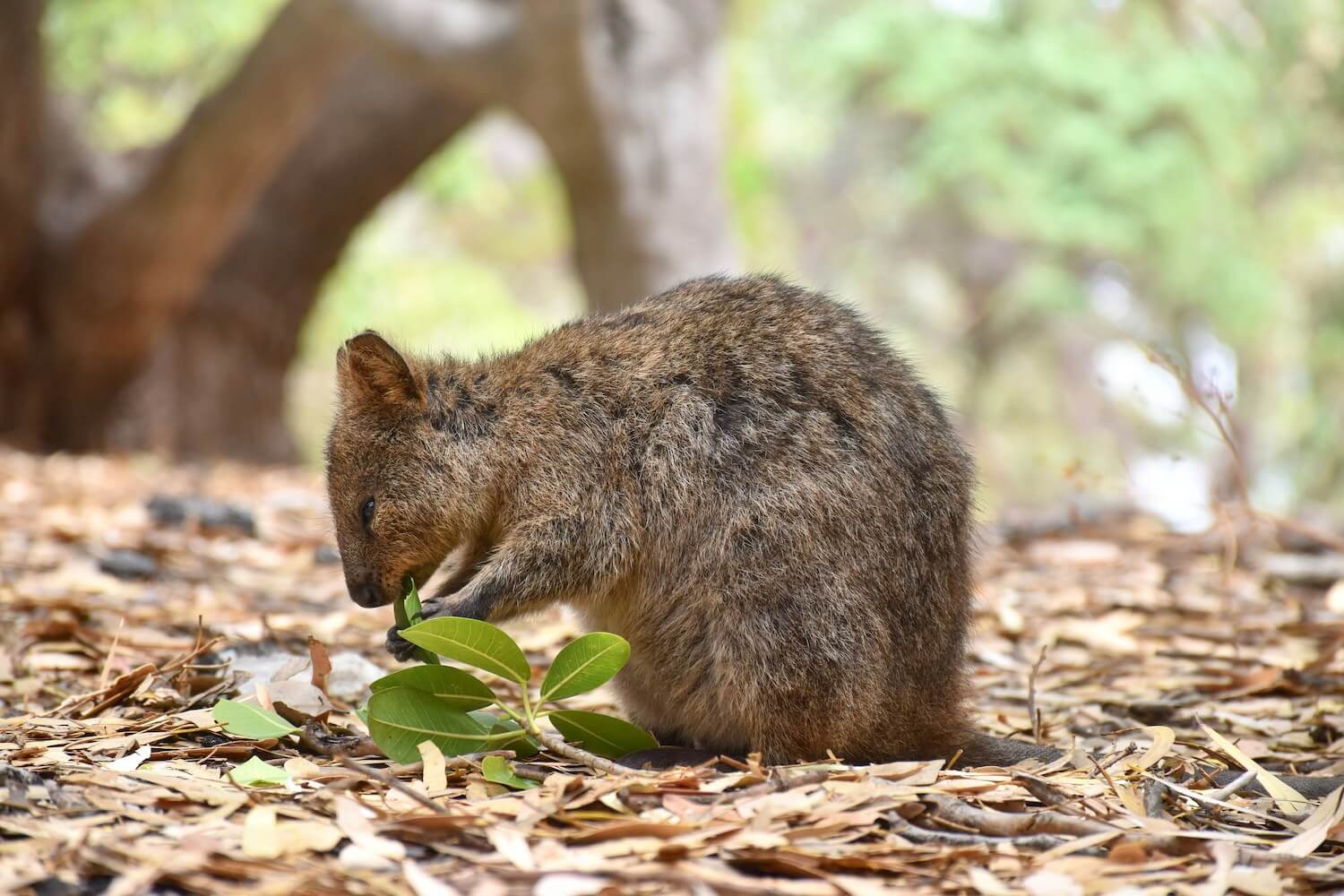
Quokka
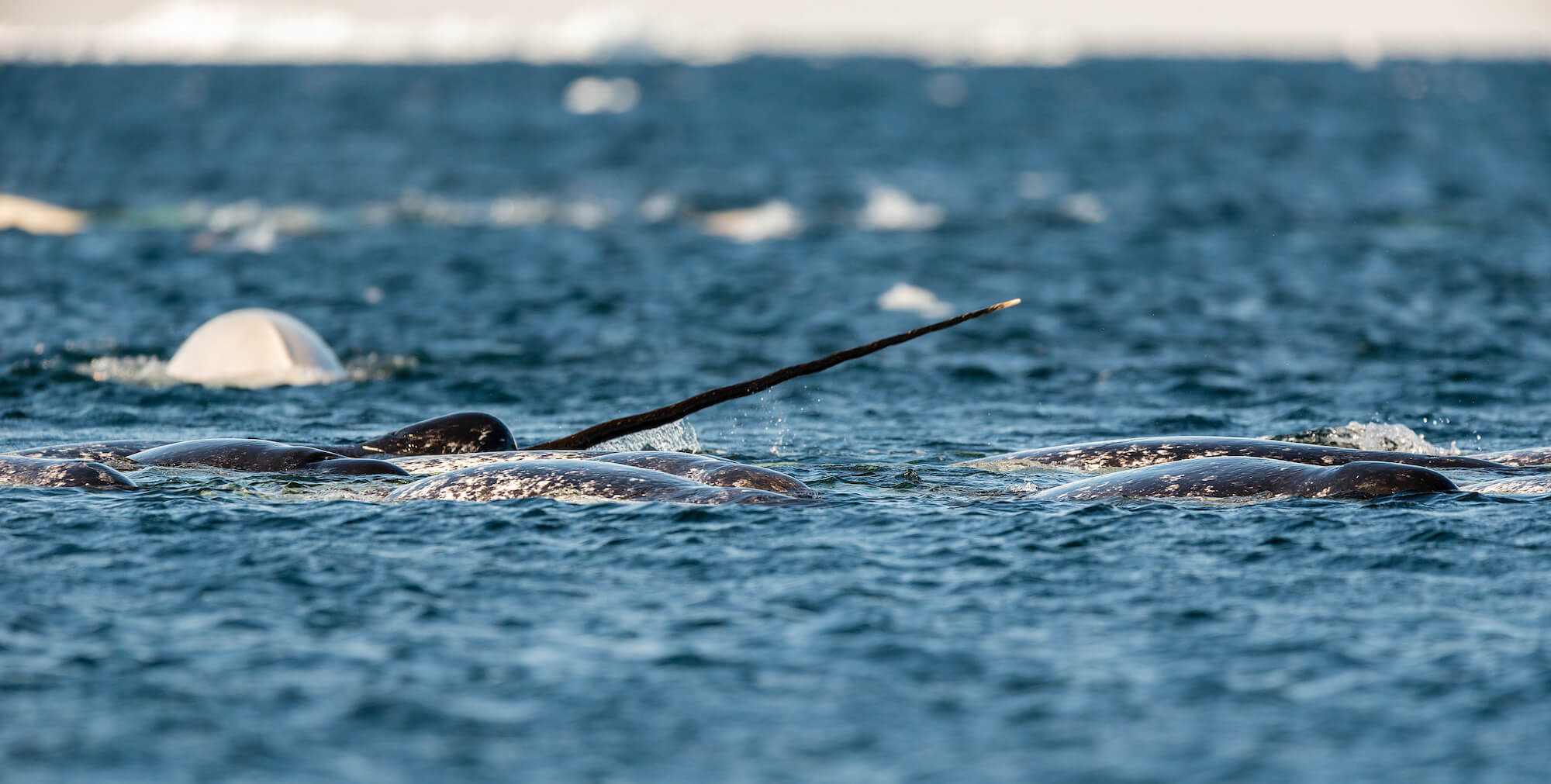
Narwhal
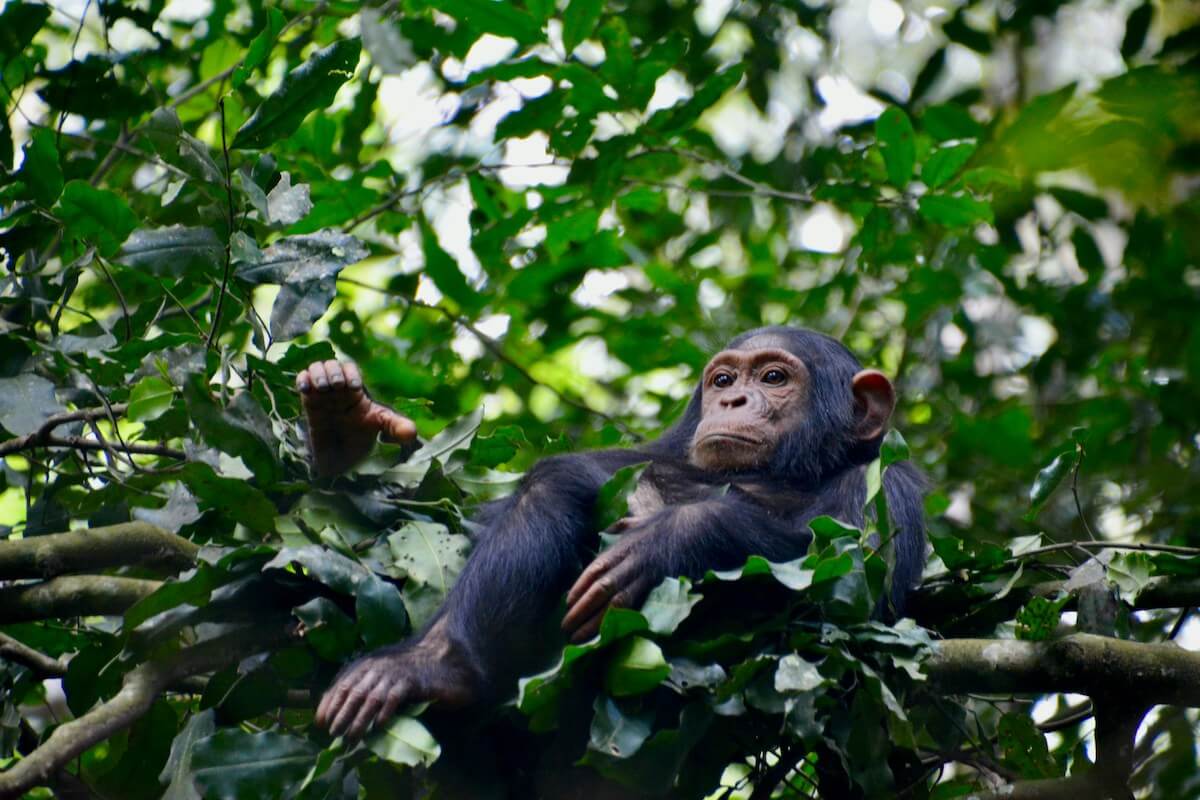
Chimpanzee
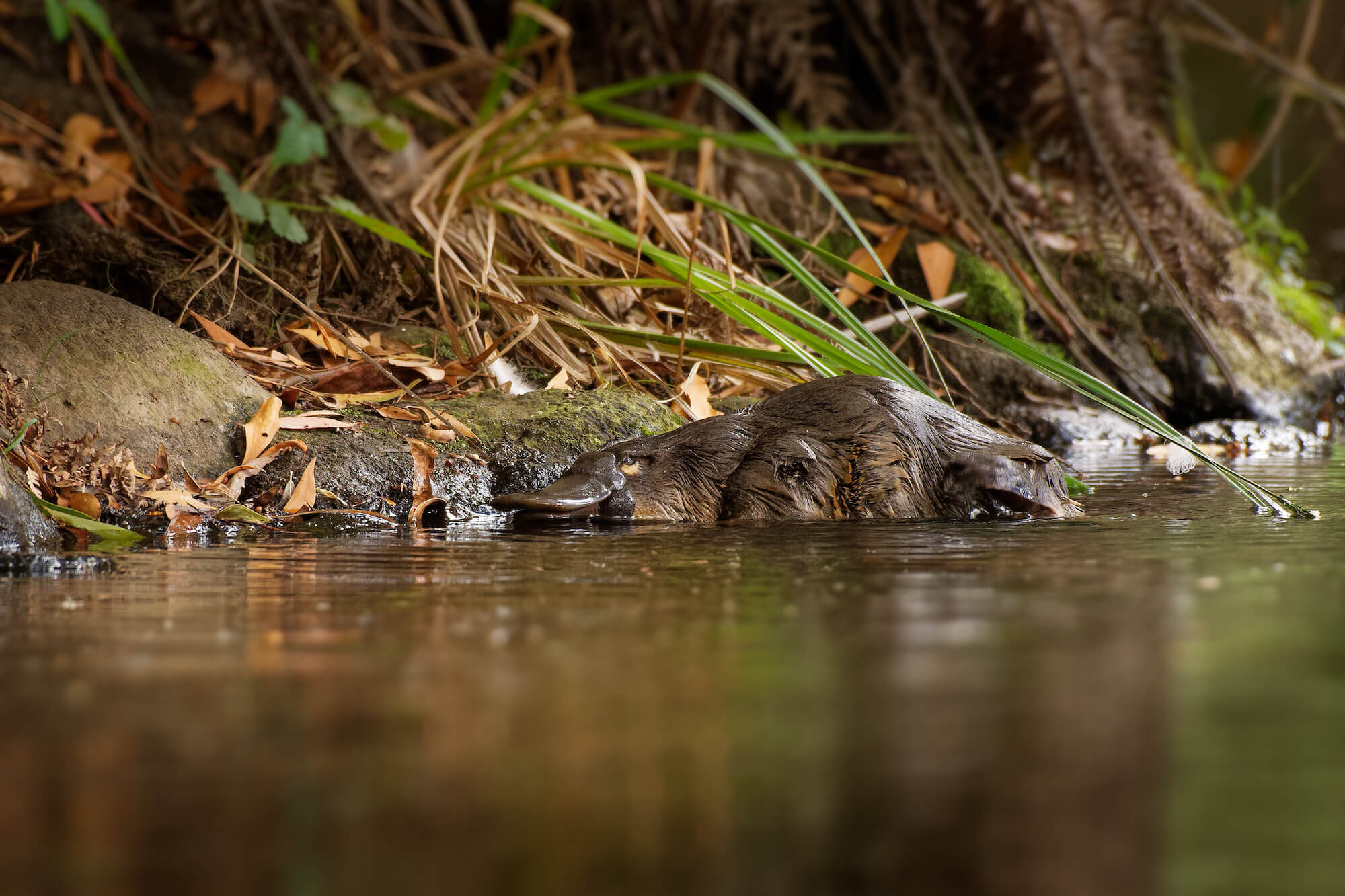
Platypus
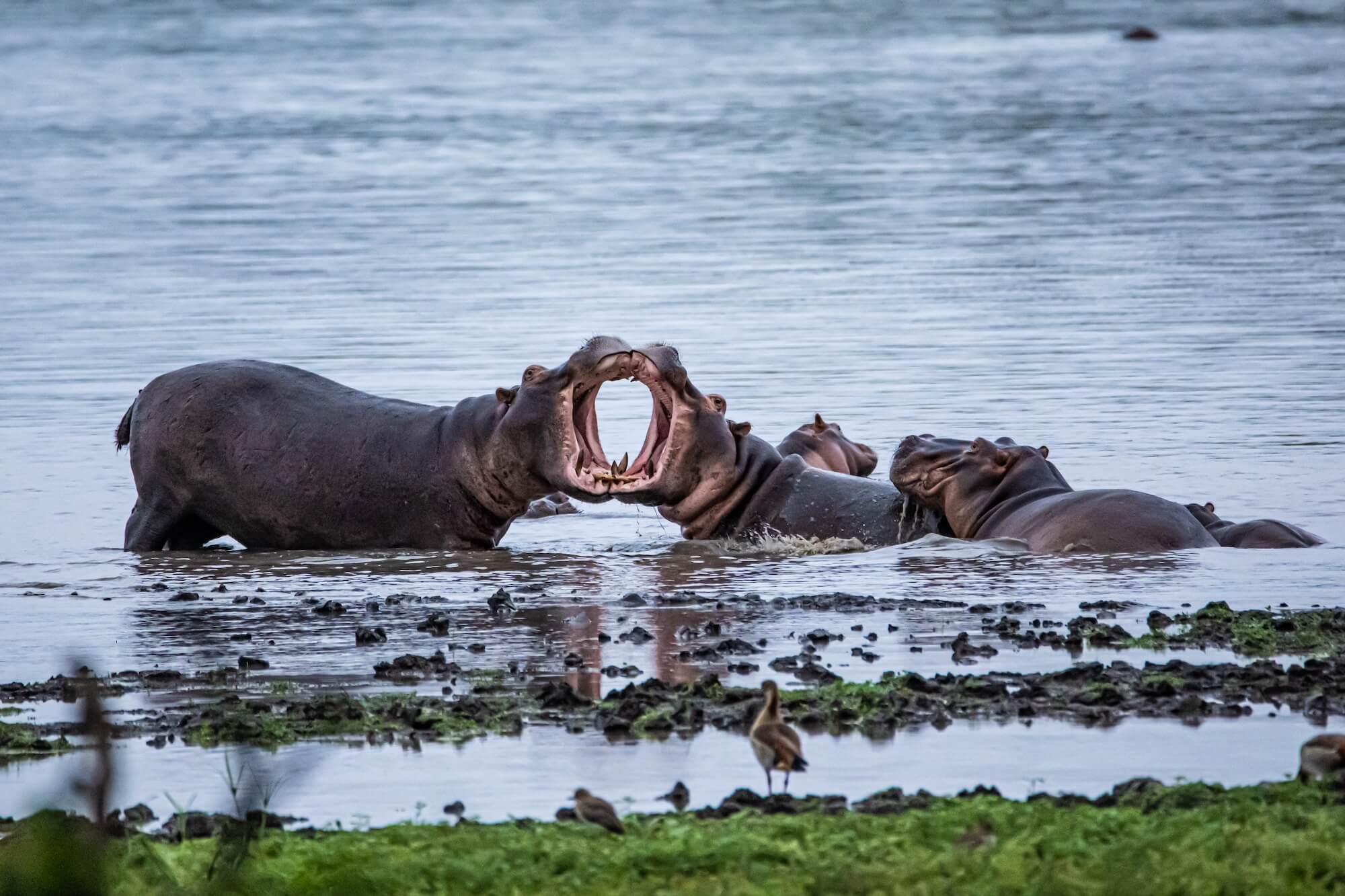
Hippopotamus
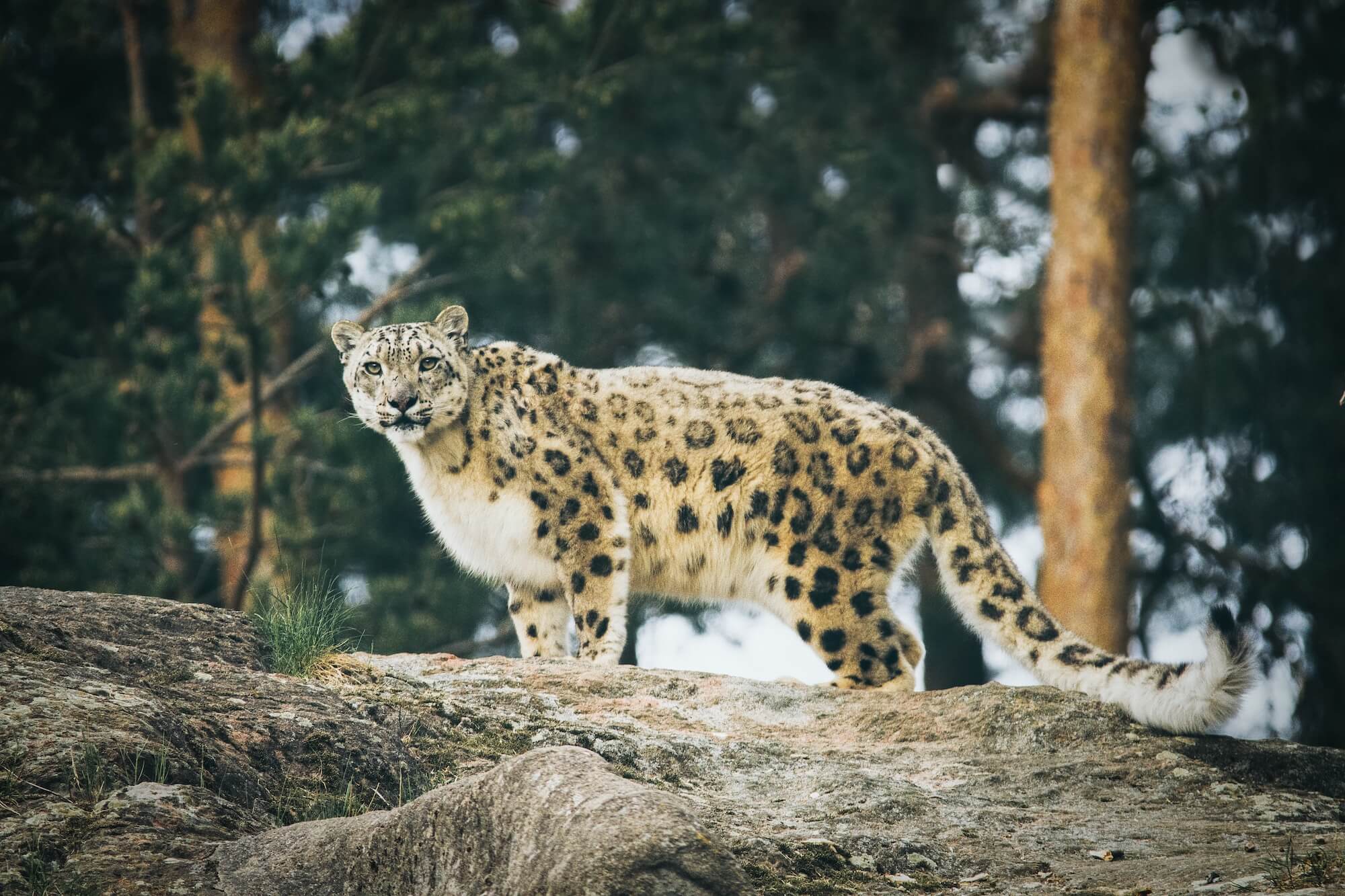
Snow Leopard
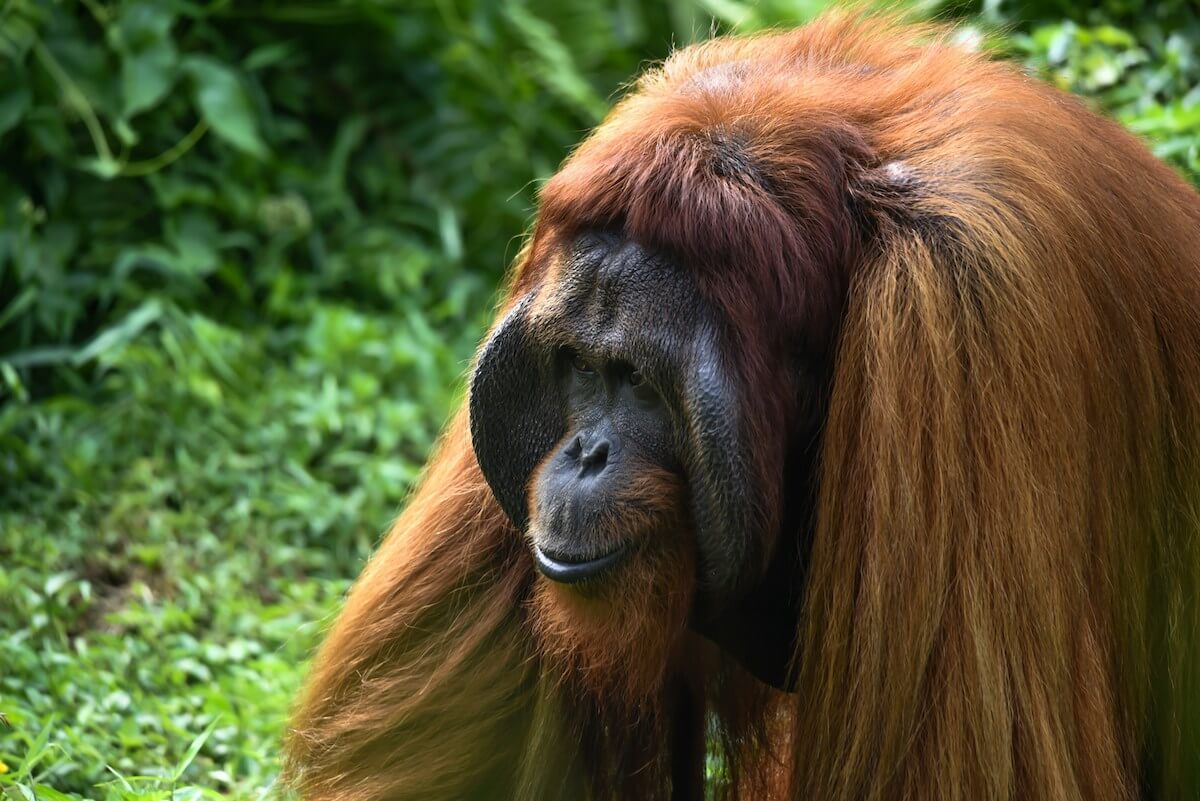
Orangutan
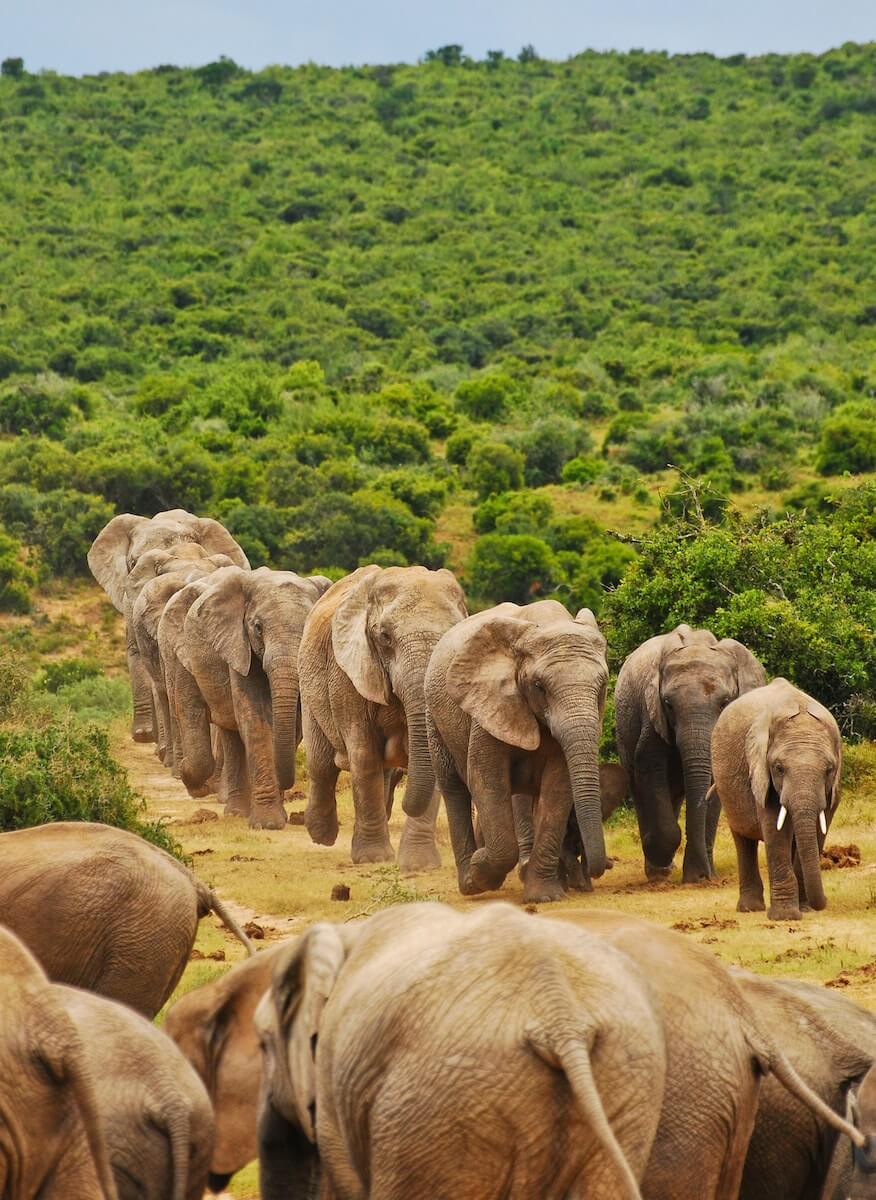
African Elephant
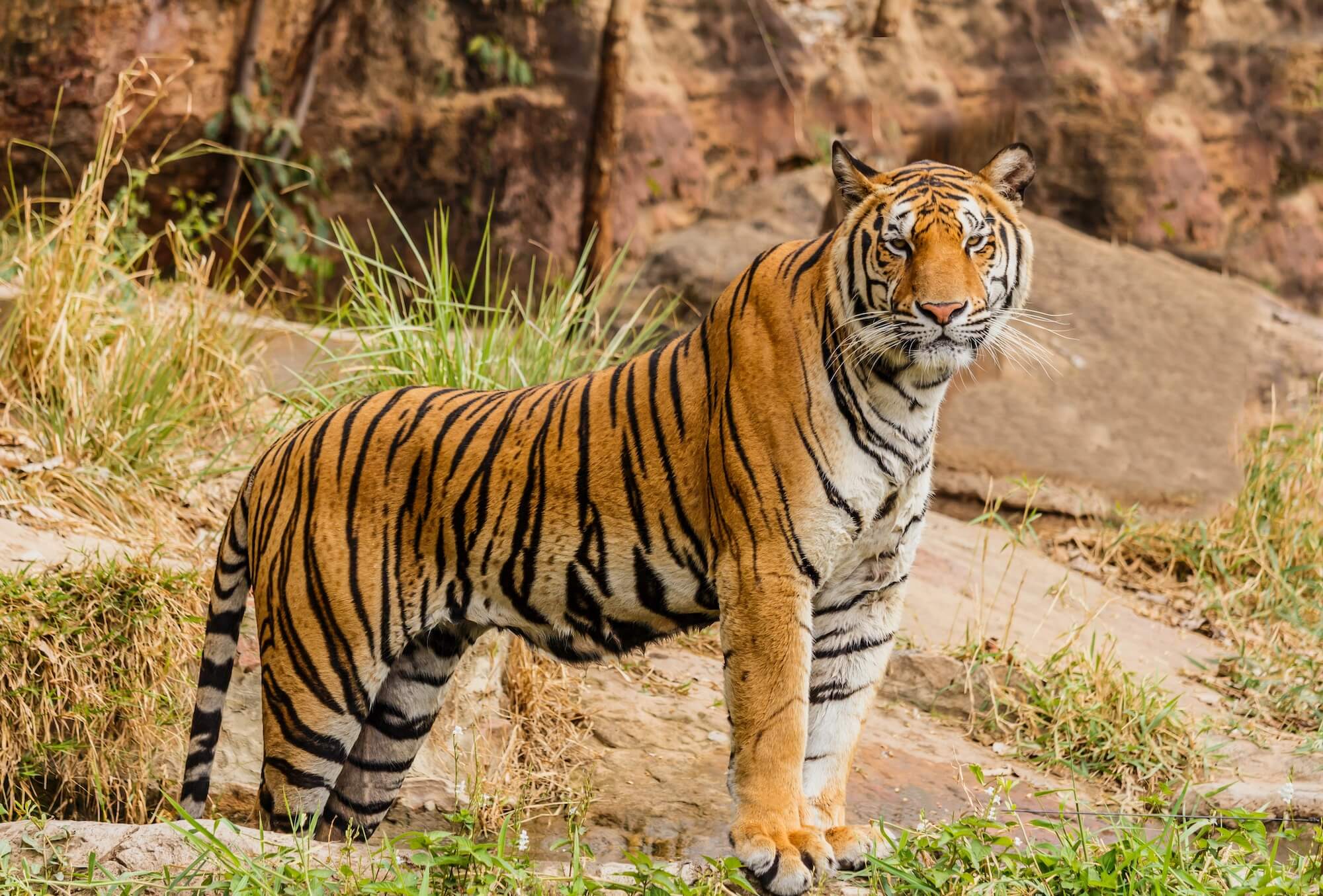
Bengal Tiger
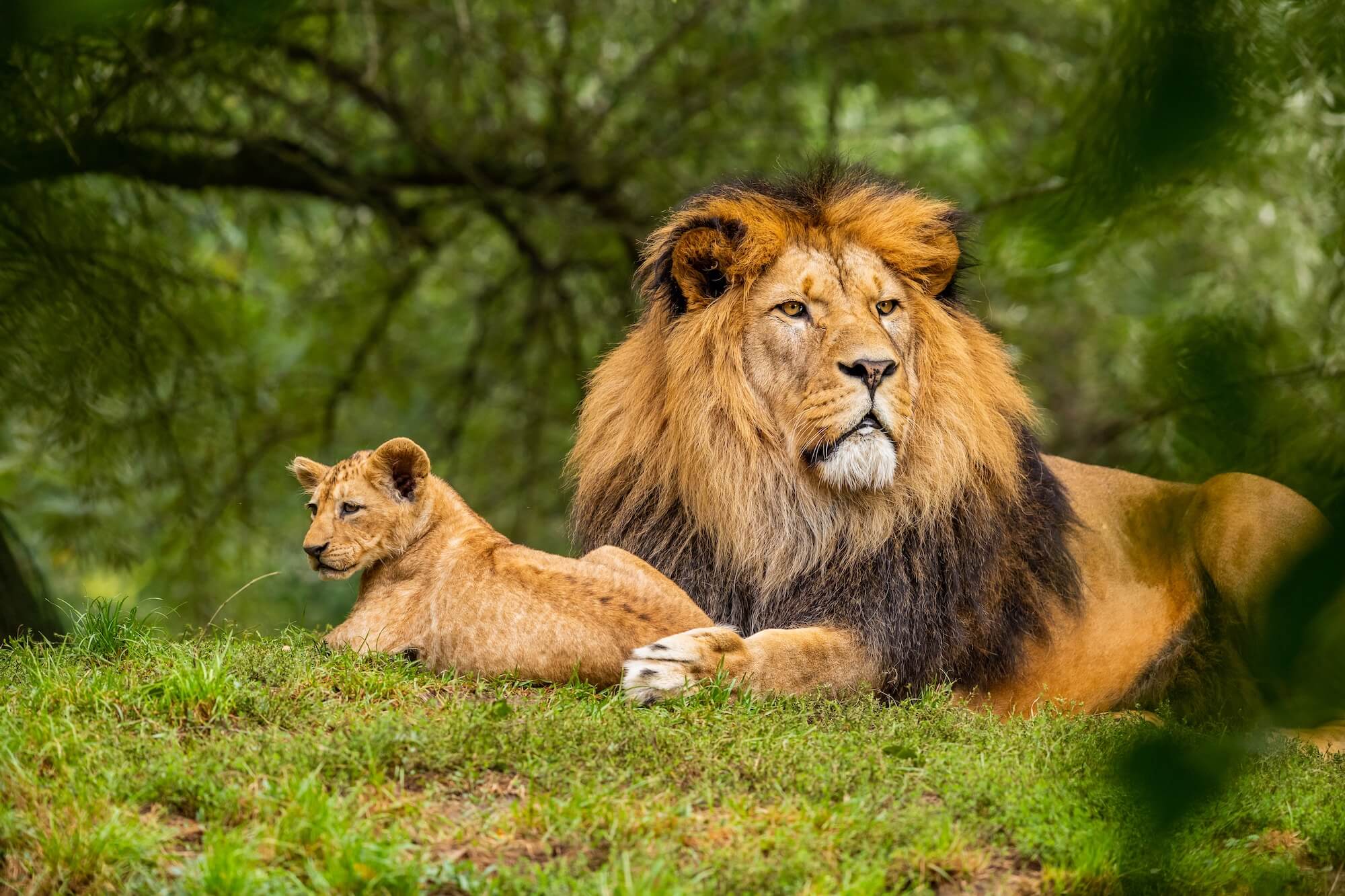
African Lion
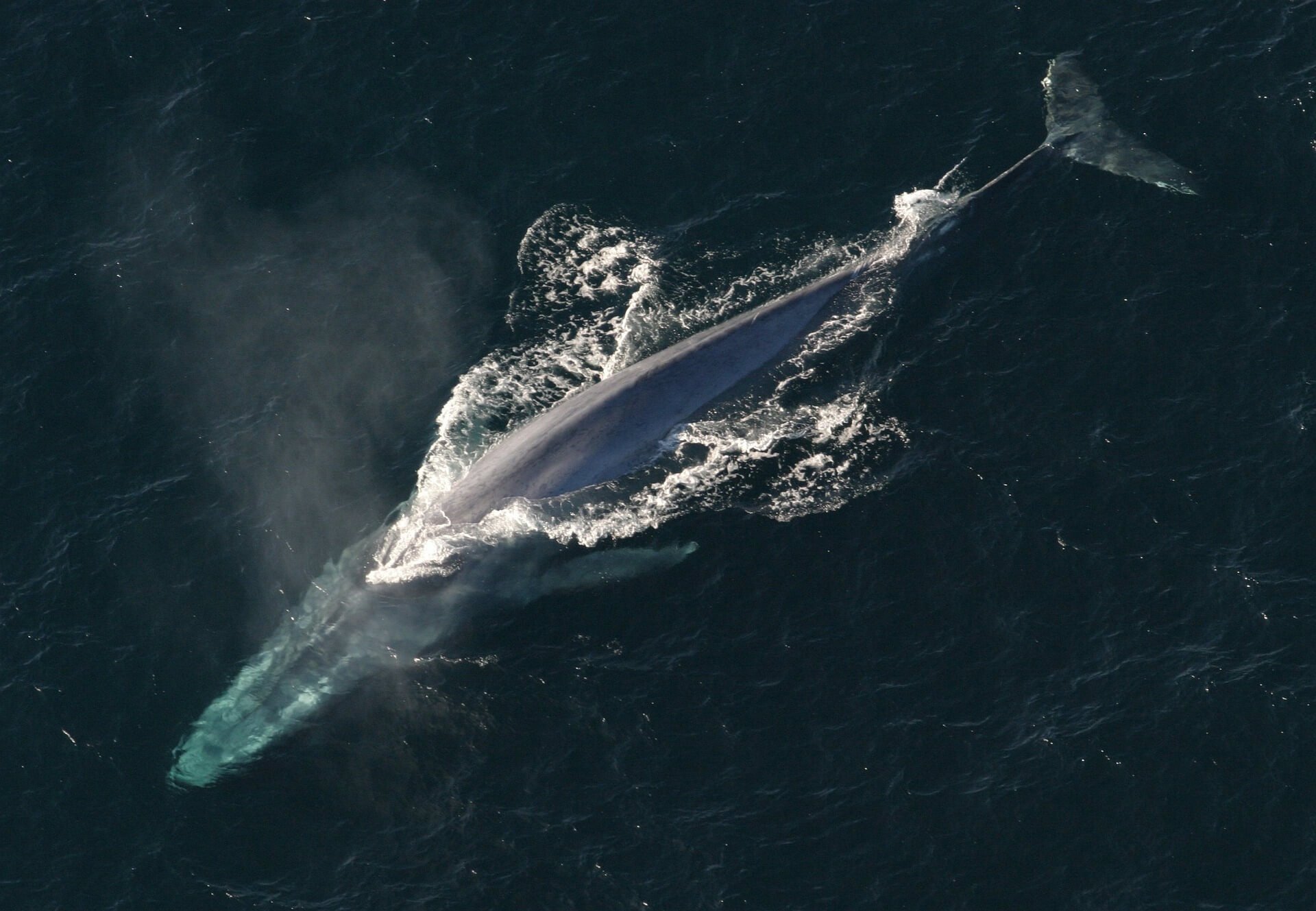
Blue Whale

Giant Panda
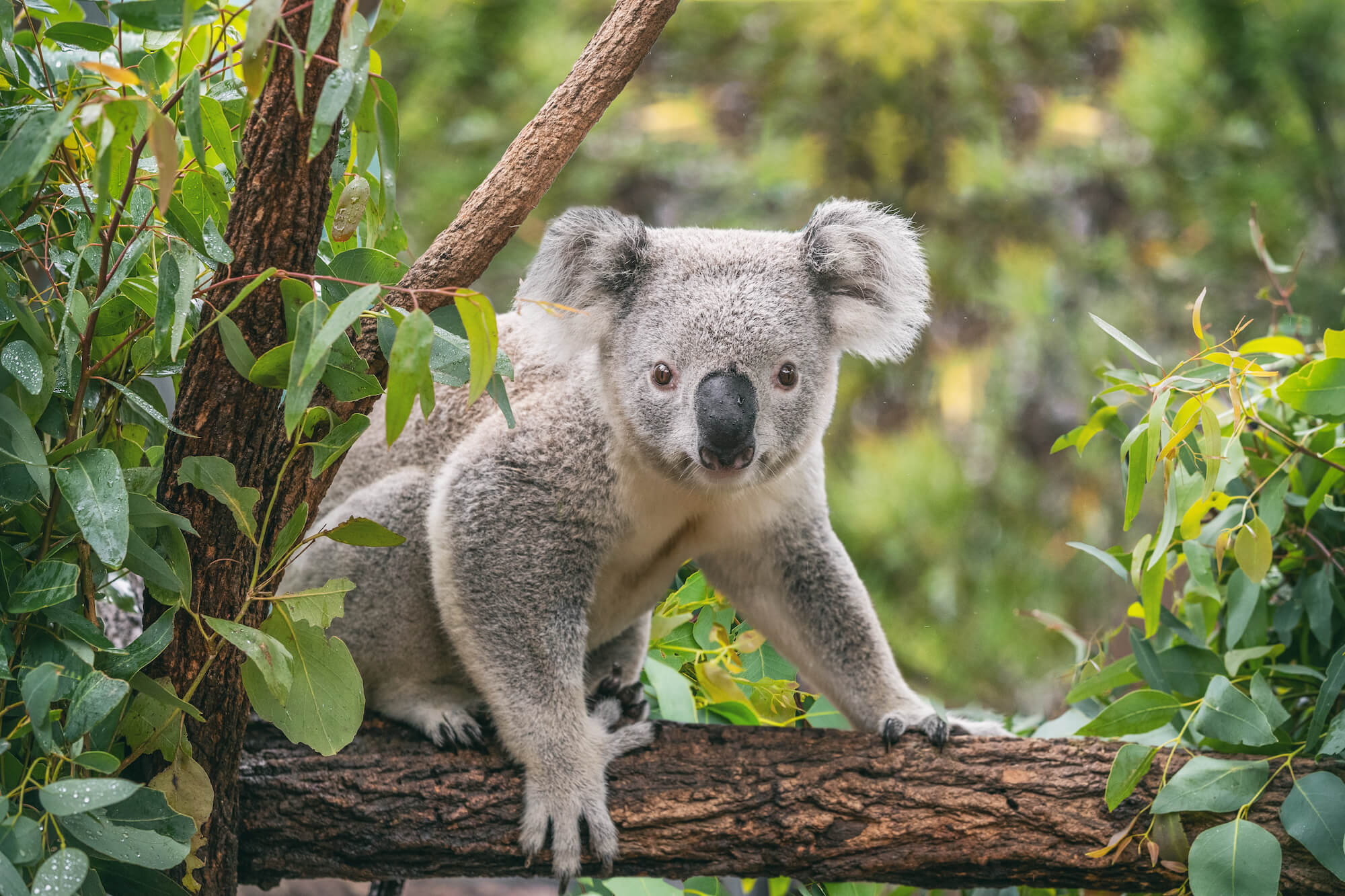
Koala
Fox
Wolf