Learn More!
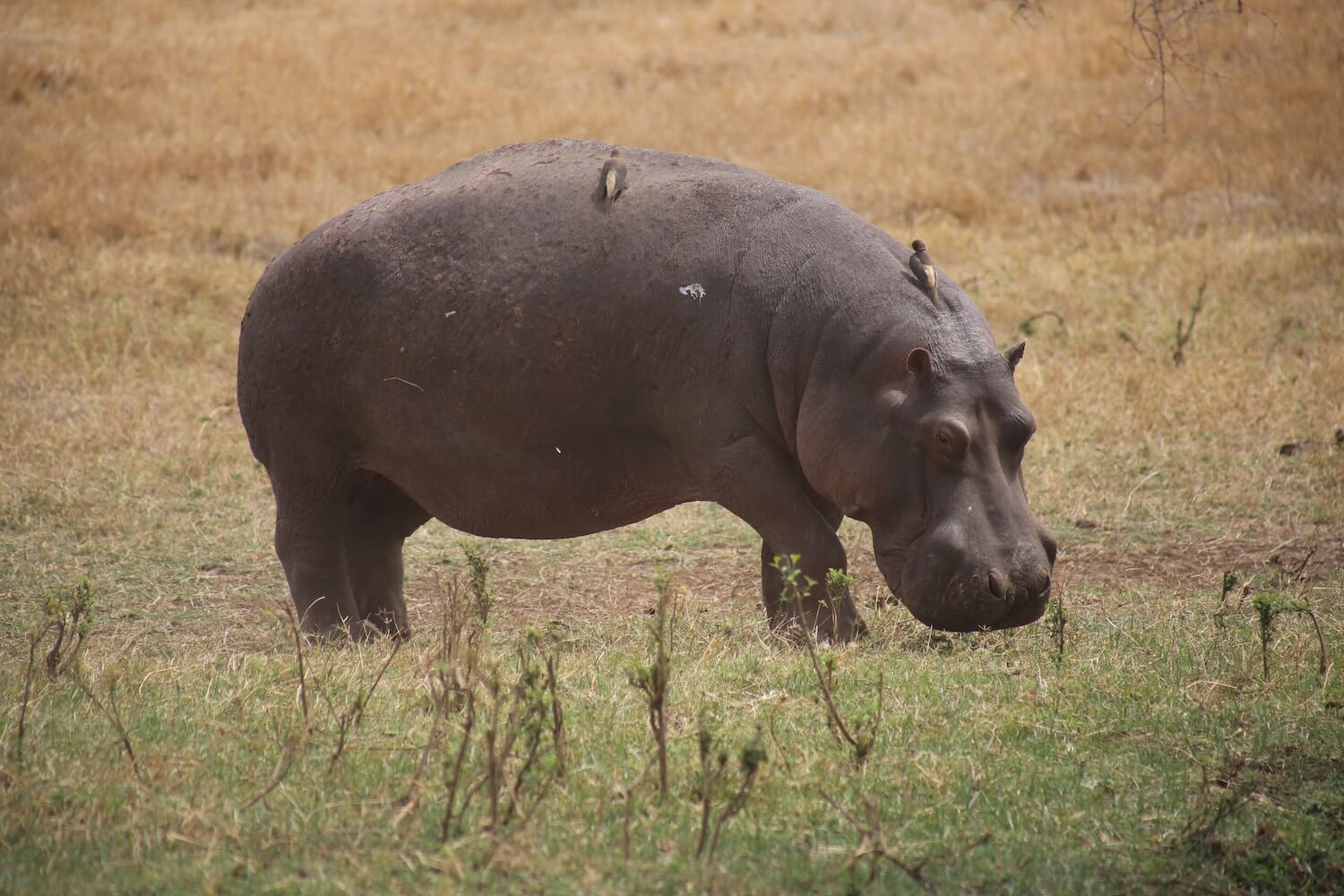
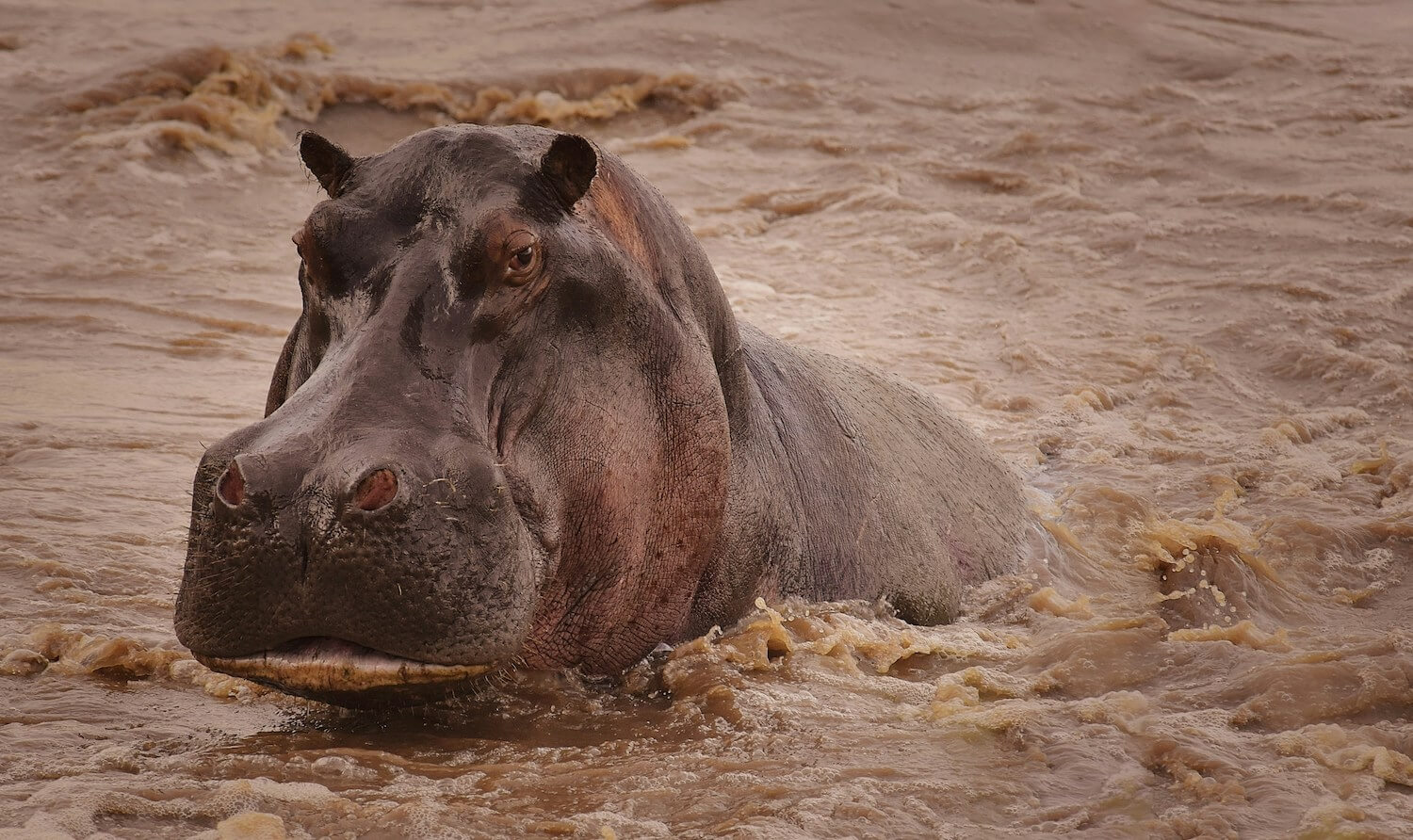
The hippopotamus (Hippopotamus amphibius) is one of the largest land mammals, known for its massive size, barrel-shaped body, and affinity for water. Hippos are native to sub-Saharan Africa and are typically found in rivers, lakes, and swamps. Adult hippos can weigh between 2,200 and 4,400 pounds, with males being larger than females. Their thick skin is almost hairless and ranges in color from gray to brown, with pink areas around the eyes and ears. Despite their bulk, hippos are surprisingly agile and can move quickly both in water and on land.
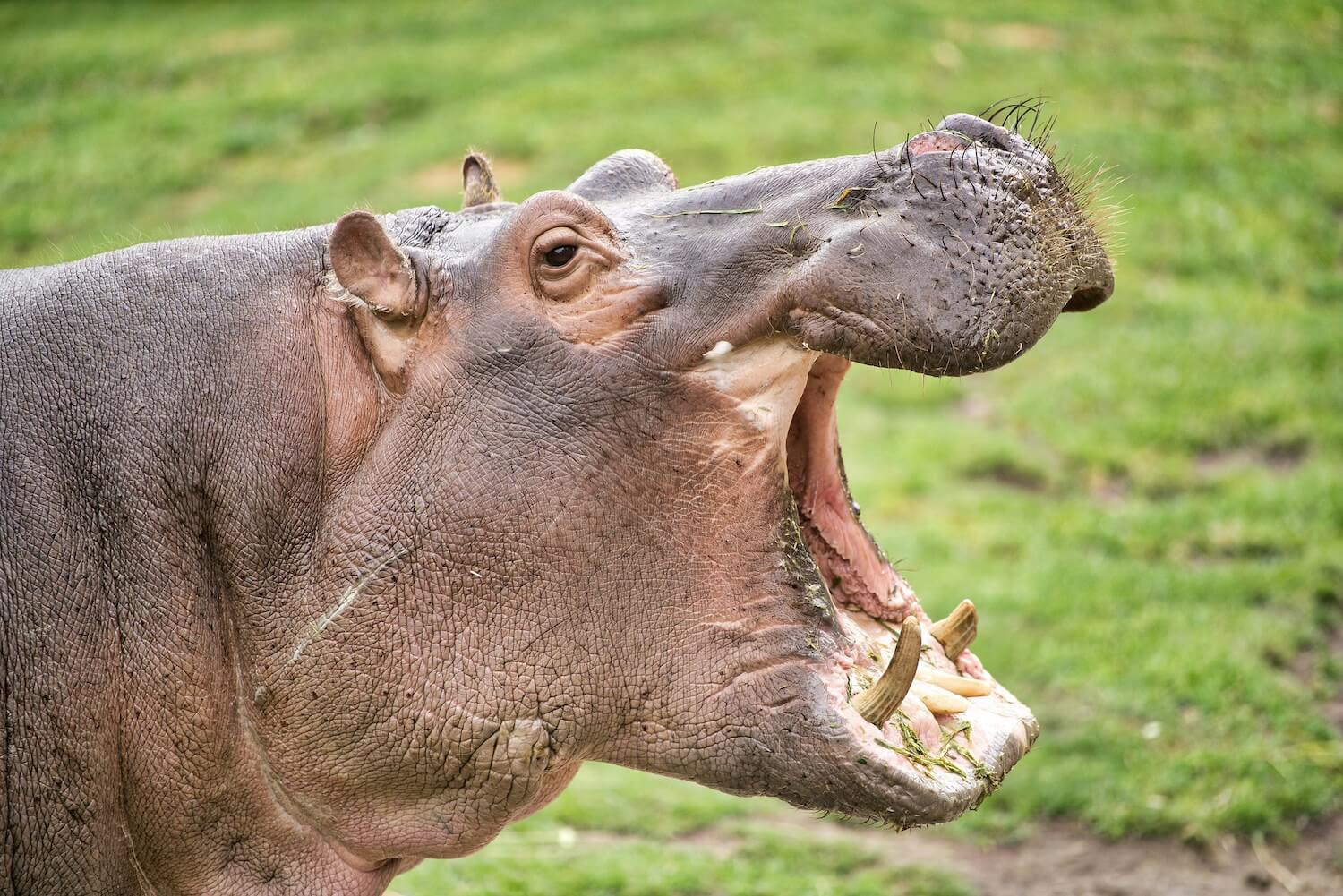
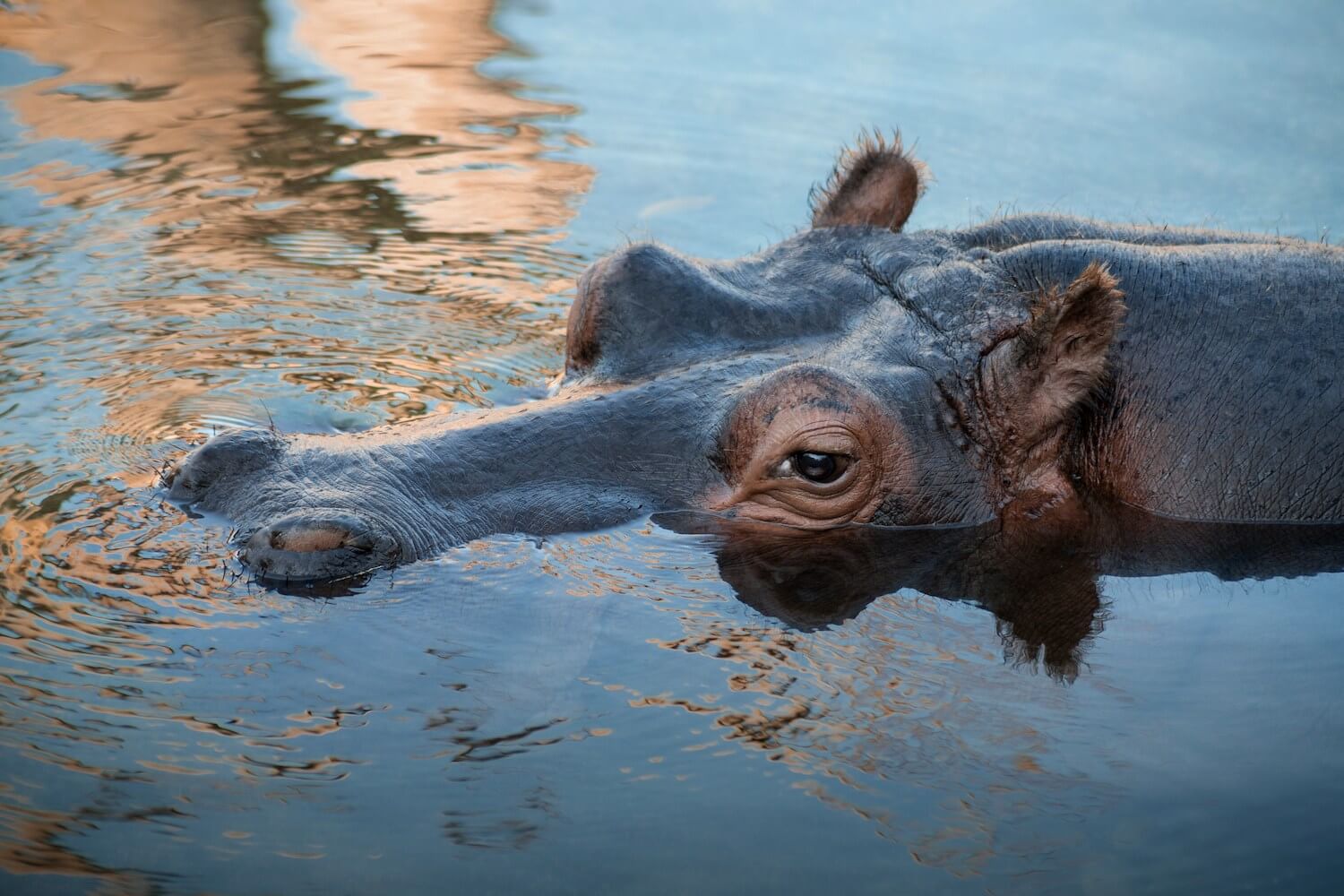
Hippos are semi-aquatic, spending most of their daylight hours submerged in water to stay cool and protect their sensitive skin from the sun. They come out of the water at dusk to graze on grasses and other vegetation. Hippos are herbivores, consuming up to 80 pounds of grass each night. Their large, tusk-like canines and incisors are not used for feeding but for defense and fighting, especially among males competing for territory and mates.
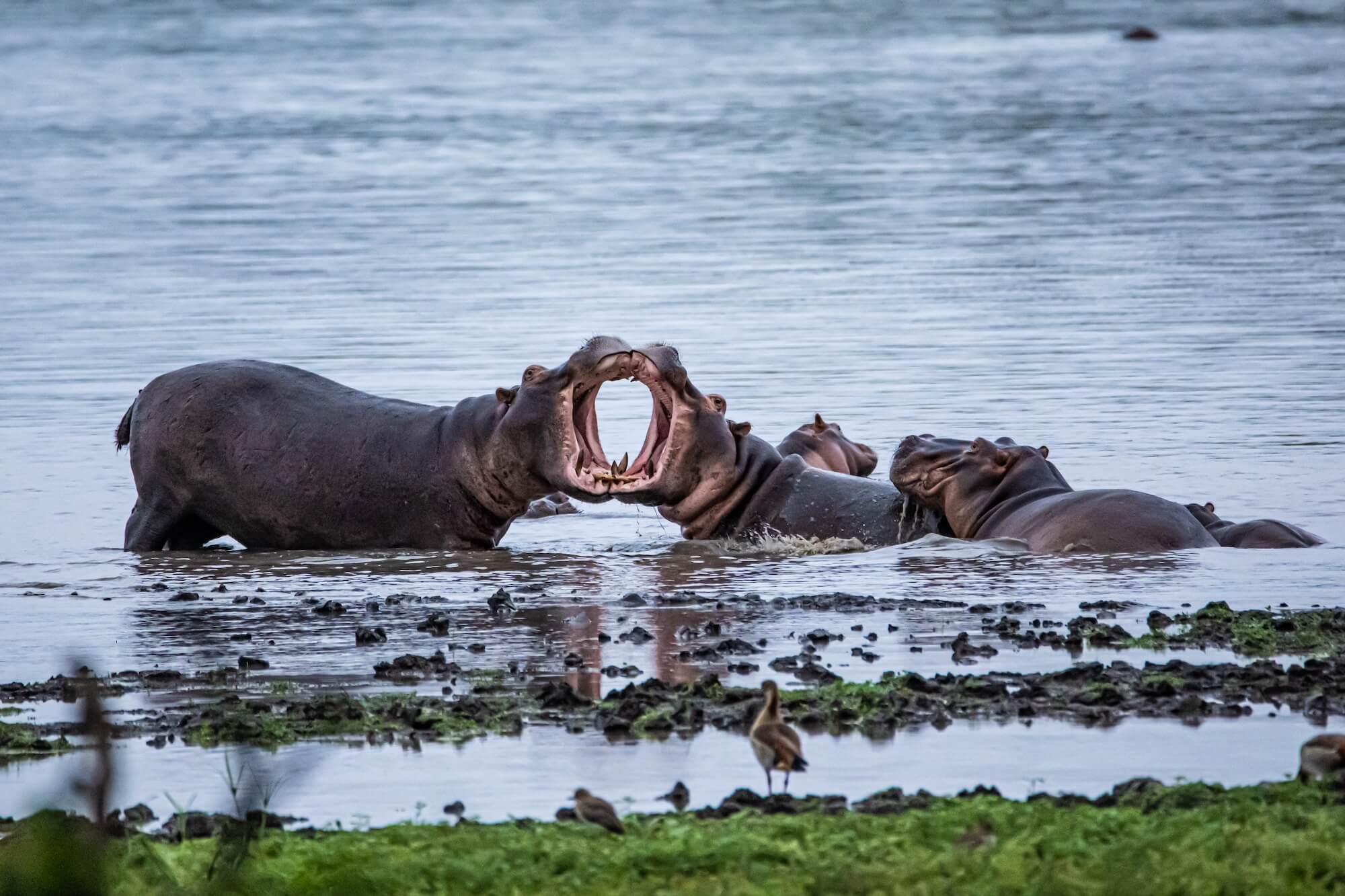
Socially, hippos live in groups called pods, which can consist of a few dozen individuals. These groups are usually led by a dominant male, who protects his territory and the females within it. Hippos communicate through a variety of vocalizations, including grunts, roars, and honks, both above and below water. These sounds help maintain social bonds and establish dominance hierarchies within the pod. Hippos also engage in behaviors like marking their territory with dung and displaying their large teeth to deter rivals.
Hippos play a crucial role in their ecosystem by helping to maintain the structure of riverbeds and influencing the availability of resources for other aquatic and terrestrial species. However, they face threats from habitat loss, conflict with humans, and illegal hunting for their meat and ivory tusks. Conservation efforts focus on protecting their habitats, mitigating human-hippo conflicts, and enforcing anti-poaching laws. The IUCN currently lists the hippo as “Vulnerable,” emphasizing the need for ongoing conservation initiatives to ensure their survival.