Learn More!
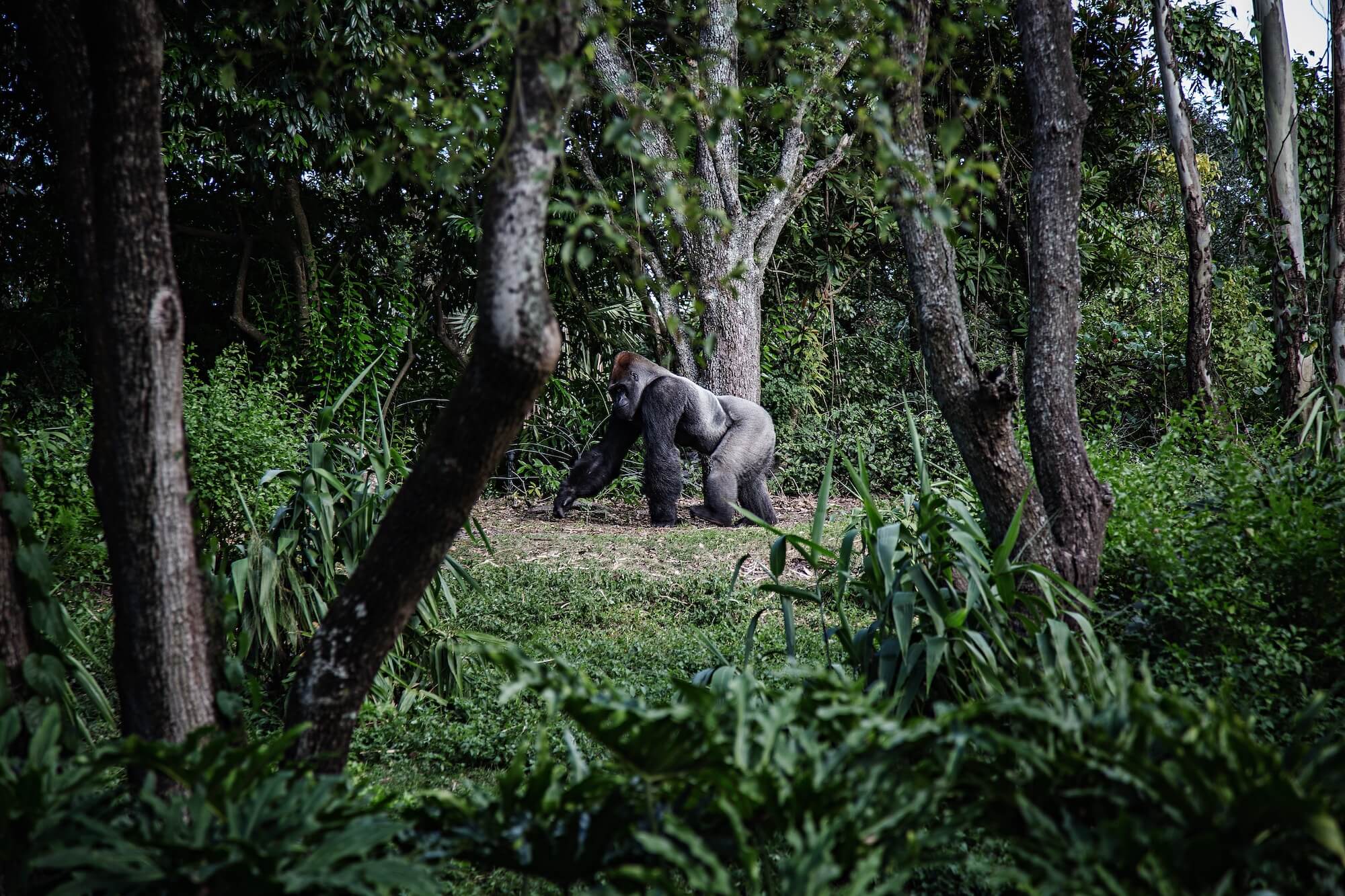
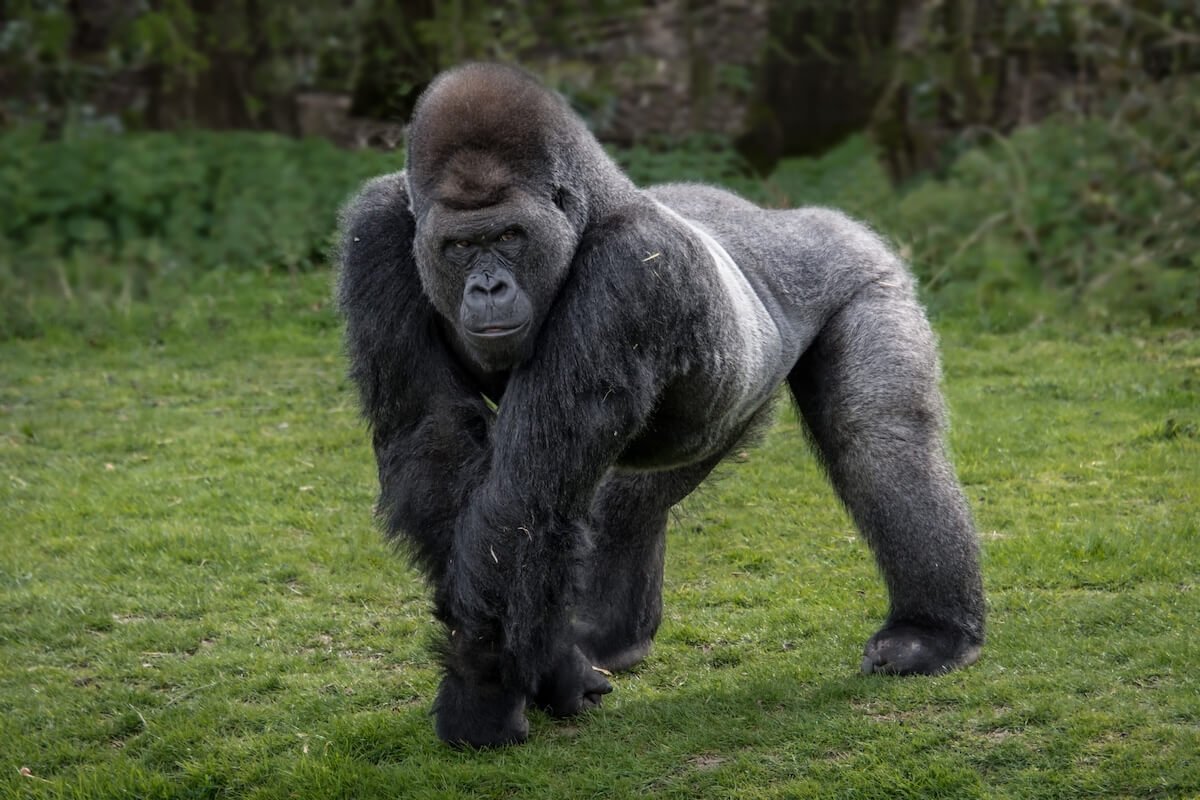
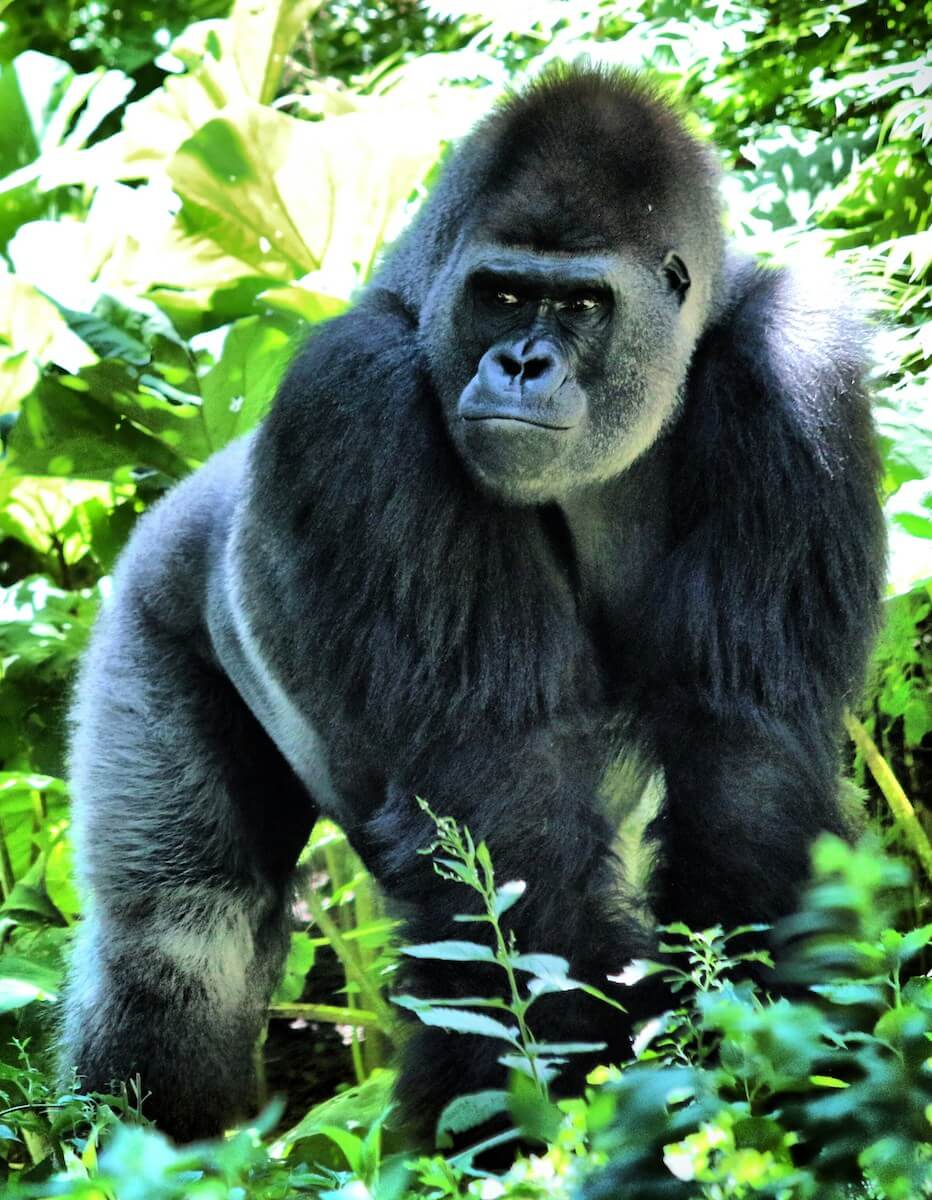
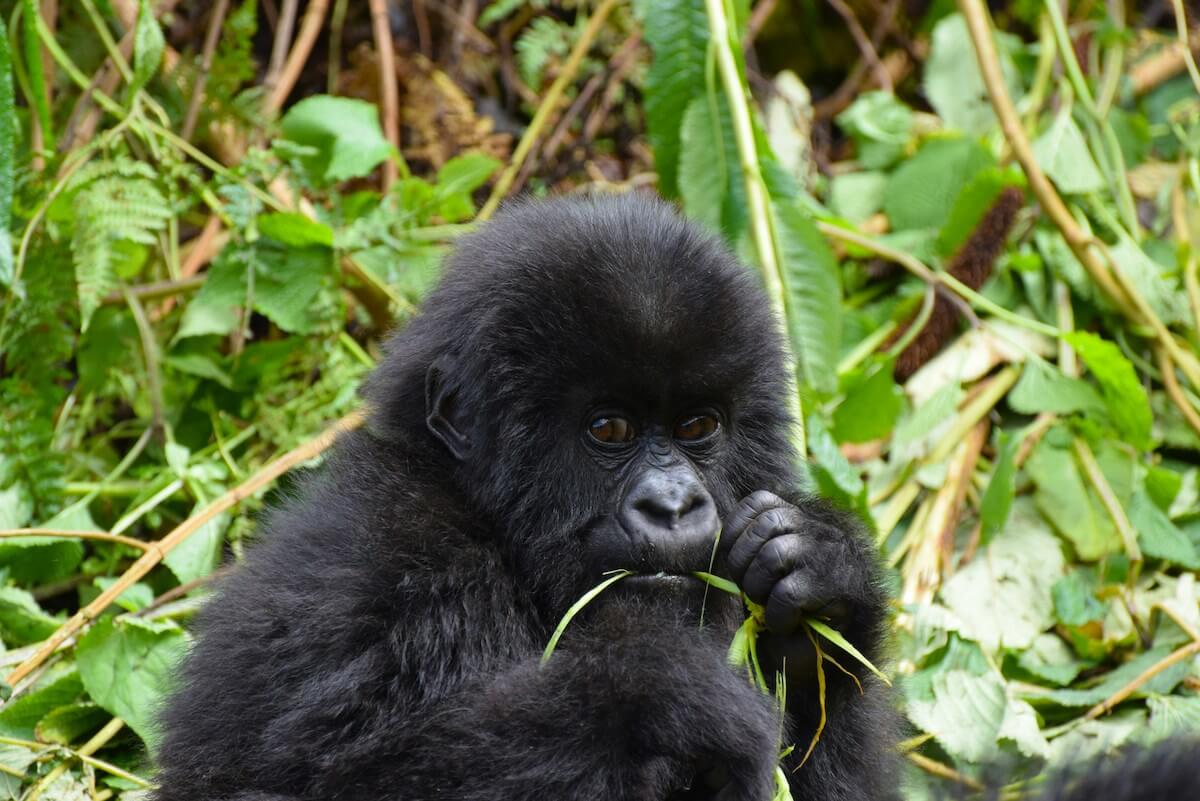
Gorillas are the largest of the great apes and are native to the tropical and subtropical forests of central Africa. There are two main species of gorillas: the eastern gorilla (Gorilla beringei) and the western gorilla (Gorilla gorilla). These species are further divided into subspecies, such as the mountain gorilla and the western lowland gorilla. Gorillas are known for their impressive strength, gentle demeanor, and complex social structures. They live in groups called troops or bands, typically led by a dominant male known as a silverback due to the distinctive patch of silver hair on his back.
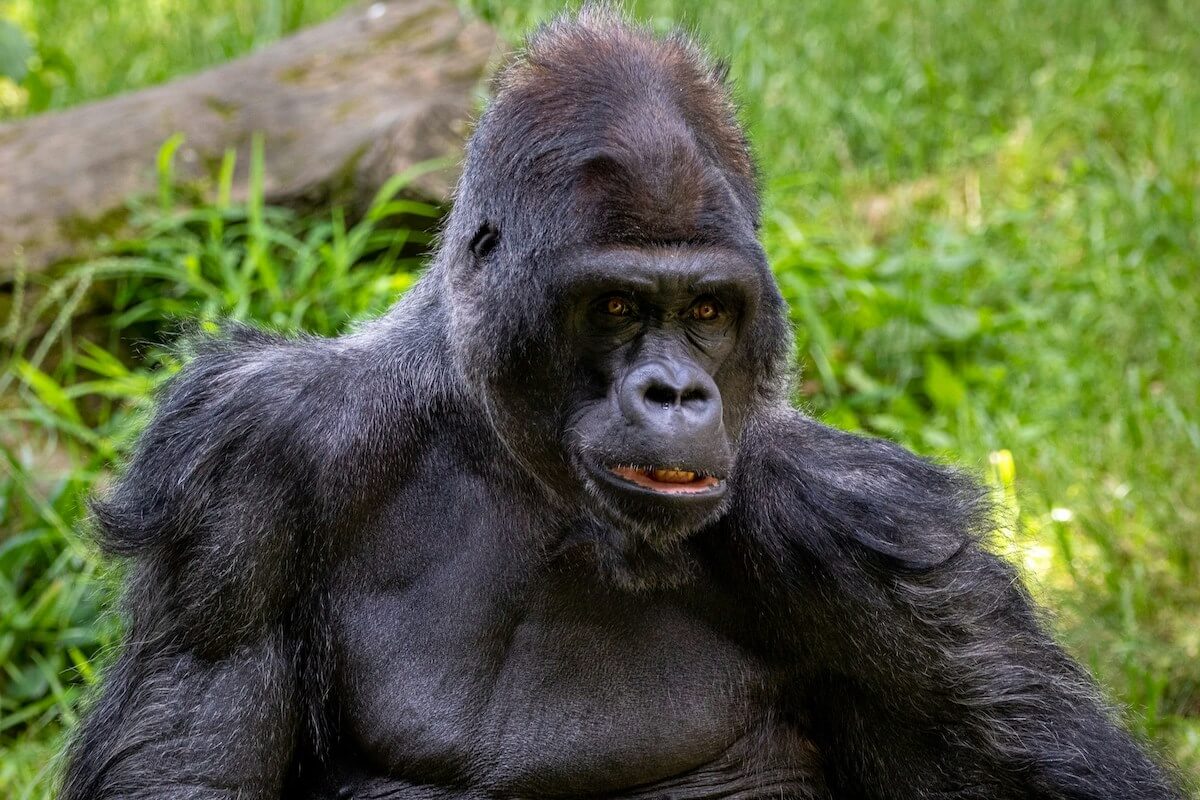
Gorillas are primarily herbivorous, feeding on a diet of leaves, stems, fruits, and bamboo shoots. Their large, muscular bodies and strong jaws allow them to consume a variety of tough plant materials. Despite their formidable appearance, gorillas are generally peaceful animals that rely on vocalizations, body postures, and facial expressions to communicate with one another. They are highly intelligent, capable of using tools, learning sign language, and displaying a range of emotions similar to humans.
Habitat destruction, poaching, and disease pose significant threats to gorilla populations. Conservation efforts, such as protected reserves, anti-poaching patrols, and eco-tourism initiatives, are crucial in preserving these magnificent creatures. Gorillas play a vital role in their ecosystems by dispersing seeds and maintaining the health of their forest habitats. Their presence is not only a symbol of Africa’s rich biodiversity but also a reminder of the urgent need to protect and conserve our natural world.