Giant Panda
Scientific Name:
Ailuropoda melanoleuca
Click to view more pictures


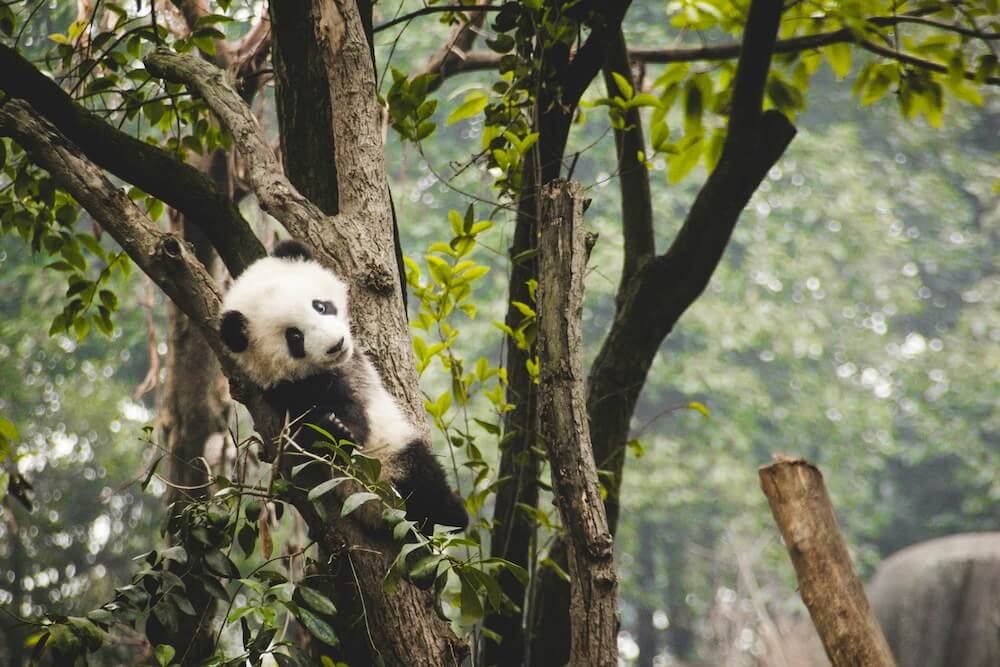
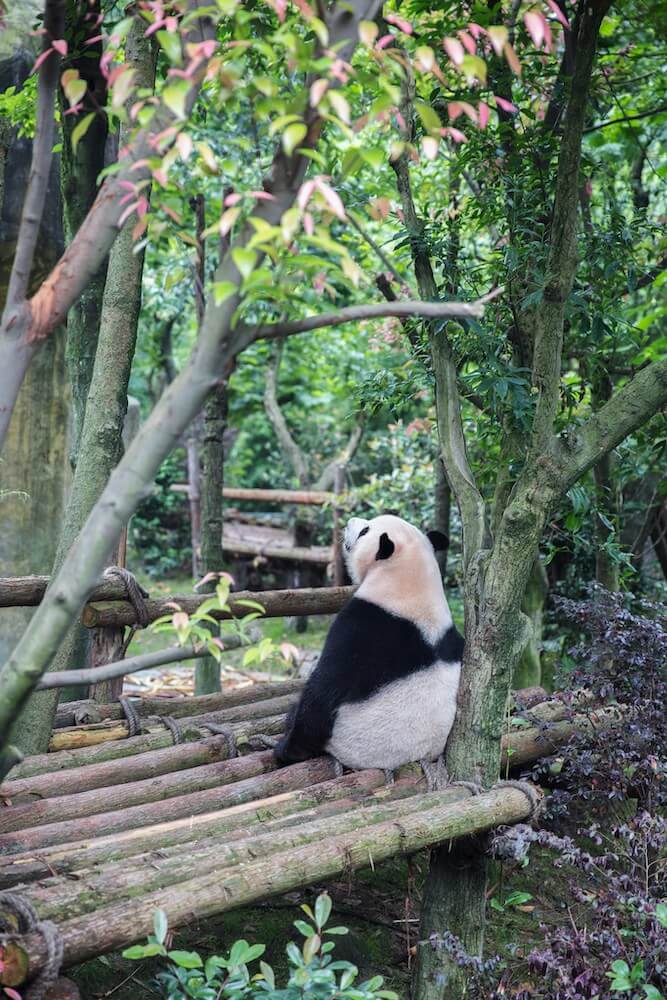
Fun
Giant Panda
Facts
-
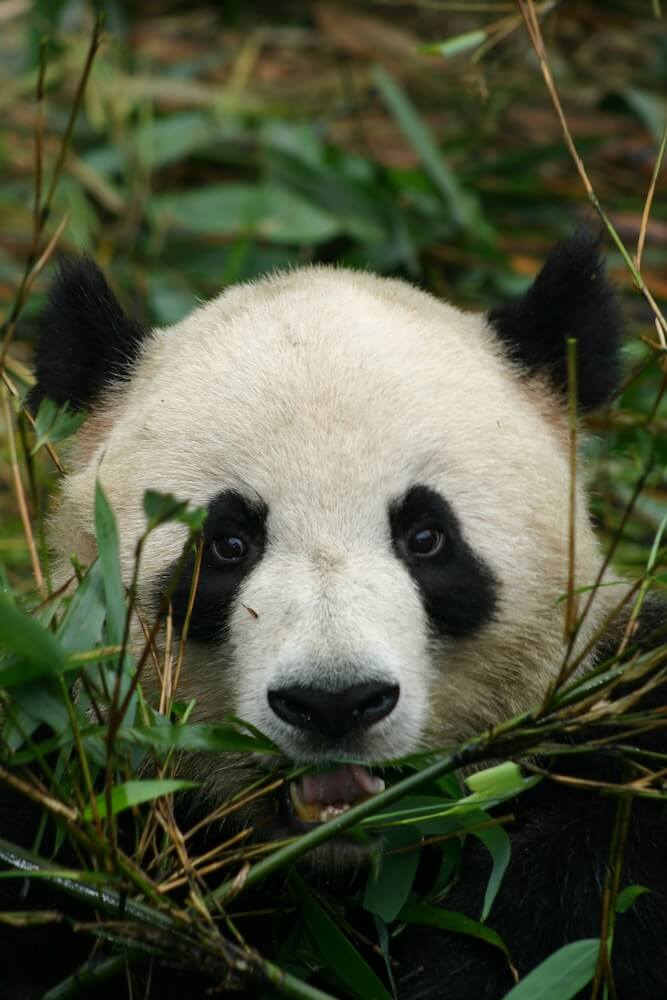
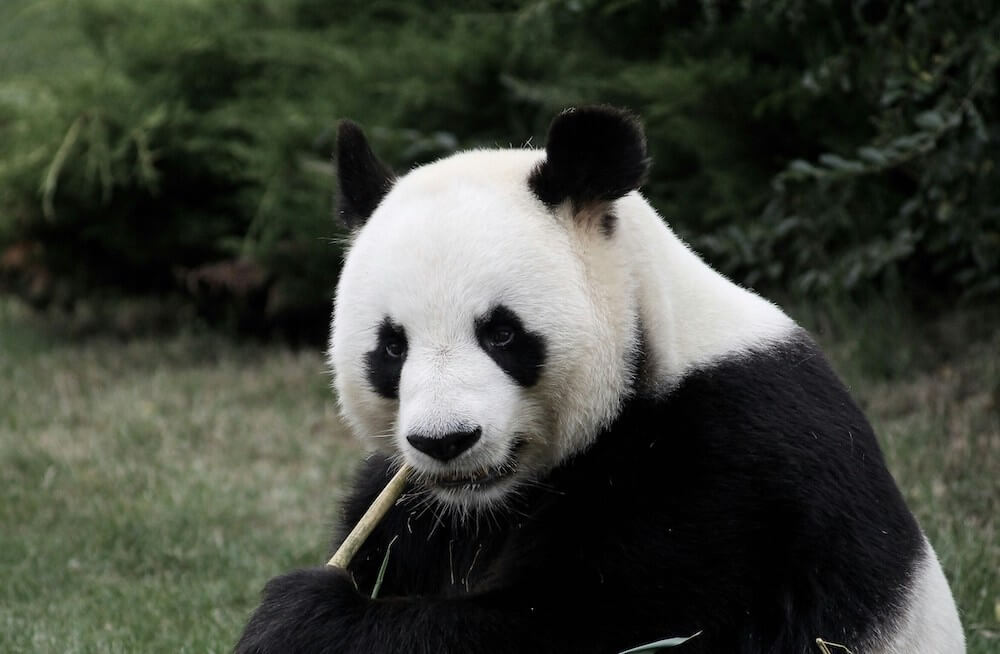
Giant pandas spend about 12 hours a day eating bamboo, which makes up 99% of their diet!
-
They have a special bone in their wrist that acts like a thumb, helping them hold and strip bamboo.
-
Baby pandas are born pink, blind, and weigh about as much as a cup of tea. They grow quickly, though!
-
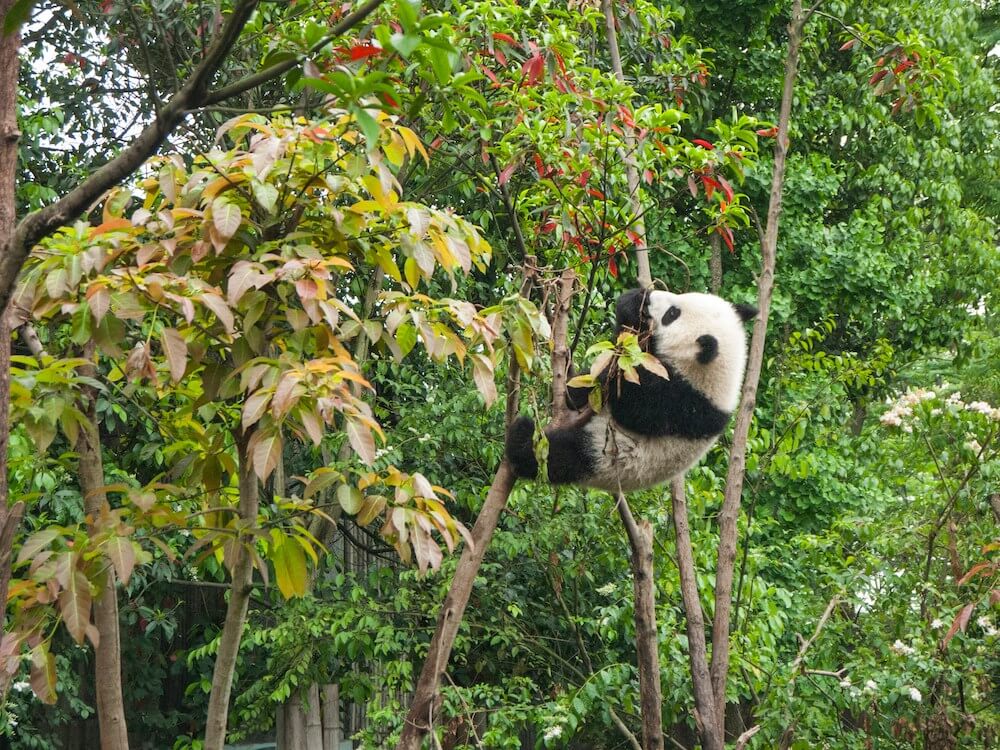
Pandas love to roll and tumble down hills. They are known for their playful and clumsy behavior.
Where do they live?
Giant pandas are native to China, specifically in the mountainous regions of Sichuan, Shaanxi, and Gansu provinces.
What do they eat?
Giant pandas primarily eat bamboo, which makes up 99% of their diet. They also occasionally consume other vegetation, small rodents, or carrion.
Species Endangered Level
Vulnerable
Least Endangered
Most Endangered
Learn More!
The giant panda (Ailuropoda melanoleuca) is one of the most beloved and recognizable animals in the world, known for its distinctive black and white coloring and gentle nature. Native to the mountain ranges of central China, particularly in Sichuan, Shaanxi, and Gansu provinces, giant pandas inhabit temperate broadleaf and mixed forests with dense understories of bamboo. Adult pandas can weigh between 220 and 330 pounds and stand about 2 to 3 feet tall at the shoulder when on all fours, with males being slightly larger than females.
Giant pandas are primarily herbivorous, with bamboo constituting about 99% of their diet. They consume various parts of the bamboo plant, including leaves, stems, and shoots. Despite their carnivorous ancestry, they have adapted to a bamboo-centric diet, which requires them to eat up to 40 pounds of bamboo daily to meet their nutritional needs. Pandas have a pseudo-thumb, an extended wrist bone that helps them grasp and manipulate bamboo stalks with surprising dexterity.
These solitary animals are generally peaceful and spend most of their time foraging and eating. They communicate through vocalizations such as bleats, barks, and honks, as well as through scent markings. Breeding season occurs once a year, and females give birth to one or two cubs, though typically only one survives. Newborn pandas are tiny, pink, and hairless, weighing around 3 to 5 ounces. They rely entirely on their mother for warmth and nourishment and grow rapidly during their first few months of life.
Giant pandas have faced significant threats due to habitat loss, fragmentation, and historical poaching, leading to a severe decline in their population. However, intensive conservation efforts, including habitat preservation, anti-poaching measures, and a successful breeding program, have helped stabilize and increase their numbers. As a result, the IUCN downgraded the giant panda’s status from “Endangered” to “Vulnerable” in 2016, reflecting the positive impact of these conservation initiatives. The giant panda remains an important symbol of wildlife conservation and an ambassador for the protection of endangered species globally.
Explore more
Mammals
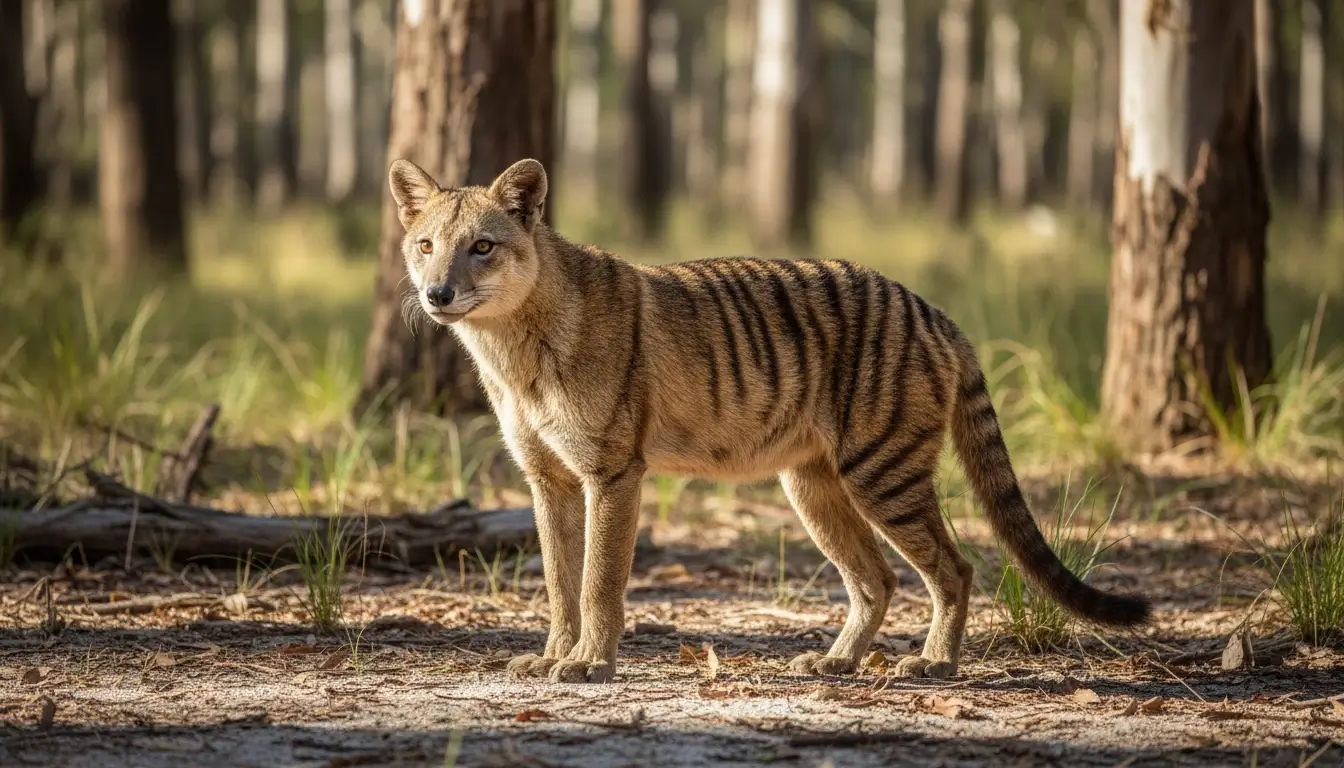
Tasmanian Tiger
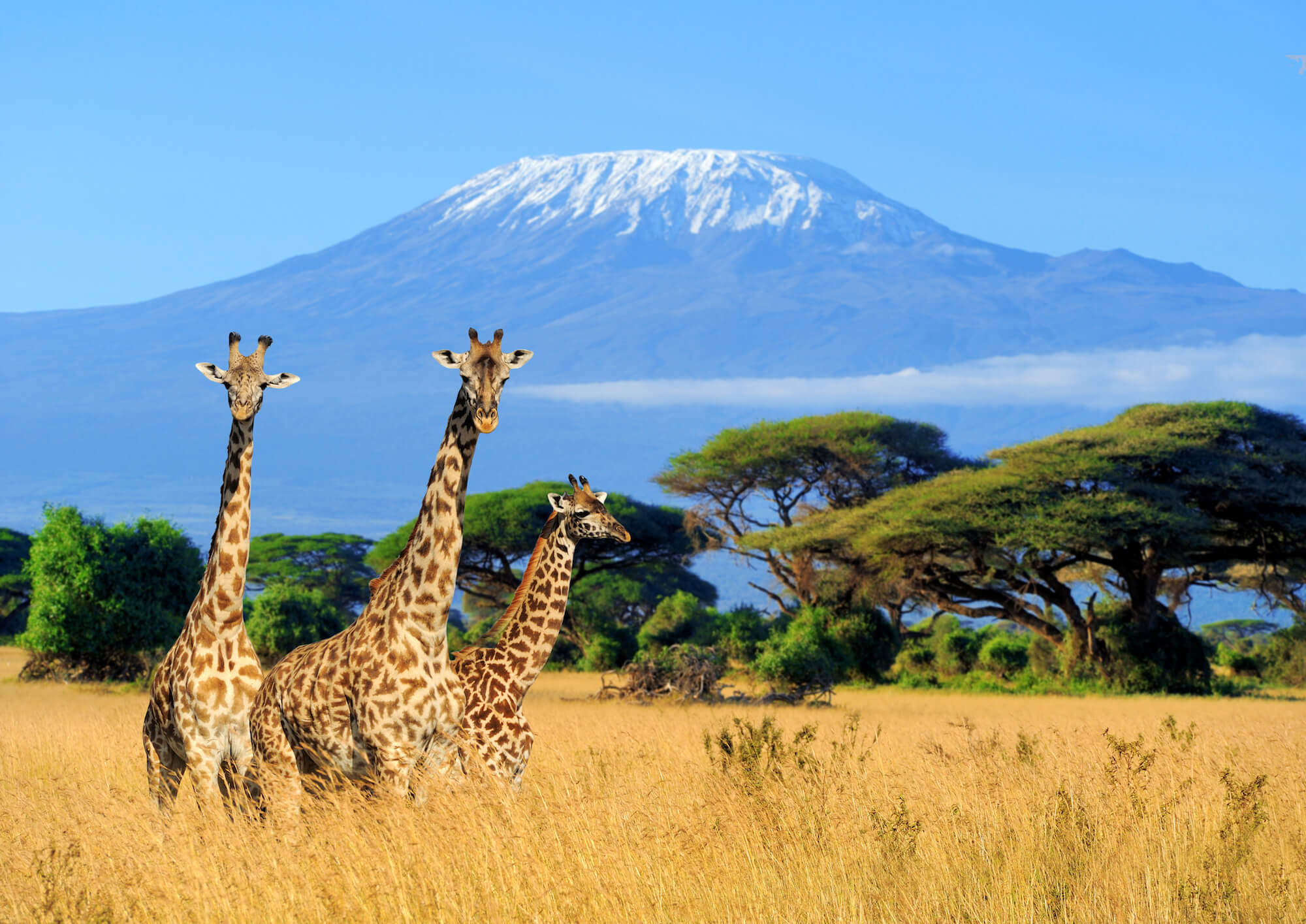
Giraffe
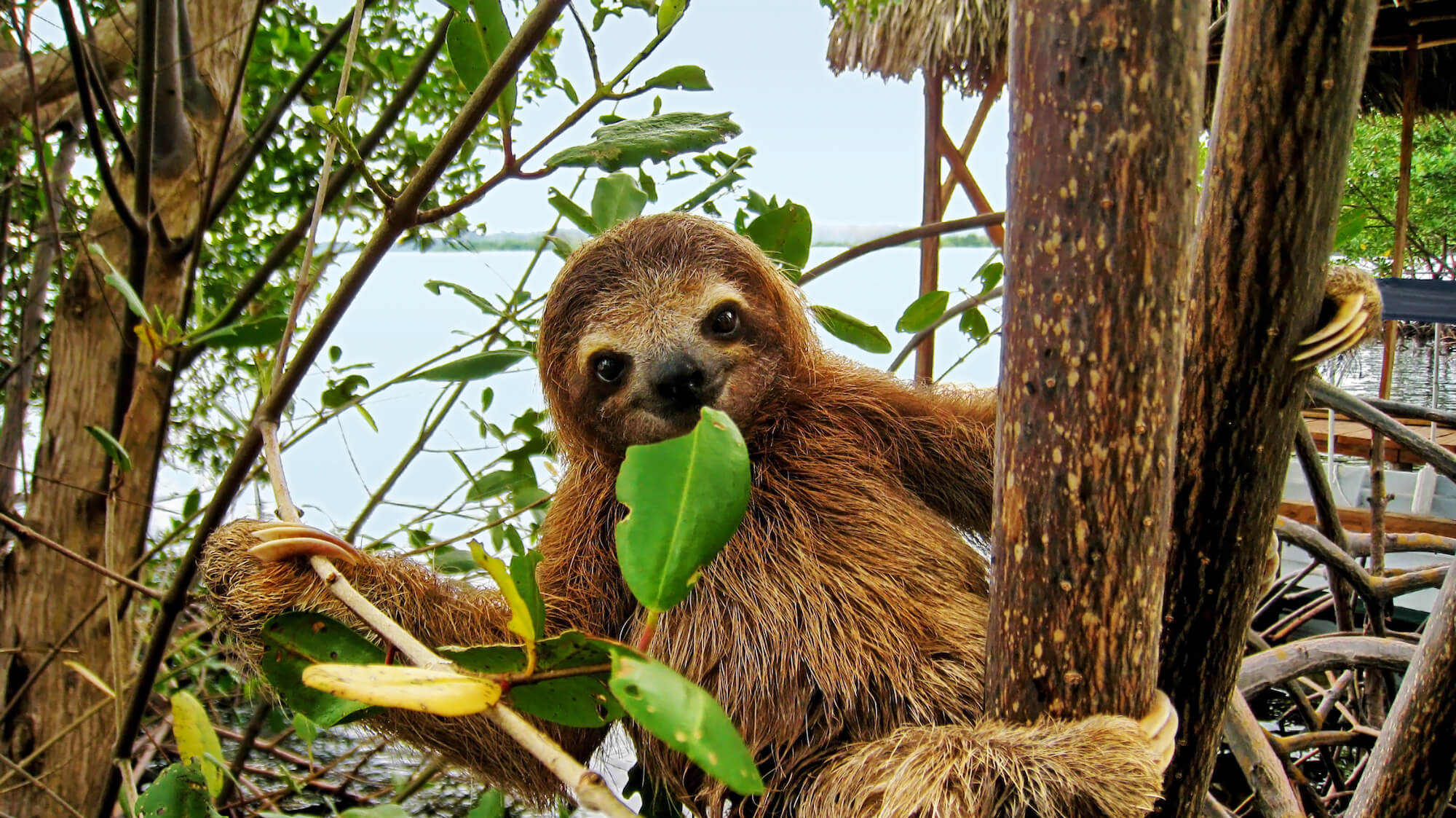
Three Toed Sloth
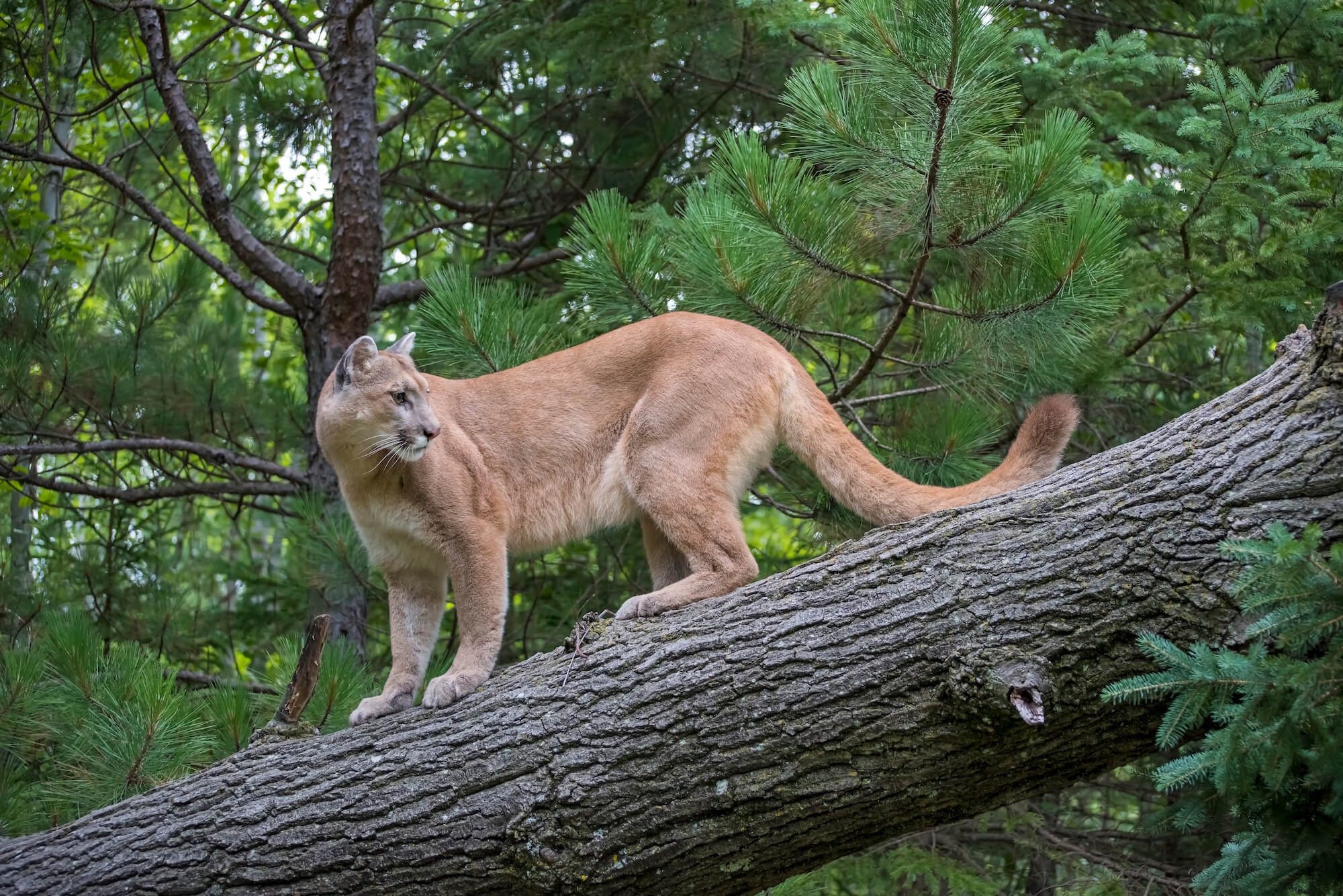
Puma

Dolphin
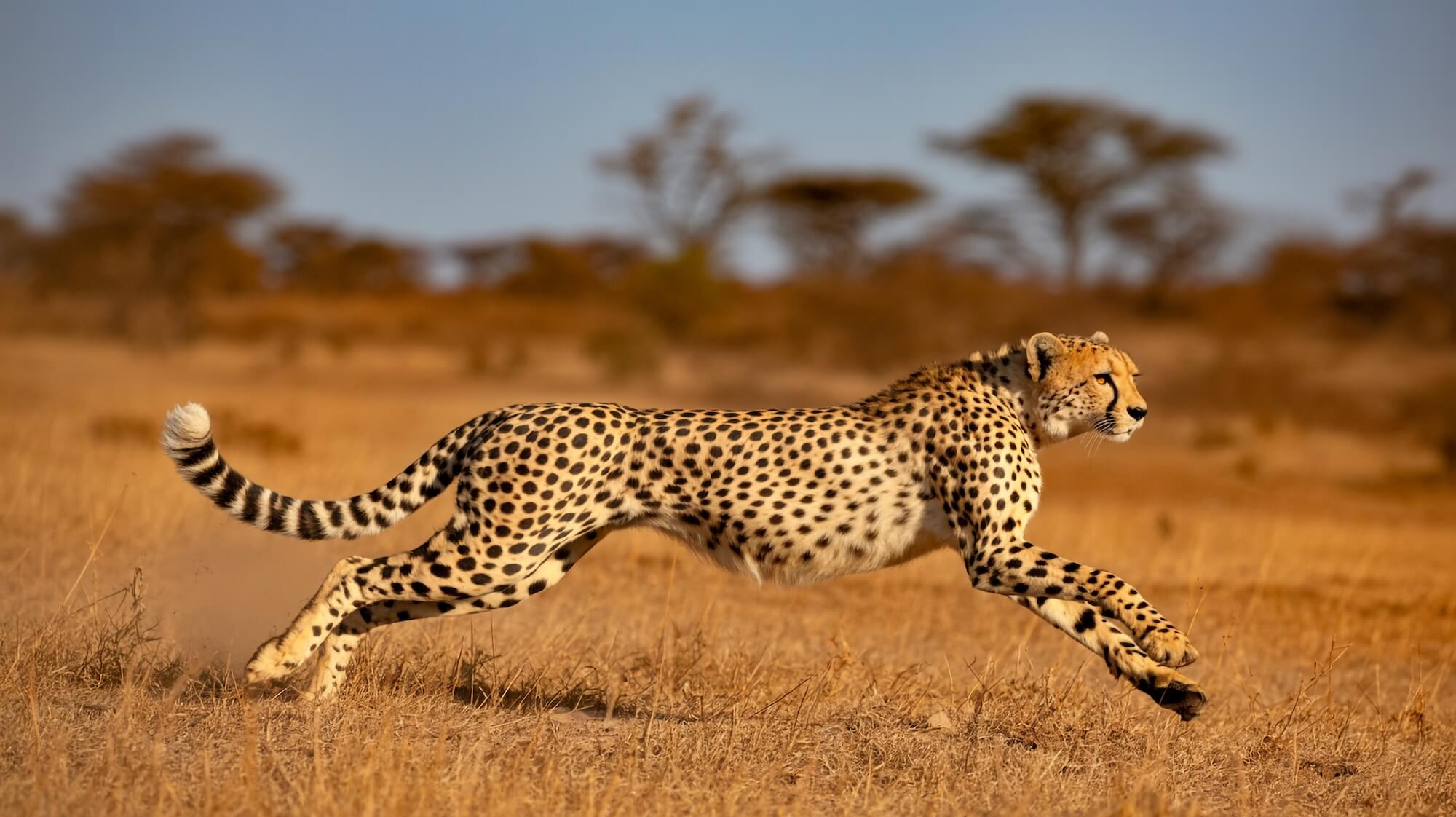
Cheetah
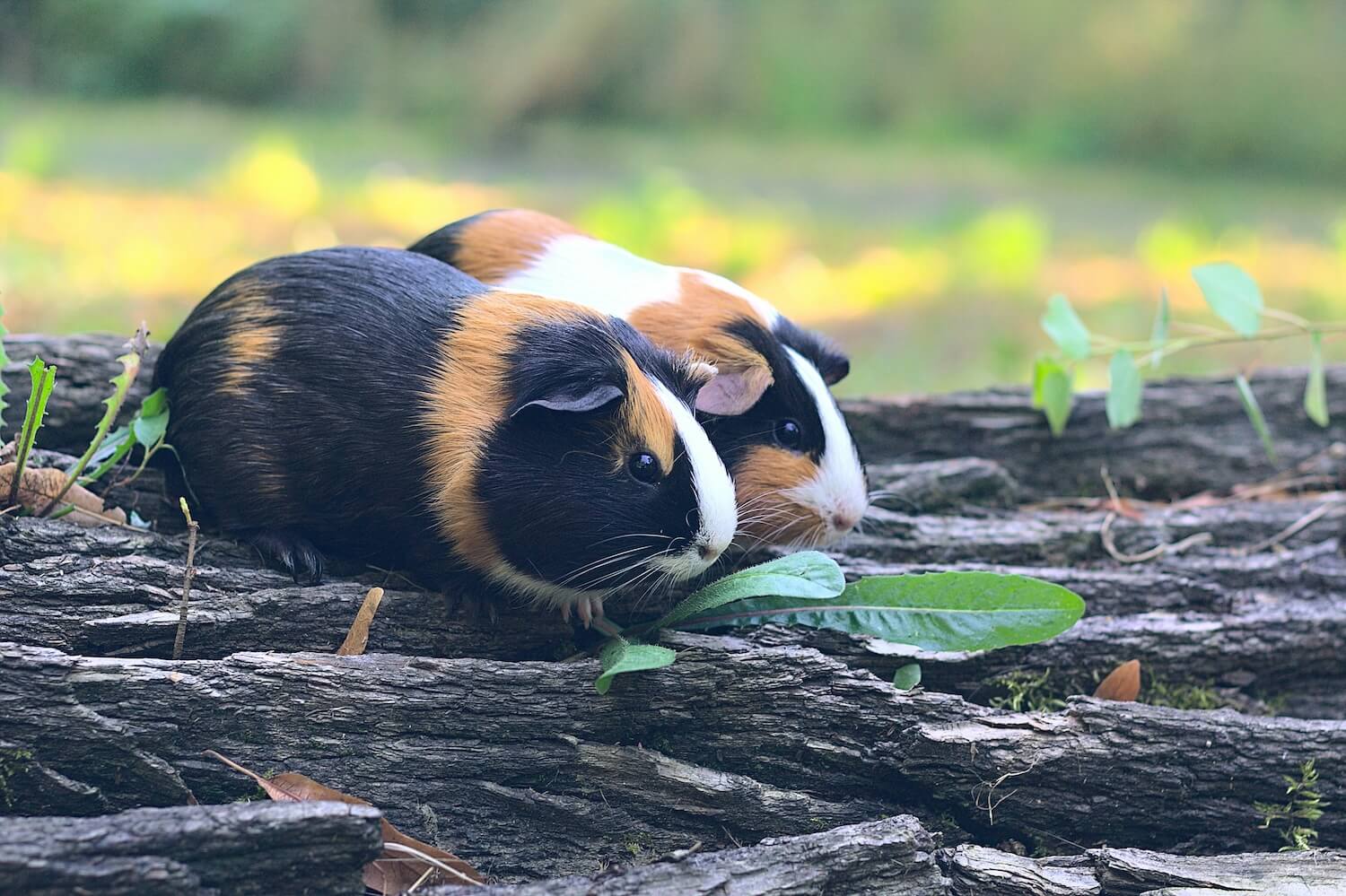
Guinea Pig
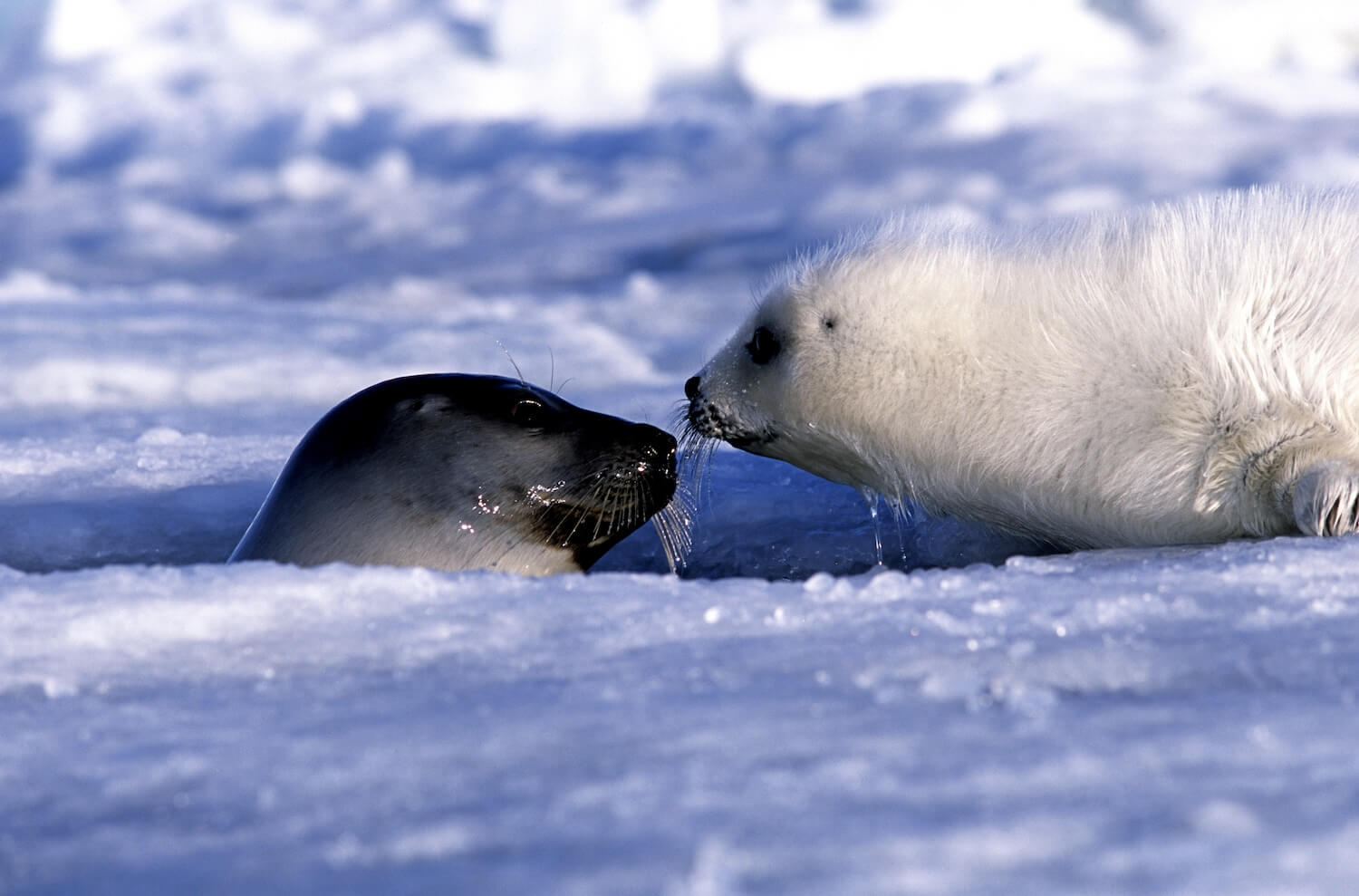
Harp Seal
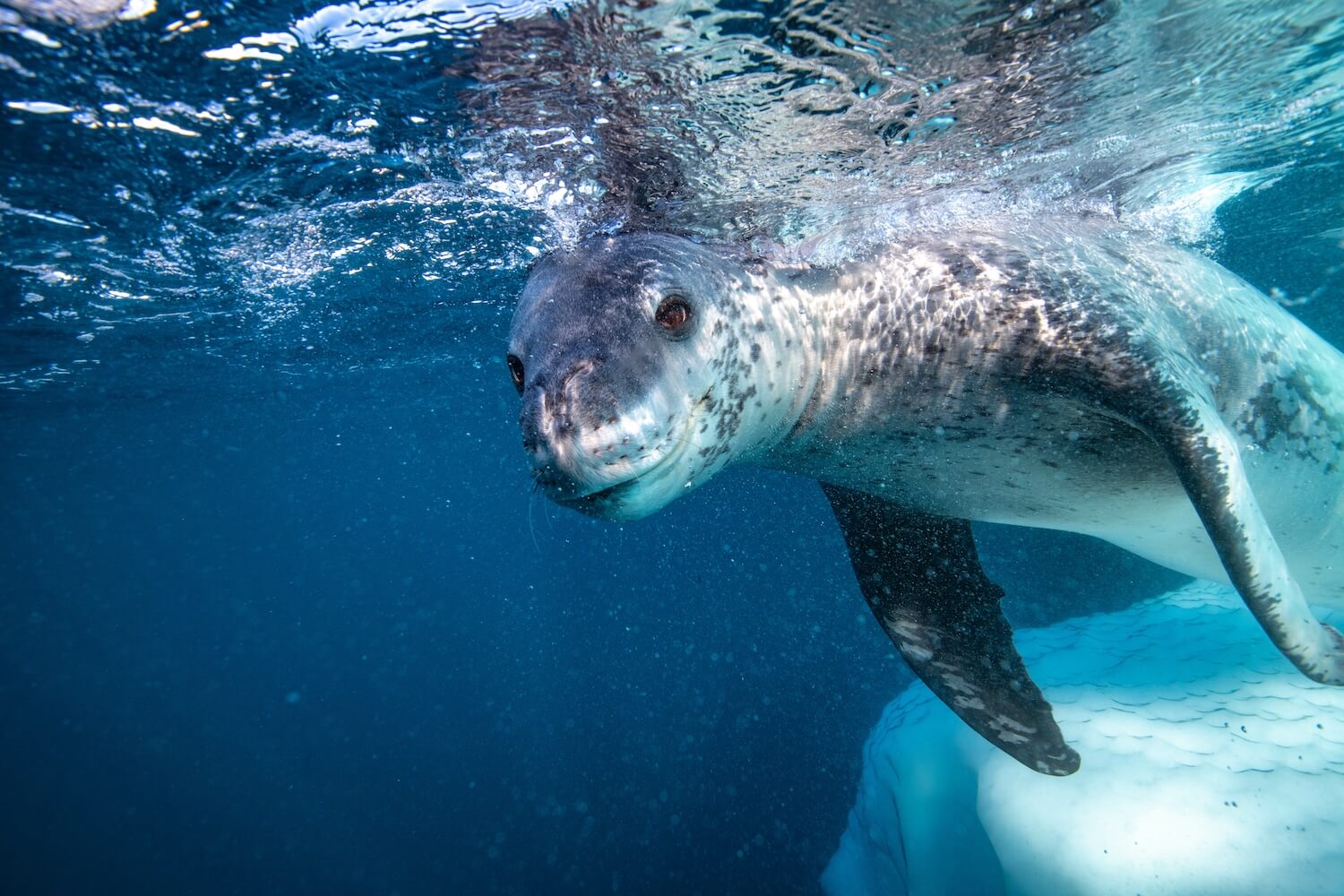
Leopard Seal
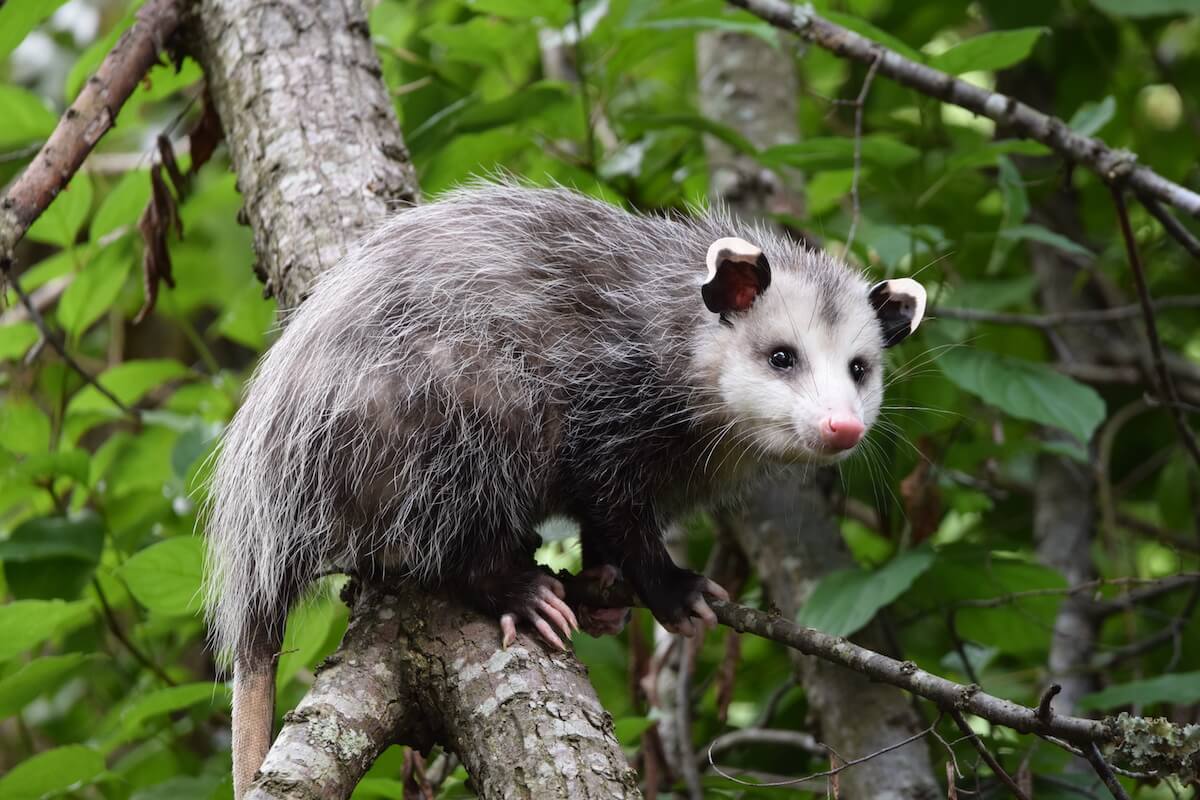
Opossum
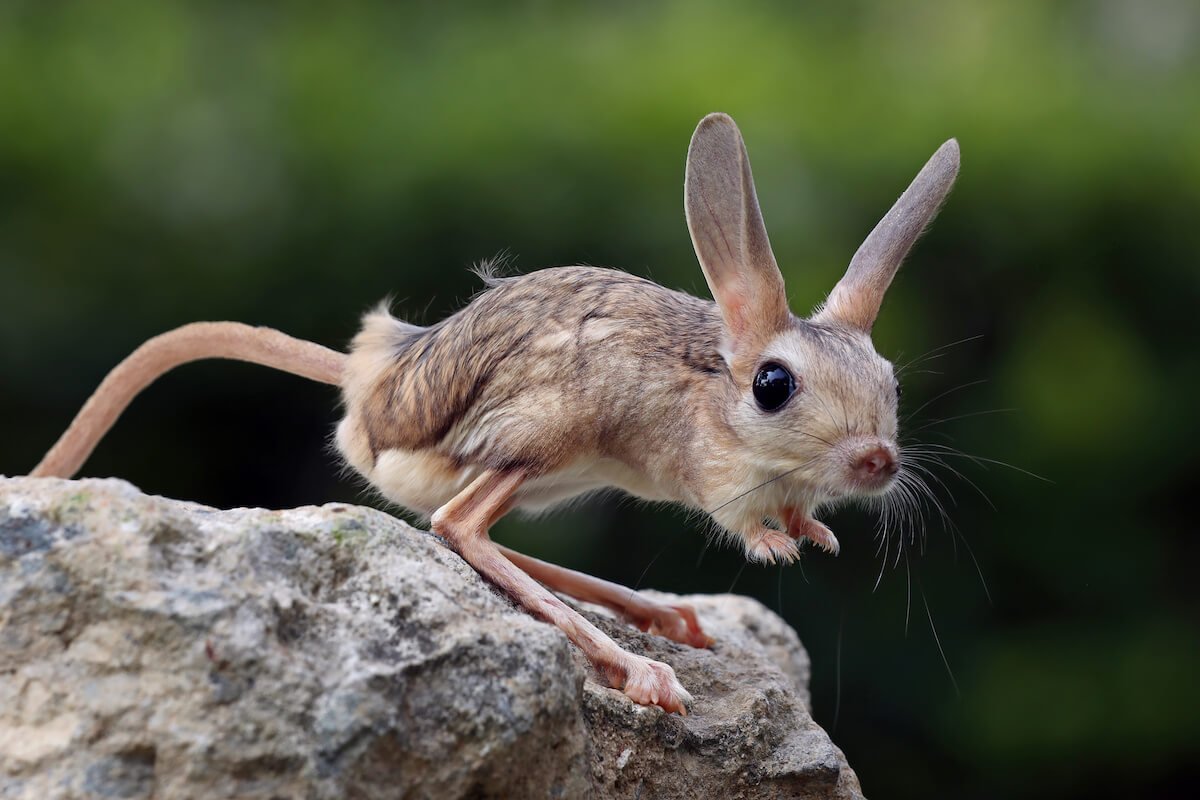
Jerboa
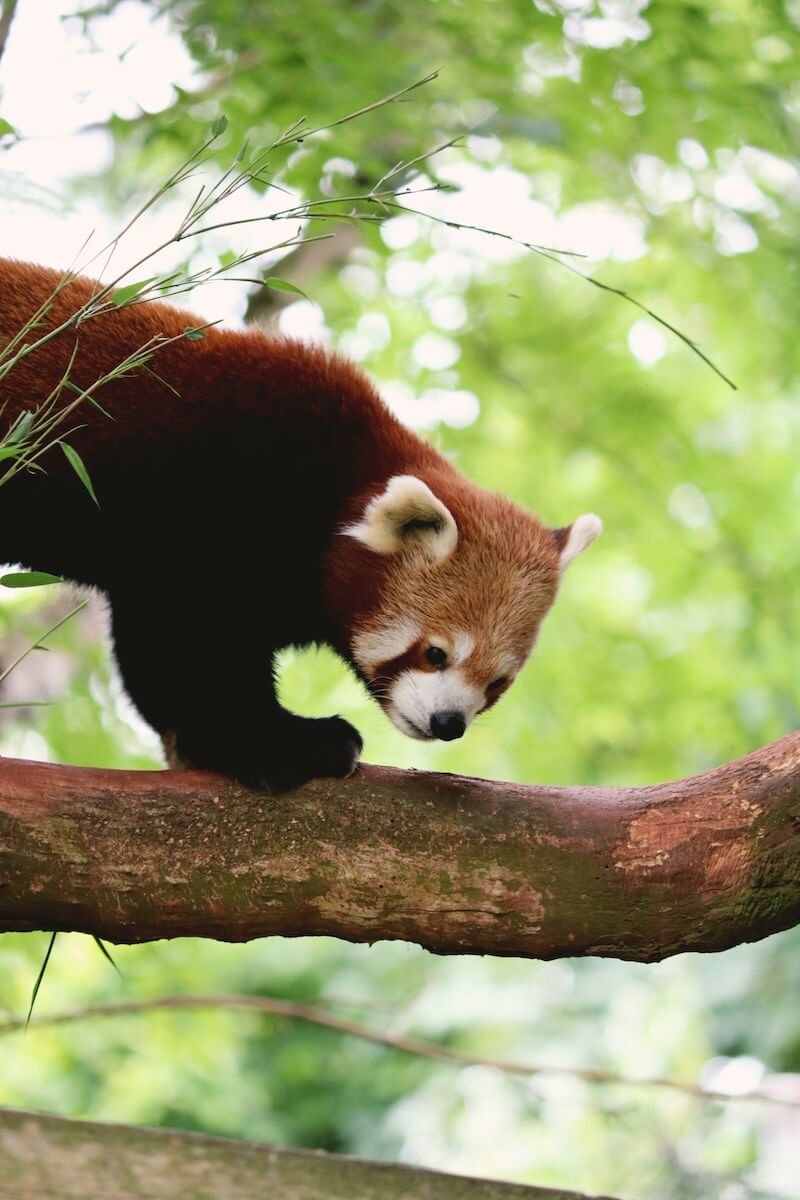
Red Panda
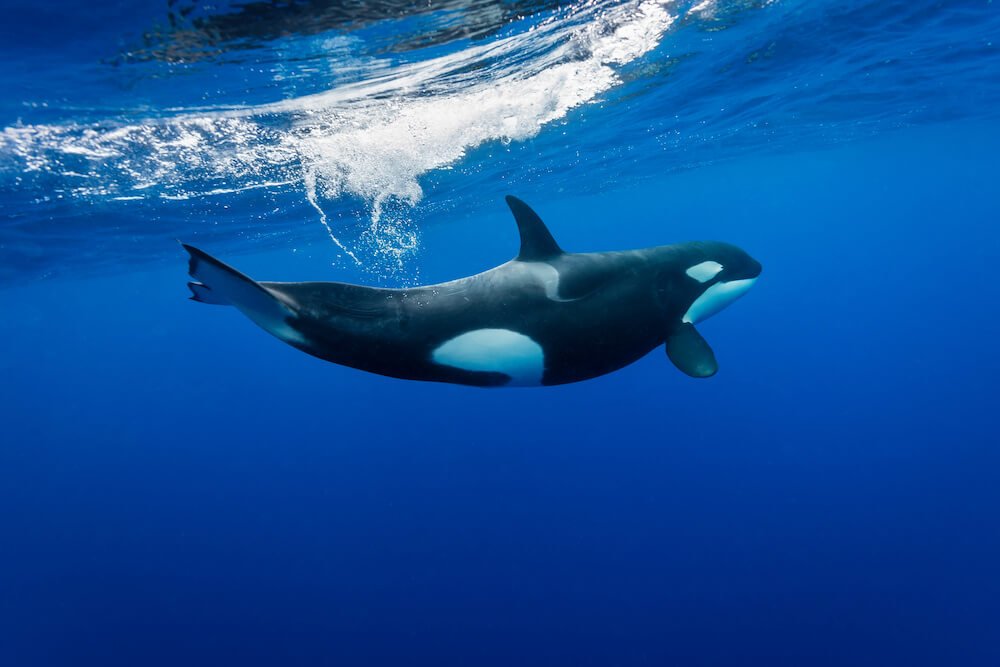
Orca
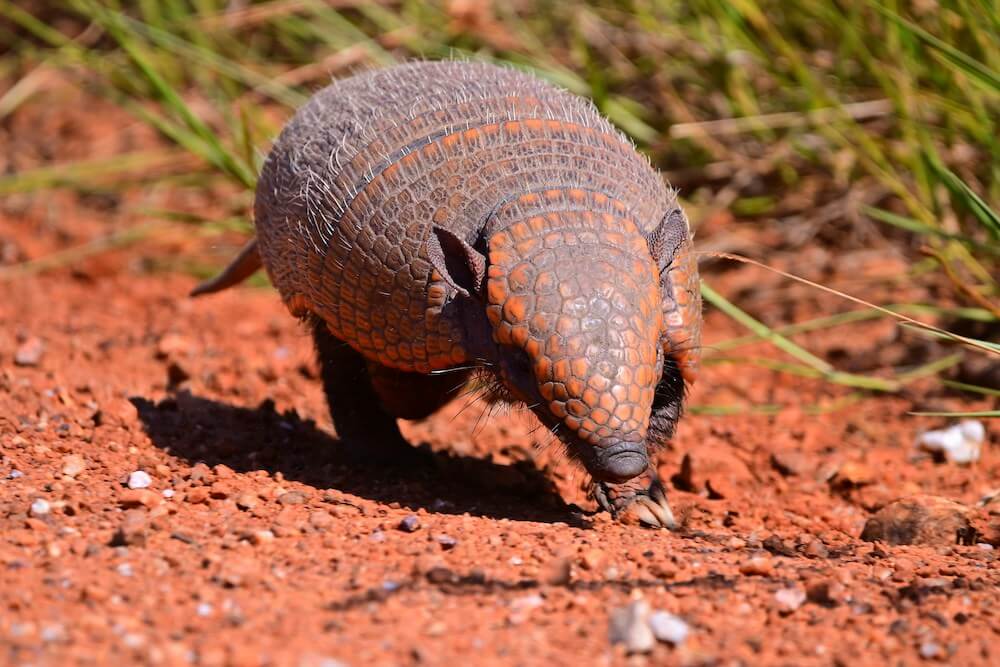
Armadillo
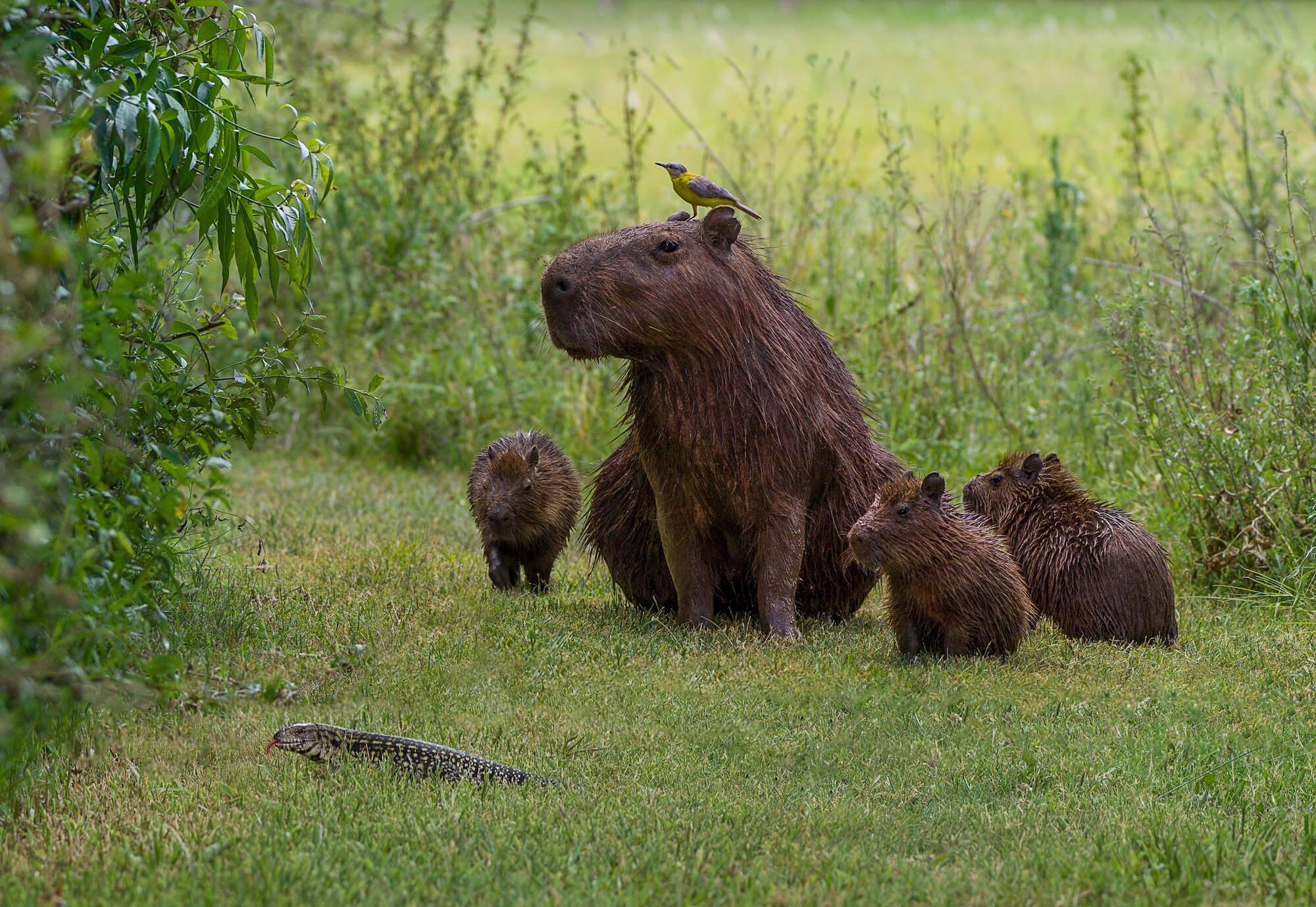
Capybara
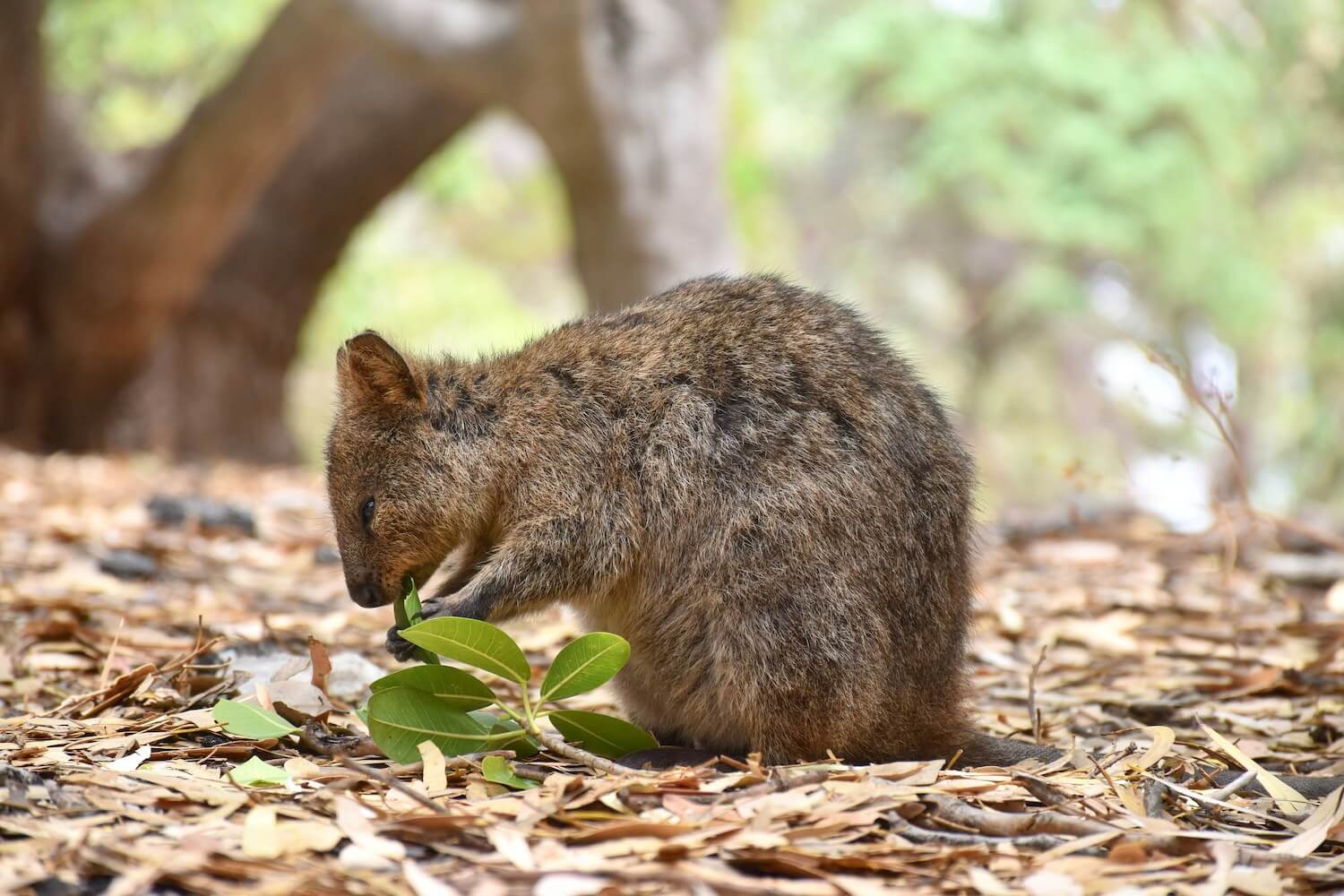
Quokka
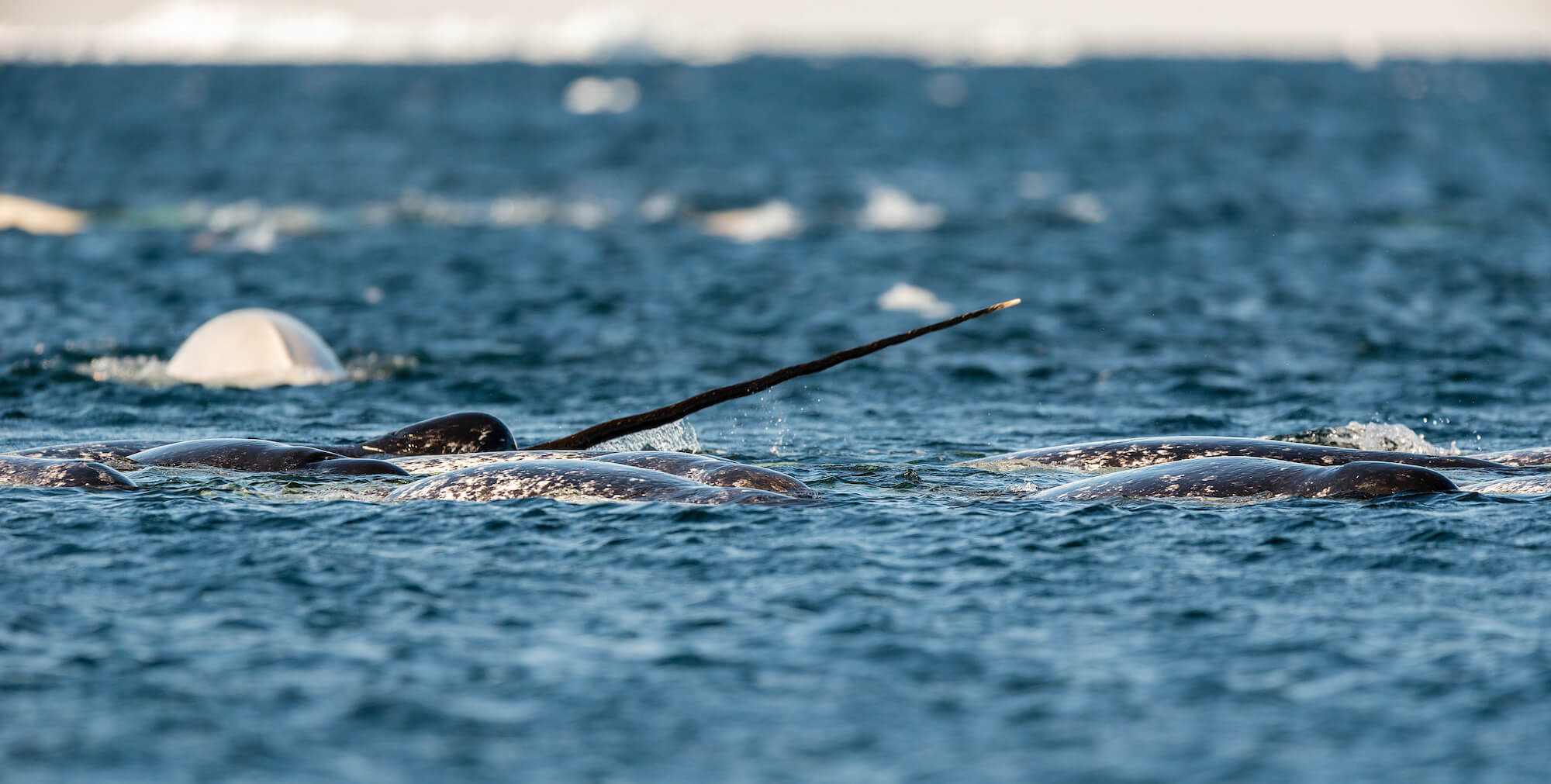
Narwhal
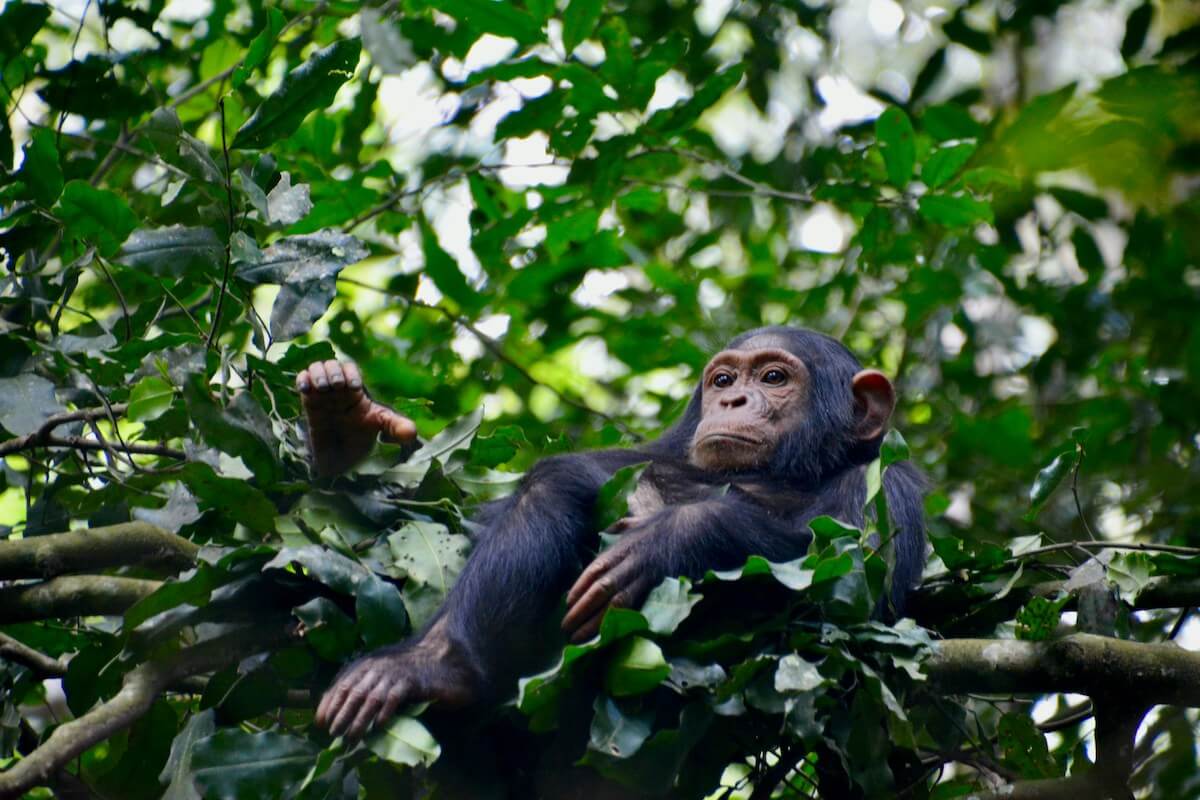
Chimpanzee
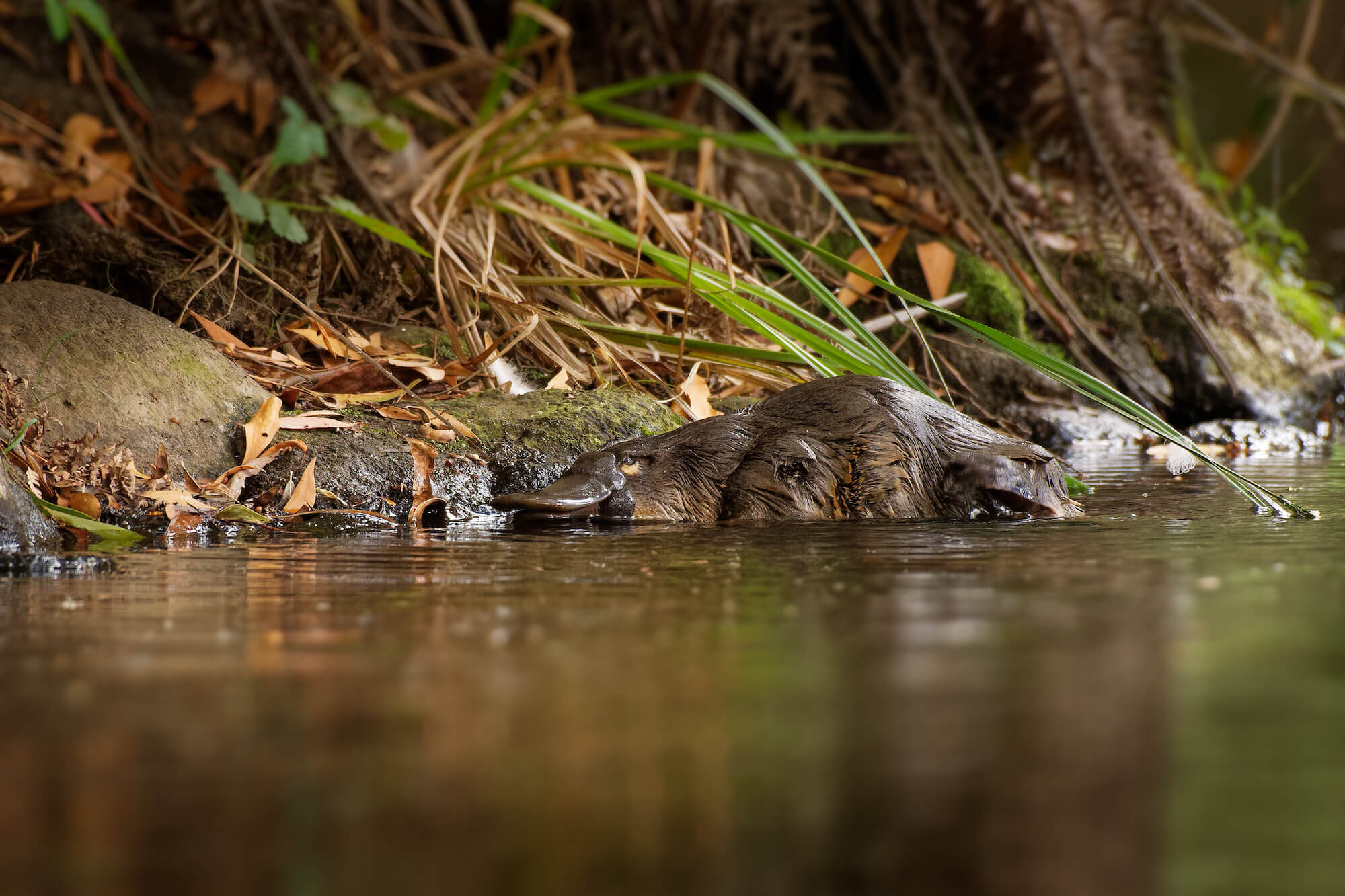
Platypus
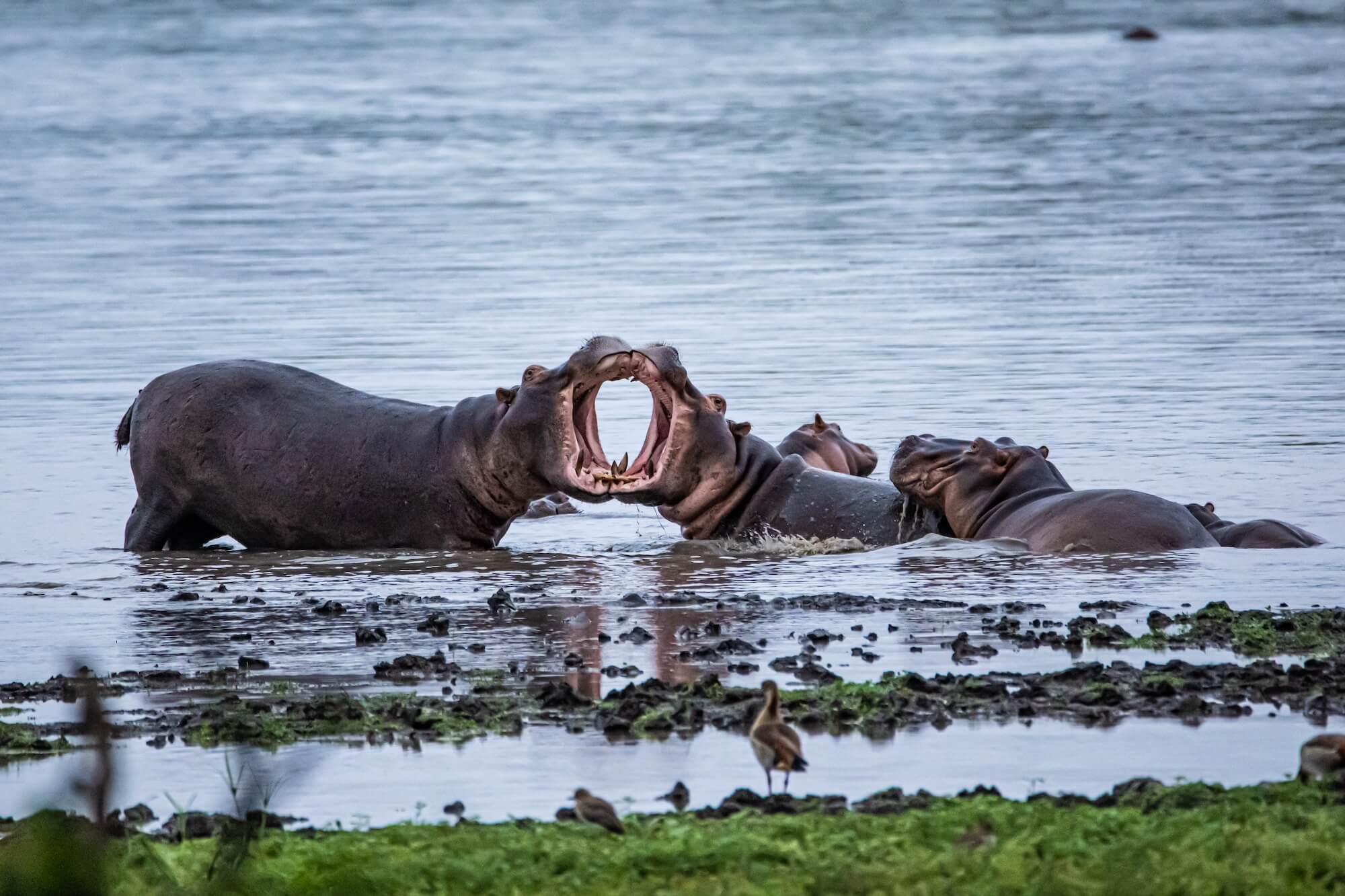
Hippopotamus
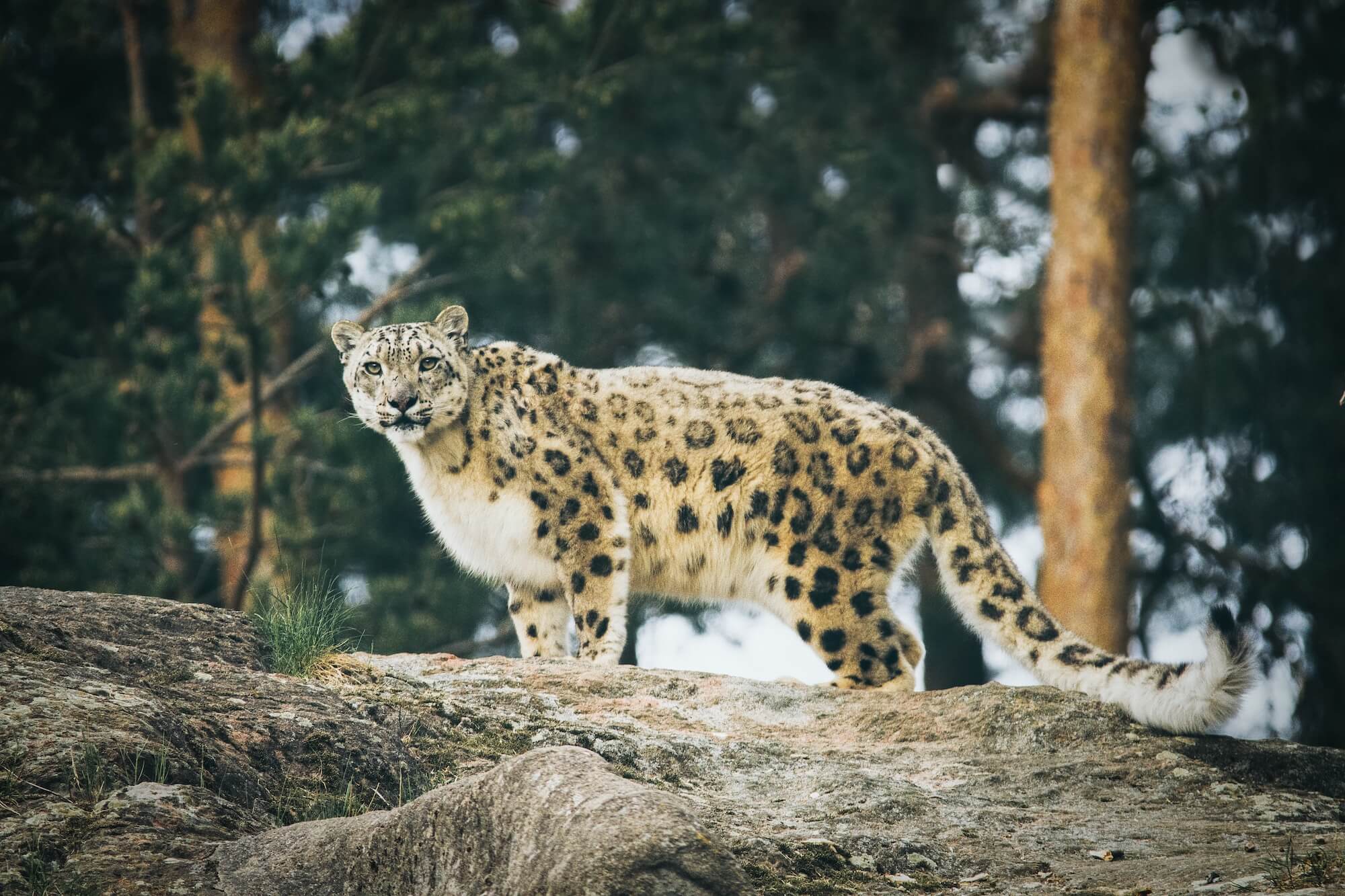
Snow Leopard
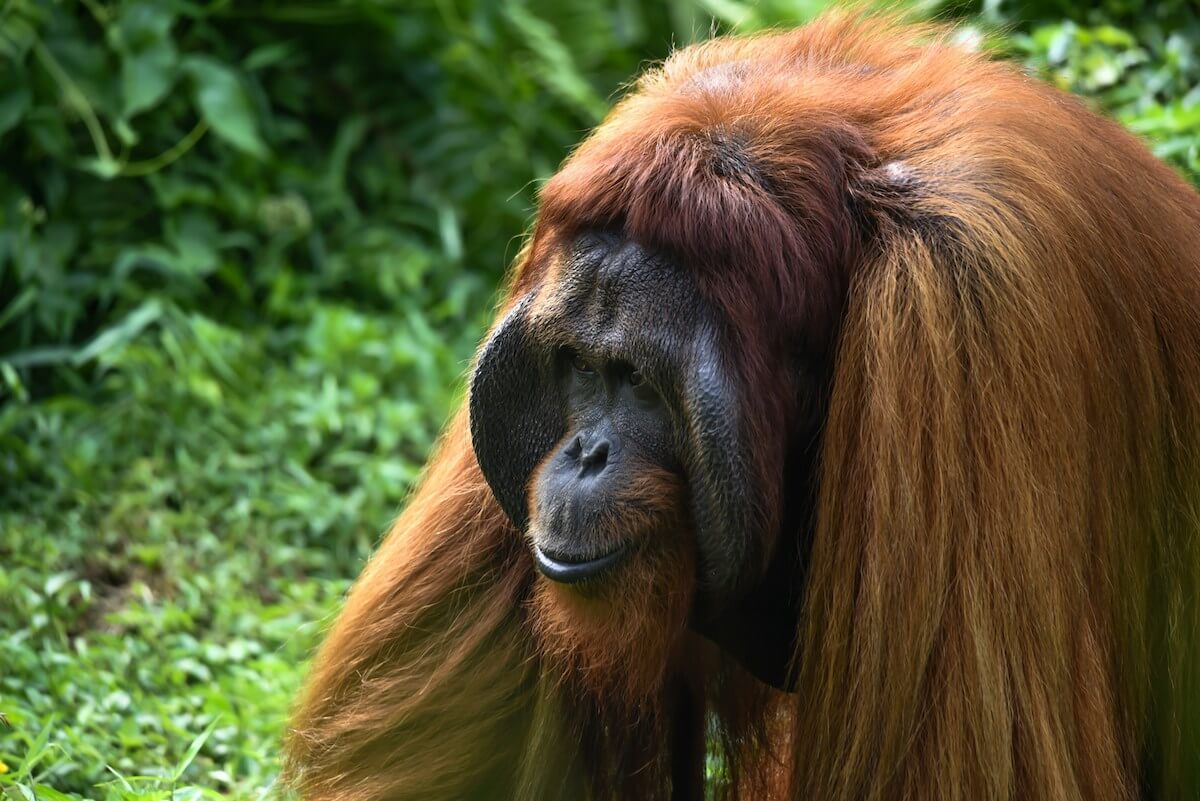
Orangutan
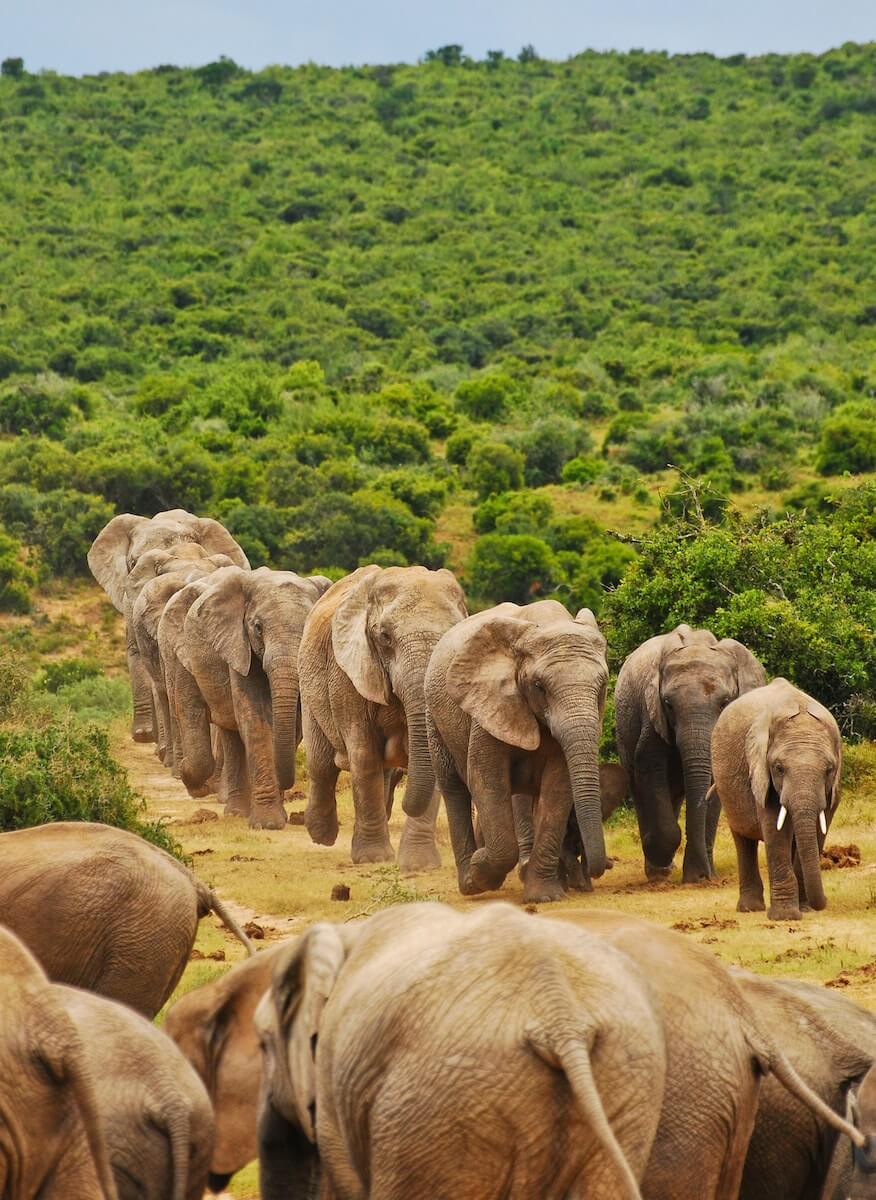
African Elephant
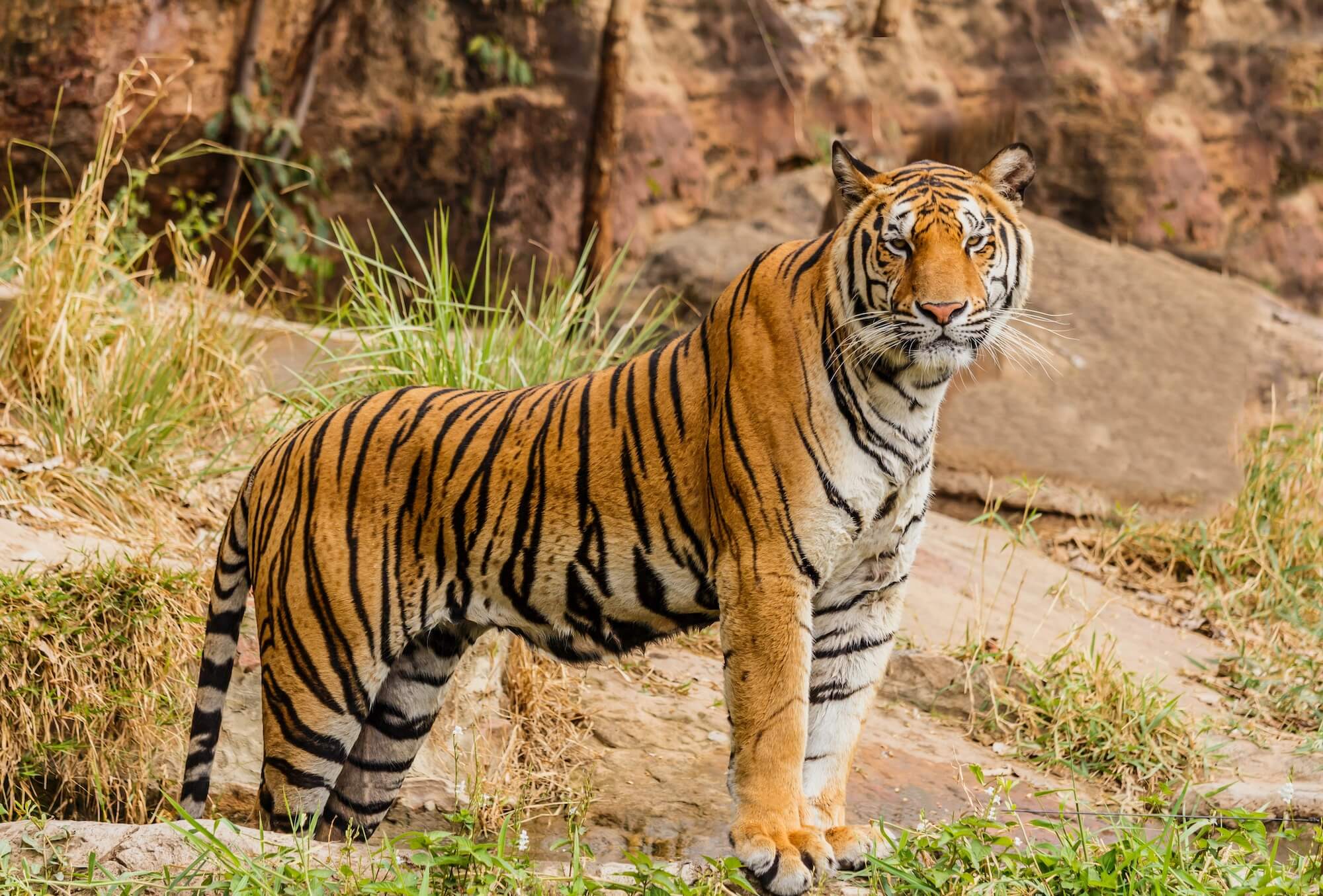
Bengal Tiger
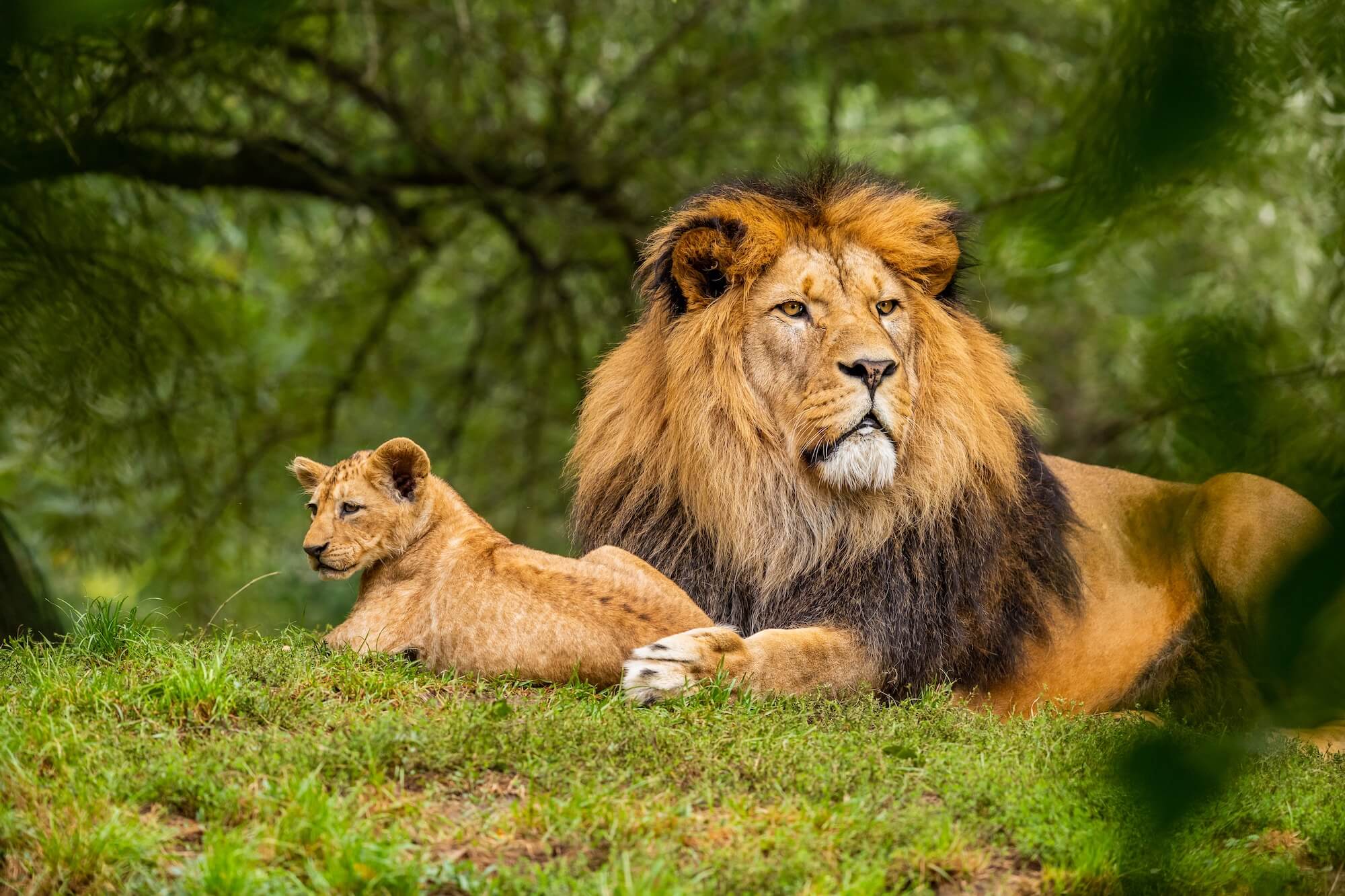
African Lion
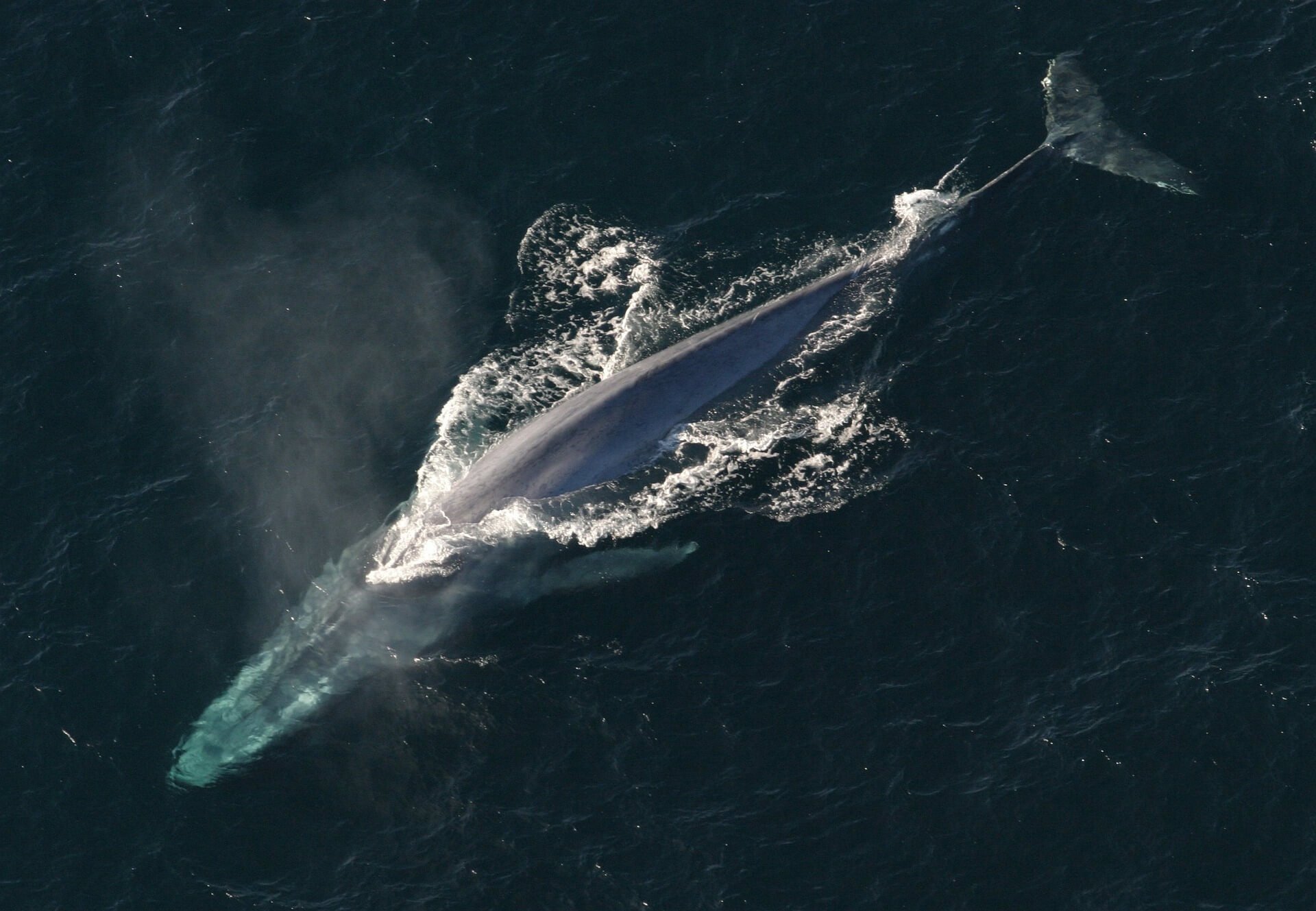
Blue Whale
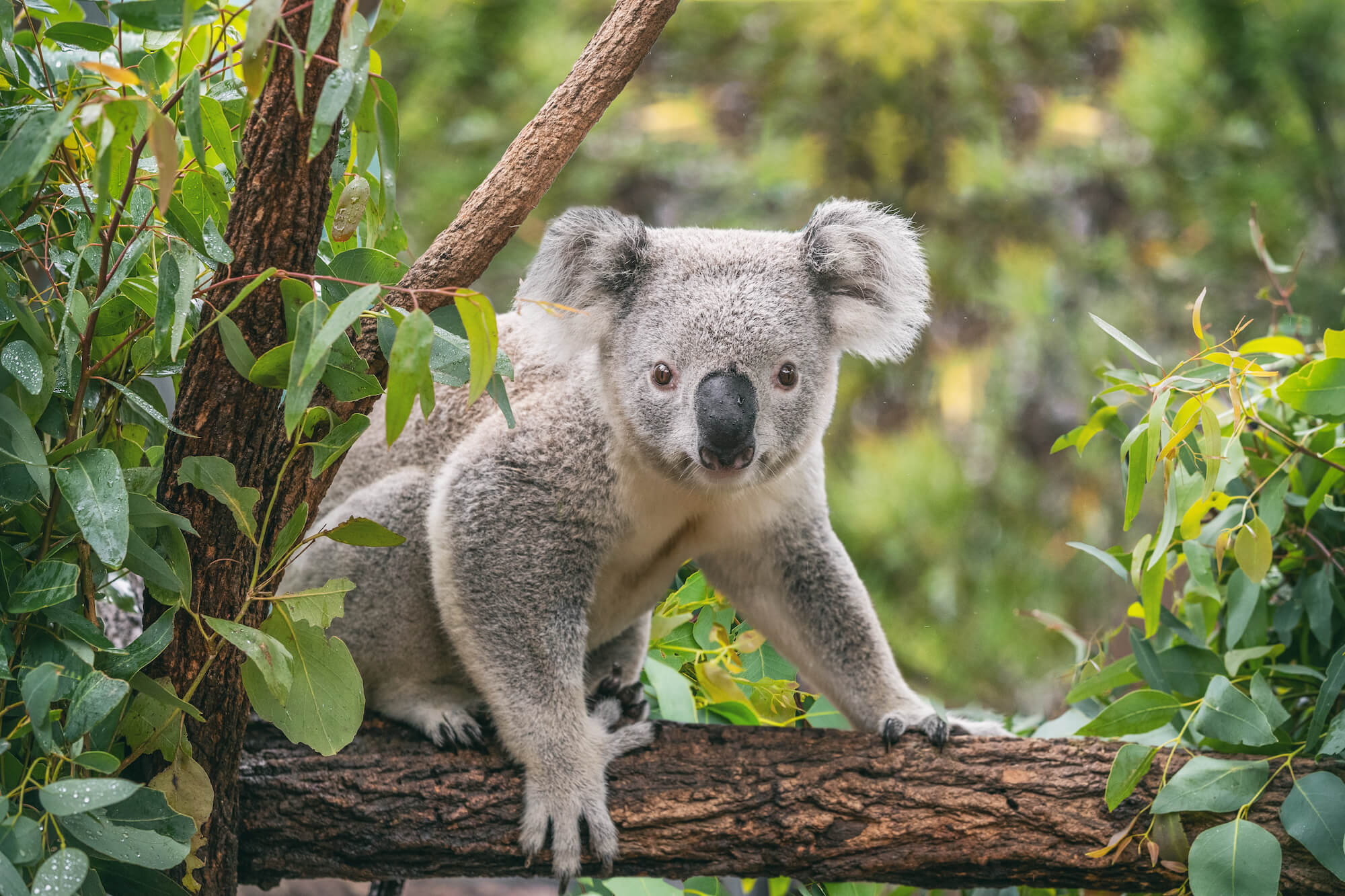
Koala

Polar Bear
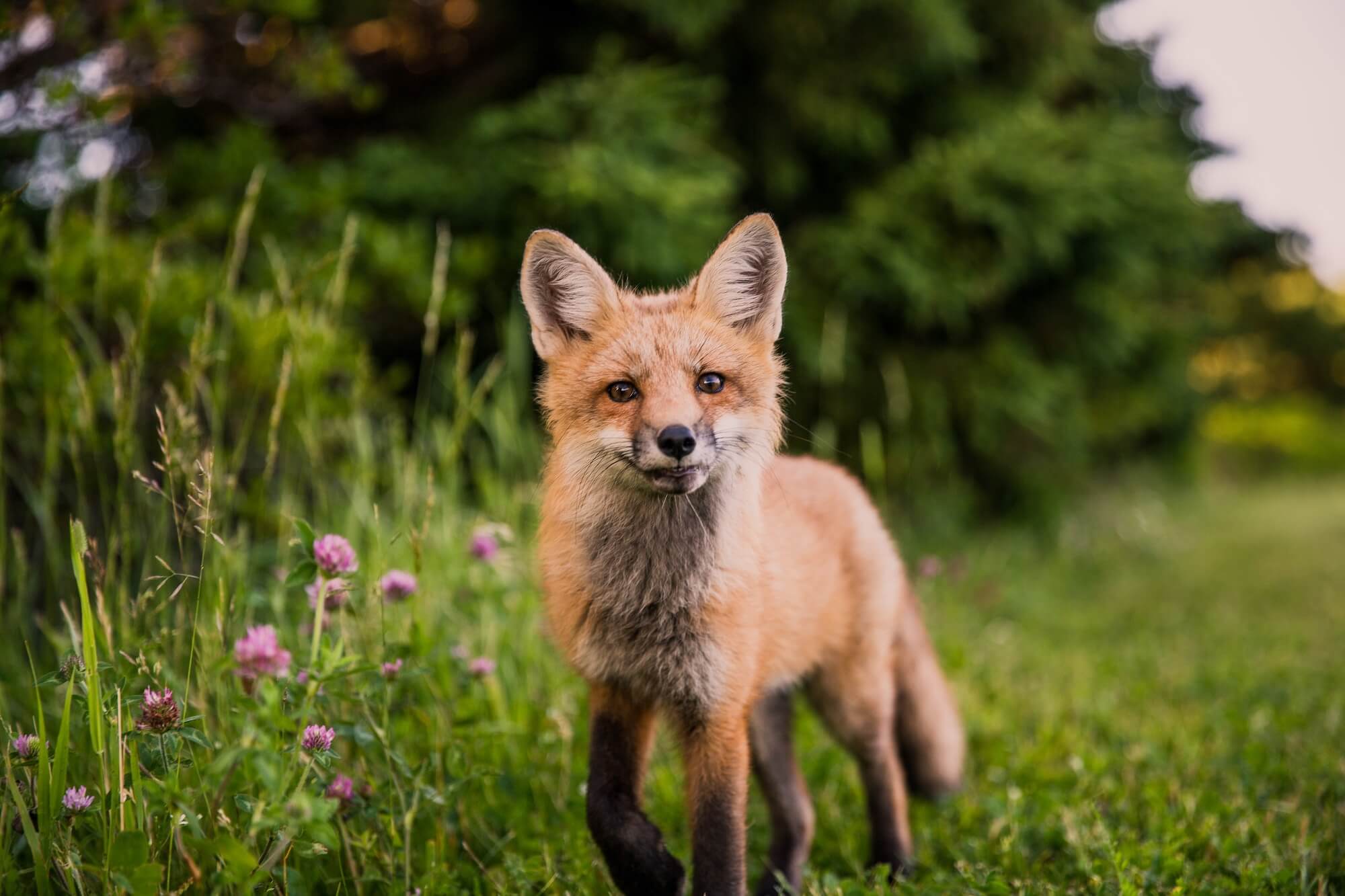
Fox
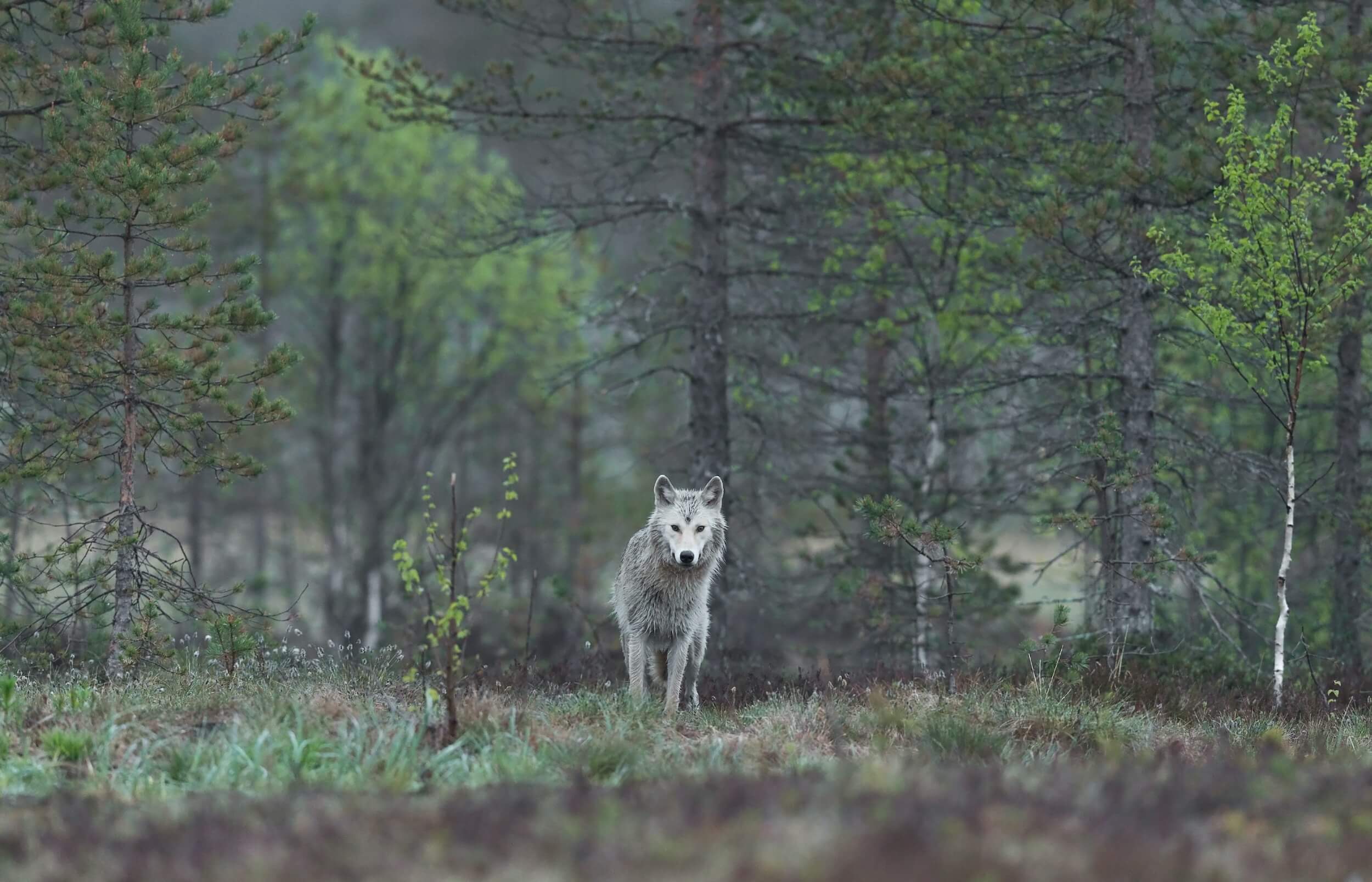
Wolf