Dolphin
Scientific Name:
Delphinus delphis

Click to view more pictures

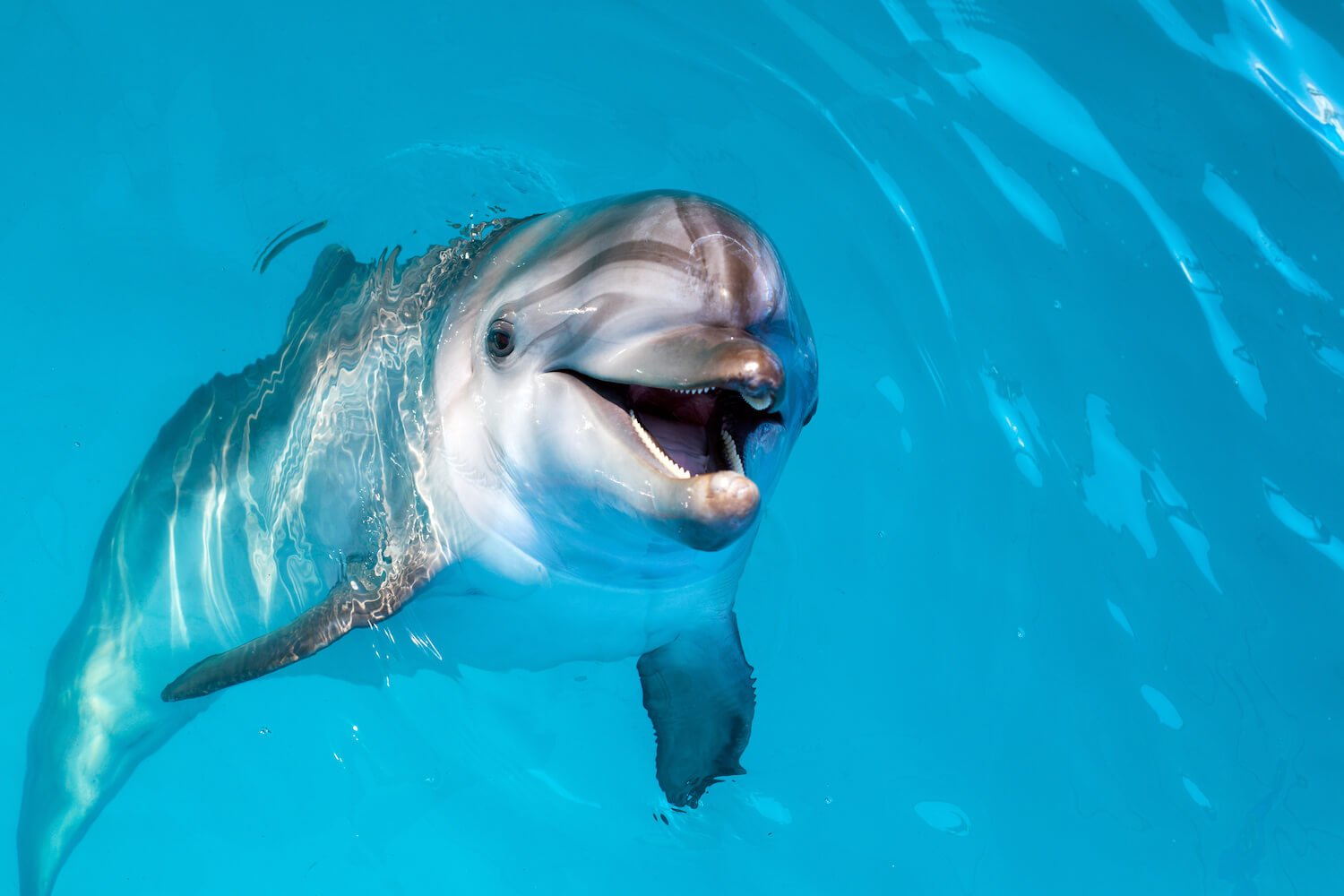
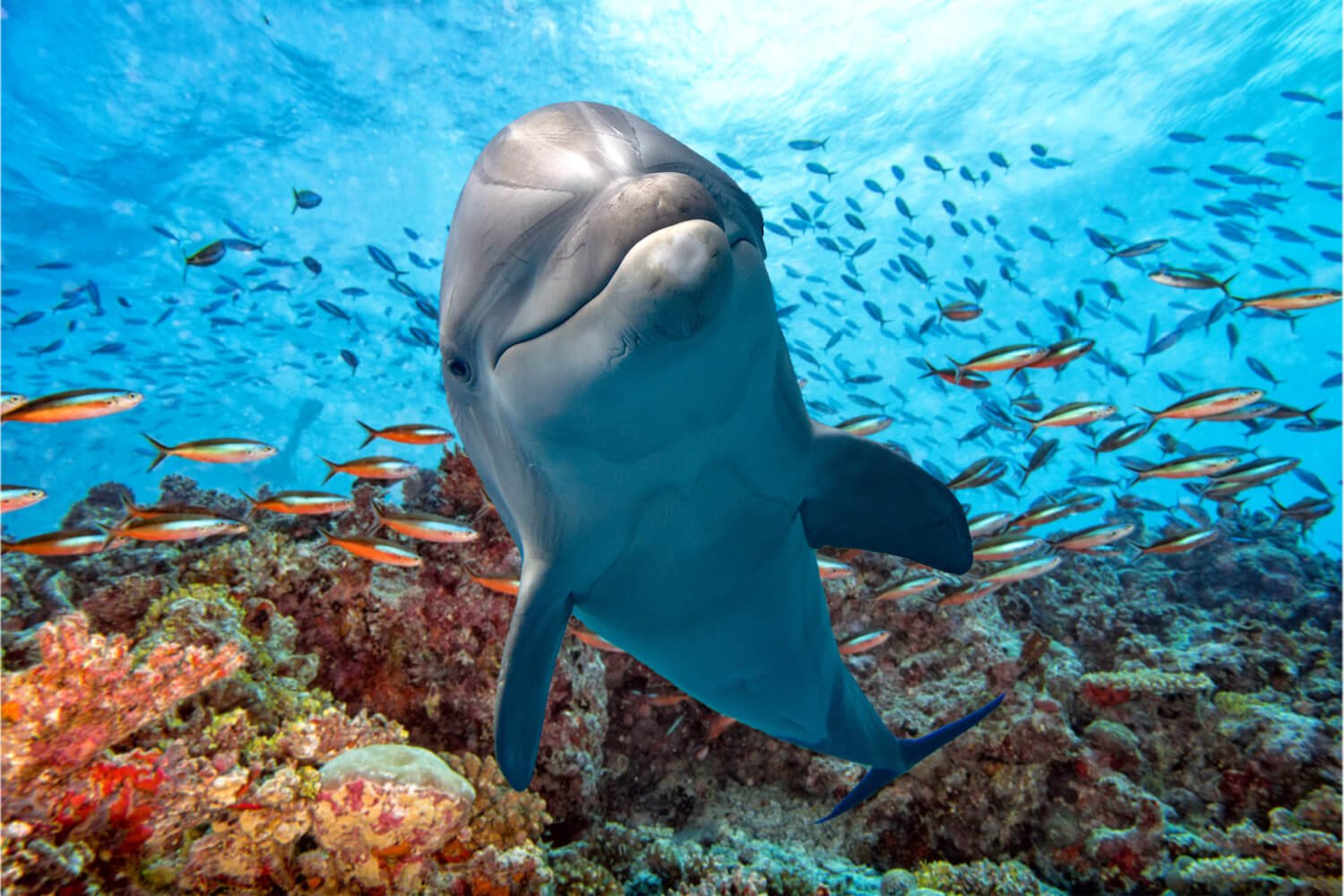
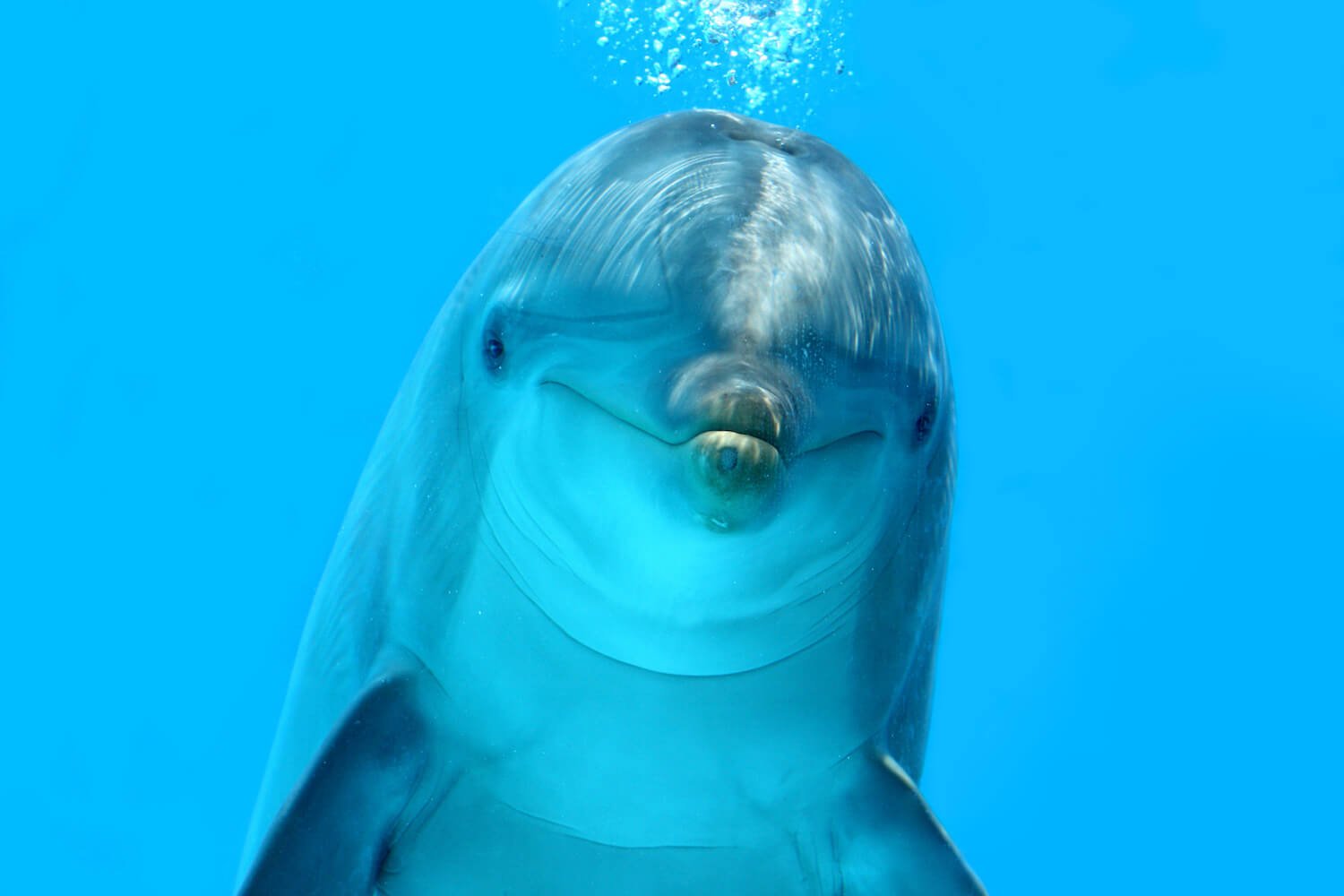
Dolphins are highly intelligent marine mammals with sleek, streamlined bodies built for fast swimming. Known for their playful behavior, curved mouths that look like smiles, and ability to leap gracefully through the air, dolphins are among the ocean’s most beloved creatures.
Fun
Dolphin
Facts
-
Dolphins are one of the smartest animals on Earth and can recognize themselves in mirrors
-
They sleep with one half of their brain at a time, keeping one eye open to watch for danger and remember to breathe
-
Dolphins have their own signature whistles that work like names - they use them to call to specific friends and family
-
They use echolocation (like sonar) to “see” with sound, sending out clicks that bounce off objects to create a mental picture
-
Dolphins can swim up to 20 miles per hour and leap as high as 20 feet out of the water
-
They’re incredibly social and live in groups called pods that can have 10 to 100+ members
-
Dolphins have been observed helping injured dolphins and even rescuing humans from sharks
Where do they live?
Dolphins live in oceans worldwide, from tropical waters near the equator to cooler temperate seas. Different species prefer different areas - bottlenose dolphins are found in coastal waters along shorelines, bays, and estuaries, while common dolphins prefer deeper offshore waters. Some dolphin species, like the Amazon river dolphin, live in freshwater rivers instead of the ocean. Dolphins are found along coastlines of every continent except Antarctica. They prefer areas with abundant fish populations and often follow schools of fish as they migrate.
What do they eat?
Dolphins are carnivores that primarily eat fish like herring, mackerel, cod, and mullet. They also eat squid, shrimp, and octopus. Dolphins are cooperative hunters that work together in their pods to catch food. They use clever tactics like herding schools of fish into tight balls, taking turns eating while others keep the fish contained. Some dolphins chase fish onto muddy banks and then slide up onto shore to grab them! Dolphins use their sharp, cone-shaped teeth to grab prey, but they swallow fish whole without chewing. An adult dolphin can eat 15-30 pounds of fish per day.
Species Endangered Level
Not Endangered
Least Endangered
Most Endangered
Learn More!
Dolphins are marine mammals belonging to the family Delphinidae, and they’re among the most intelligent and social animals on the planet. Bottlenose dolphins, the most recognizable species, typically grow 6-12 feet long and weigh 300-650 pounds. They have smooth, rubbery gray skin, a distinctive curved dorsal fin on their back, and a beak-like snout called a rostrum. Their streamlined, torpedo-shaped bodies are perfectly designed for cutting through water at impressive speeds.
What truly sets dolphins apart is their extraordinary intelligence and complex social behavior. They communicate using a sophisticated system of clicks, whistles, and body language. Each dolphin develops a unique signature whistle early in life that other dolphins use to identify them - essentially giving each dolphin its own name. They live in tight-knit family groups called pods, where they cooperate in hunting, protect each other from predators like sharks, and even appear to play games together. Young dolphins stay with their mothers for 3-6 years, learning essential survival skills.
Dolphins must surface regularly to breathe air through their blowhole, which is like a nostril on top of their head. They’re incredibly acrobatic, often leaping, spinning, and riding waves created by boats - behavior scientists believe serves purposes from communication to removing parasites to pure enjoyment. Sadly, many dolphin species face threats from pollution, fishing net entanglement, habitat loss, and climate change affecting their food sources. Conservation efforts are crucial to protecting these remarkable animals that have captured human imagination for thousands of years.
Explore more
Mammals
Tasmanian Tiger
Giraffe
Three Toed Sloth

Puma
Cheetah

Guinea Pig
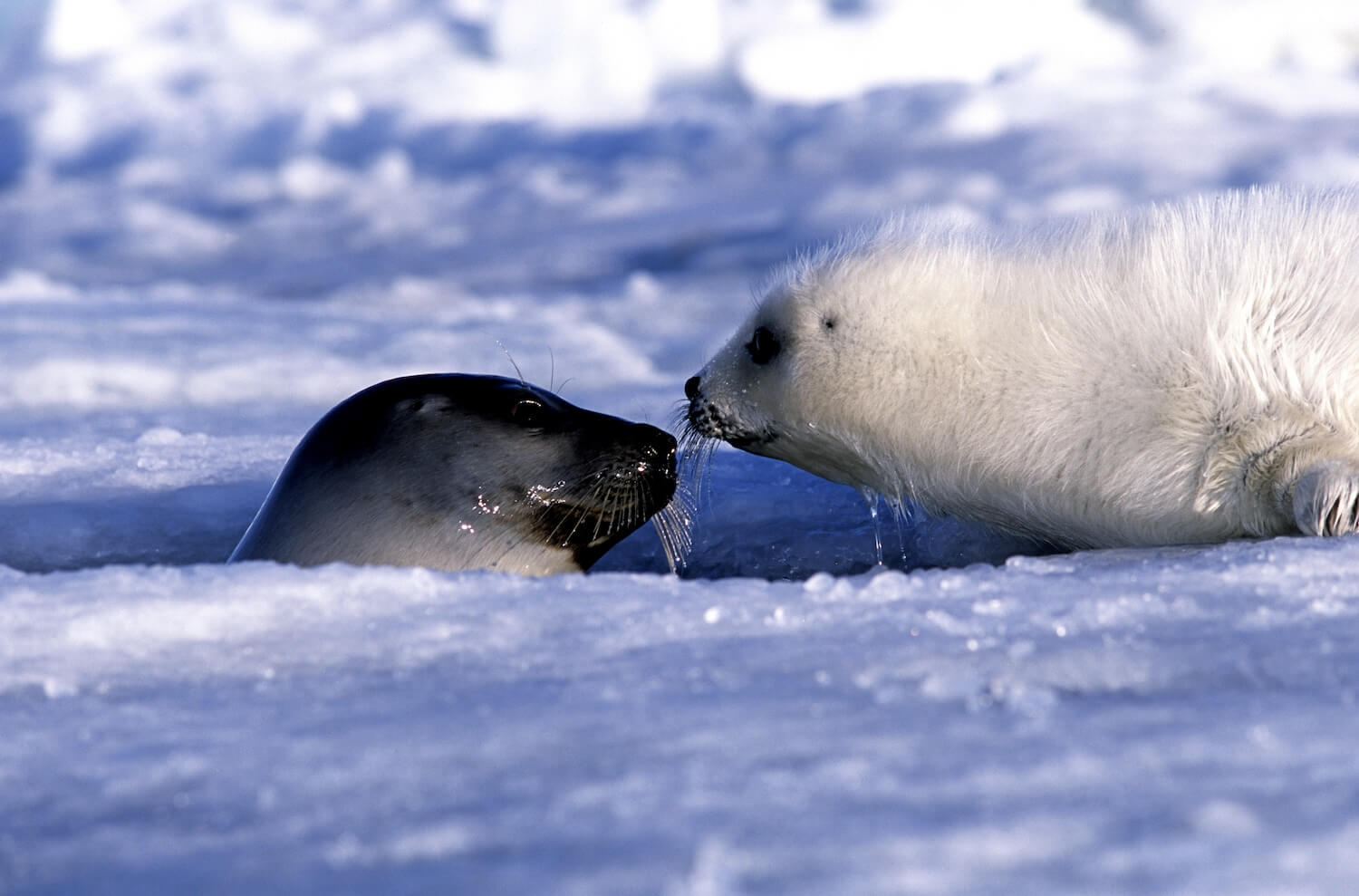
Harp Seal
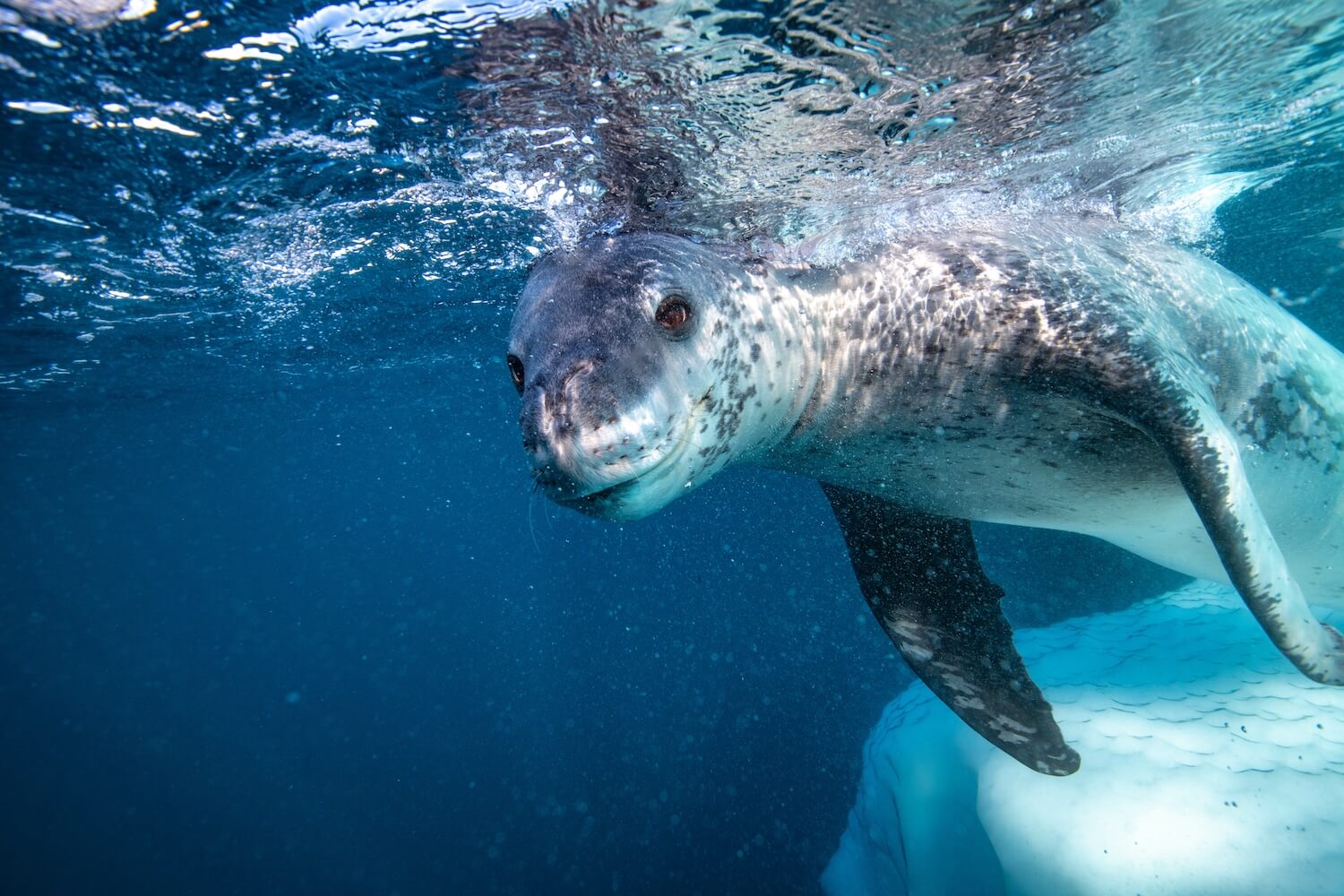
Leopard Seal
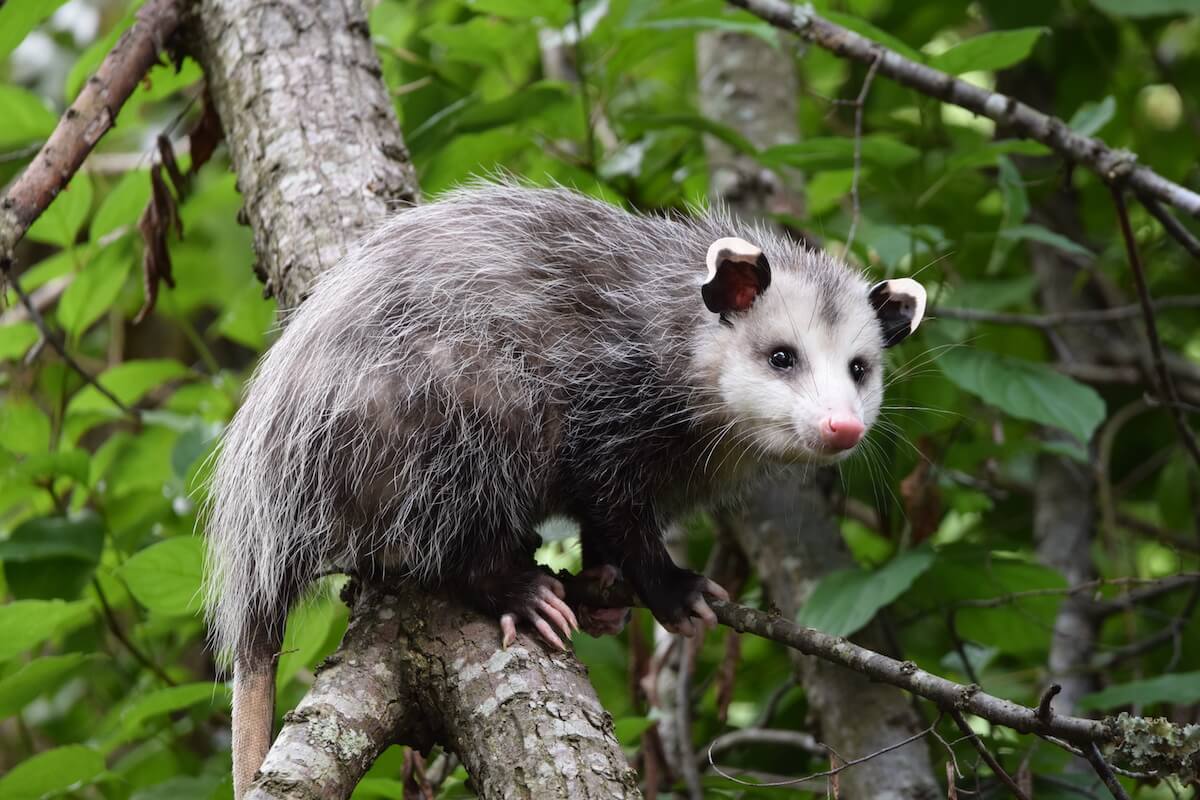
Opossum
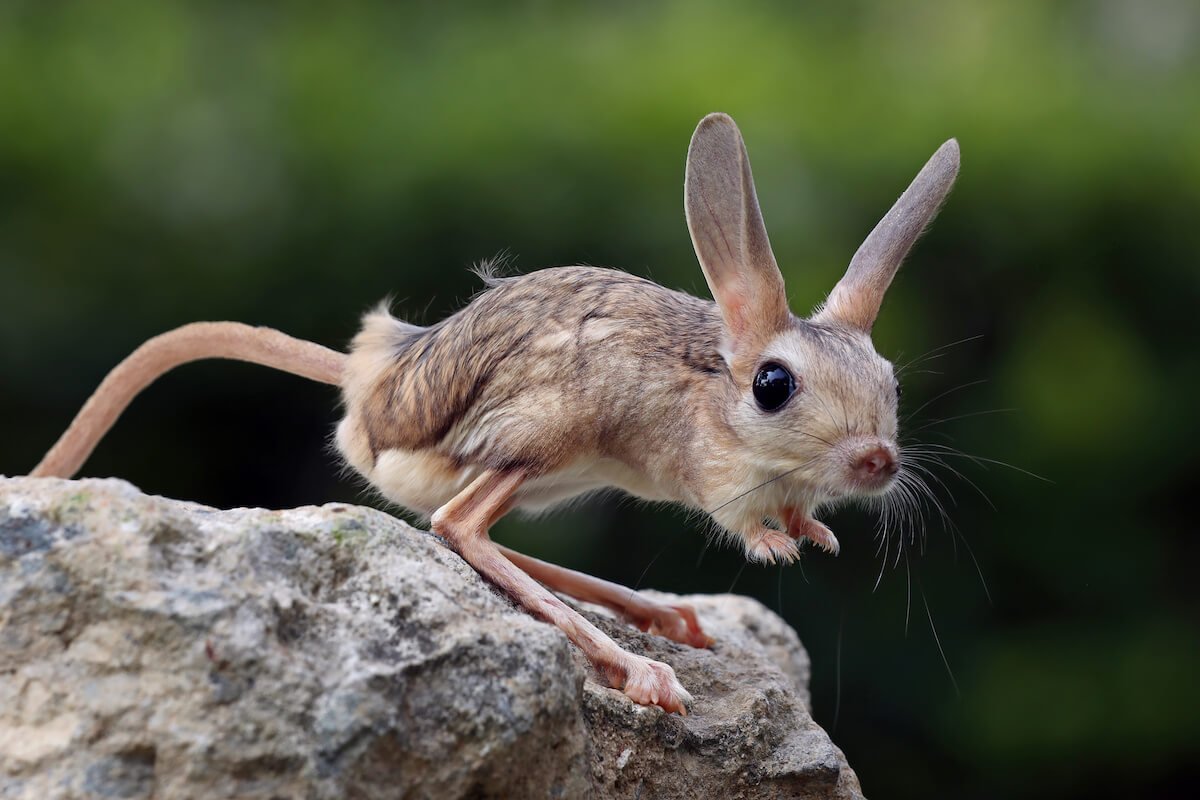
Jerboa

Red Panda
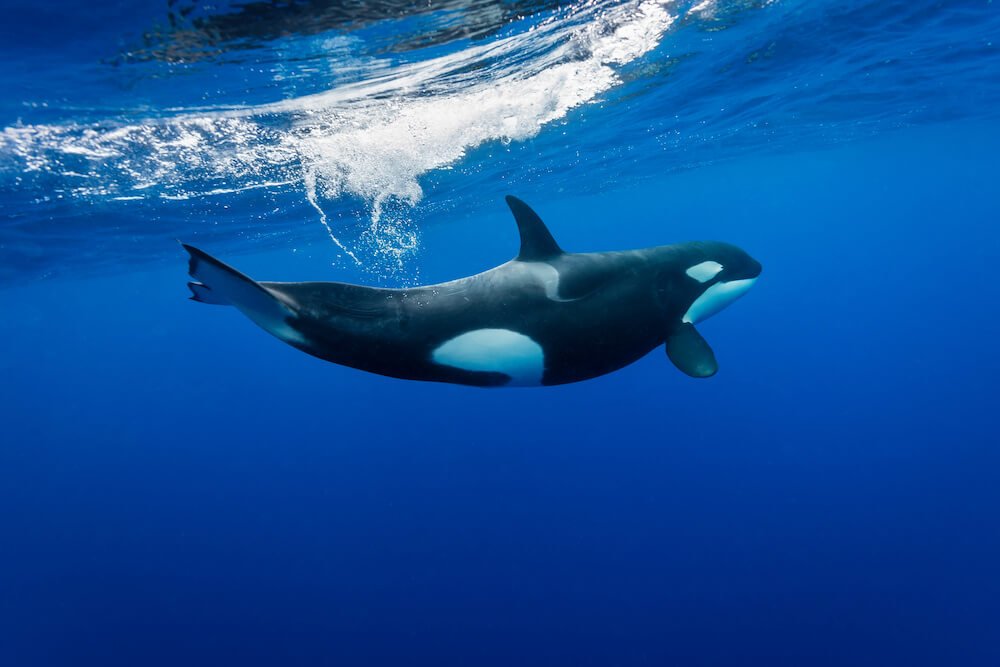
Orca
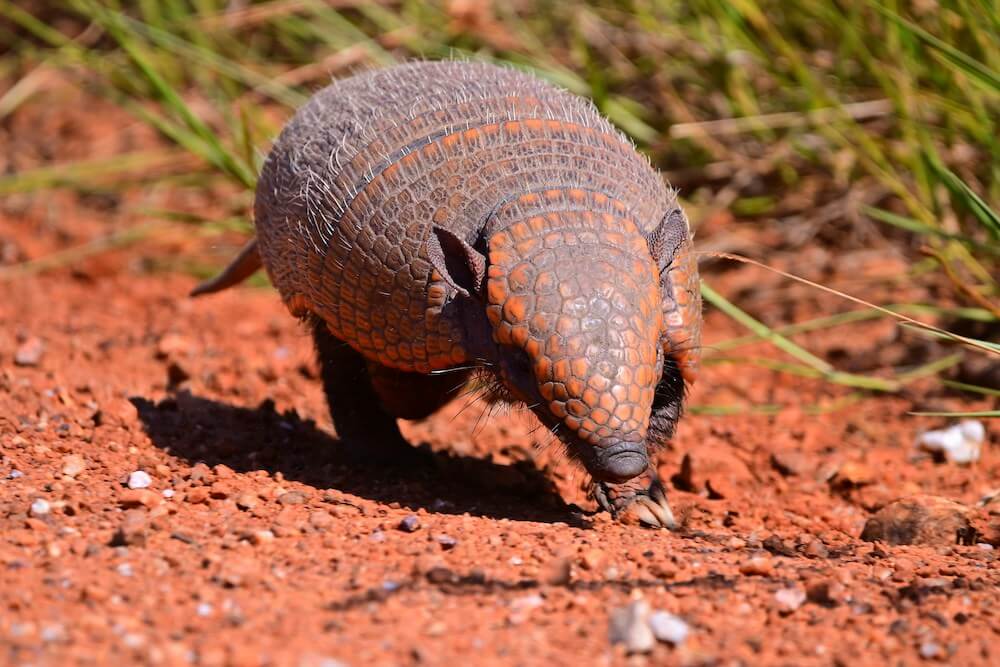
Armadillo
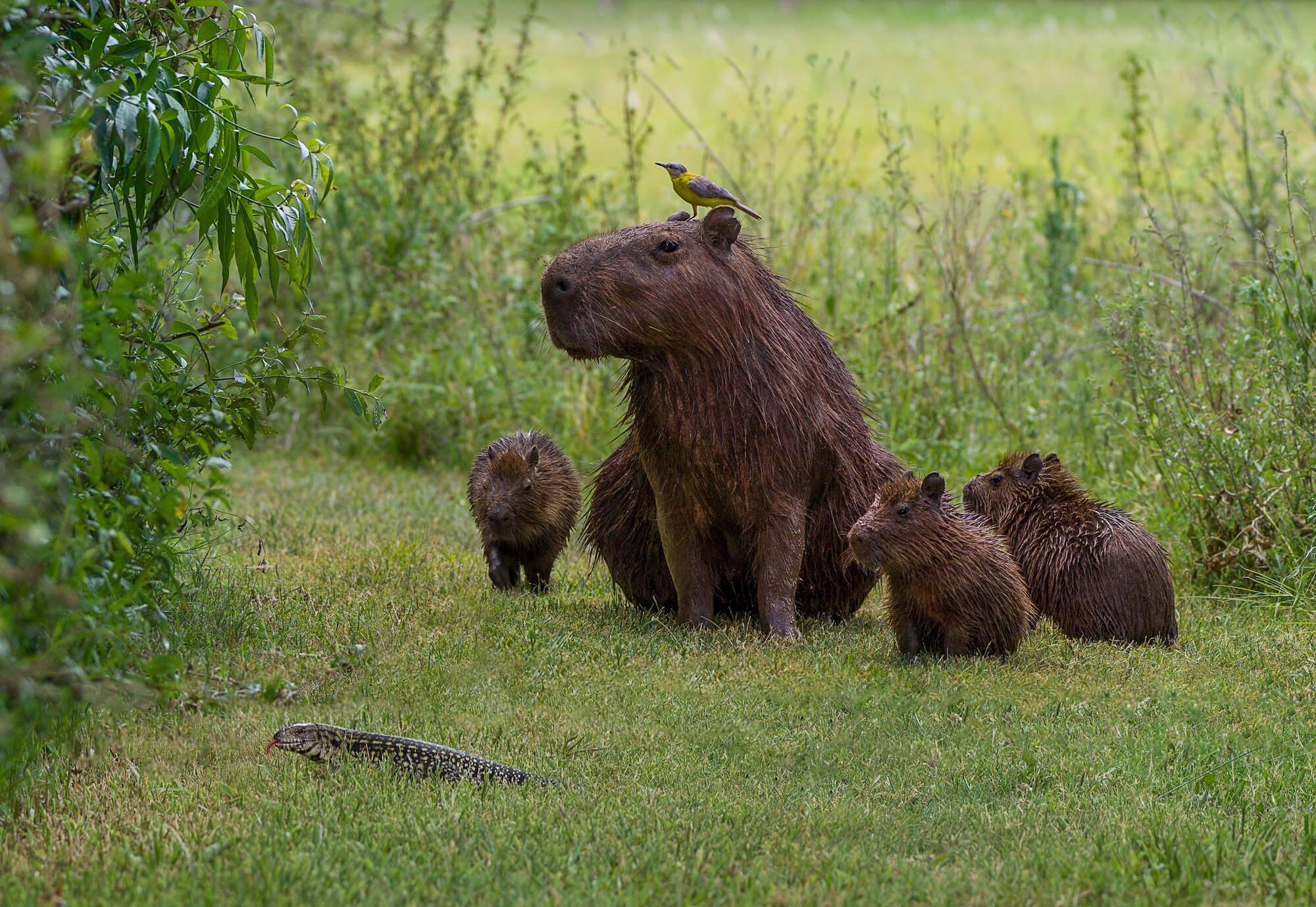
Capybara
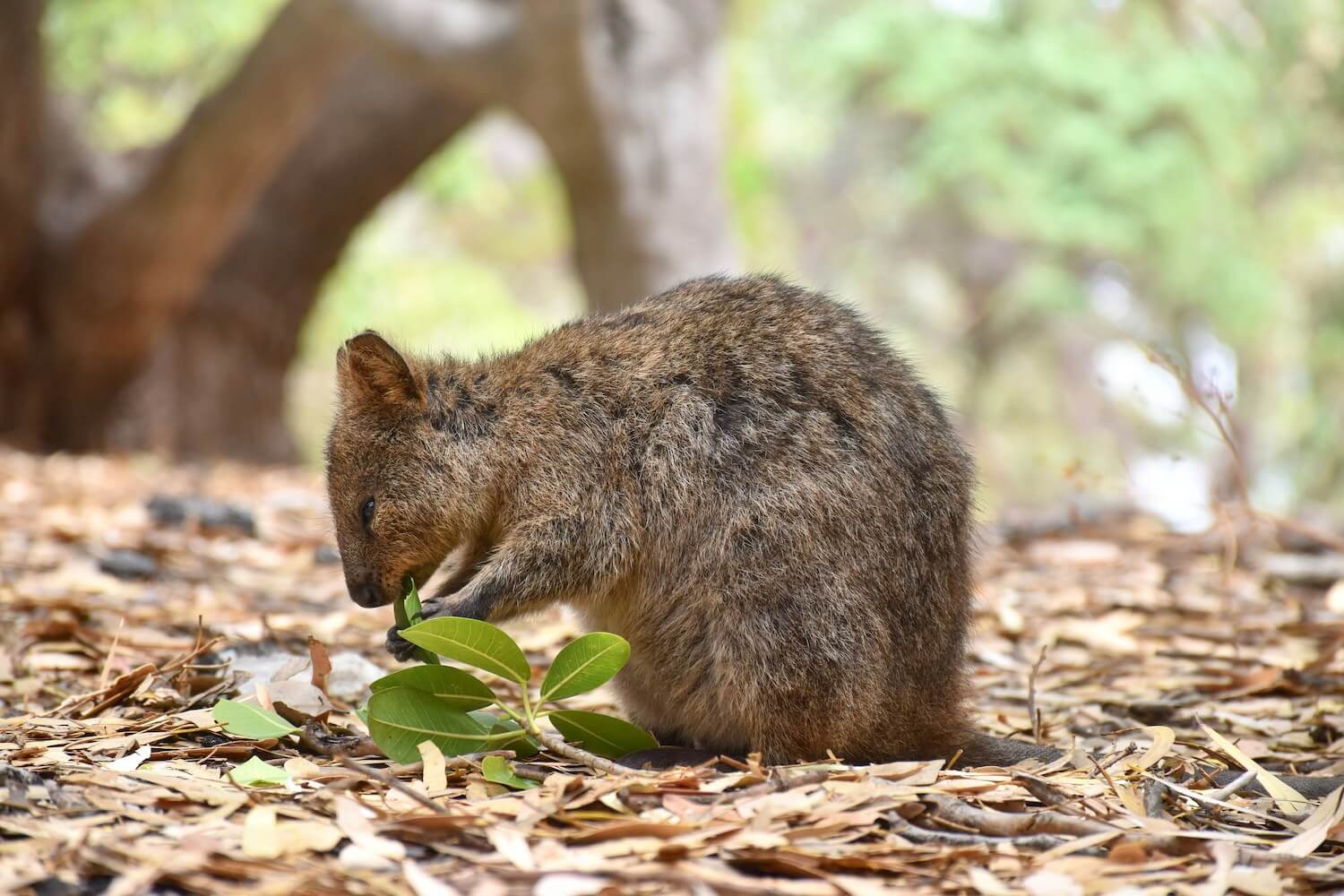
Quokka

Narwhal
Chimpanzee

Platypus
Hippopotamus

Snow Leopard
Orangutan
African Elephant
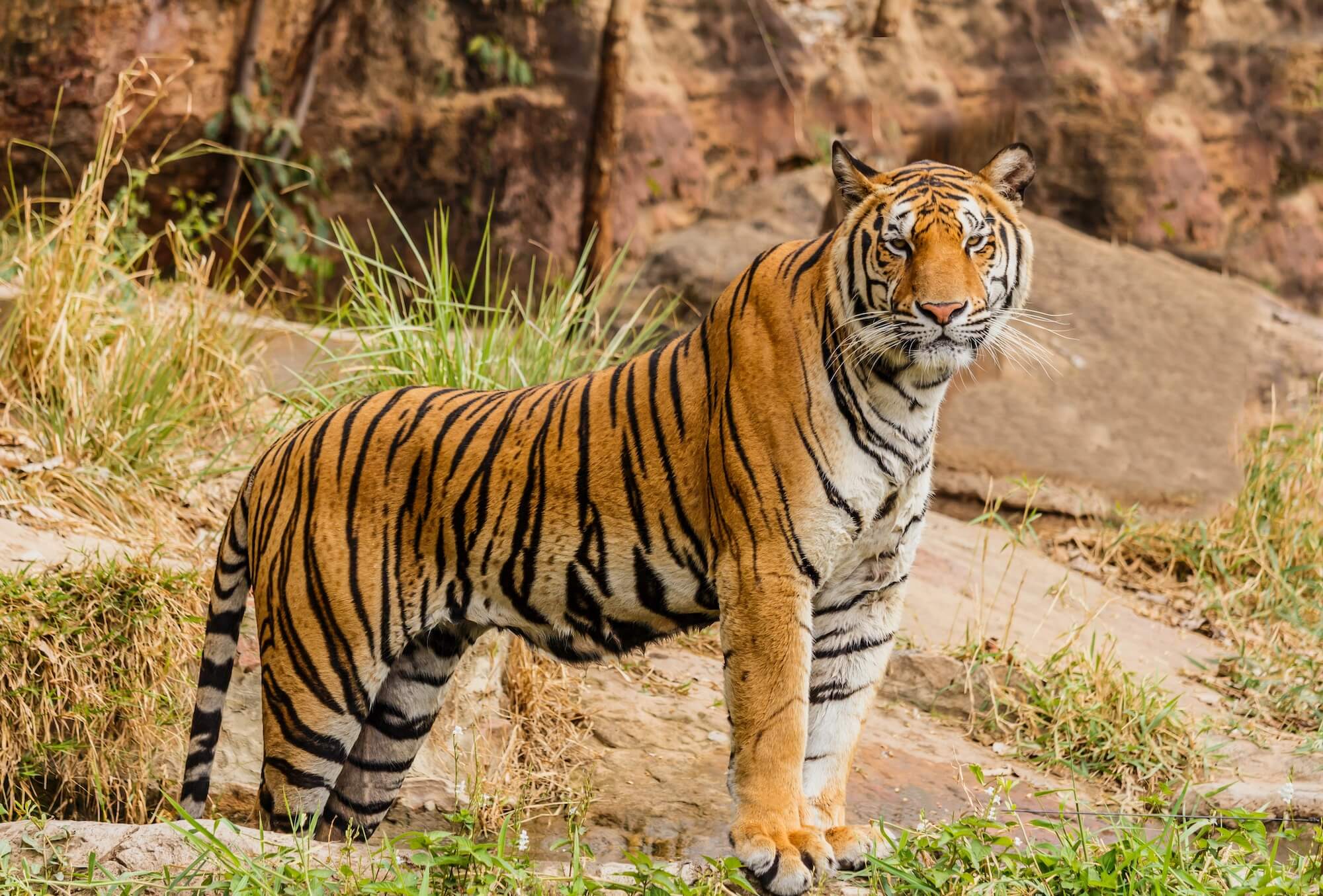
Bengal Tiger
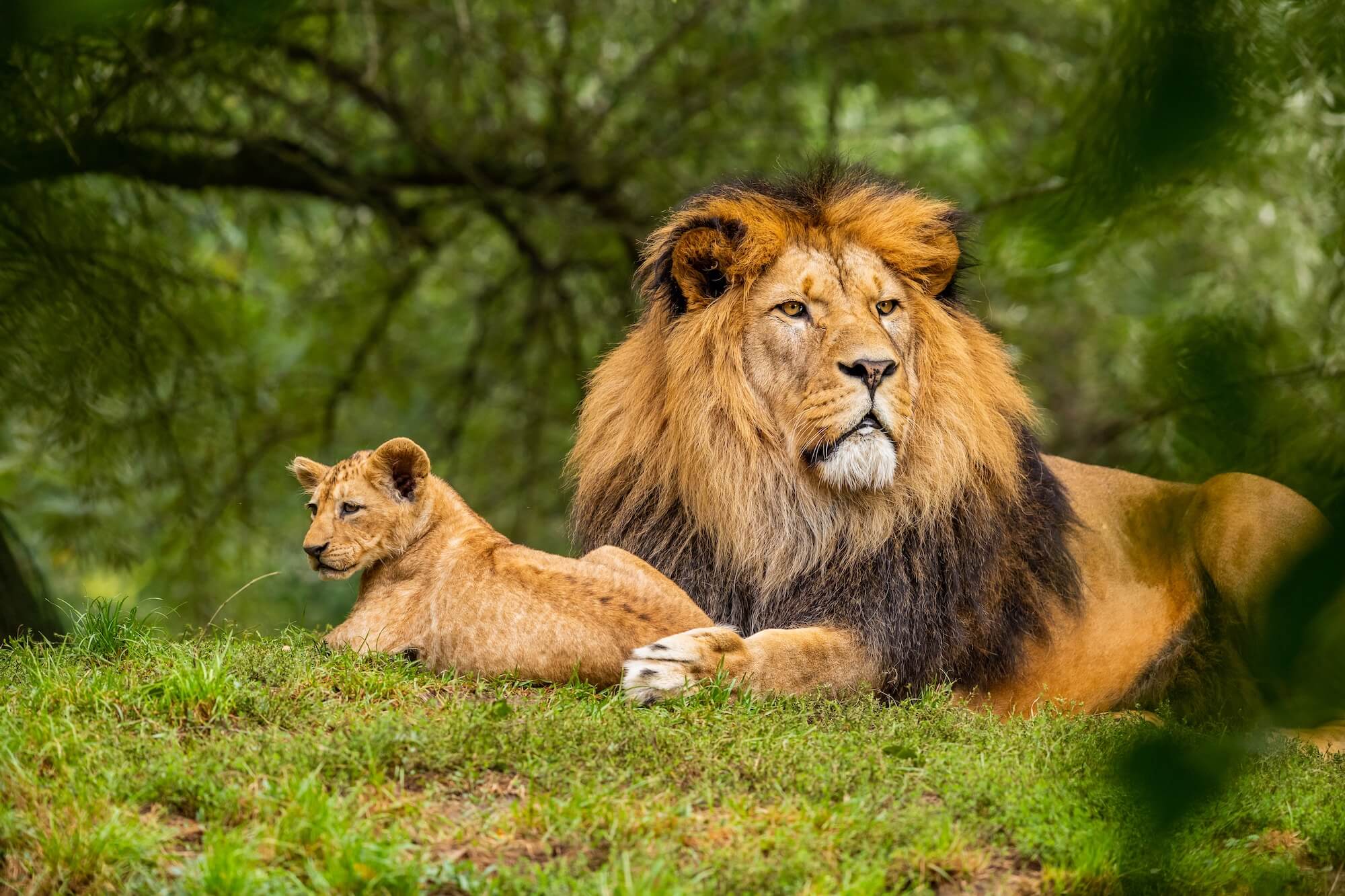
African Lion
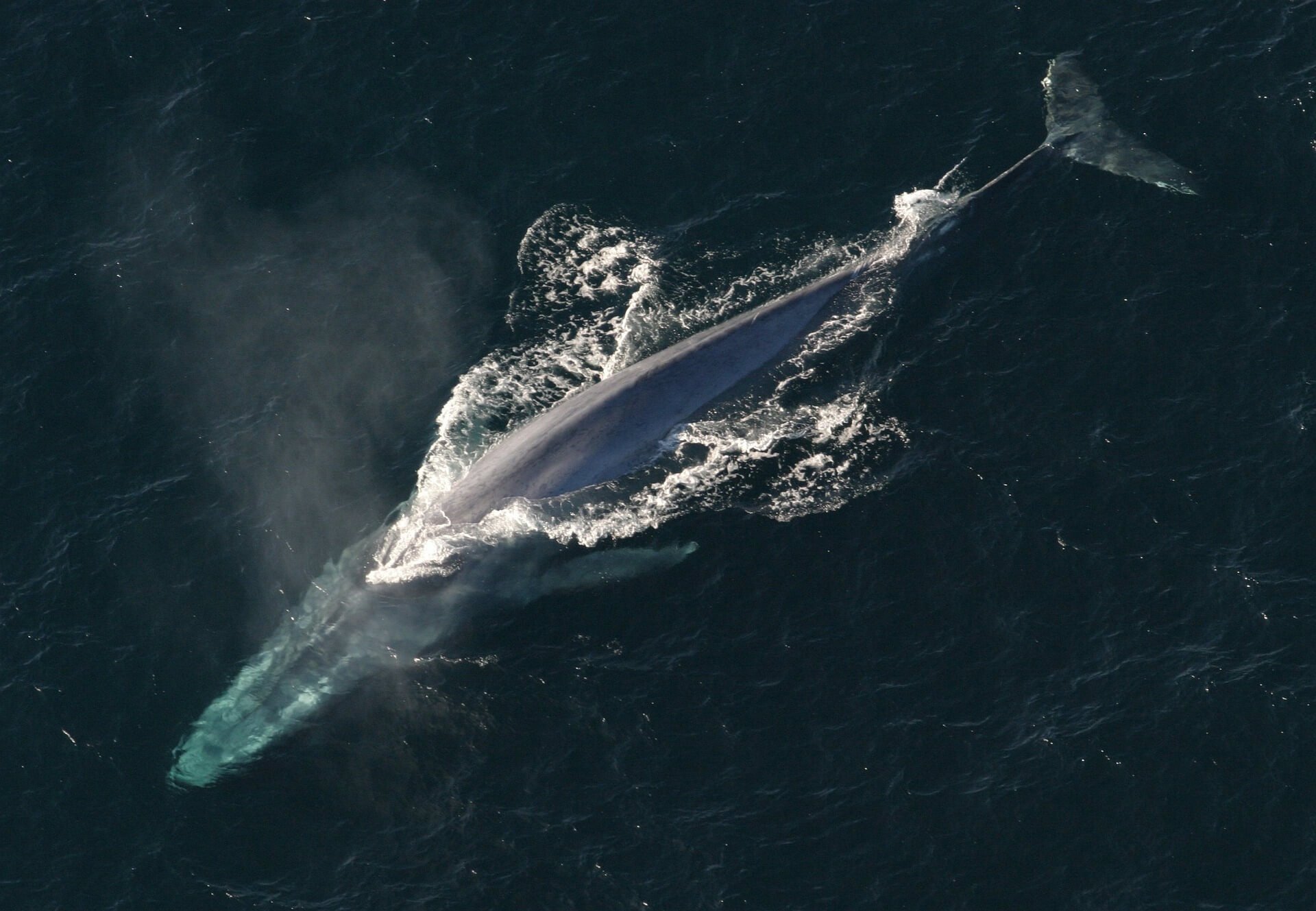
Blue Whale

Giant Panda
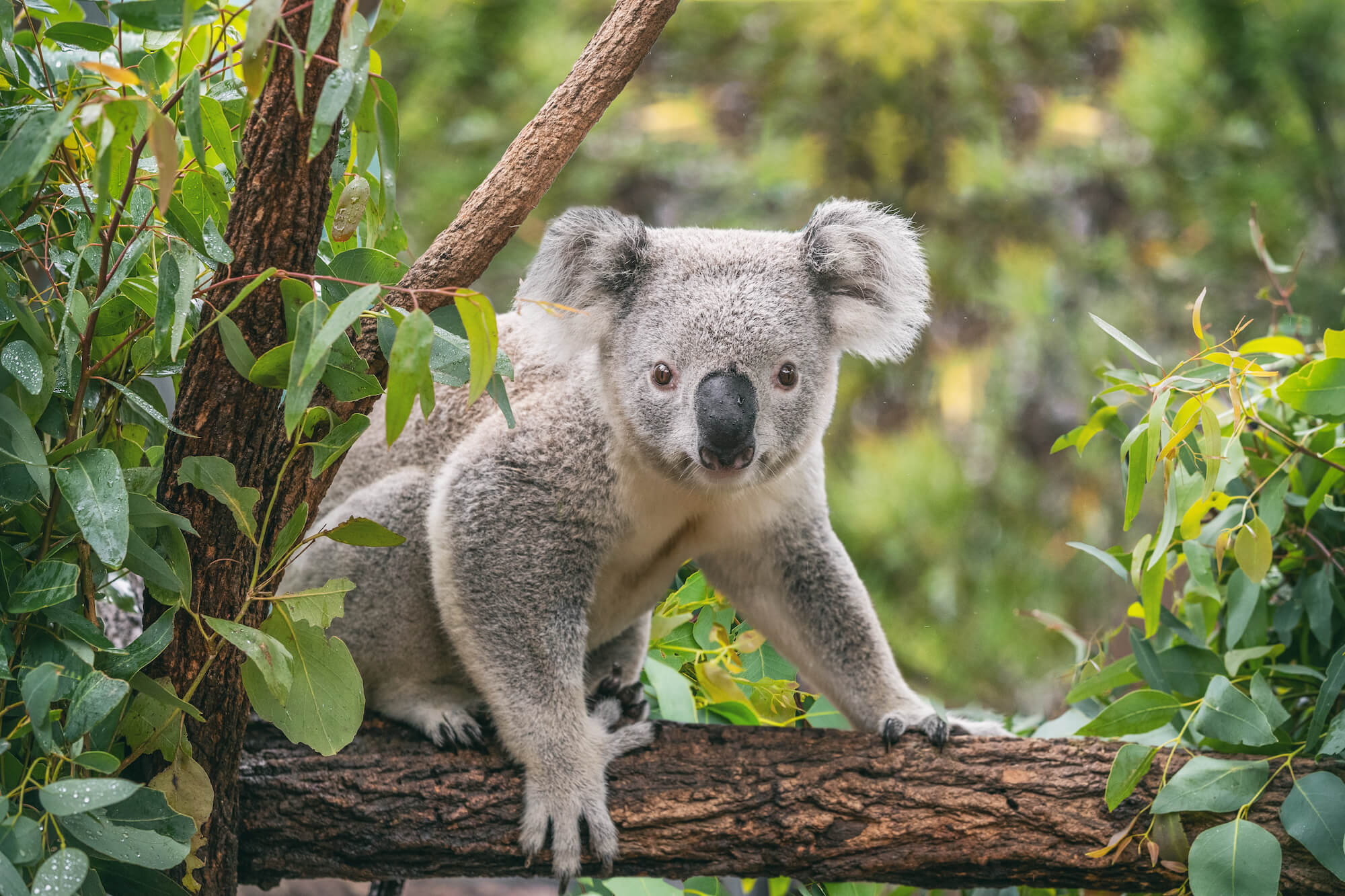
Koala

Polar Bear
Fox

Wolf