
Learn More!
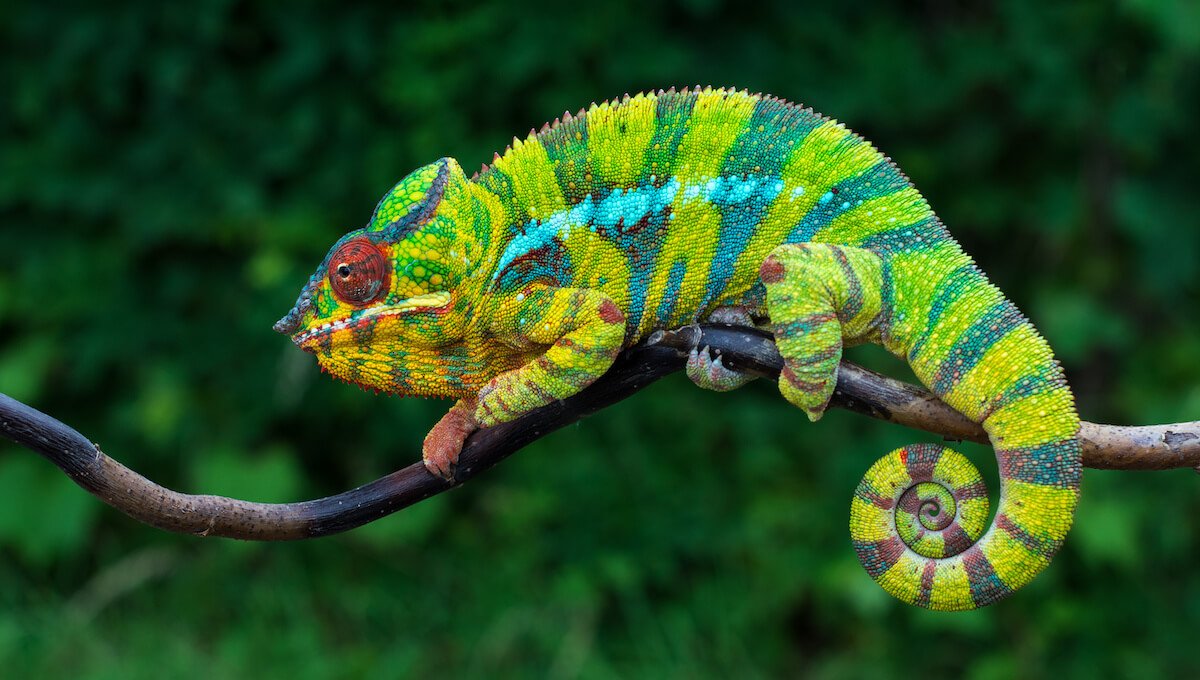
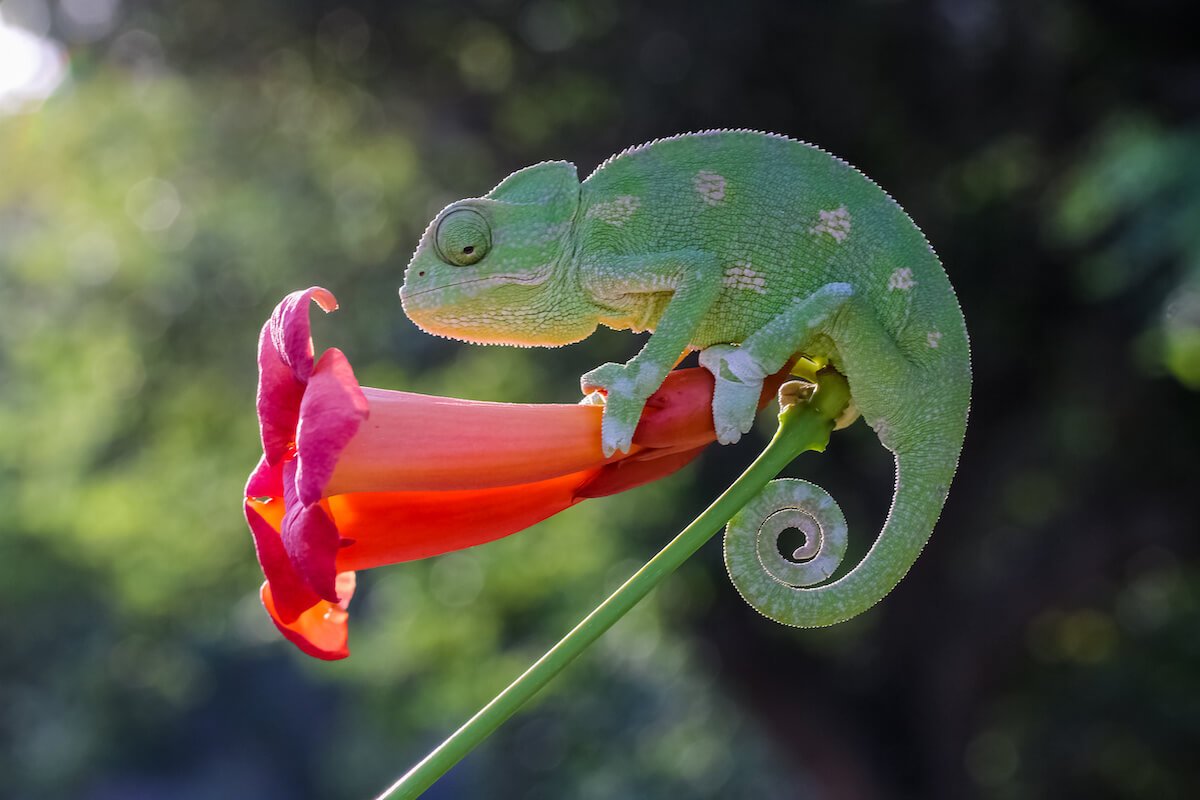
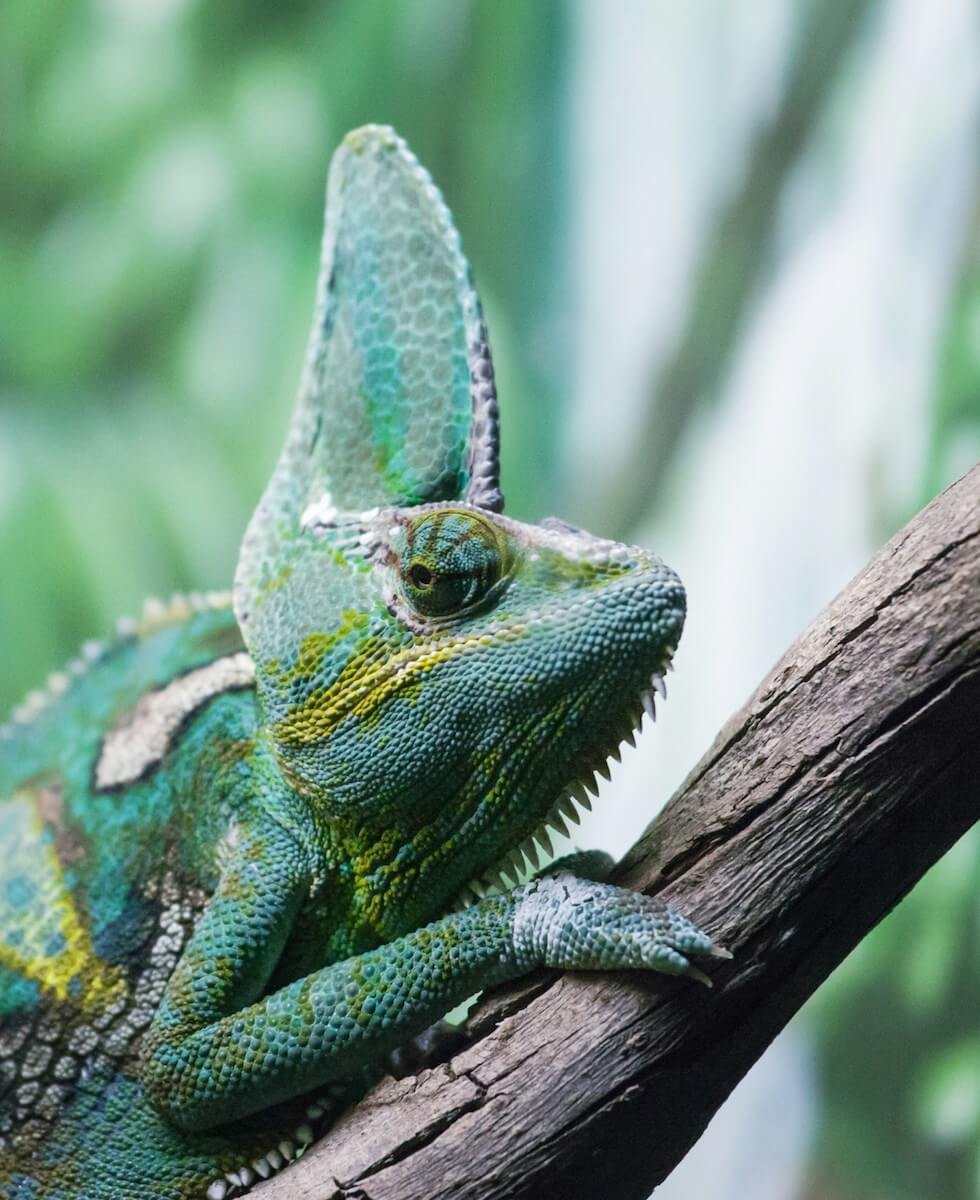
Chameleons, belonging to the family Chamaeleonidae, are a remarkable group of reptiles known for their ability to change color, independently move their eyes, and extend their long tongues to catch prey. These fascinating creatures are primarily found in Africa, Madagascar, southern Europe, and parts of South Asia, inhabiting a variety of environments from tropical and subtropical forests to savannas and even deserts. Chameleons have evolved a suite of unique adaptations that make them one of the most intriguing animals in the reptile world.
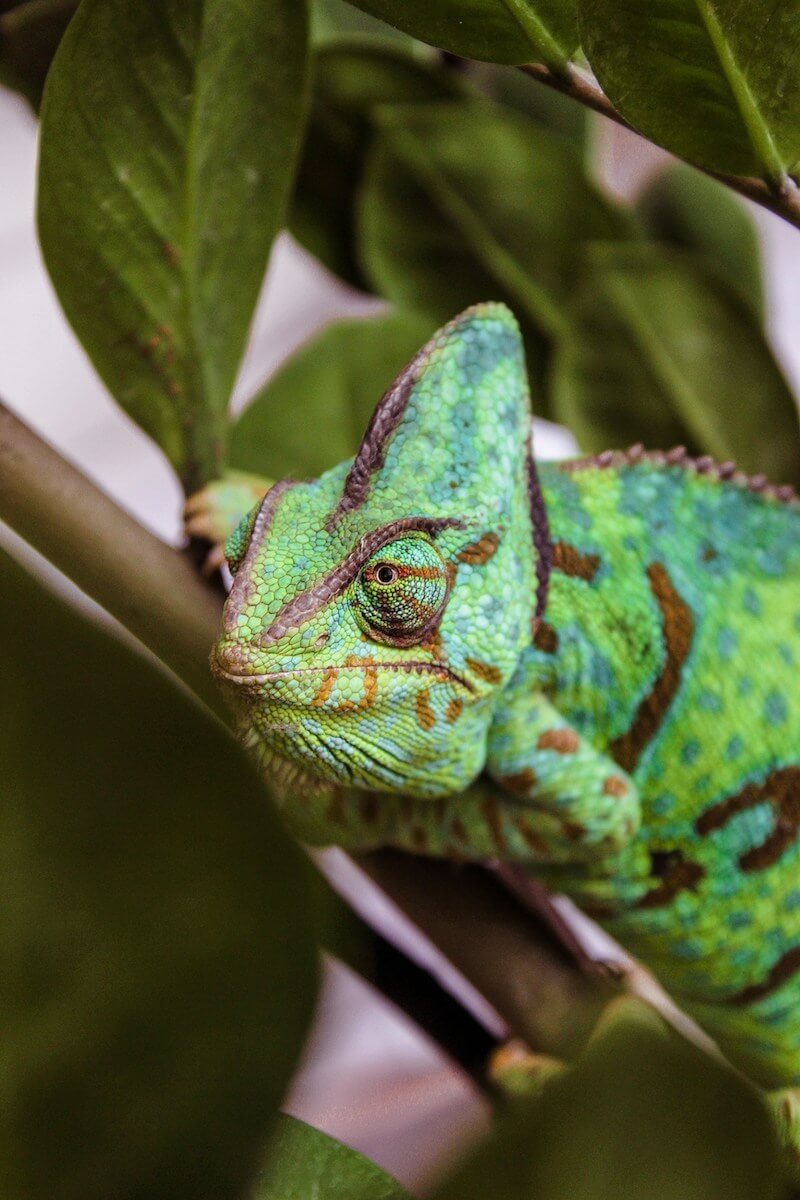
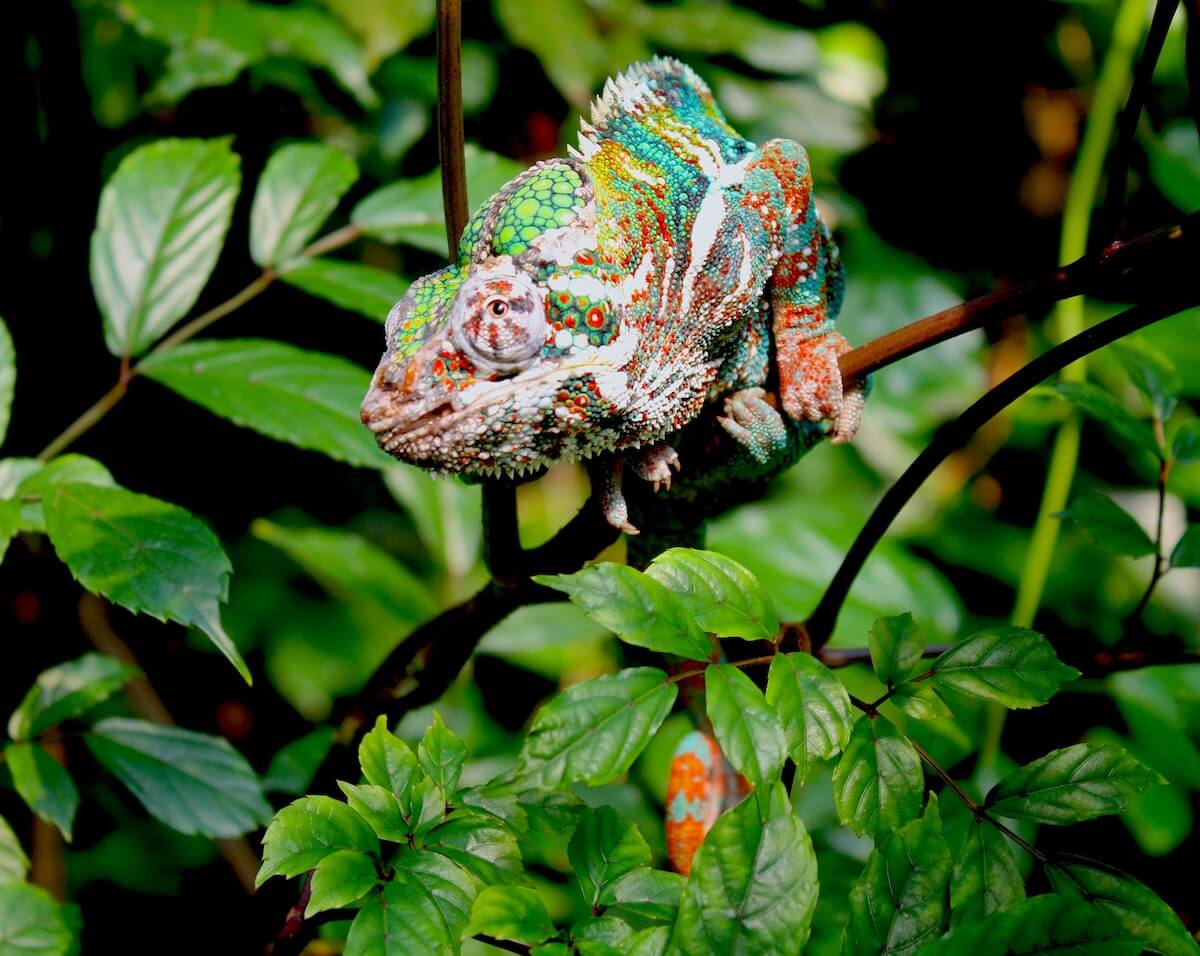
One of the most famous characteristics of chameleons is their color-changing ability. Contrary to popular belief, chameleons do not change color to match their surroundings but to communicate with other chameleons, regulate their body temperature, and respond to various environmental conditions. The color change is controlled by specialized cells called chromatophores and can be influenced by factors such as light, temperature, and mood. This remarkable ability allows them to convey social signals, such as aggression or readiness to mate, and also to camouflage themselves from predators.
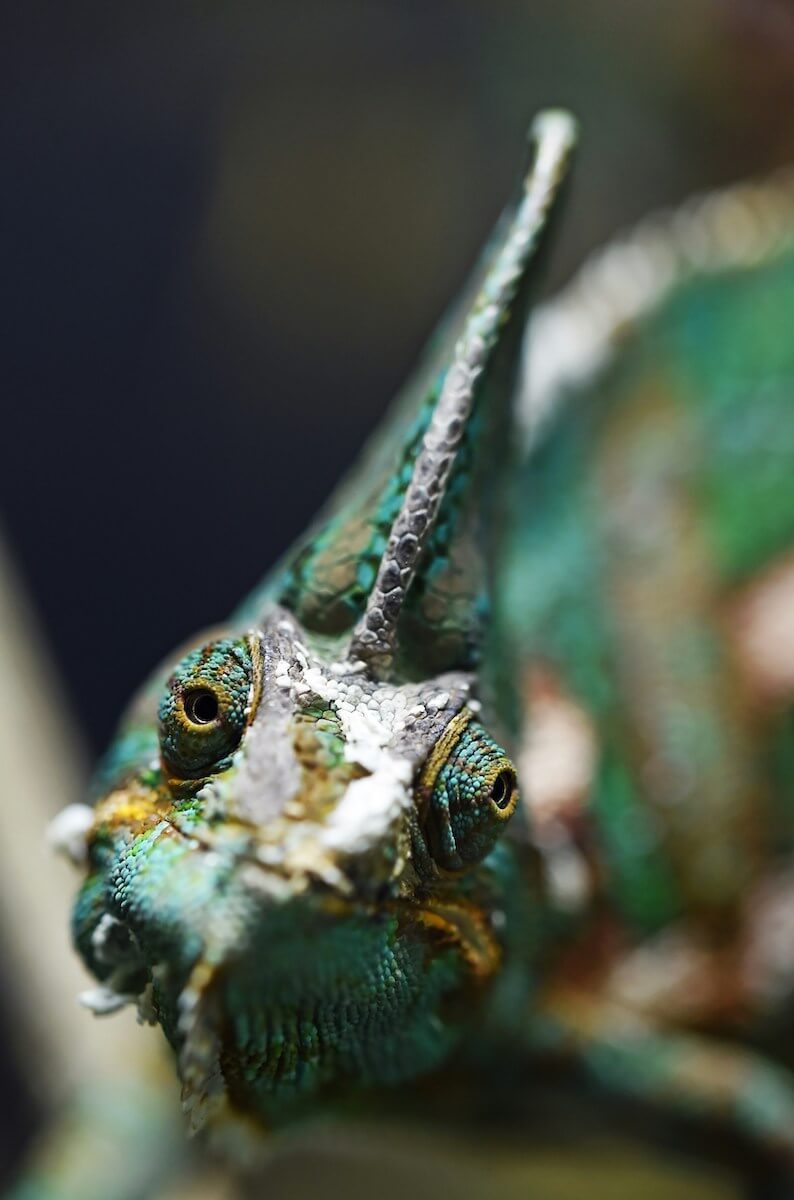
Chameleons are also known for their unique vision. Their eyes can move independently, allowing them to look in two different directions simultaneously. This gives them a full 360-degree field of view, which is highly advantageous for spotting prey and predators. When a chameleon locks onto its prey, it extends its tongue with incredible speed and accuracy. The tongue, which can be twice the length of its body, is coated with a sticky mucus that helps capture insects and other small invertebrates. This rapid and precise hunting method is a testament to the chameleon’s evolutionary ingenuity.
Despite their remarkable adaptations, chameleons face numerous threats, including habitat destruction, climate change, and the pet trade. While many species are classified as “Least Concern” by the IUCN, some are considered vulnerable or endangered due to their restricted ranges and specialized habitat requirements. Conservation efforts are essential to protect these unique reptiles and their habitats. Chameleons remain a symbol of nature’s creativity and resilience, captivating scientists and nature enthusiasts with their extraordinary abilities and vibrant displays.