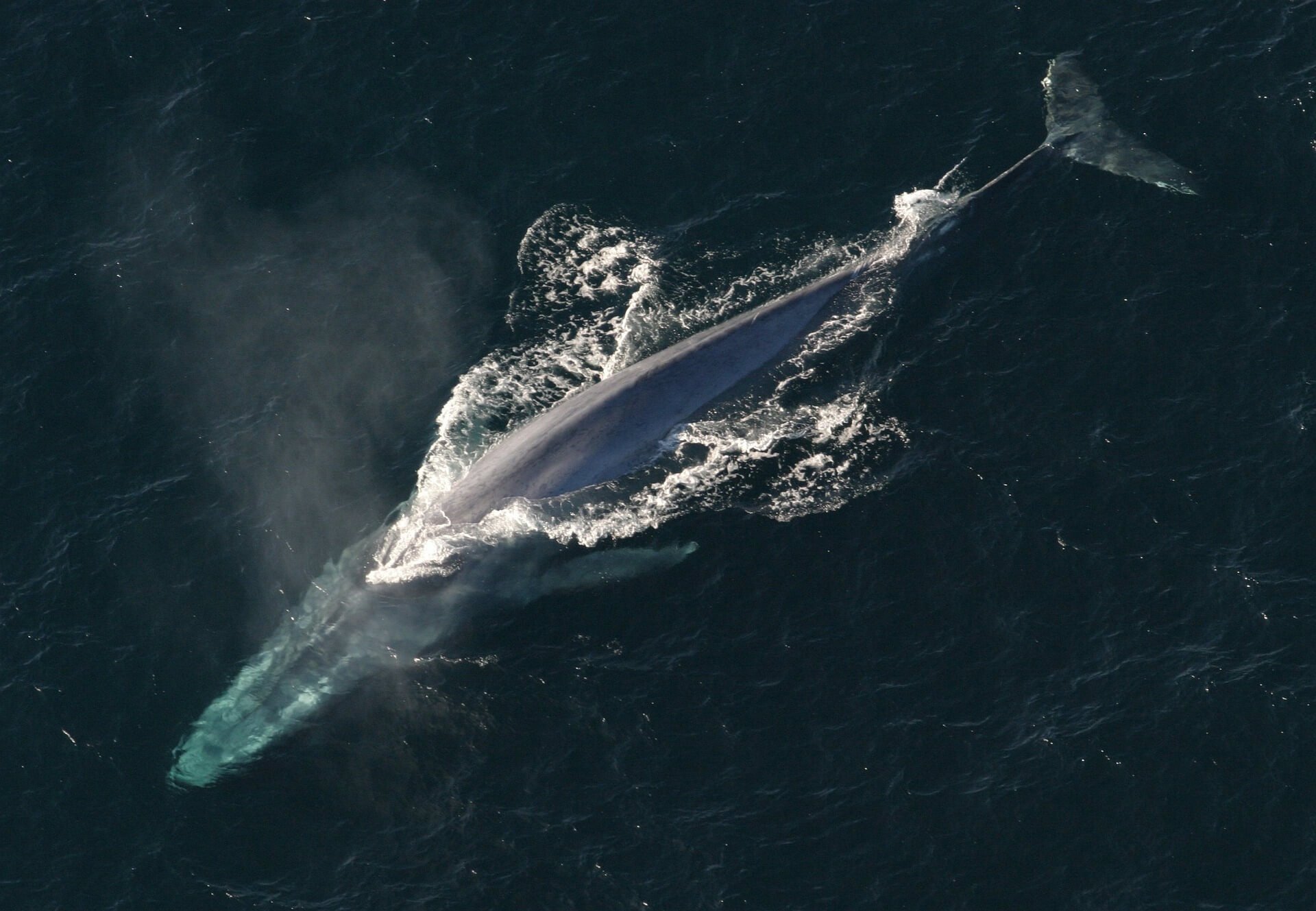
Blue Whale
Scientific Name:
Balaenoptera musculus
Click to view more pictures

Fun
Blue Whale
Facts
-
Blue whales are the largest animals to have ever lived on Earth, even bigger than dinosaurs!
-
A blue whale’s heart is as big as a small car and weighs about 400 pounds.
-
They are among the loudest animals on the planet, with calls that can be heard over 1,000 miles away underwater.
-
Baby blue whales, called calves, are born weighing up to 3 tons and measuring about 25 feet long.
Where do they live?
Blue whales are found in oceans worldwide. They migrate between feeding and breeding grounds, so their presence varies by season.
What do they eat?
Blue whales primarily eat krill, consuming up to 4 tons per day during feeding season. They may also eat small fish and other planktonic organisms occasionally.
Species Endangered Level
Endangered
Least Endangered
Most Endangered
Learn More!
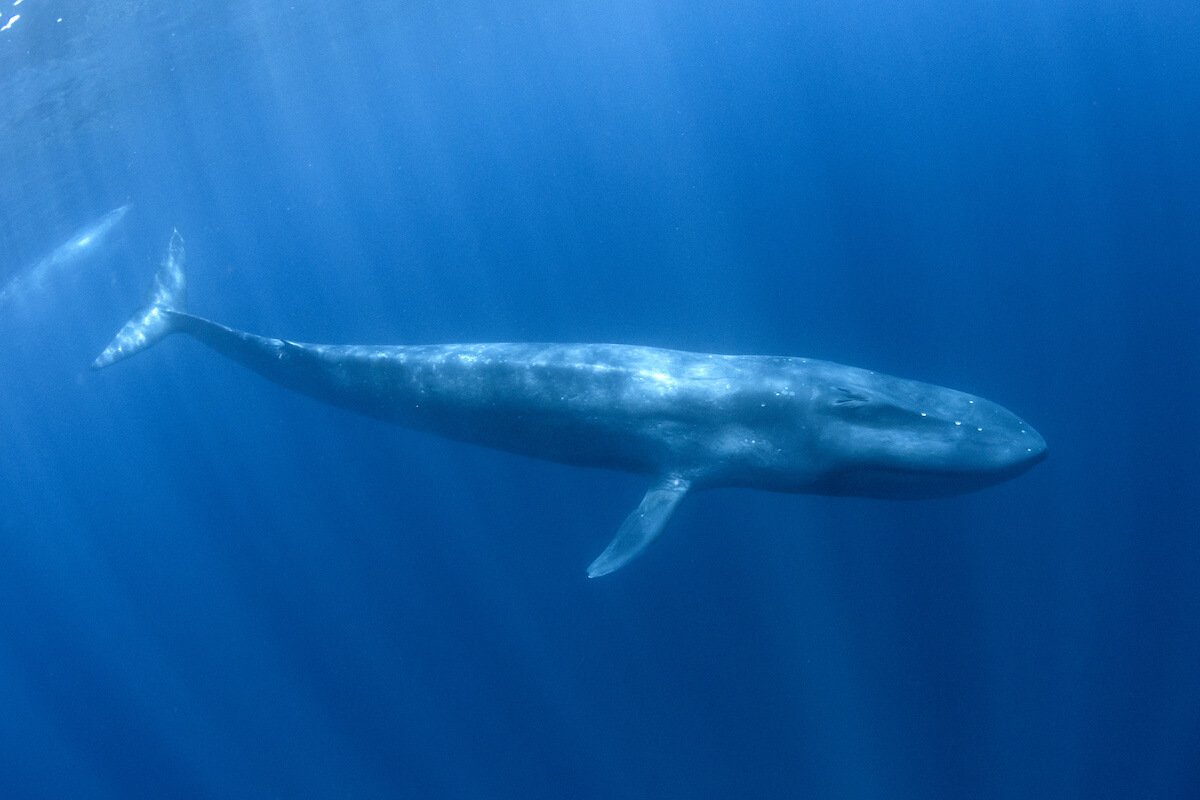
The blue whale (Balaenoptera musculus) is an awe-inspiring marine mammal and holds the title of the largest animal ever known to have existed. These magnificent creatures can reach lengths of up to 100 feet and weigh as much as 200 tons. Their massive size is complemented by a sleek, streamlined body that aids in their efficient movement through the ocean. Blue whales have a bluish-gray coloration, often with lighter spots, and a small dorsal fin situated far back on their bodies.
Blue whales are baleen whales, meaning they have baleen plates instead of teeth. These plates are used to filter feed on their primary diet: krill, which are tiny shrimp-like animals. During feeding season, a blue whale can consume up to 4 tons of krill each day. They take in huge gulps of water rich with krill and then push the water out through their baleen plates, trapping the krill inside to be swallowed. Blue whales are migratory, traveling great distances between their feeding grounds in cold waters and their breeding grounds in warmer waters.
One of the most remarkable aspects of blue whales is their vocalizations. They produce a variety of low-frequency sounds that can travel across vast distances underwater. These vocalizations are used for communication and navigation. Despite their enormous size, blue whales are graceful swimmers, capable of reaching speeds of over 20 miles per hour in short bursts.
Blue whale calves are born after an 11-12 month gestation period, and at birth, they are already among the largest animals in the ocean. Calves nurse on their mother’s rich milk and grow rapidly, gaining up to 200 pounds a day during their first year. The bond between mother and calf is strong, and the mother provides continuous care and protection during this critical growth period.
Explore more
Mammals
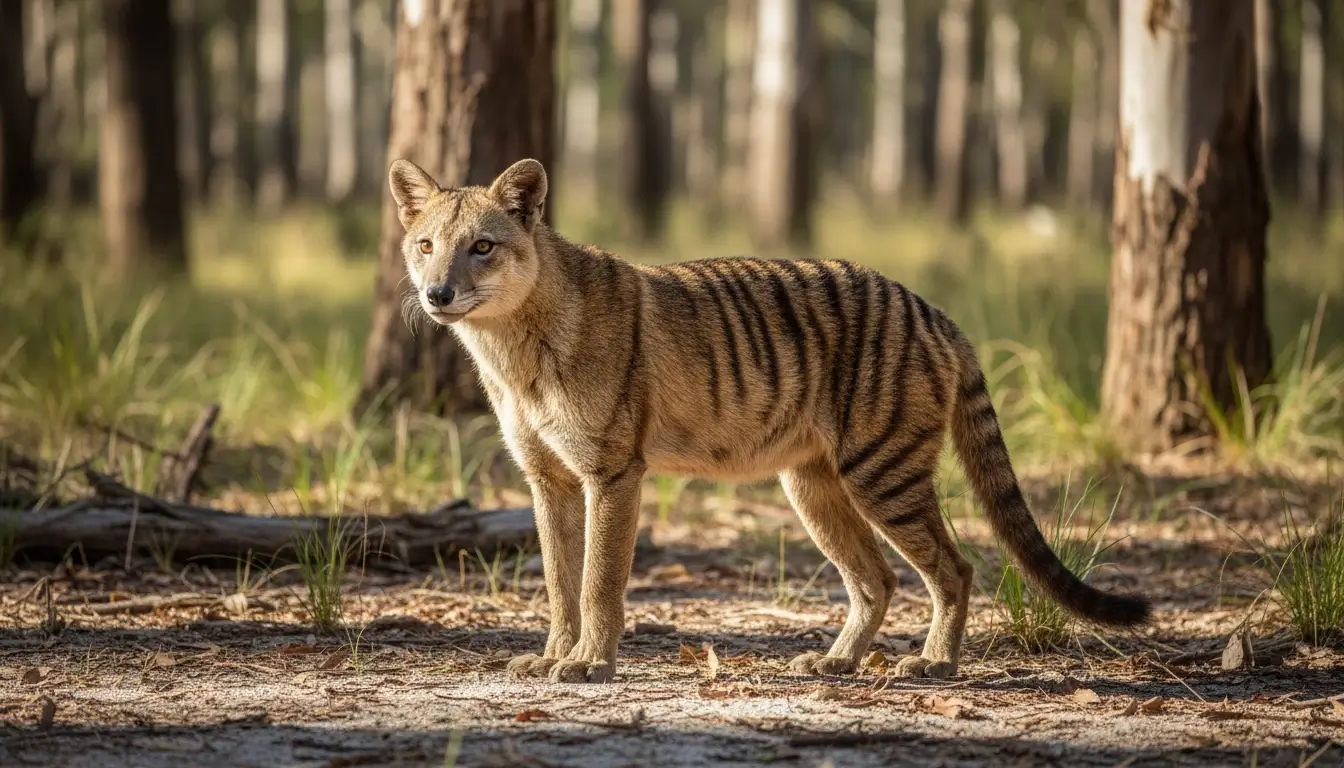
Tasmanian Tiger
Giraffe
Three Toed Sloth

Puma
Dolphin

Cheetah

Guinea Pig

Harp Seal
Leopard Seal

Opossum

Jerboa

Red Panda
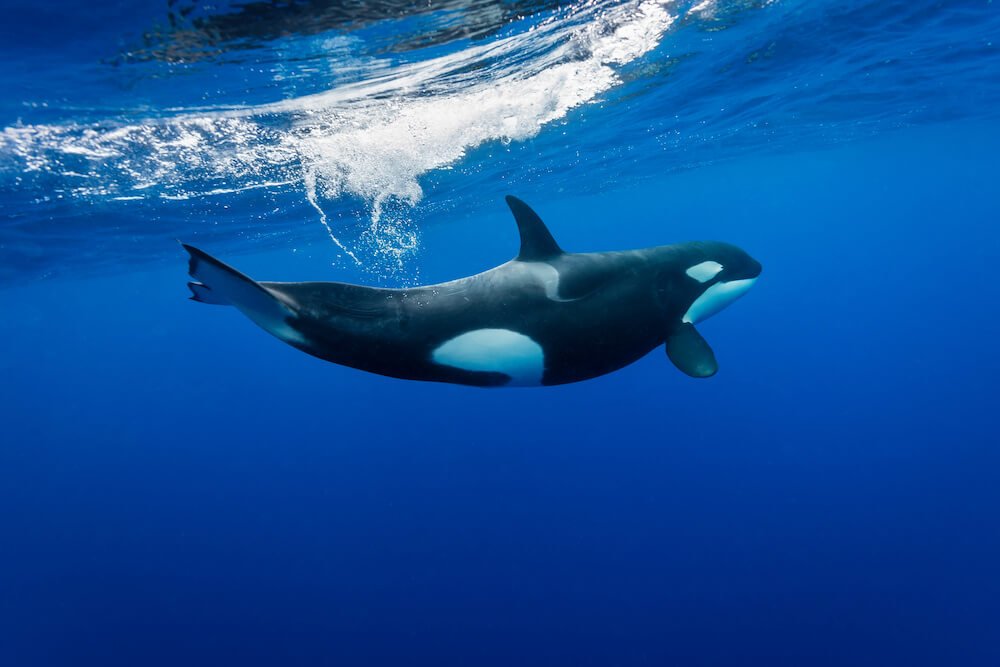
Orca
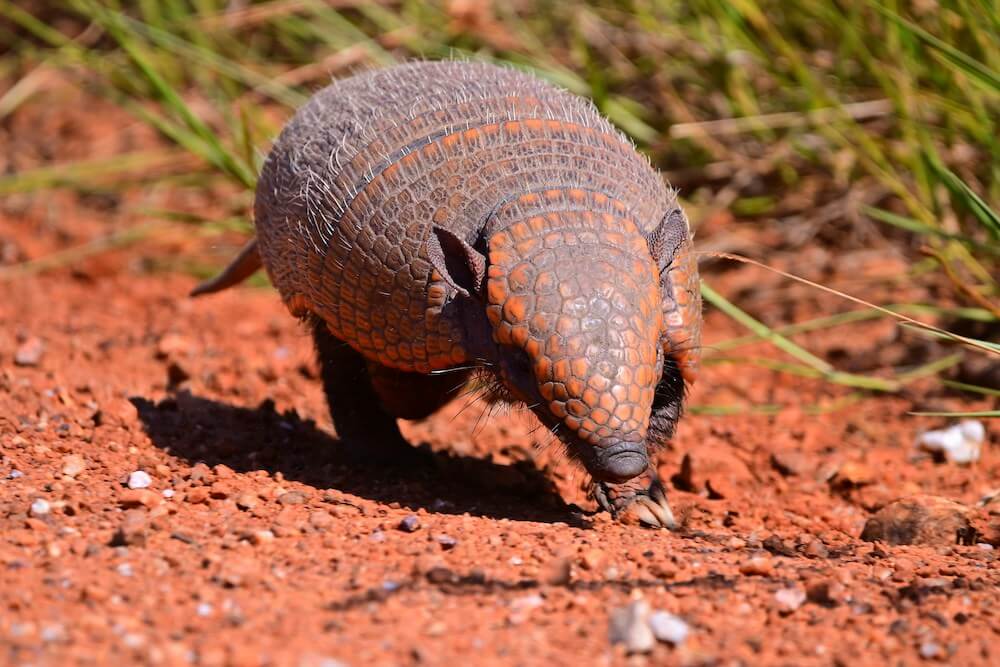
Armadillo

Capybara
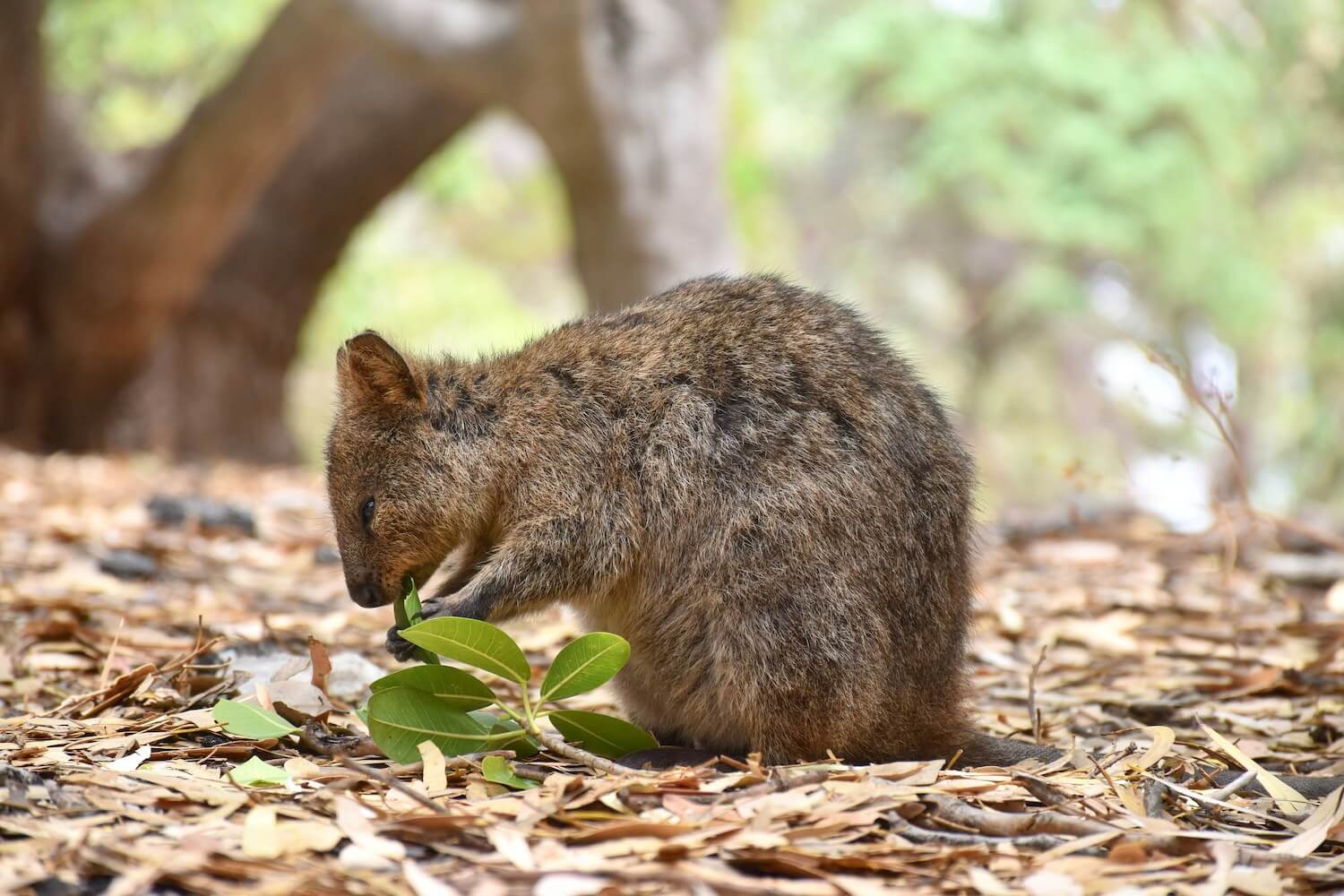
Quokka
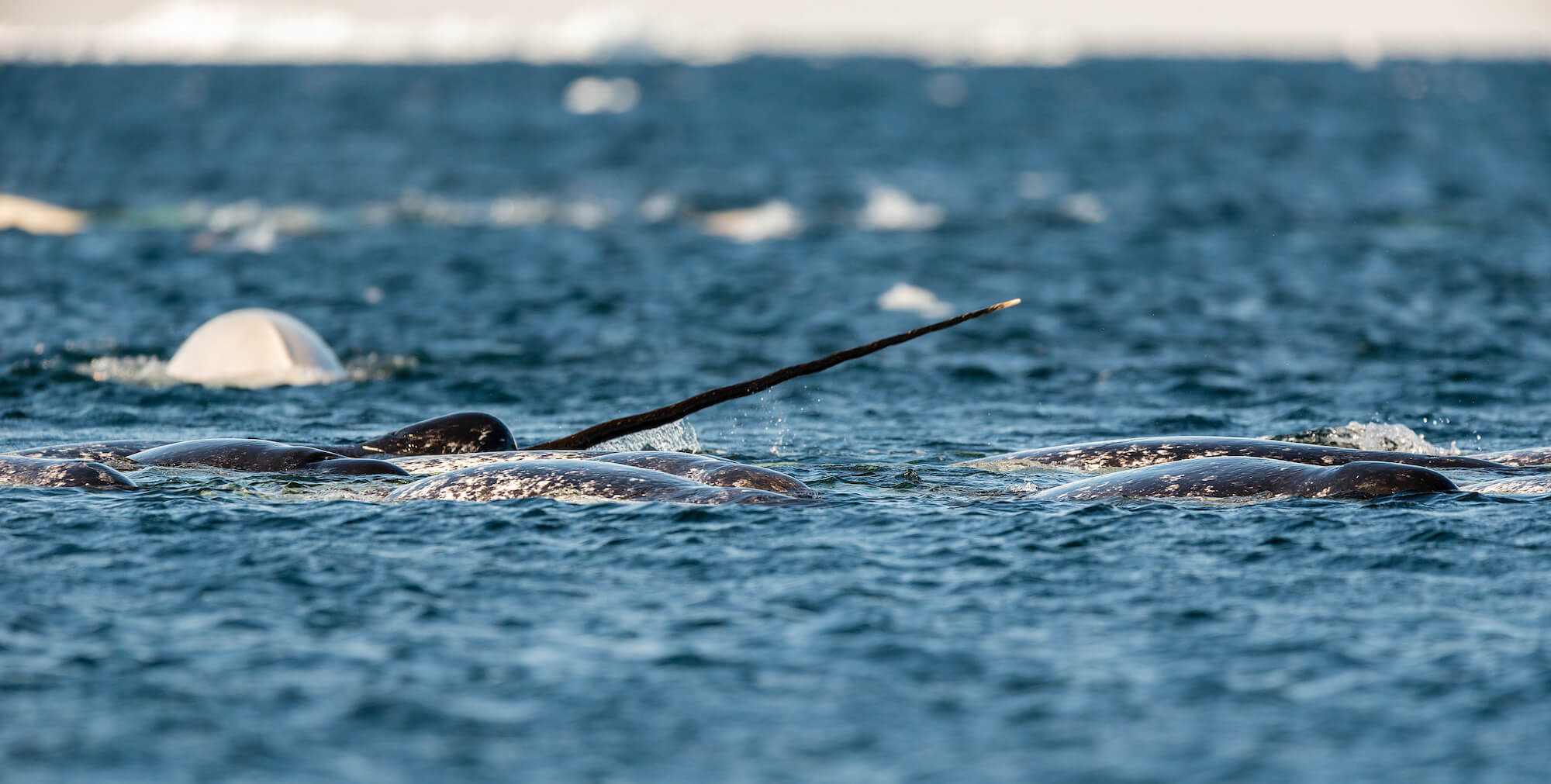
Narwhal

Chimpanzee

Platypus
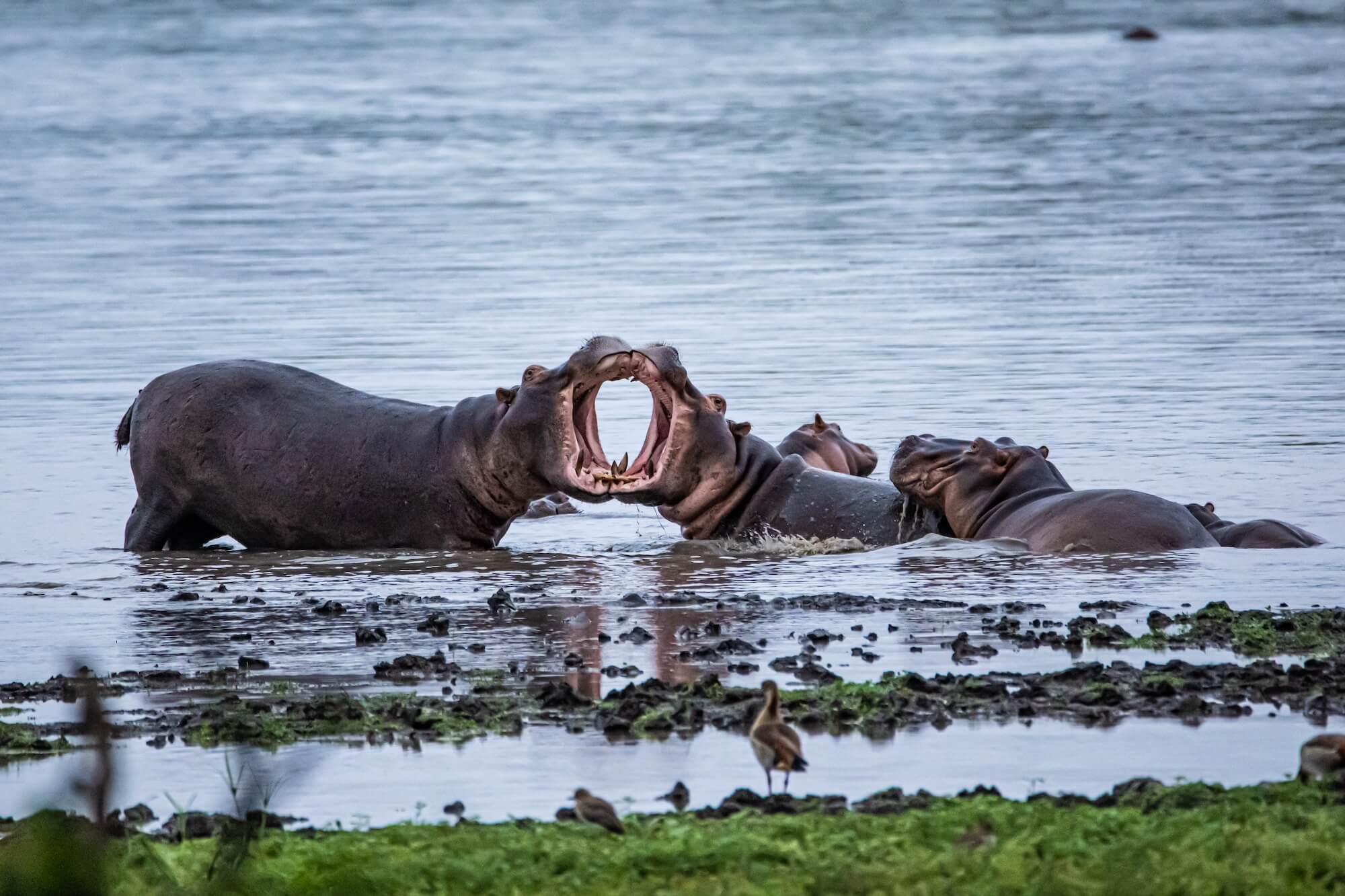
Hippopotamus

Snow Leopard
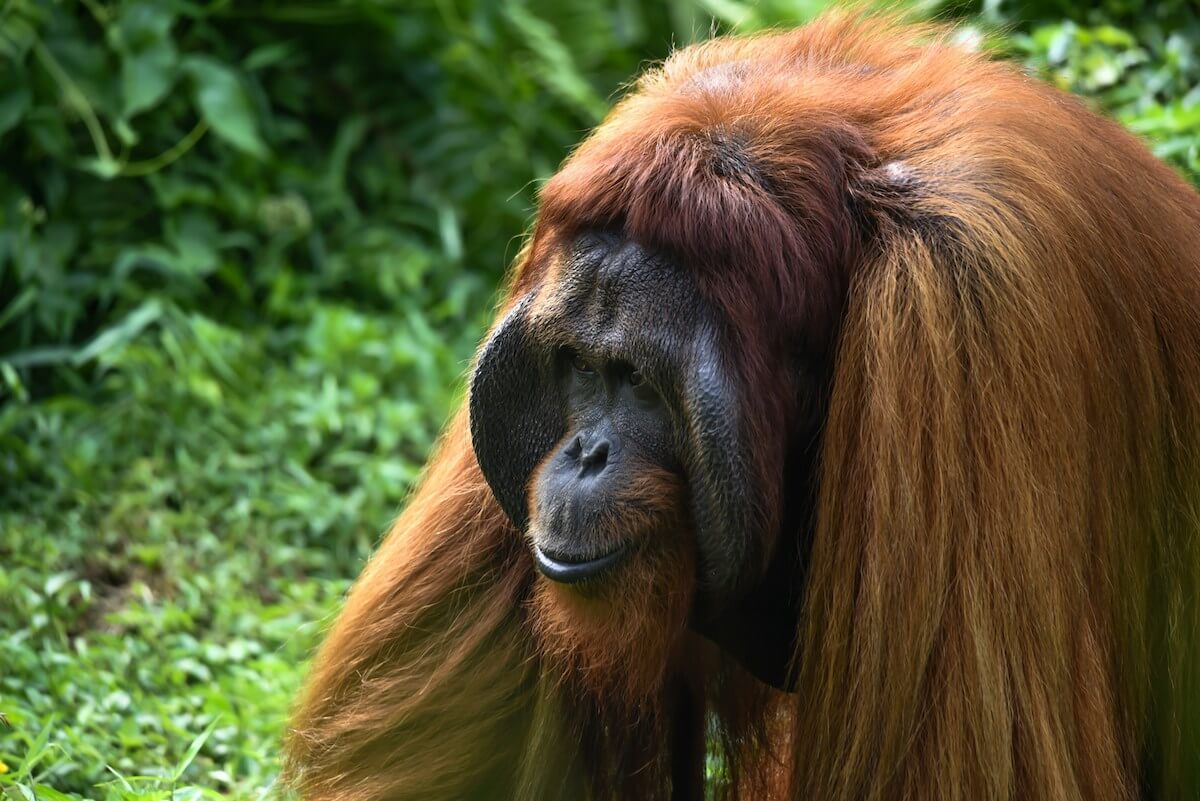
Orangutan
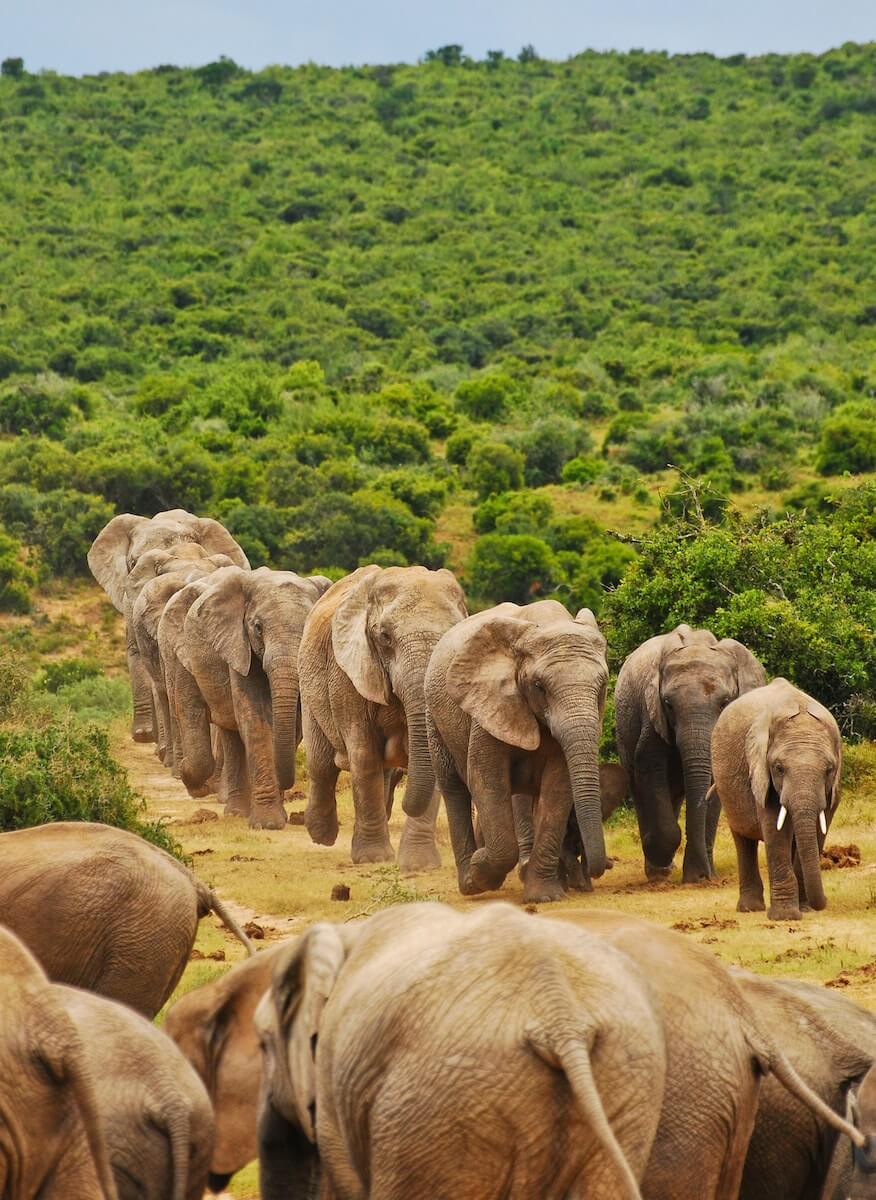
African Elephant
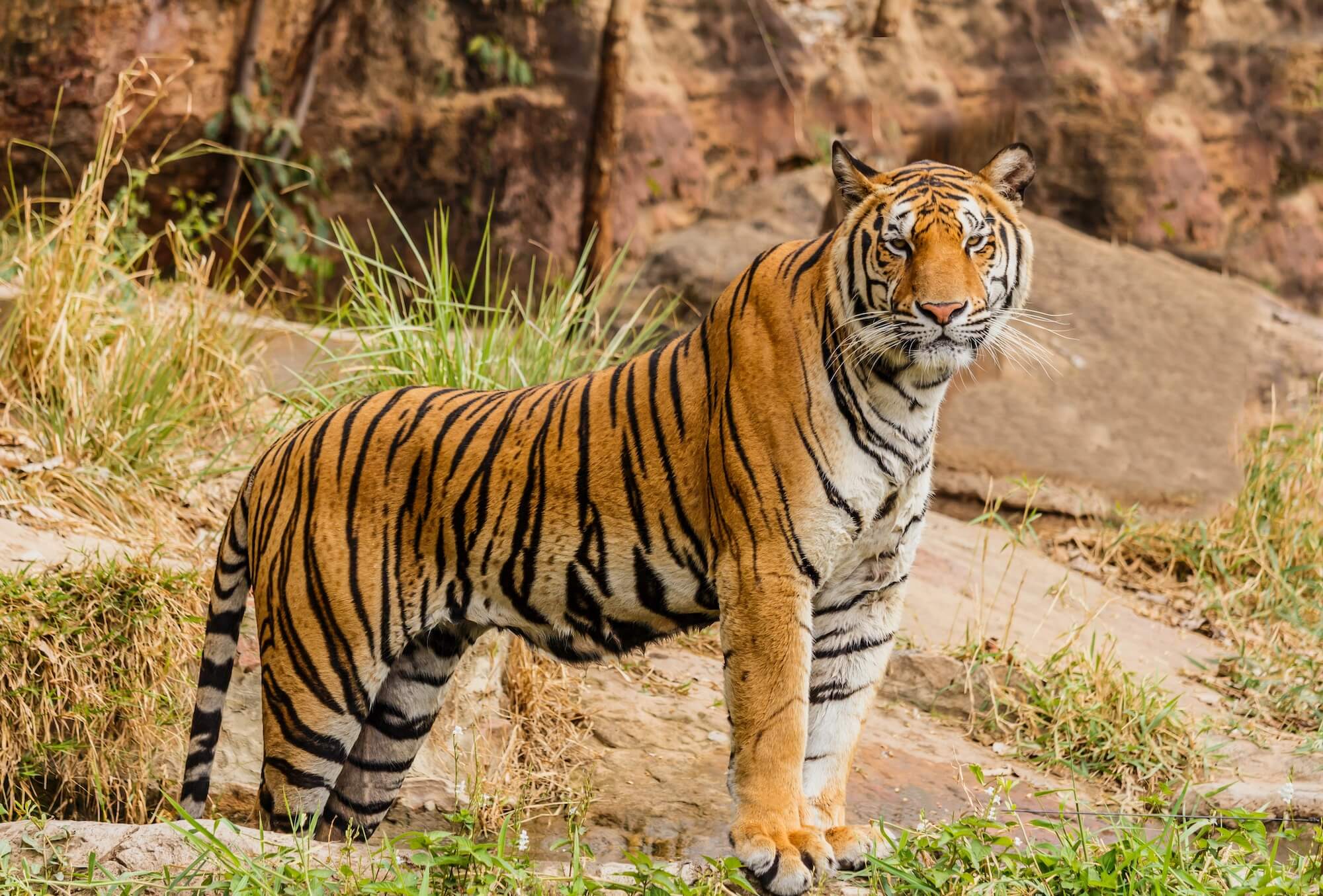
Bengal Tiger
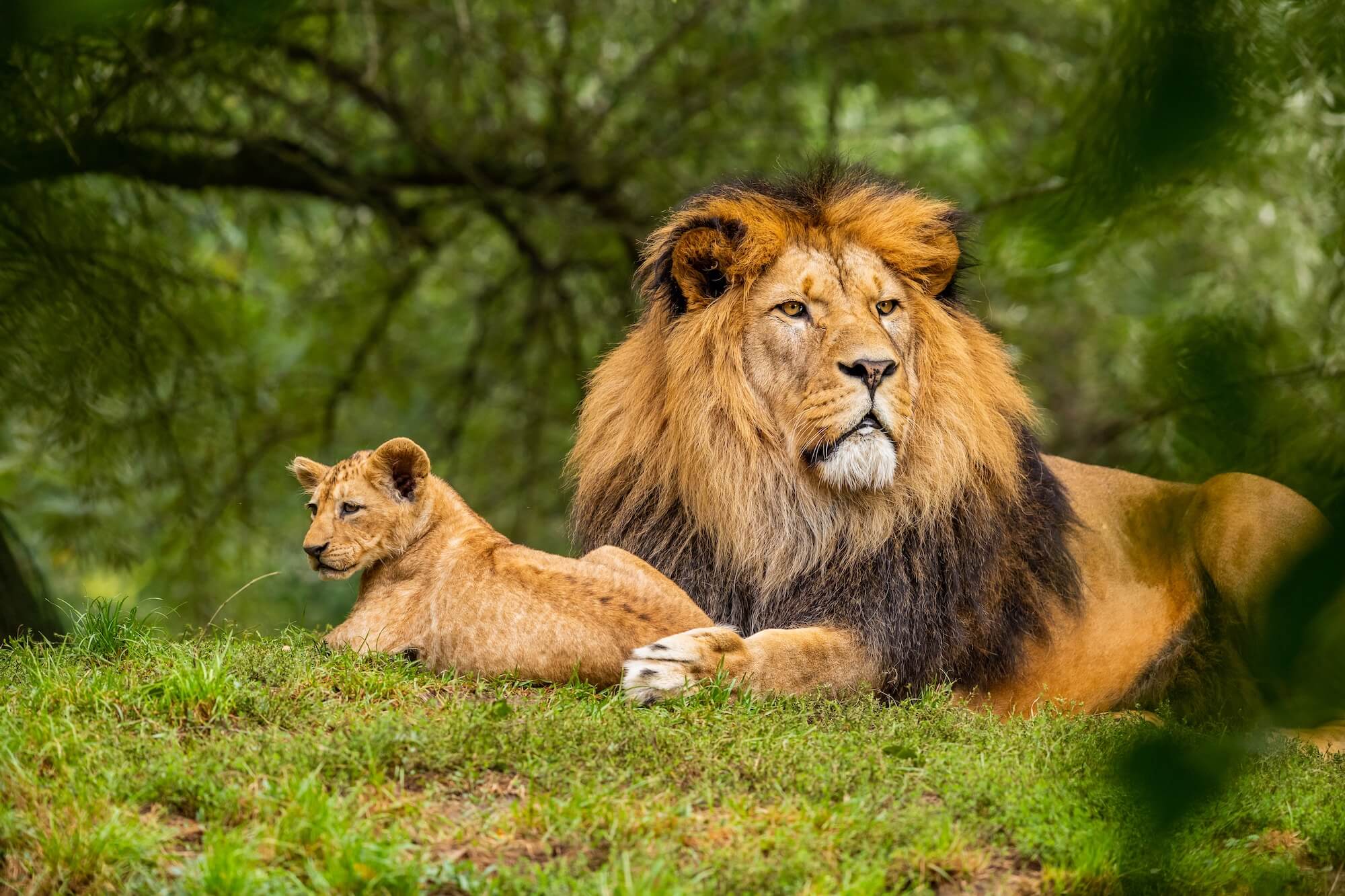
African Lion

Giant Panda

Koala

Polar Bear

Fox

Wolf