Atlantic Puffin
Scientific Name:
Fratercula arctica
Click to view more pictures

Fun
Atlantic Puffin
Facts
-
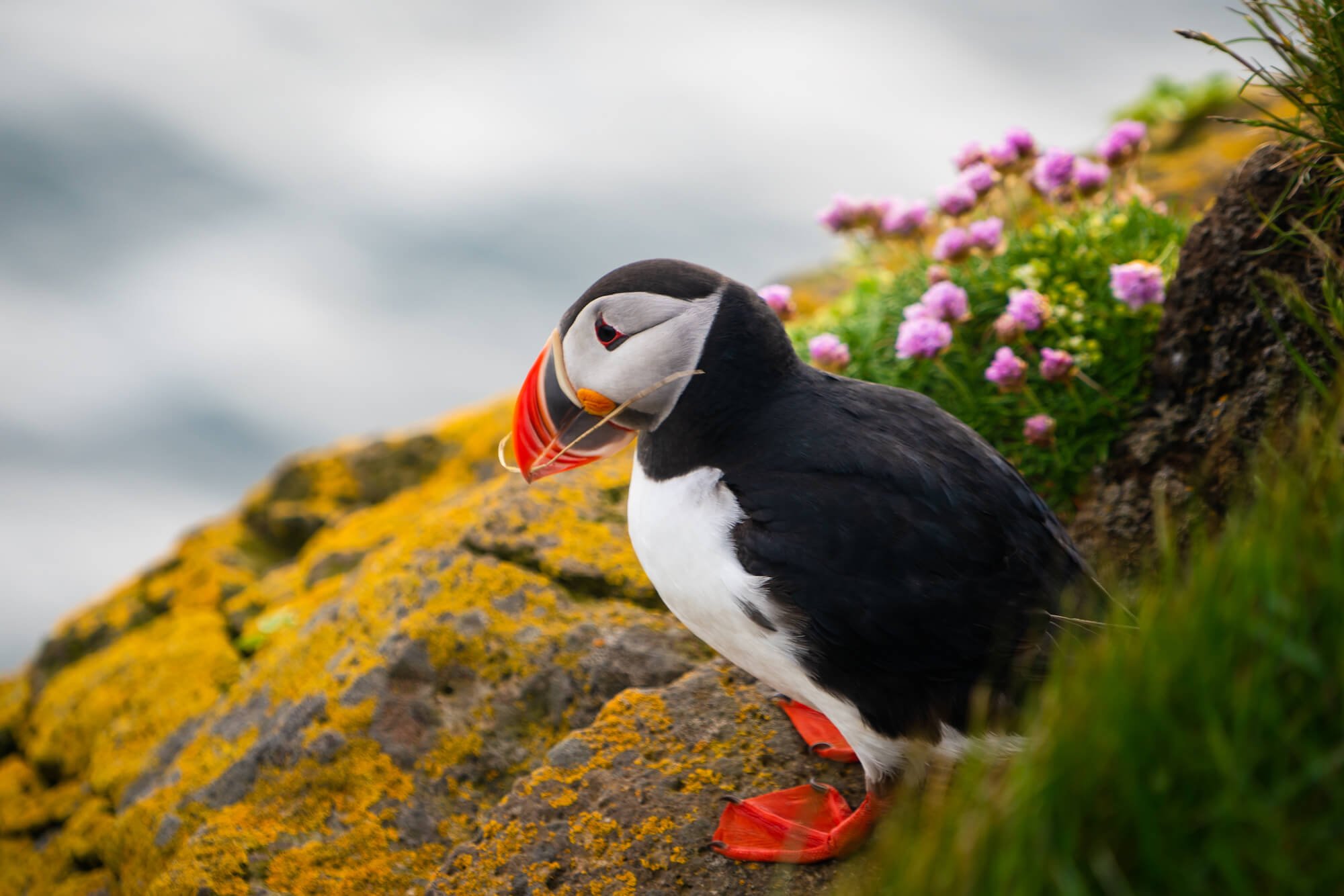
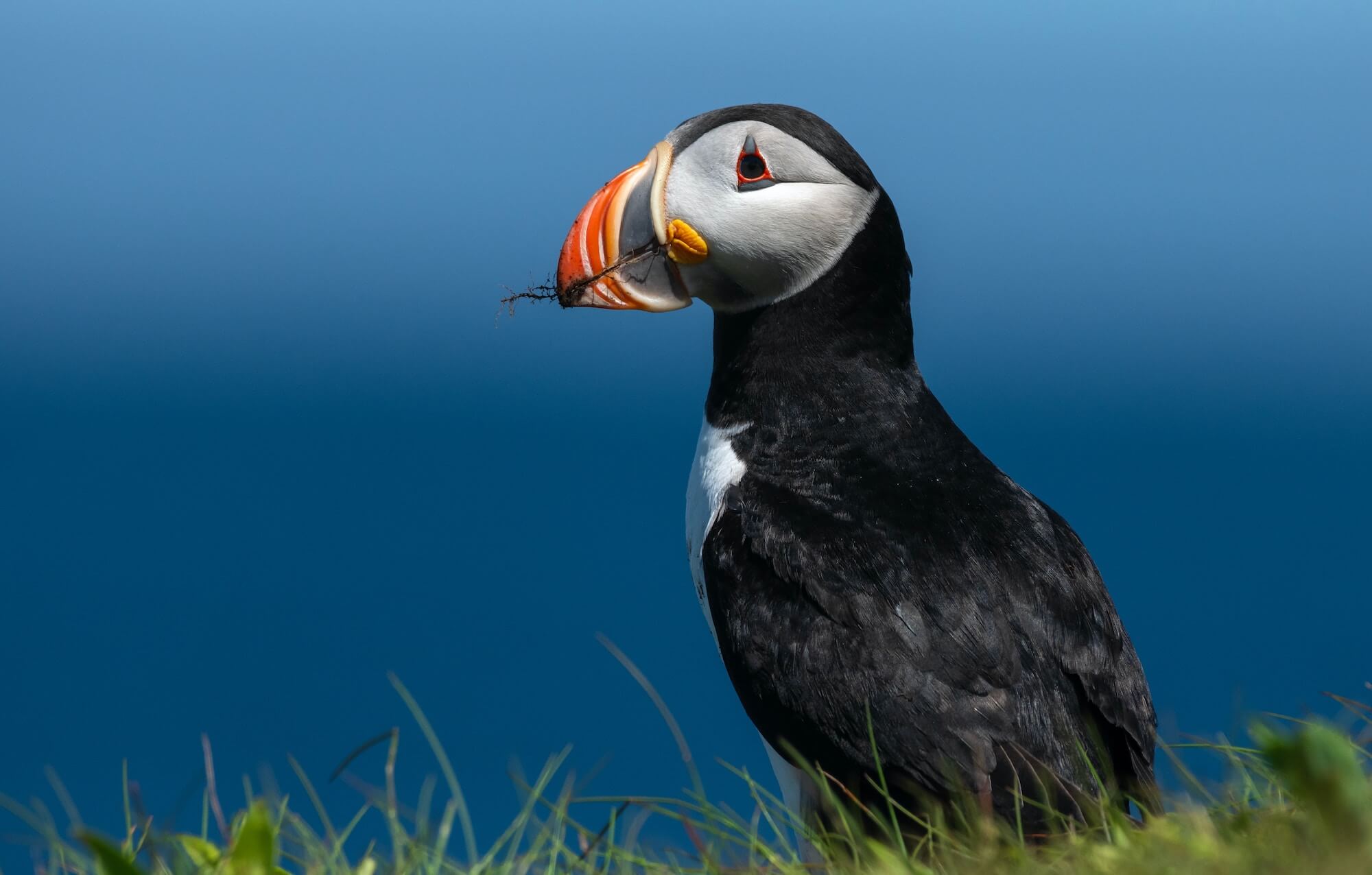
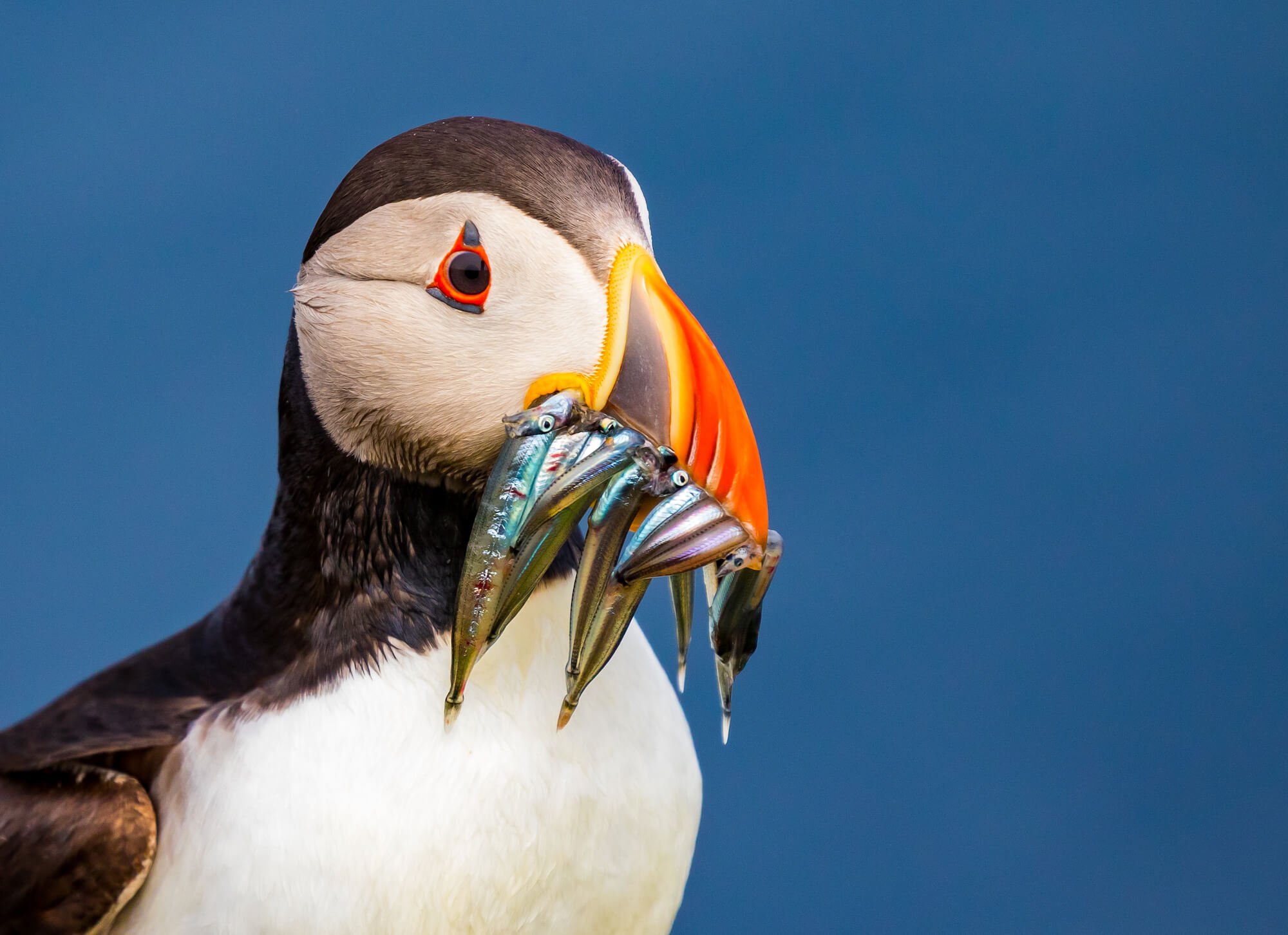
Atlantic puffins have bright, colorful beaks that look like rainbows, especially during the breeding season.
-
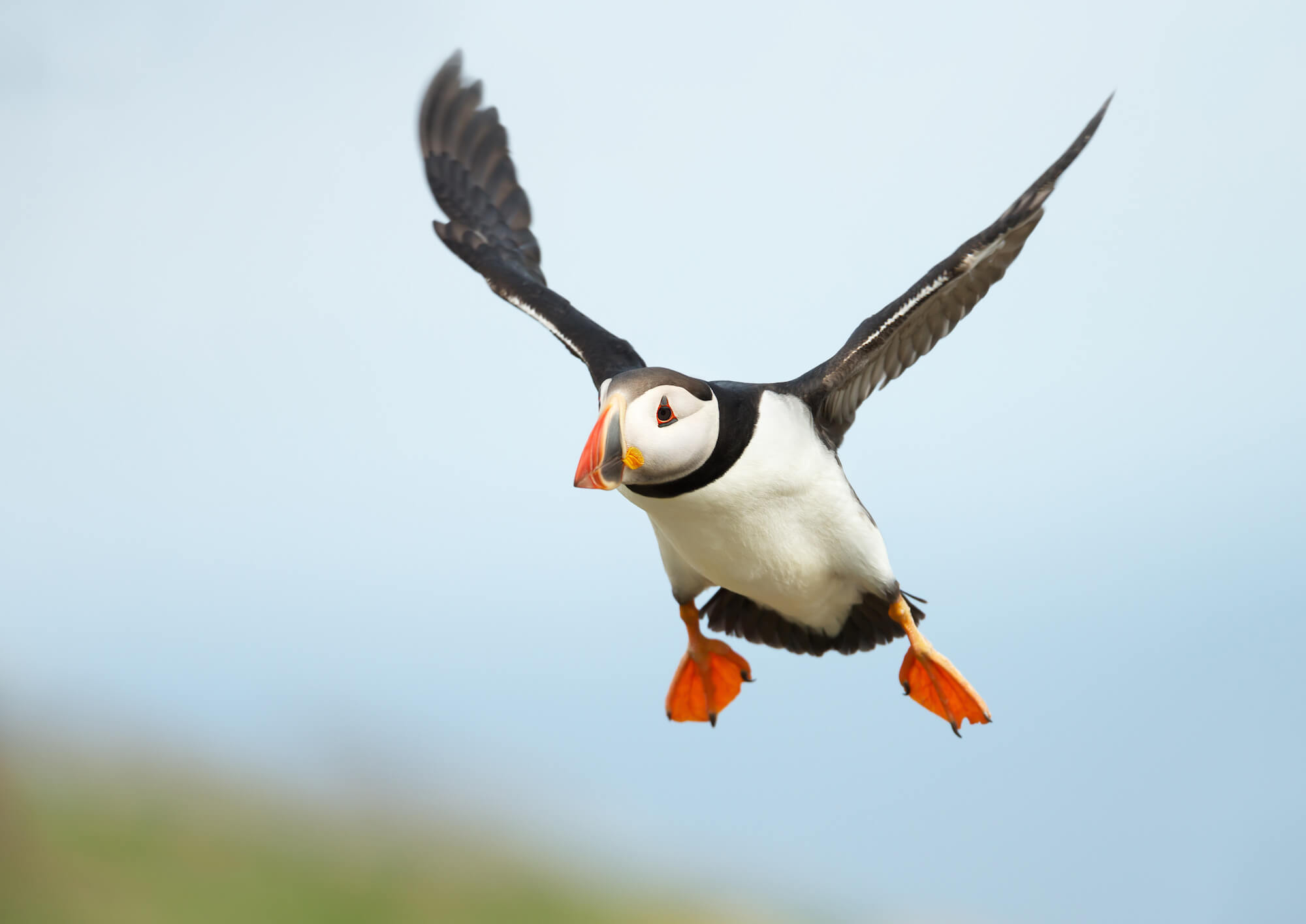
Puffins are amazing flyers and can flap their wings up to 400 times per minute, reaching speeds of up to 55 miles per hour!
-
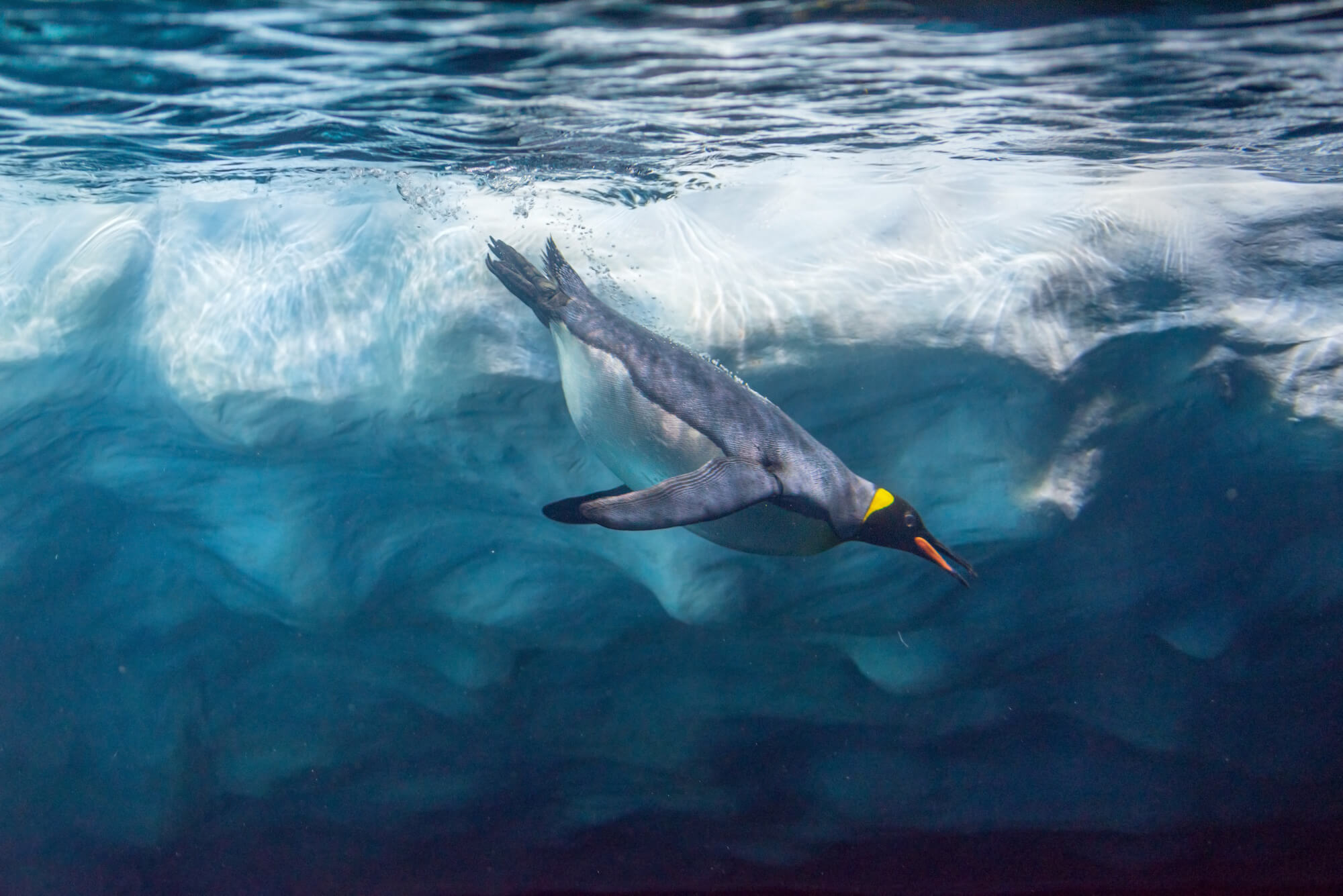
Puffins are great swimmers, using their wings to ‘fly’ underwater while hunting for fish.
-
On land, puffins have a funny, clumsy waddle that makes them look like little penguins.
Where do they live?
North Atlantic Ocean, including countries like Iceland, Norway, Greenland, Canada, and the United Kingdom.
What do they eat?
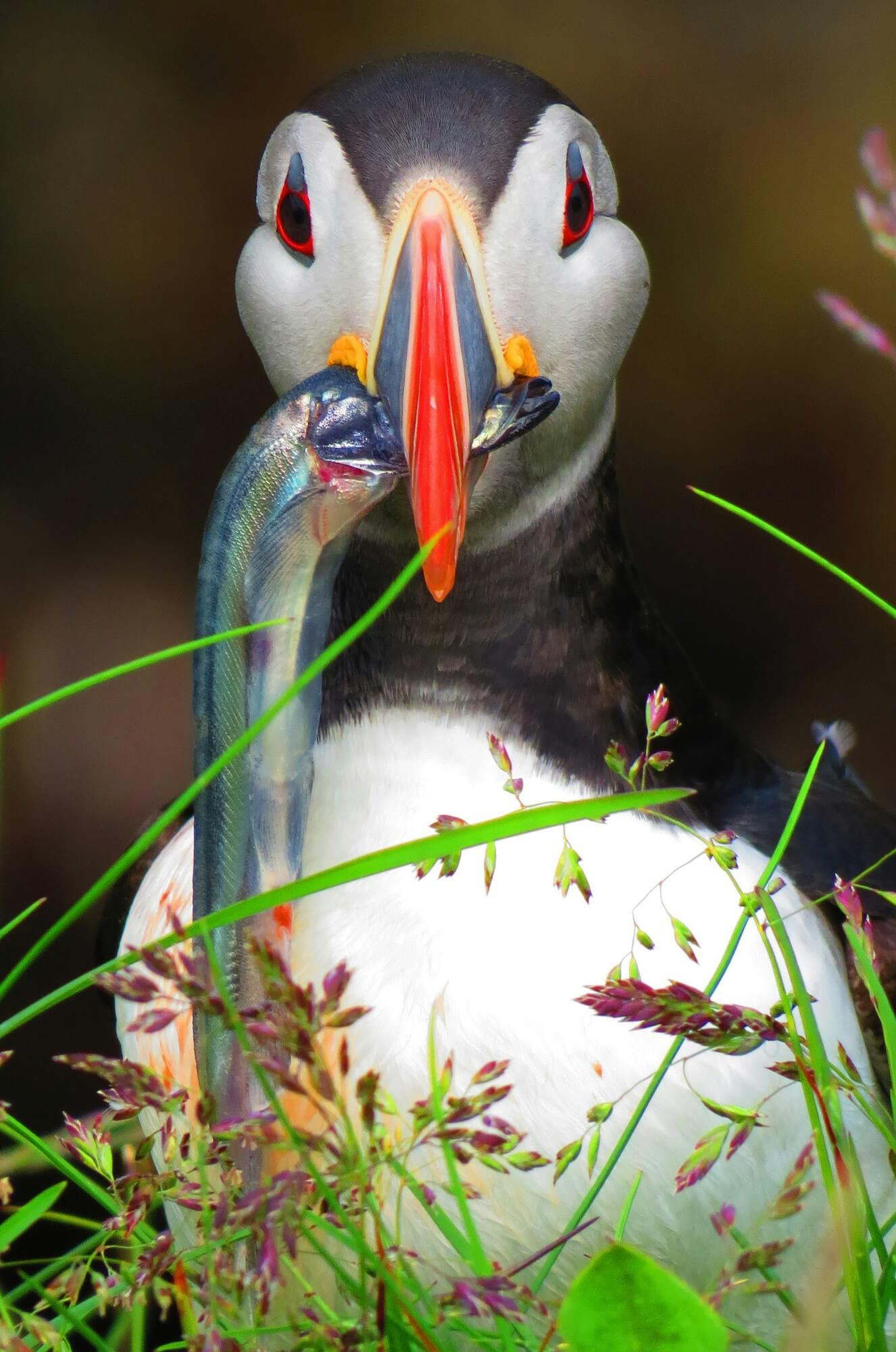
Carnivore: Fish, Sand Eels, herring, and capelin. They may also consume crustaceans and other small marine organisms.
Species Endangered Level
Vulnerable
Least Endangered
Most Endangered
Learn More!
The Atlantic puffin (Fratercula arctica) is a charming seabird known for its colorful beak and striking appearance. These birds have black and white plumage, with a distinctive large, triangular beak that displays bright orange, yellow, and blue hues during the breeding season. Their beaks are not only eye-catching but also perfectly adapted for catching and holding multiple fish at once. Puffins have short wings that are ideal for swimming, and they use a rapid flapping motion to achieve flight, flapping their wings up to 400 times per minute to stay airborne.
Puffins are excellent swimmers and divers, using their wings to propel themselves underwater in search of food. They primarily feed on small fish such as herring, sand eels, and capelin, which they catch during their underwater ‘flights.’ These birds are social and often nest in large colonies on coastal cliffs and islands. They dig burrows in the soil where they lay a single egg, taking turns with their mate to incubate the egg and care for the chick once it hatches.
Despite their agility in the water and air, puffins are known for their awkward, waddling gait on land. This clumsiness only adds to their endearing appeal. Puffins are also known for their vocalizations, which include a variety of grunts and growls, especially during the breeding season when they are establishing and defending their nesting sites. Puffins spend most of the year at sea, only returning to land to breed and raise their young.
The Atlantic puffin faces several challenges, including climate change, overfishing, and habitat destruction, which impact their food supply and breeding grounds. Conservation efforts are focused on protecting their habitats, monitoring populations, and ensuring sustainable fishing practices. Puffins are a beloved species in many countries, and they continue to captivate bird watchers and nature enthusiasts with their distinctive looks and behaviors.
Explore more
Birds
Australian Little Penguin
Secretary Bird
Macaw
Vulture
Toucan
Seagull
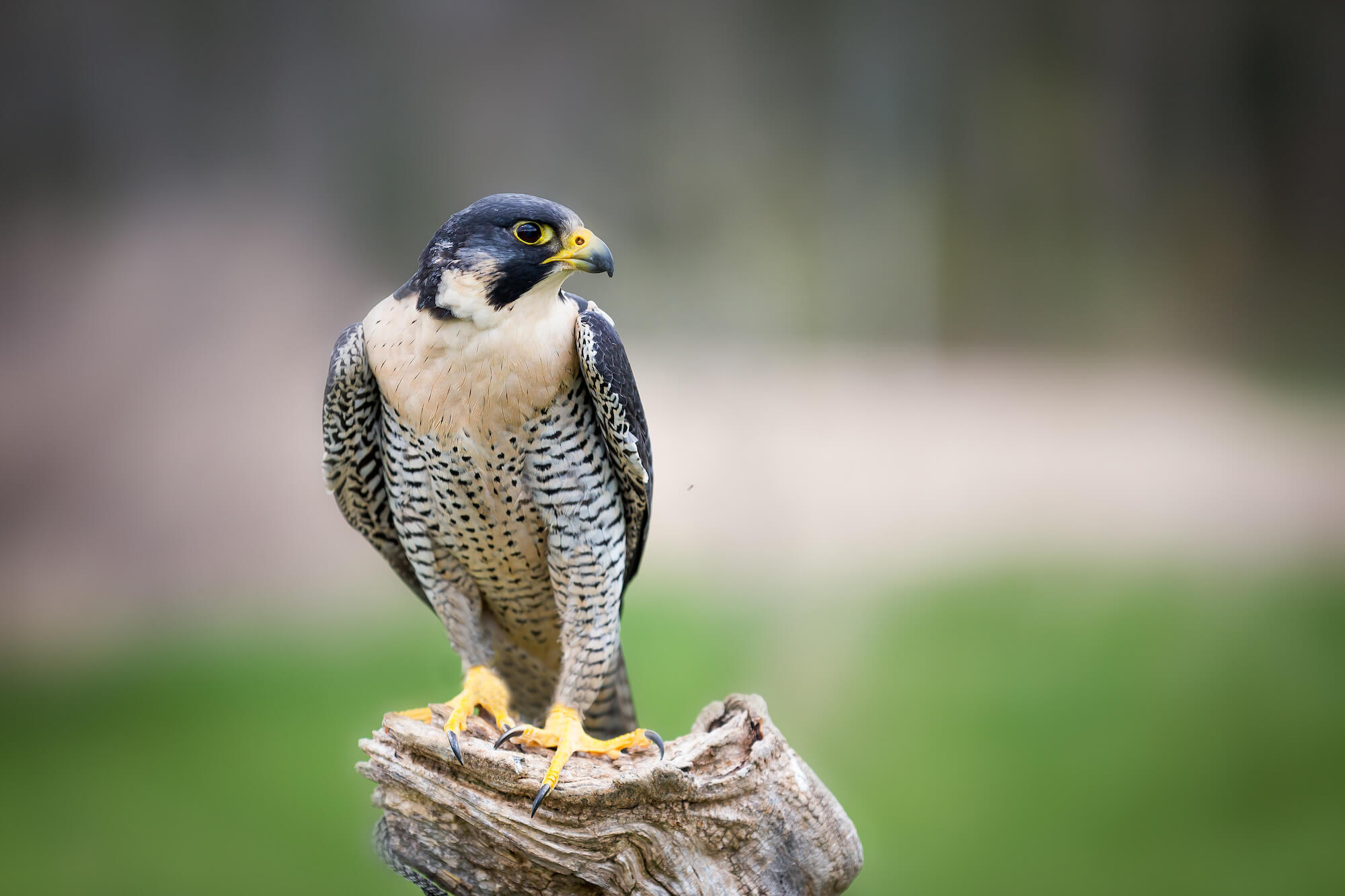
Peregrine Falcon
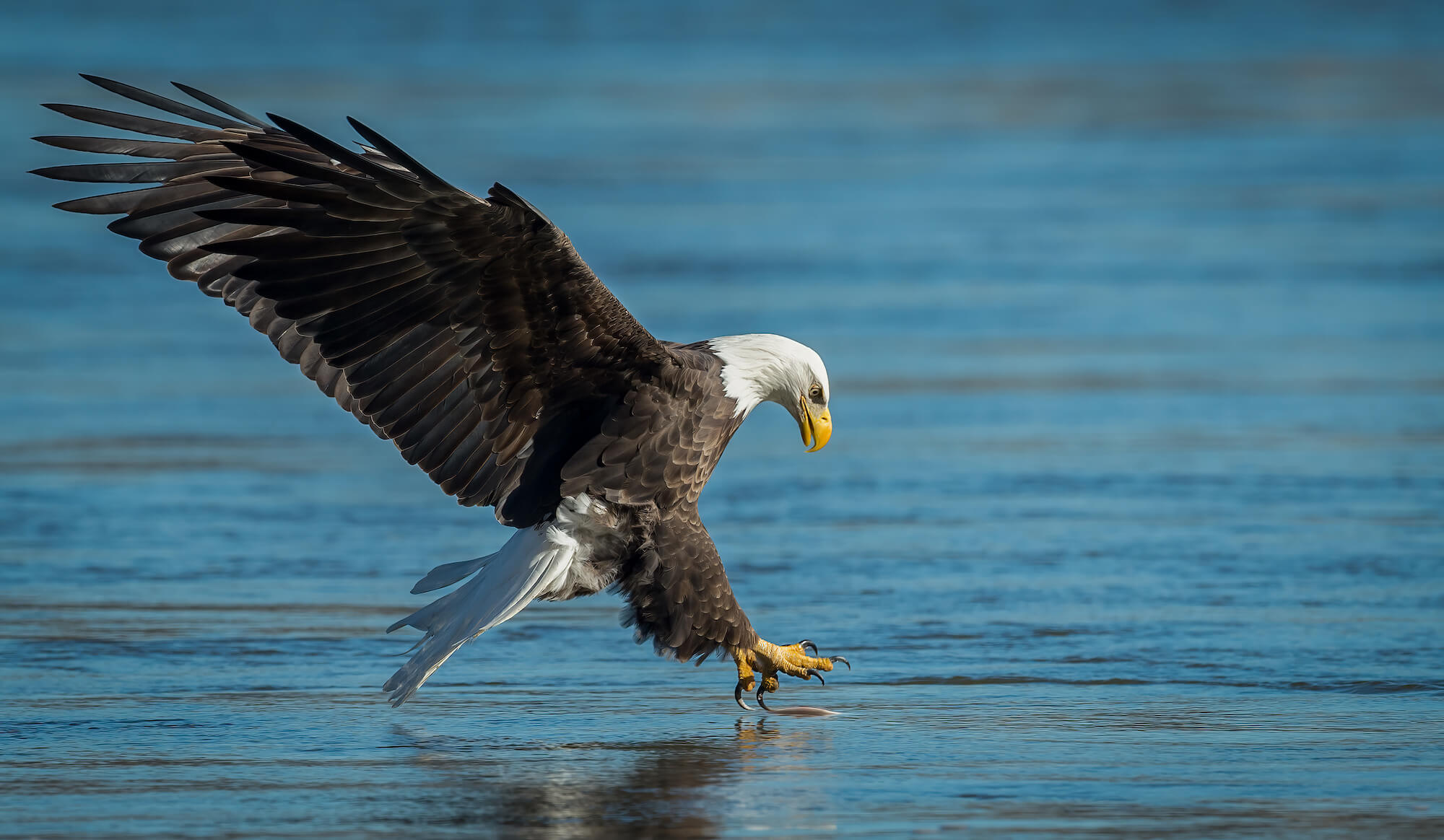
Bald Eagle