
Learn More!
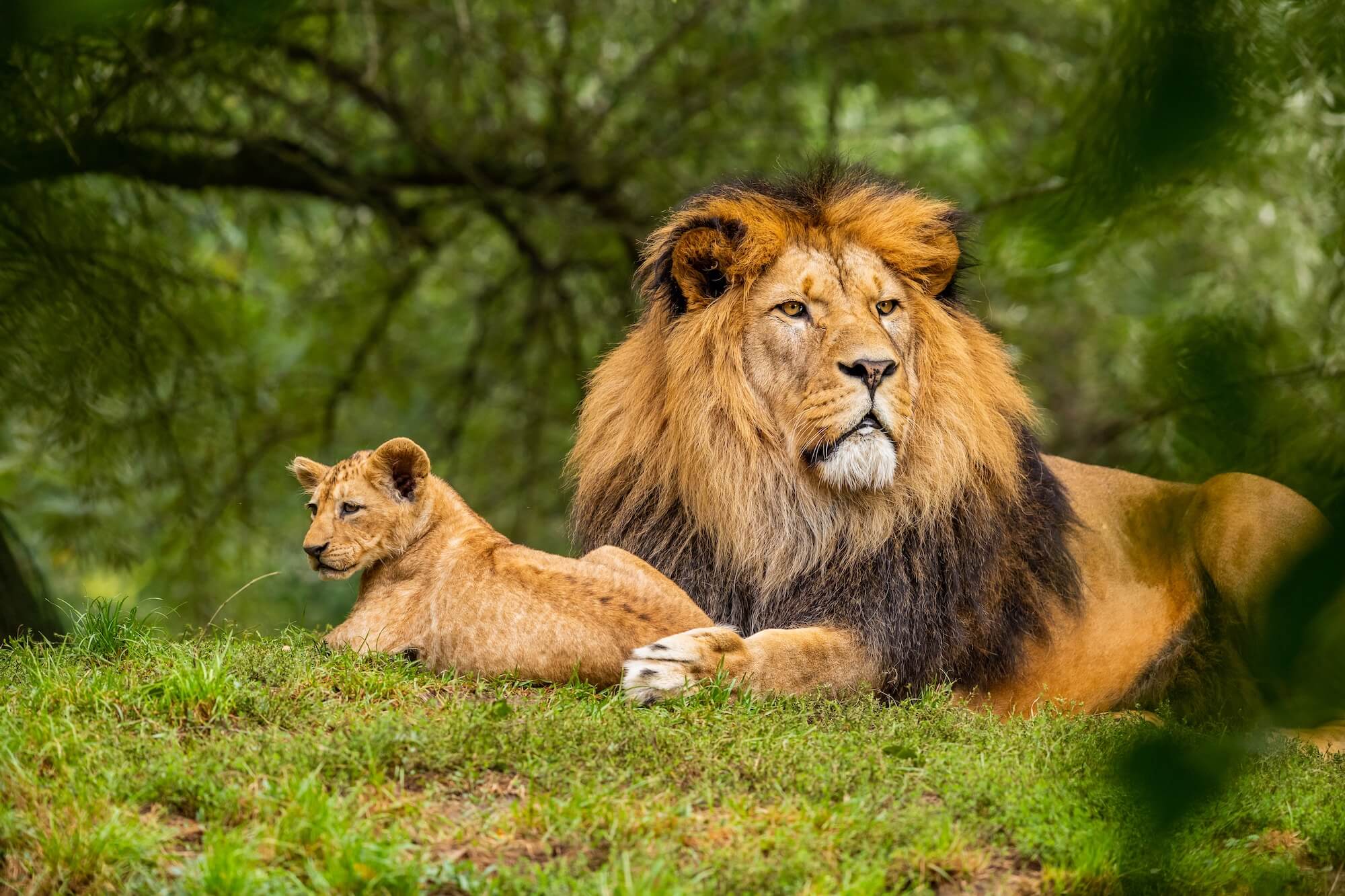
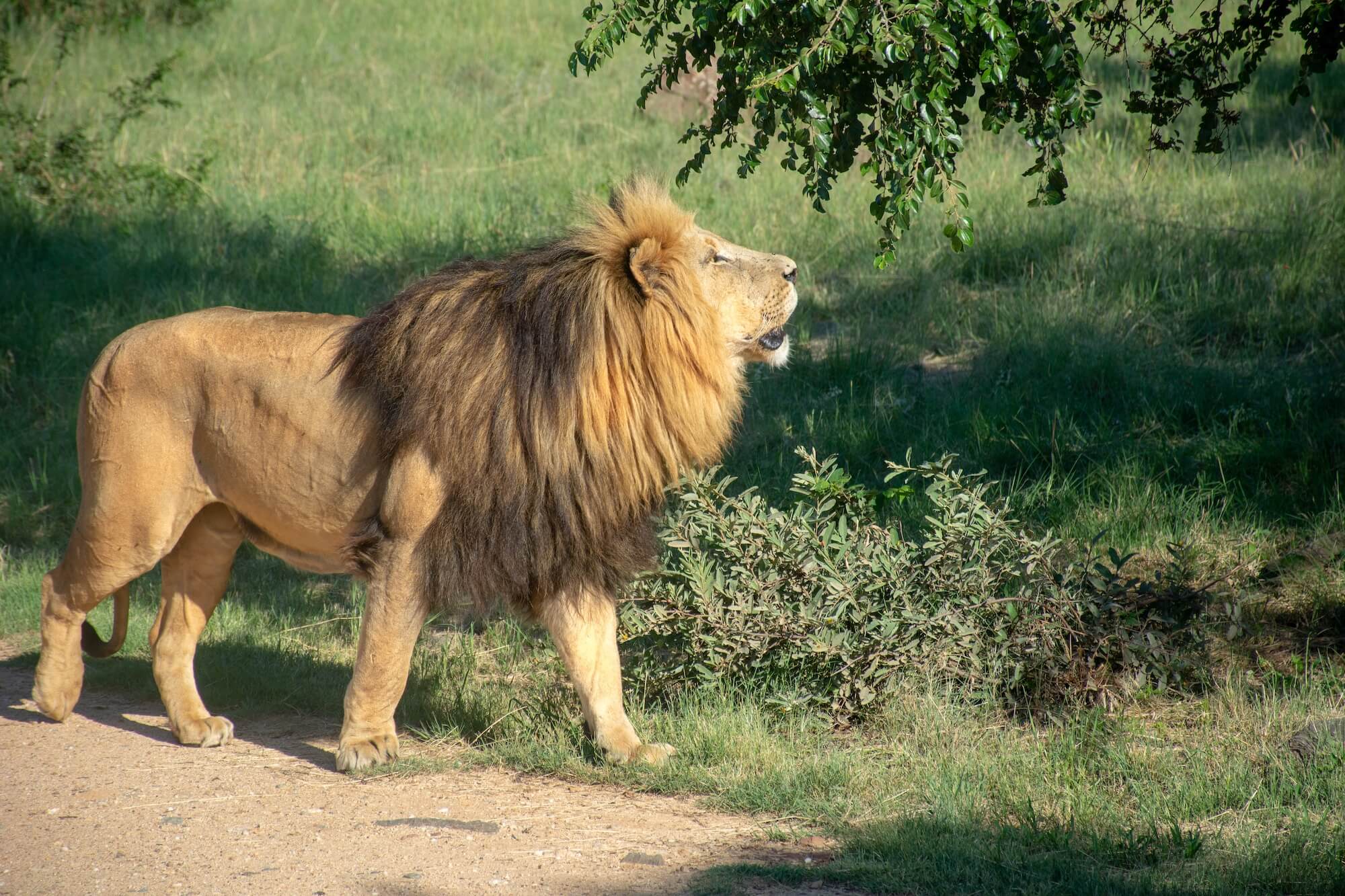
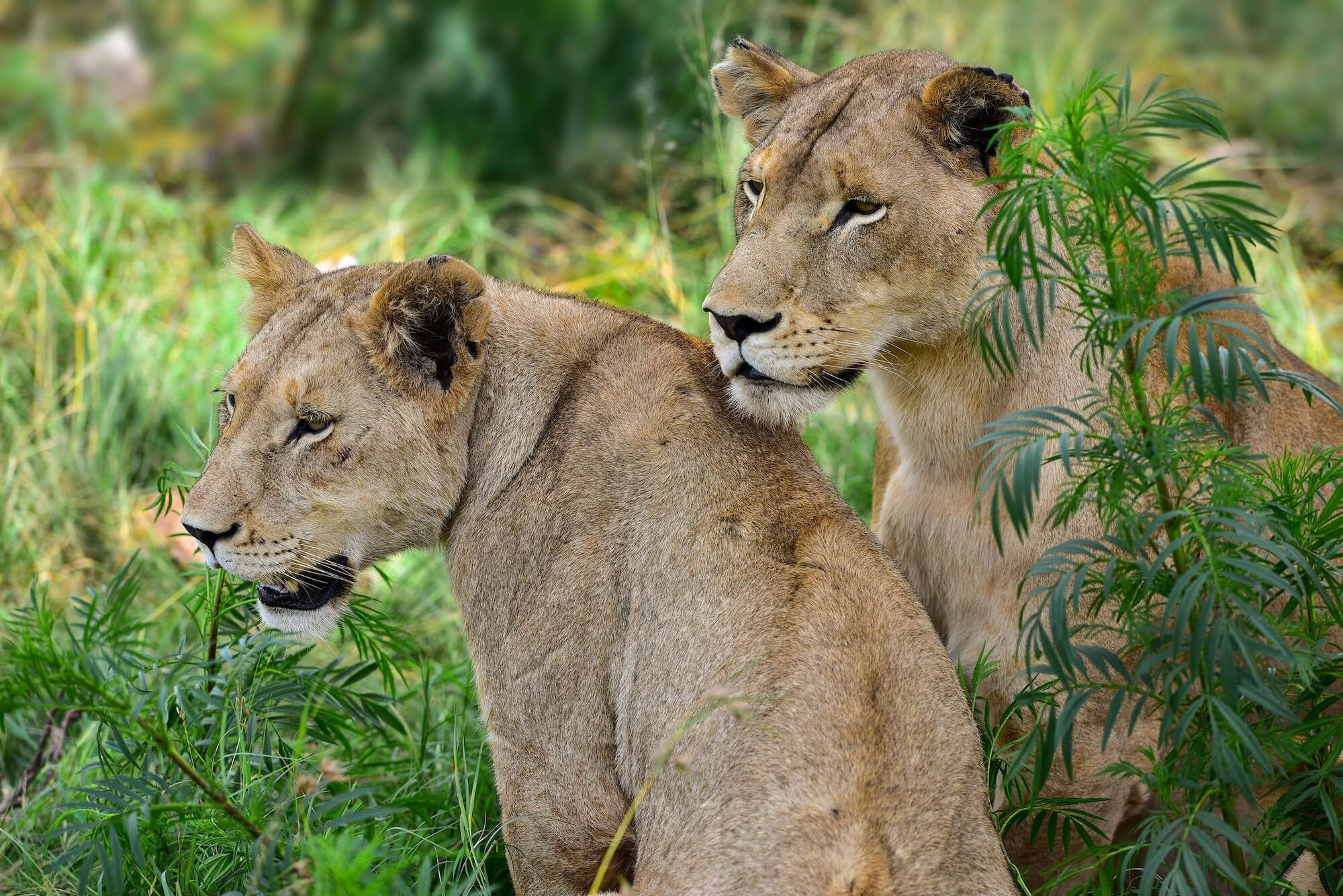
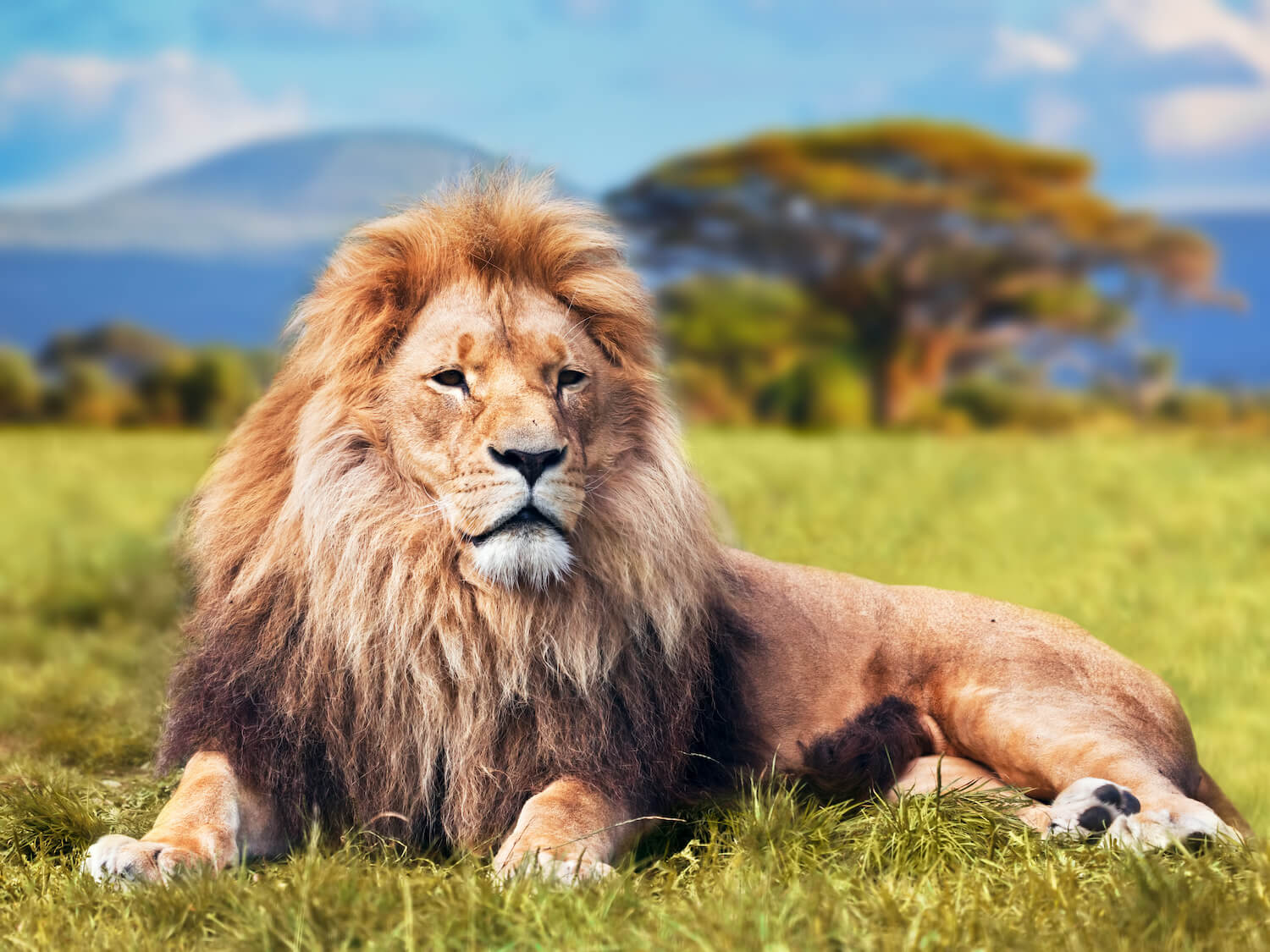
African lions are one of the most iconic and majestic animals on the planet. Known as the “King of the Jungle,” lions are actually found primarily in the savannas and grasslands of Africa, where they roam the open plains and woodlands. Male lions are easily recognizable by their impressive manes, which can vary in color from blonde to black. These manes not only provide protection during fights but also signify the lion’s health and vigor to potential mates and rivals. Female lions, known as lionesses, are the primary hunters of the pride. Working in coordinated groups, they can take down large prey such as zebras, wildebeest, and buffalo.
Lions are social animals and live in groups called prides, which typically consist of several related females, their cubs, and a small number of adult males. The social structure of a pride is complex, with lionesses often forming lifelong bonds and working together to raise their young. Male lions, on the other hand, may be more transient, with younger males frequently challenging older males for control of a pride. These battles for dominance can be fierce and often result in serious injuries or death.
Lions communicate with each other through a variety of vocalizations, including roars, growls, and purrs. A lion’s roar can be heard up to five miles away and serves to establish territory, communicate with pride members, and deter potential intruders. Despite their formidable presence, lions face numerous threats in the wild, including habitat loss, human-wildlife conflict, and poaching. Conservation efforts are crucial to ensuring the survival of this magnificent species, which is currently listed as vulnerable by the International Union for Conservation of Nature (IUCN). By protecting their natural habitats and reducing human-lion conflicts, we can help secure a future for African lions in the wild.