African Elephant
Scientific Name:
Loxodonta africana
Click to view more pictures


Fun
African Elephant
Facts
-
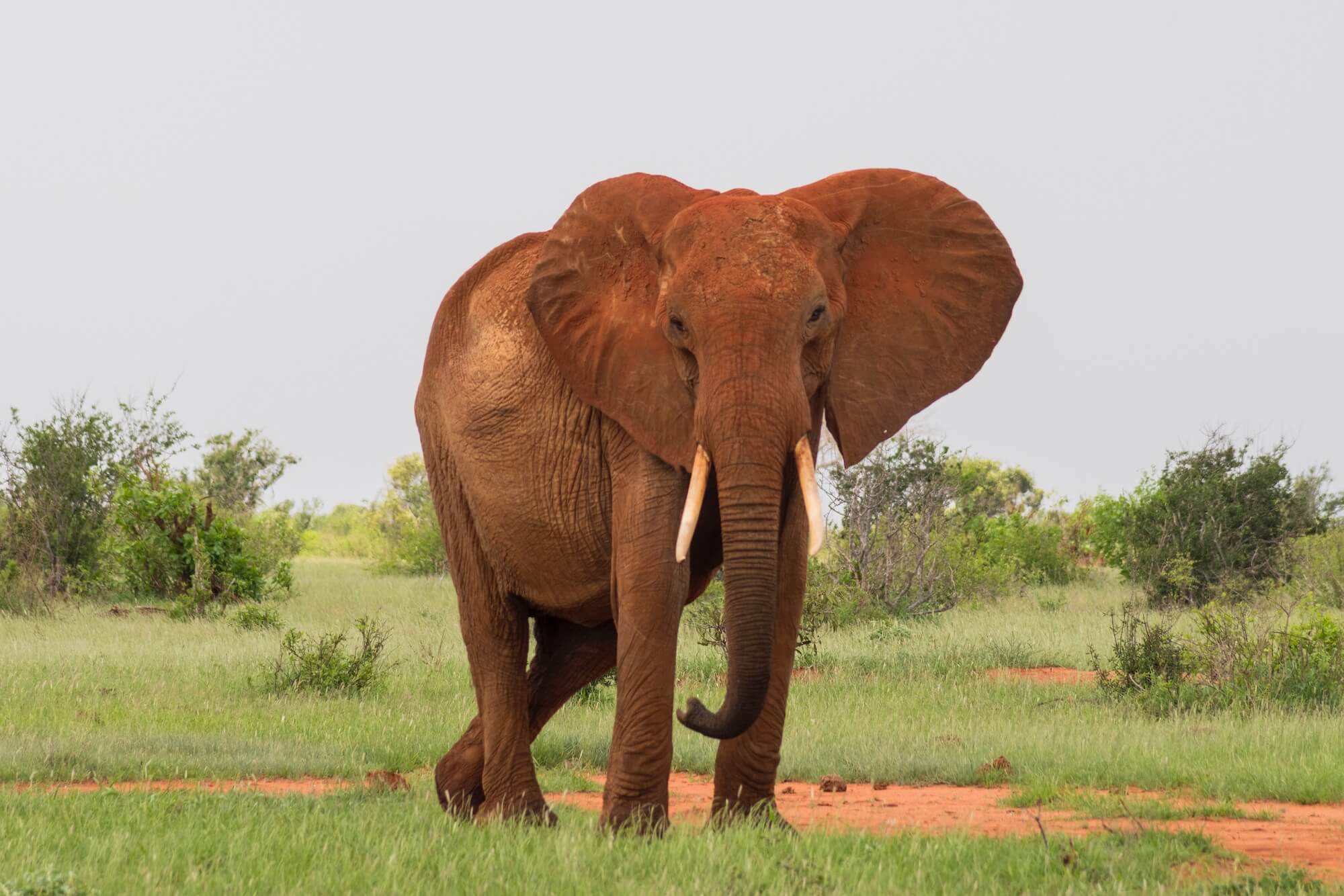
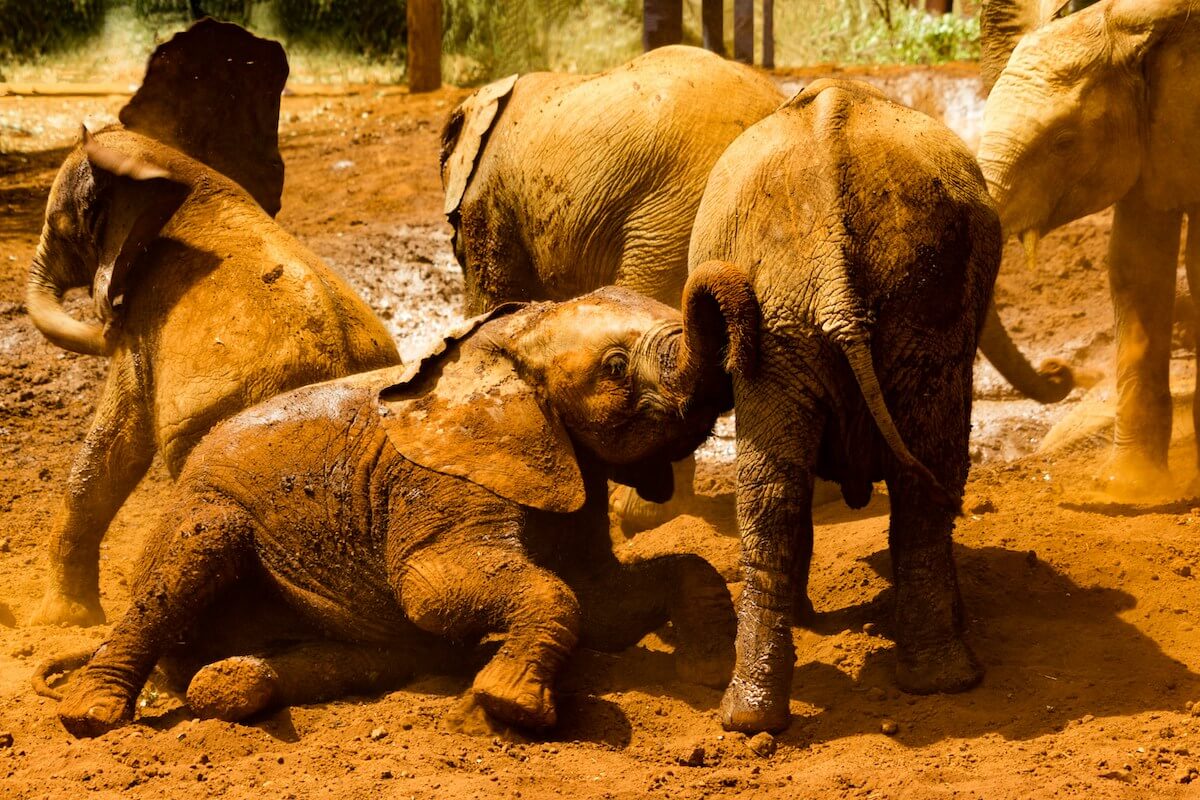
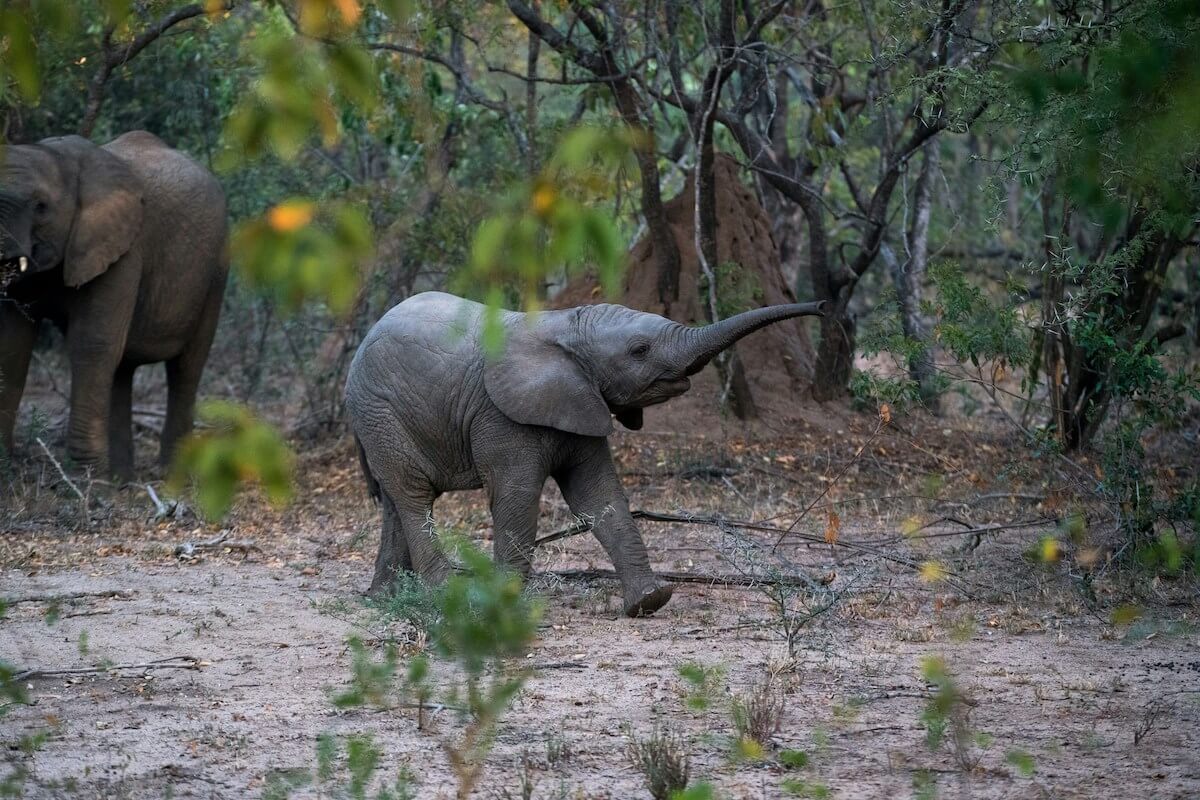
Elephants love taking mud baths to cool down, protect their skin from the sun, and keep insects away. They use their trunks to spray water and mud on themselves, making it a fun daily activity.
-
They can remember the locations of water sources, migration routes, and even recognize individual humans and other elephants they have encountered years before.
-
Living up to 60-70 years, elephants learn and adapt throughout their lives, with older matriarchs teaching younger herd members essential survival skills.
-
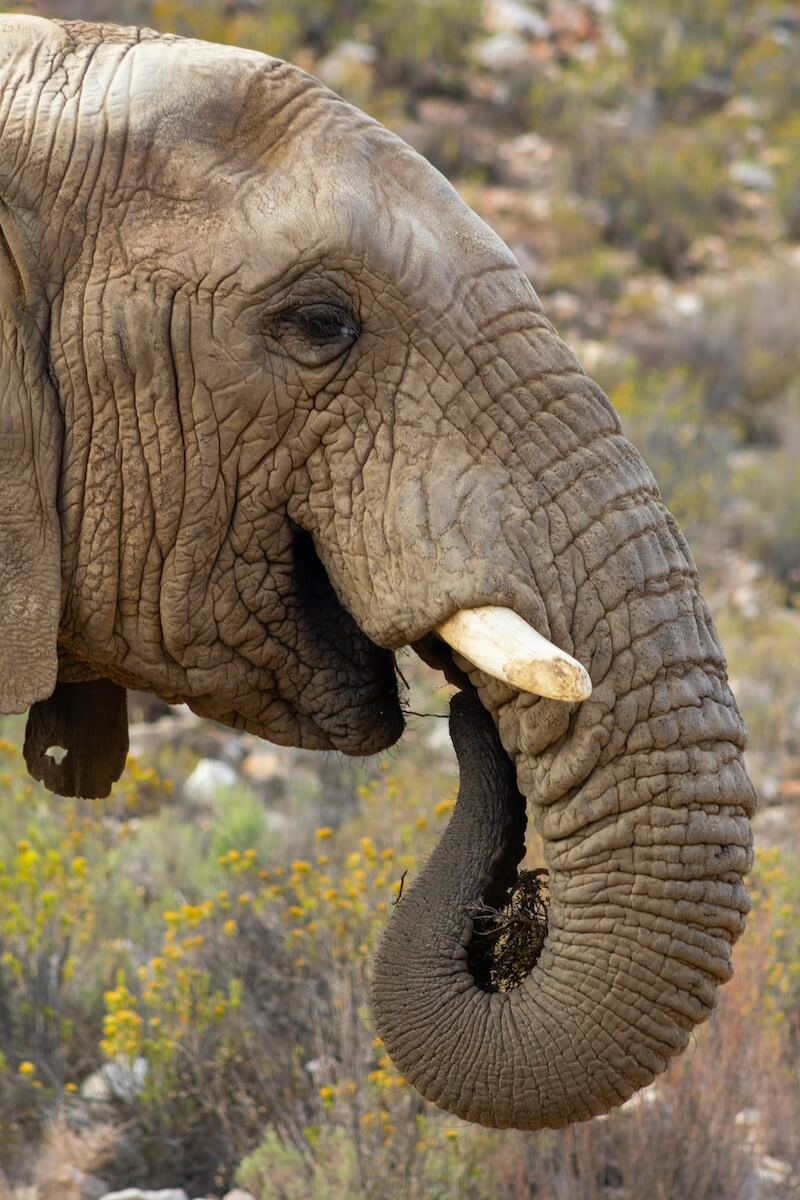
With over 40,000 muscles, an elephant’s trunk is used for breathing, smelling, touching, grabbing objects, drinking, and social interactions.
Where do they live?
Sub-Saharan Africa
What do they eat?
Herbivore: Grasses, fruits
Species Endangered Level
Critically Endangered
Least Endangered
Most Endangered
Learn More!
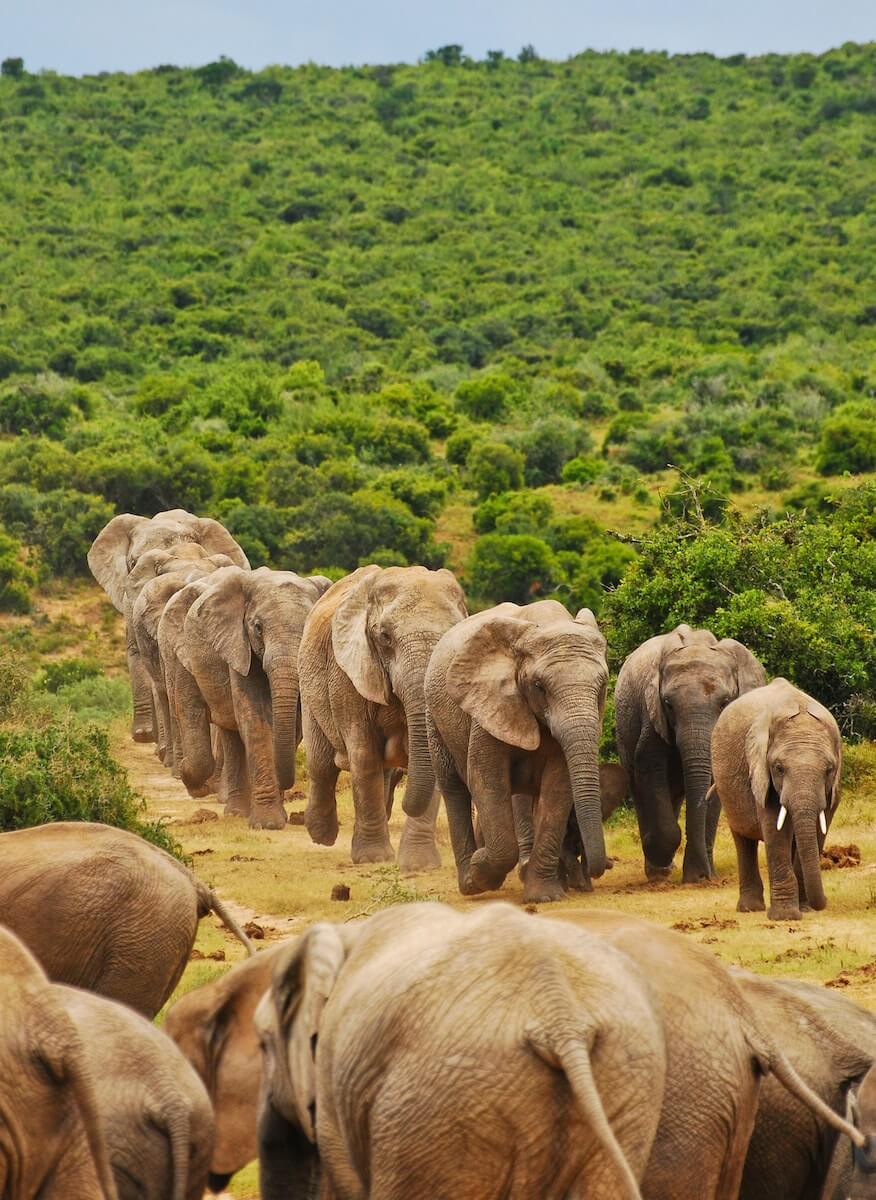
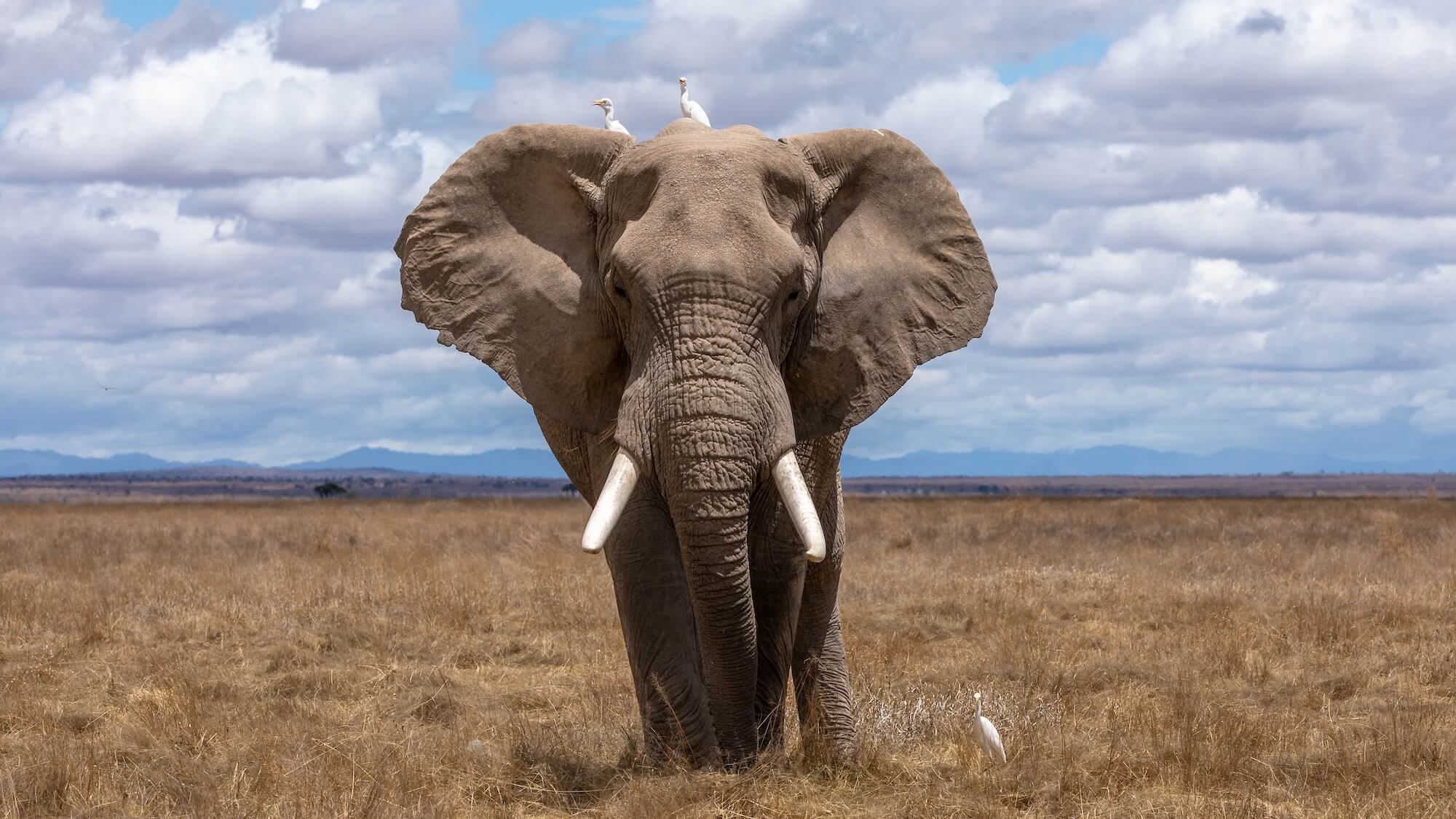
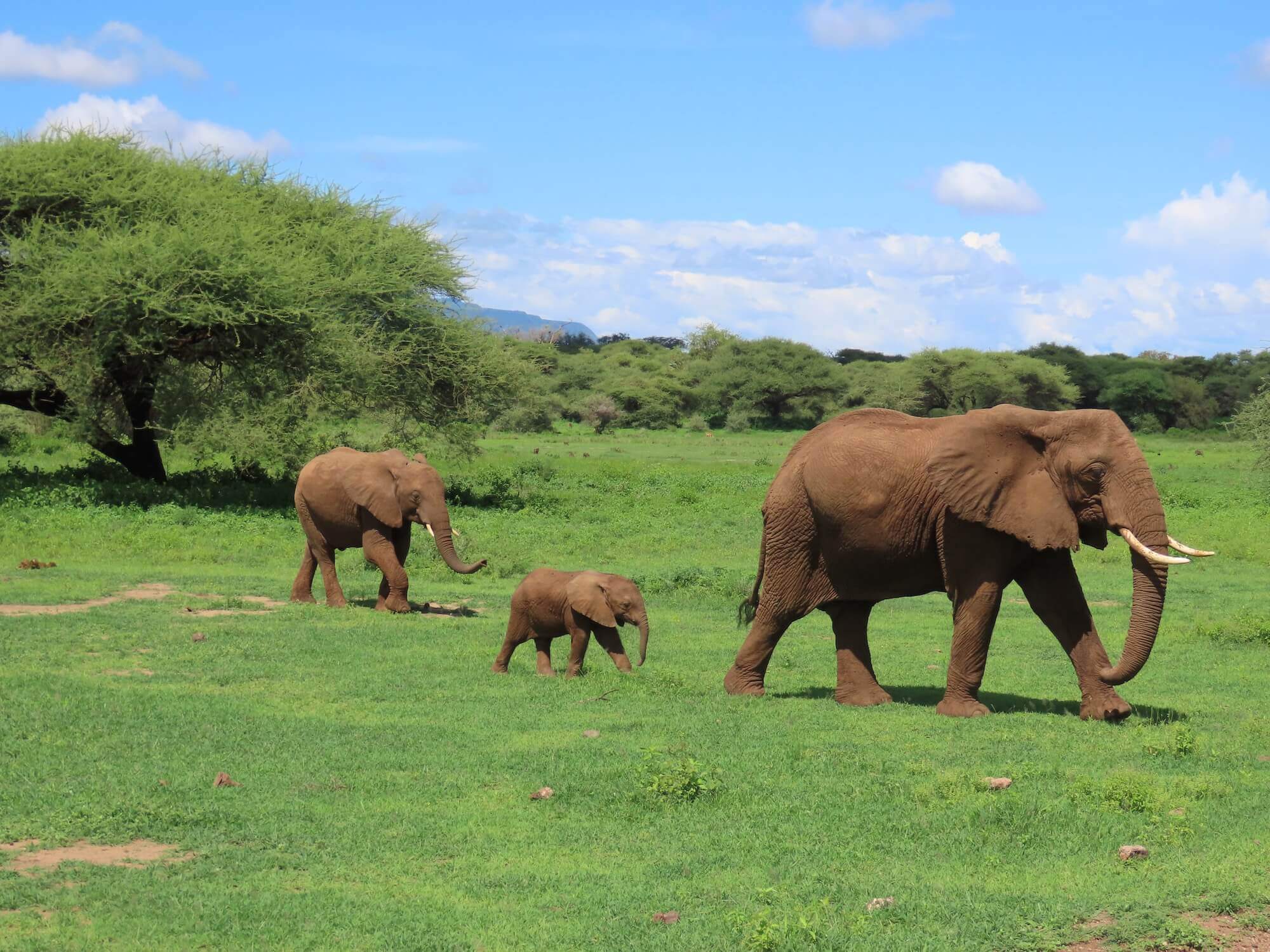
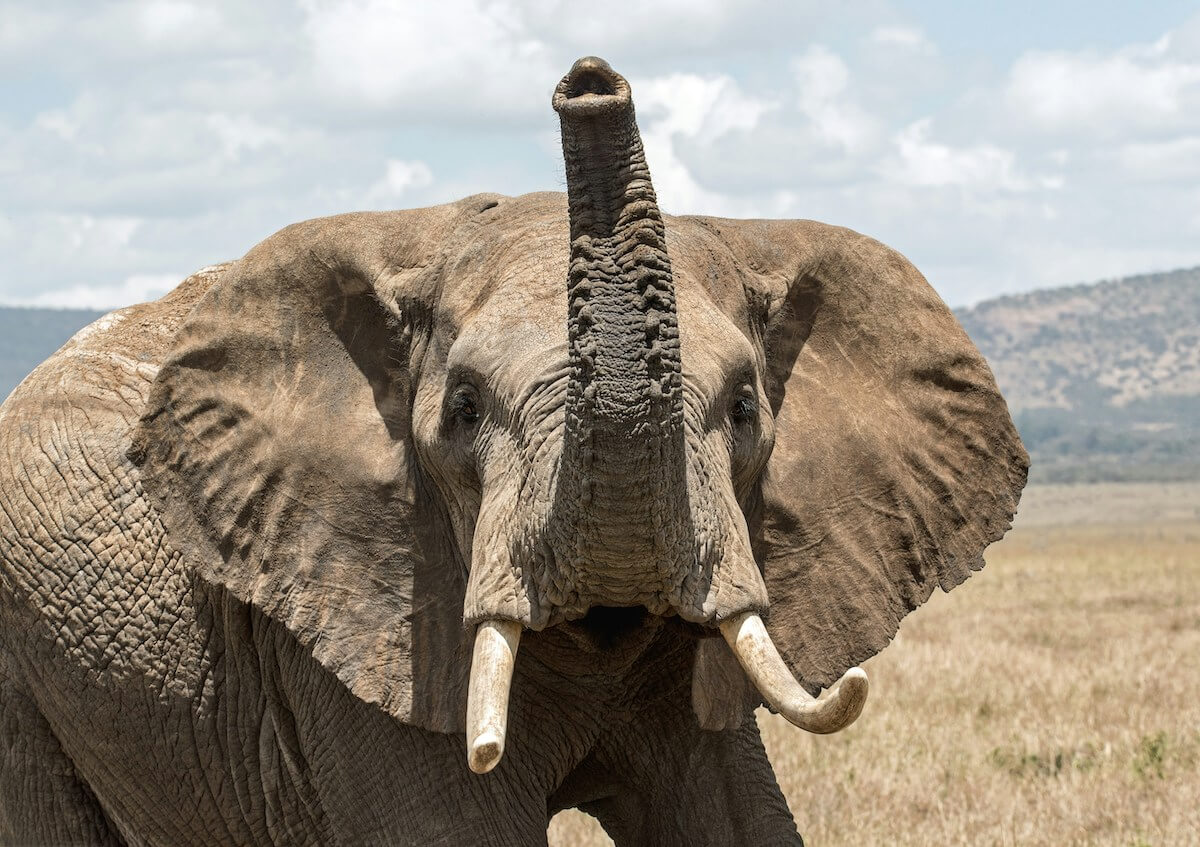
The African Elephant (Loxodonta africana) is the largest land animal on Earth, known for its immense size, intelligence, and complex social structures. Native to the savannas, forests, and deserts of sub-Saharan Africa, African Elephants are easily recognizable by their large ears, which they use to radiate excess heat, and their long trunks, which serve multiple purposes including breathing, smelling, touching, and grabbing objects. These majestic creatures play a crucial role in their ecosystems, shaping the landscape and providing essential functions for other wildlife.
African Elephants live in matriarchal herds led by an older female, with the herd consisting of related females and their young. Males typically leave the herd upon reaching maturity and may live solitary lives or form small bachelor groups. These social structures are vital for the transmission of knowledge and survival skills, as older elephants pass down essential information about migration routes and water sources. Communication within elephant herds is sophisticated, involving a range of vocalizations, body language, and even seismic signals detected through the ground.
The diet of African Elephants is diverse, including grasses, leaves, bark, and fruit, which they consume in vast quantities to sustain their large bodies. They can eat up to 300 pounds of vegetation in a single day. Elephants are also known as “ecosystem engineers” due to their ability to modify their habitat by uprooting trees, digging for water, and creating pathways that benefit other animals. However, African Elephants face significant threats from habitat loss, human-wildlife conflict, and poaching for their ivory tusks. These challenges have led to a decline in their populations, with the African Elephant currently listed as “Vulnerable” by the IUCN.
Conservation efforts are critical to protecting African Elephants and ensuring their survival. Anti-poaching measures, habitat preservation, and community-based conservation programs are essential strategies in safeguarding these iconic animals. The African Elephant’s intelligence, social complexity, and ecological importance make it a symbol of Africa’s wildlife heritage and a focus of global conservation efforts. Their presence in the wild is not only a testament to the richness of African biodiversity but also a reminder of the urgent need to protect our natural world.
Explore more
Mammals
Tasmanian Tiger
Giraffe
Three Toed Sloth
Puma

Dolphin
Cheetah
Guinea Pig

Harp Seal

Leopard Seal

Opossum
Jerboa

Red Panda

Orca
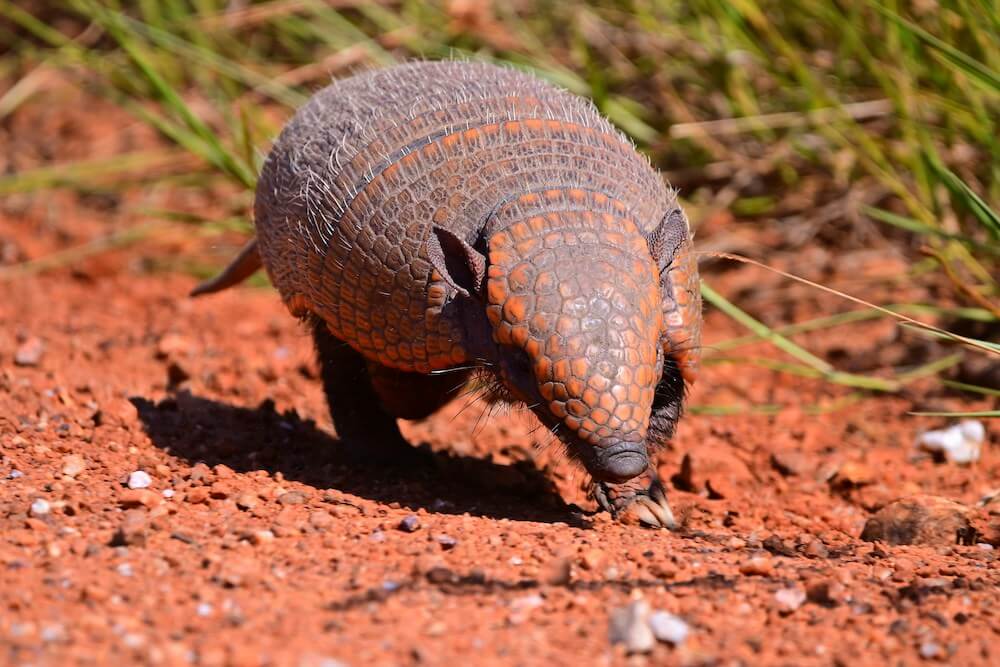
Armadillo
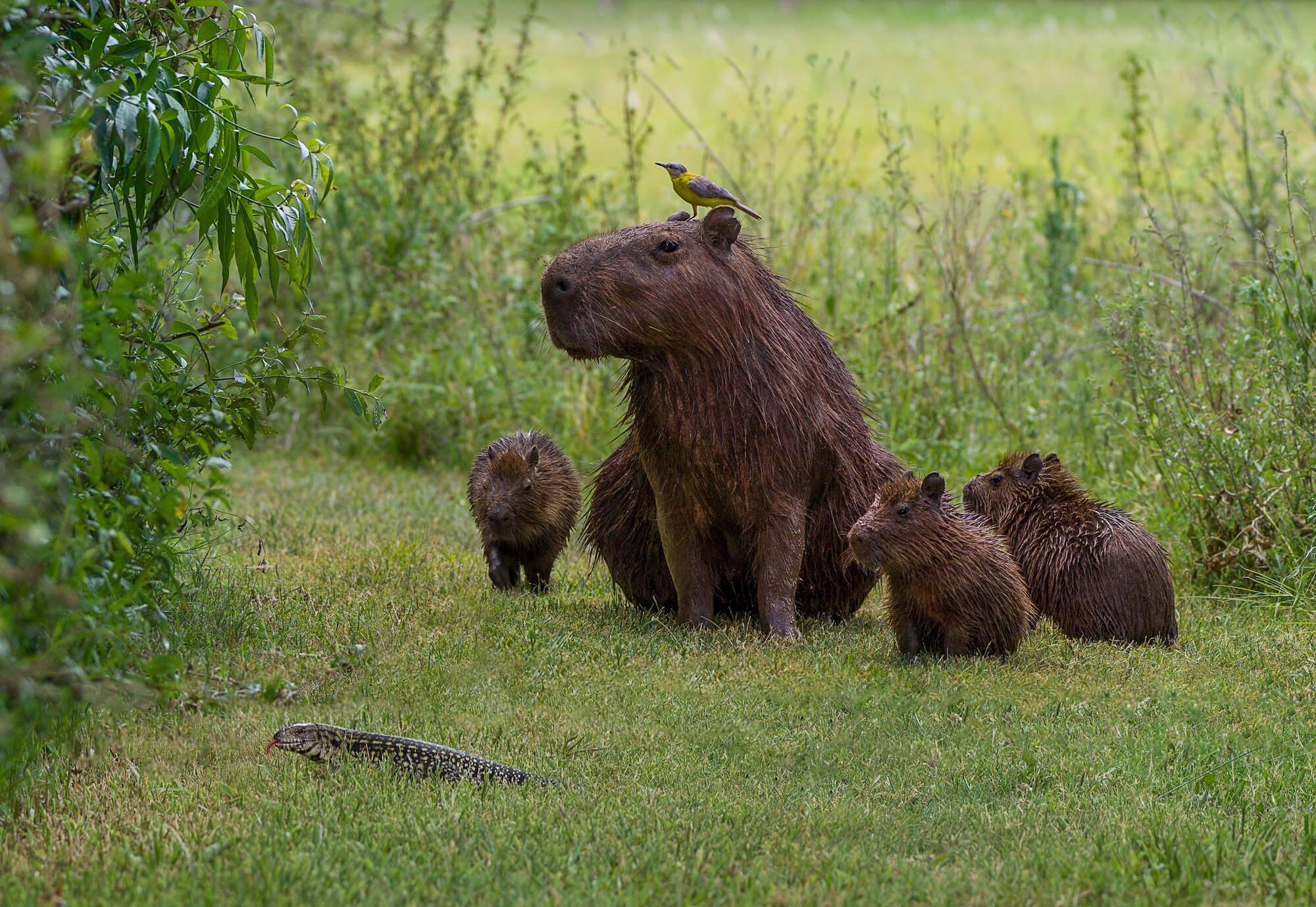
Capybara
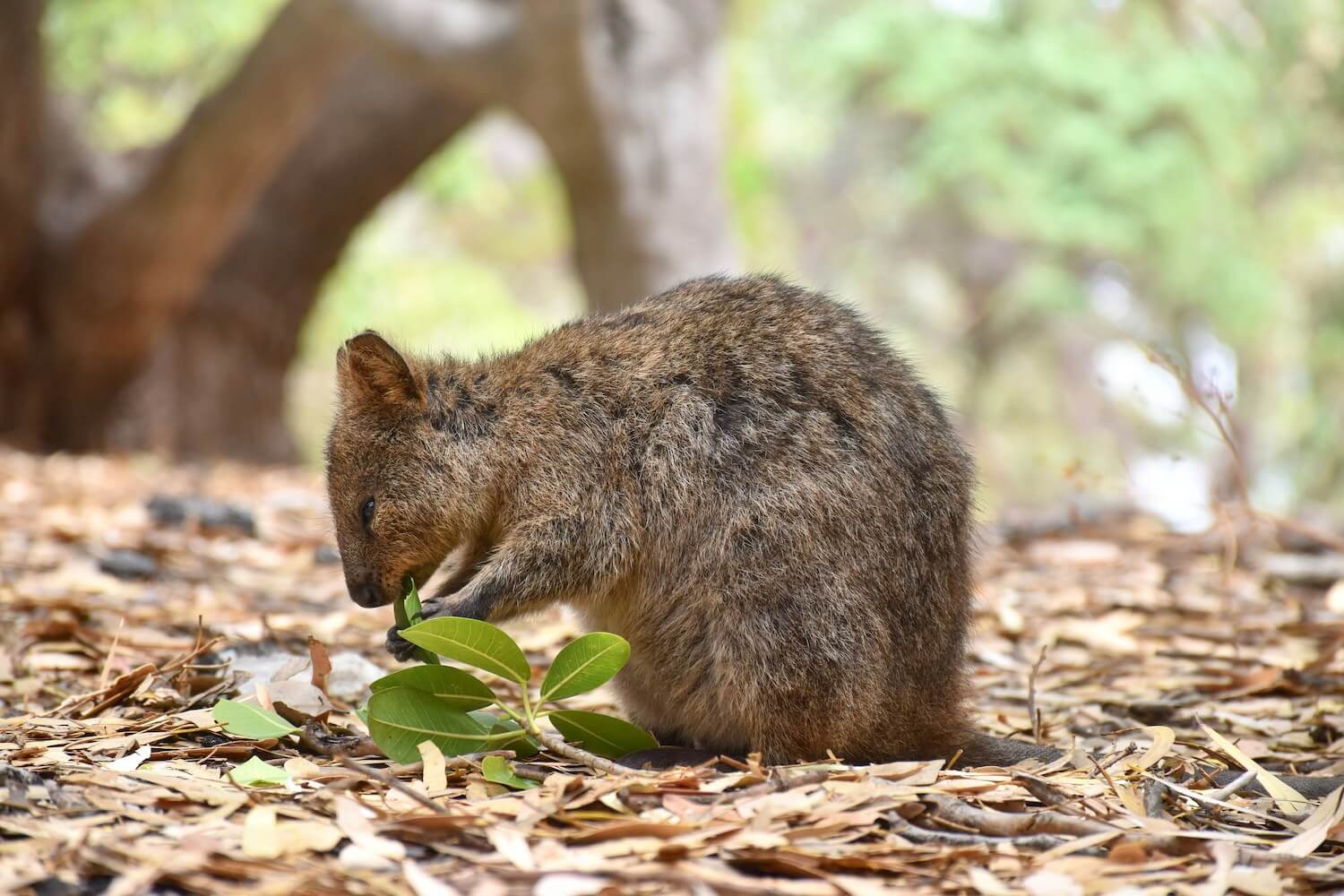
Quokka

Narwhal
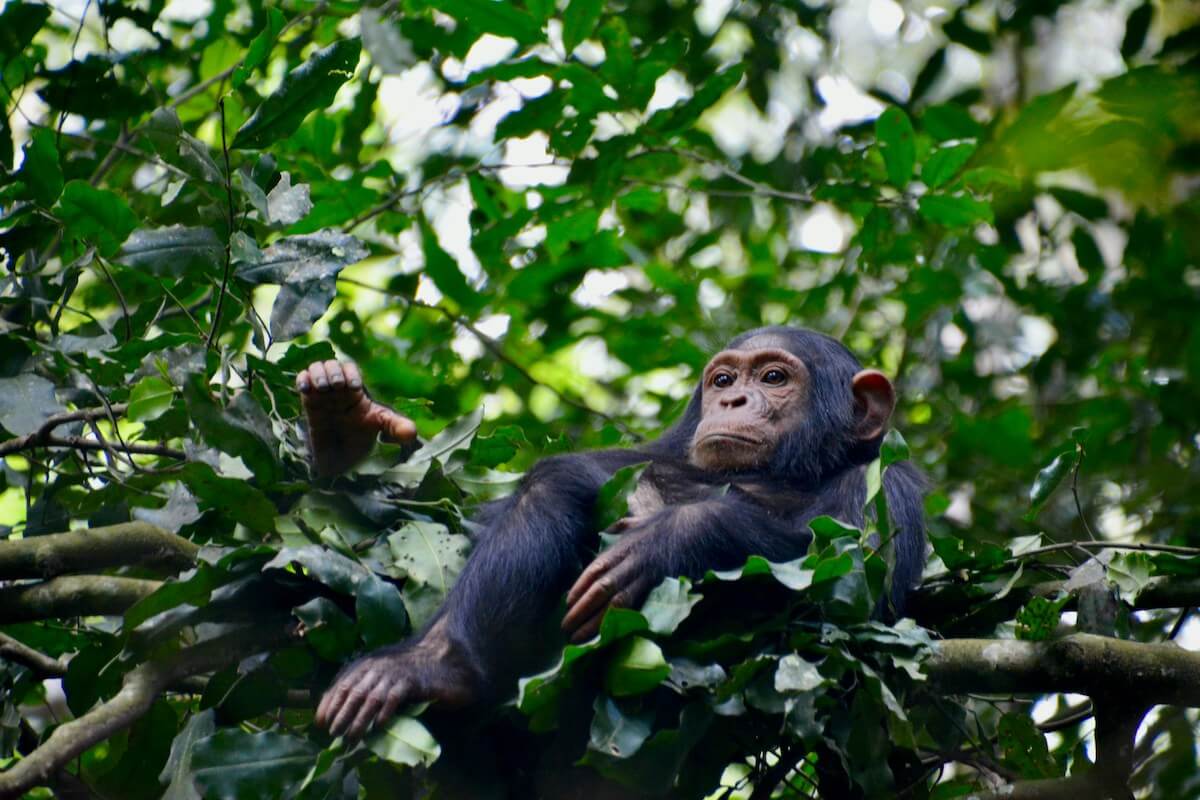
Chimpanzee

Platypus
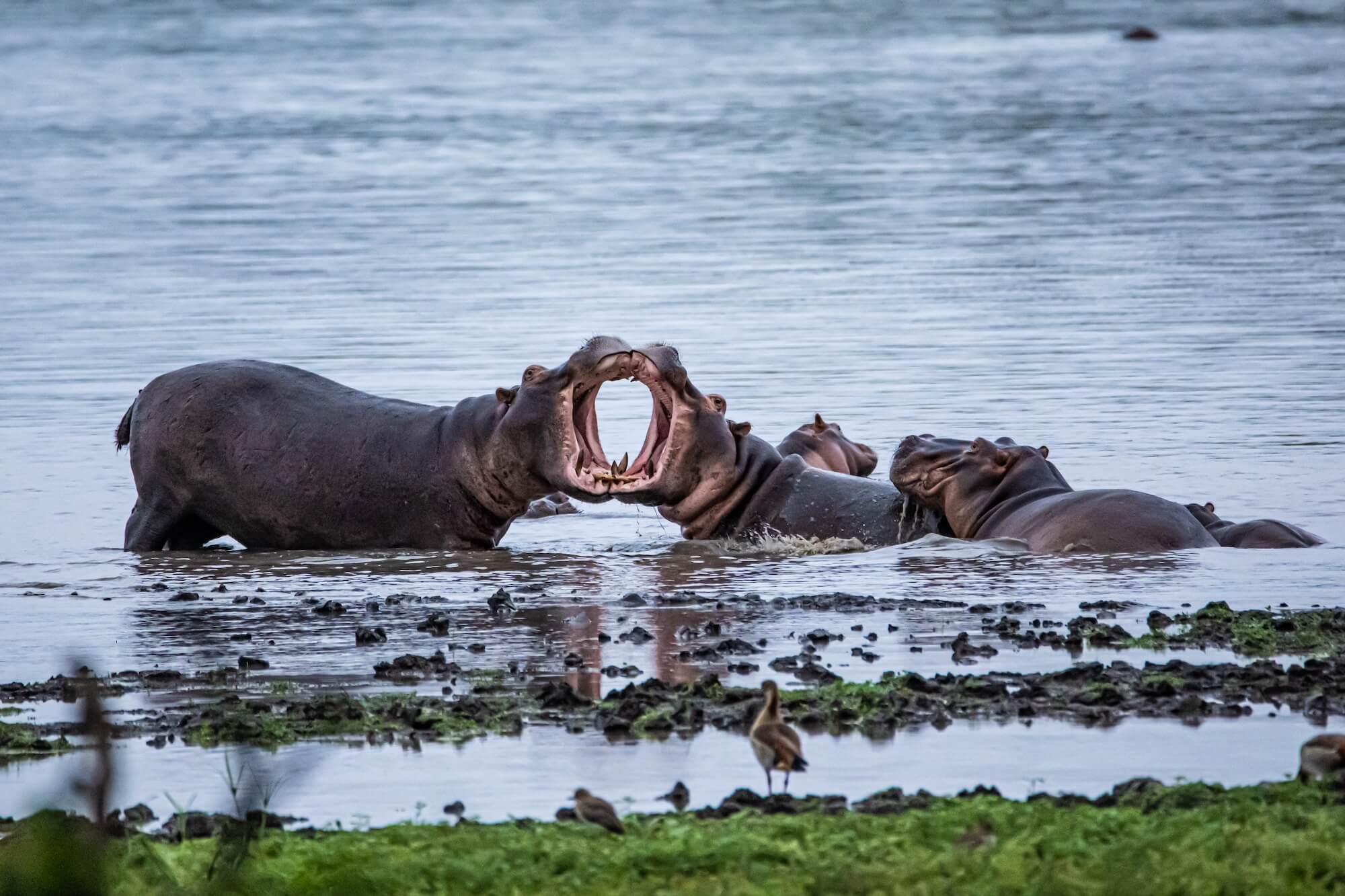
Hippopotamus

Snow Leopard
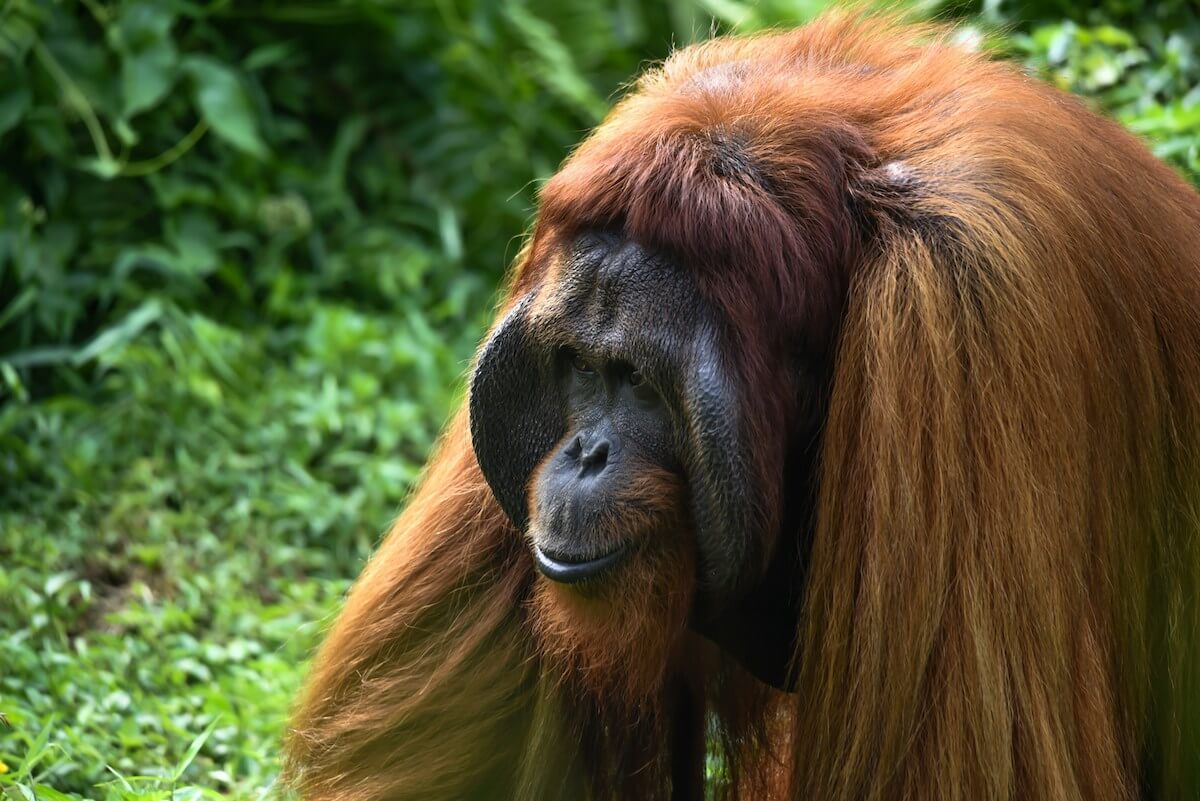
Orangutan
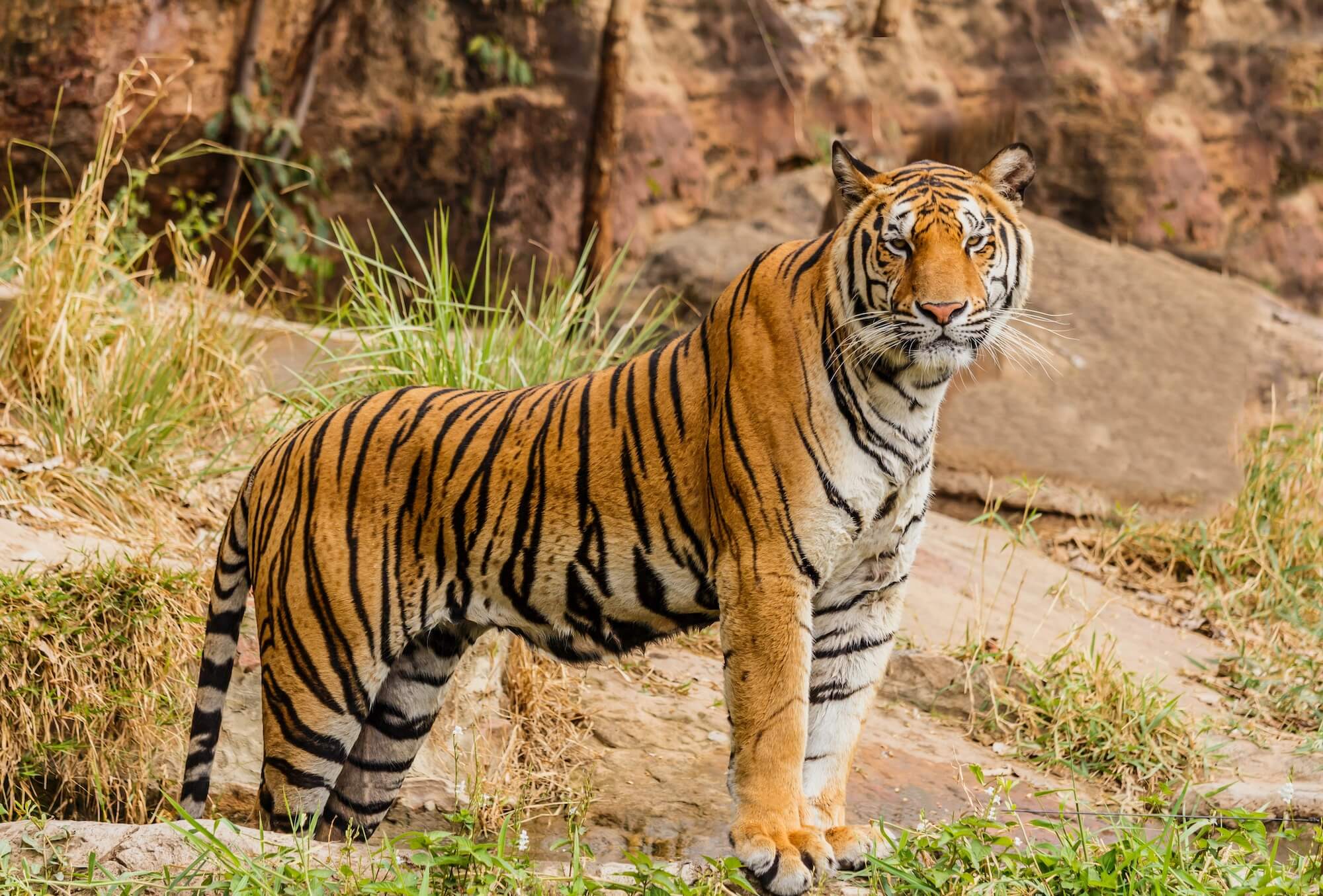
Bengal Tiger
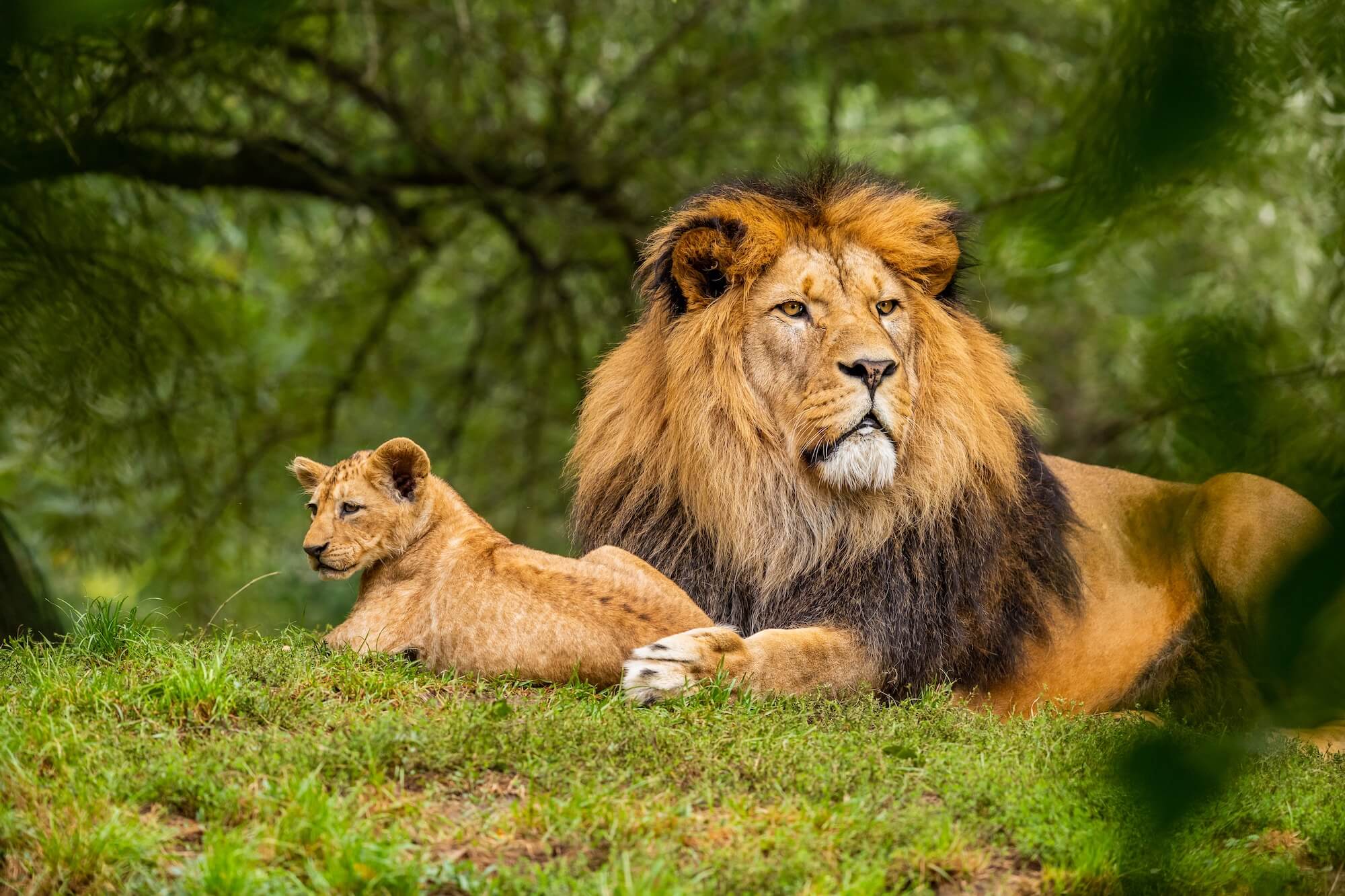
African Lion

Blue Whale

Giant Panda
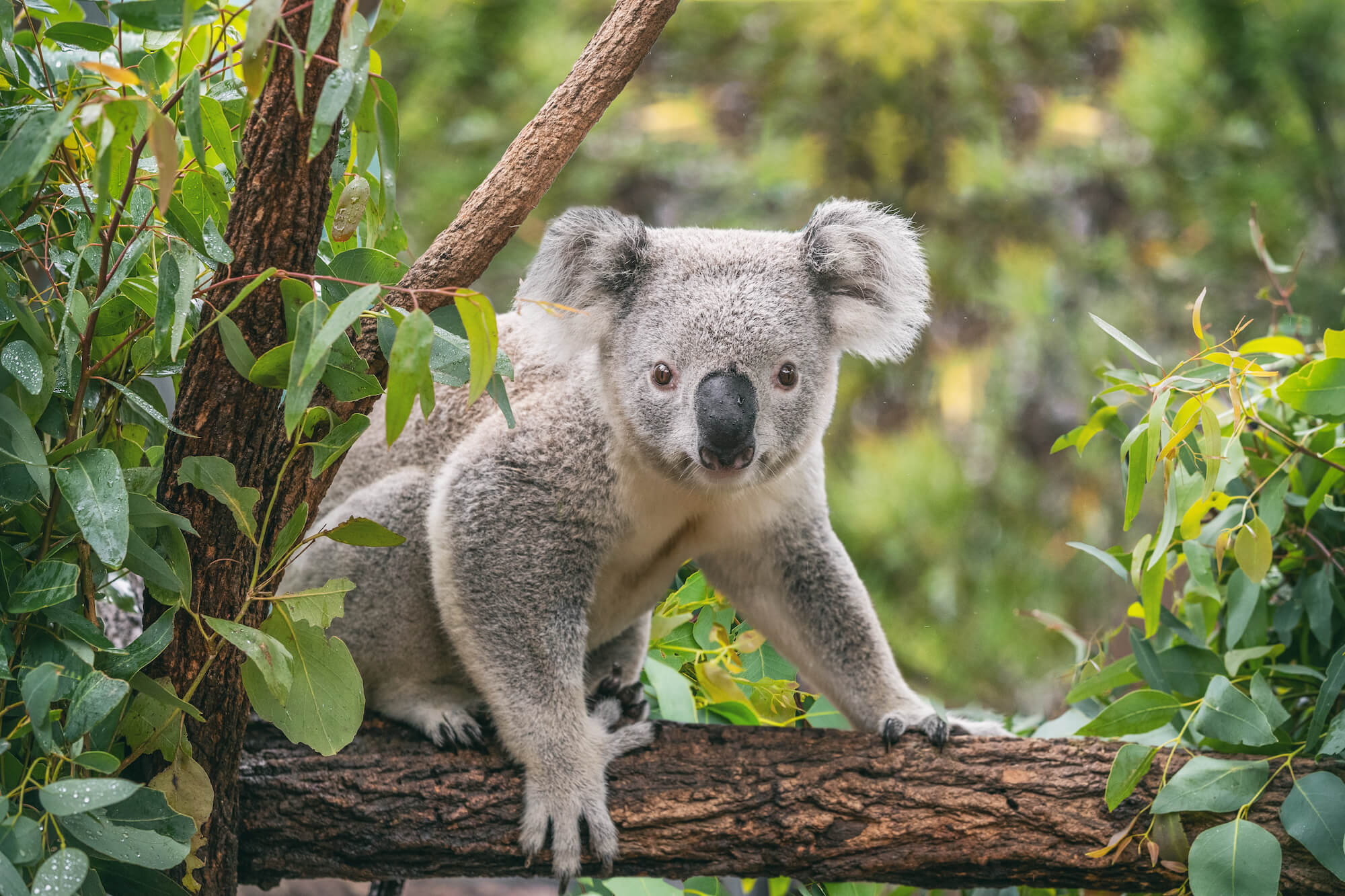
Koala

Polar Bear

Fox

Wolf